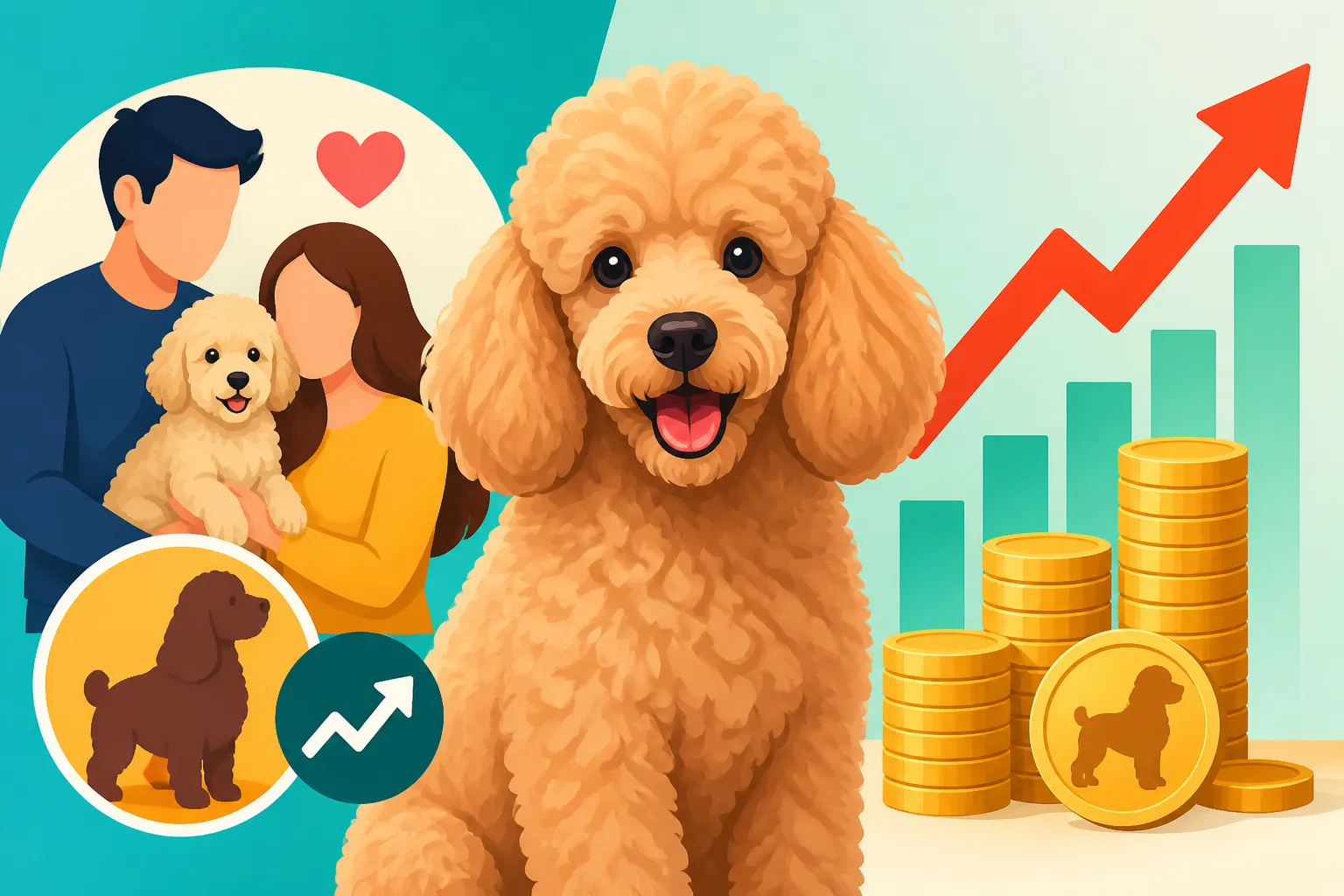
Whether Doodle Buyers Drove Poodle Prices Up
It’s a common frustration many aspiring Poodle owners, and even those of us who've loved the breed for years, have felt: puppy prices seem to have skyrocketed, and the whispers often point to the "Doodle craze." It can feel disheartening when you're simply looking for a well-bred Poodle, only to find the cost has jumped significantly. This guide is going to dive deep into the factors influencing Poodle prices, exploring whether the rise of Doodle breeds truly impacted the cost of our beloved Poodles, and what else might be at play in this complex market.
Understanding the Poodle Market Before the "Doodle" Boom
Before we point fingers, it's important to understand that Poodles have always been a breed that commanded a certain level of investment. They aren't "cheap" dogs, and for very good reason. The price tag on a Poodle puppy from a reputable breeder isn't arbitrary; it reflects a significant amount of work, knowledge, and financial outlay.
The Value of a Well-Bred Poodle
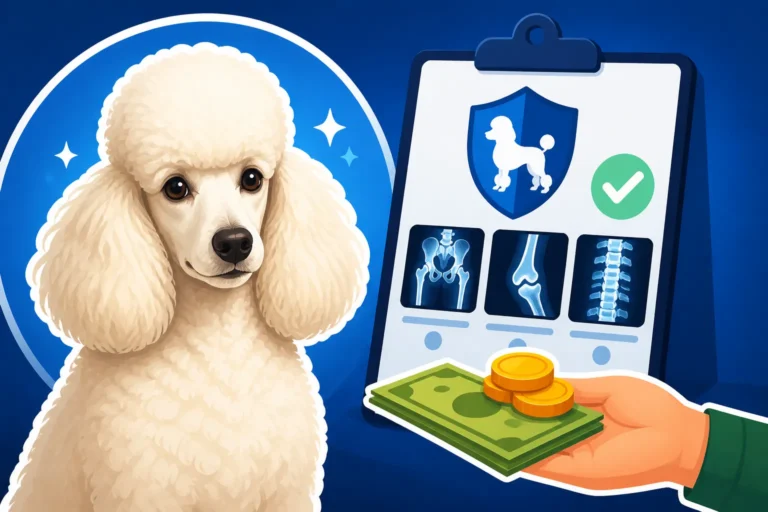
Even before the explosion of Doodle popularity, a well-bred Poodle from a responsible breeder was never an inexpensive purchase. These breeders aren't running puppy mills; they are dedicated preservationists of the breed, pouring their time, heart, and resources into producing healthy, well-tempered dogs that exemplify the Poodle standard. The cost of a puppy covers extensive health testing for the parent dogs, which often includes certifications from organizations like the Orthopedic Foundation for Animals (OFA) for hips, elbows, and patellas, as well as eye certifications (CERF), and genetic screenings for conditions like Von Willebrand's Disease and Progressive Retinal Atrophy. If you want to learn more about the specifics of these tests, a good starting point is understanding Genetic Panels for the Three Poodle Sizes.
Beyond these tests, reputable breeders provide top-notch care for their pregnant dams, ensuring proper nutrition and veterinary oversight. Once puppies arrive, the work intensifies: round-the-clock care, early neurological stimulation, proper socialization with people and other animals, and ensuring they receive their initial vaccinations and deworming. These puppies are raised in a clean, stimulating environment, often within the breeder's home, setting them up for success in their new families. The breeder also invests heavily in their own education, attending seminars, joining breed clubs, and working tirelessly to improve the breed. All of this contributes to what you ultimately pay, and it's an investment in a dog that has the best possible start in life. When you compare this to the hidden costs of a dog from an unknown source, it becomes clear that "cheap" often means expensive in the long run.
Supply and Demand in Traditional Poodle Breeding
Responsible Poodle breeders don't churn out litters continuously. They breed thoughtfully, often only when they want to keep a puppy themselves to continue their lines, or when they have a waiting list of approved homes. This approach naturally limits the supply of well-bred Poodle puppies. Their focus is on quality, not quantity. They typically have a finite number of breeding females, and these females are not bred every cycle, ensuring they have ample time to recover between litters.
This careful, ethical breeding practice creates a consistent, but often limited, supply. Demand for Poodles has always been strong among those who appreciate their intelligence, elegance, and non-shedding coats. This stable demand, coupled with a controlled supply, historically led to relatively predictable and stable pricing. The price reflected the true cost of responsible breeding, rather than market fluctuations based on fleeting trends. If you see a Poodle advertised for significantly less than the going rate for a reputable breeder, it’s a huge red flag that corners have been cut, and you should question Why a Cheap Poodle Usually Means No Testing.
The Rise of the Doodle and Its Market Impact
There's no denying that the "Doodle" phenomenon has changed the landscape of the dog world. From Goldendoodles to Labradoodles to Bernedoodles, these Poodle crosses have captured the hearts of many, and their popularity has certainly had ripple effects.
The Allure of the "Hypoallergenic" Cross
The primary driver behind the Doodle craze is often the desire for a "hypoallergenic" dog that also possesses the traits of another popular breed, such as the Golden Retriever's friendly disposition or the Labrador's trainability. The Poodle's curly, non-shedding coat is the star ingredient here, lending its qualities to the mix. Combine this with clever marketing that often promotes "hybrid vigor" and the often adorable "teddy bear" appearance, and you have a recipe for massive public appeal. Many buyers who might not have considered a purebred Poodle, perhaps due to perceived "fussy" looks or lack of familiarity with the breed, flocked to Doodles.
However, the reality of these crosses can be more complex. The "non-shedding" trait isn't always guaranteed, as coats can vary widely even within the same litter, and the claims of "hybrid vigor" are often misunderstood. We've certainly discussed this extensively in articles like Whether Doodle Coats Are Predictable. What's clear is that this new market created an unprecedented demand for dogs that looked and felt like Poodles, but weren't quite Poodles in the traditional sense. This shifted public perception and created a new segment of pet owners eager for a Poodle-like experience.
Increased Demand for Poodle Breeding Stock
Here's where the direct impact on Poodle prices becomes evident. To create Doodles, breeders need Poodles. This meant a sudden, significant increase in demand for Poodle breeding stock – healthy, purebred Poodles to act as sires and dams for Doodle litters. This demand wasn't necessarily coming from existing Poodle breeders looking to expand their purebred lines; it was from individuals and businesses (some reputable, many not) setting up Doodle breeding operations.
This surge in demand for Poodles for cross-breeding purposes drove up prices for breeding-quality Poodles. Poodle breeders who previously might have sold "pet quality" puppies (those not destined for the show ring or breeding programs) at a certain price now saw an opportunity to sell at a premium to Doodle breeders, or found themselves competing for quality Poodle lines that were suddenly in higher demand. Certain Poodle colors, like red, which became particularly popular in Doodles, saw their prices climb specifically. If you've ever wondered Whether Red Poodles Cost More Than Apricot, the Doodle market may well be a contributing factor. The economic principle is simple: when demand for a component (the Poodle) of a popular product (the Doodle) increases, the price of that component tends to rise.
The "Poodle Look" versus "Poodle Commitment"
Another subtle but significant impact of the Doodle trend is the disconnect between the attraction to Poodle traits and the understanding of Poodle ownership. Many Doodle buyers are drawn to the low-shedding aspect, but may not fully grasp the intensive grooming commitment a Poodle coat truly requires. This can lead to a misunderstanding of what it means to care for a Poodle-derived coat.
The Poodle's intelligent, active, and sensitive temperament can also be a surprise to those who bought a Doodle purely for its looks, without appreciating the depth of the Poodle's personality and needs. This creates a market where the visual appeal of the Poodle's coat is highly valued, sometimes overshadowing the deeper commitment required for any Poodle or Poodle-cross. This disconnect contributes to a higher perceived value of the "Poodle look," even if the full "Poodle commitment" isn't entirely understood by all buyers in the expanded market. The cost of owning a Poodle is far more than just the initial puppy price, especially when you factor in expenses like What Grooming Adds to a Poodle's Lifetime Cost.
Other Factors Influencing Poodle Pricing
While the Doodle phenomenon is a significant piece of the puzzle, it's not the only factor affecting Poodle prices. Several other elements contribute to the overall cost of acquiring a well-bred Poodle today.
General Economic Shifts and Pet Ownership Trends
The past few years have seen a general boom in pet ownership, partly due to shifts in lifestyle and a greater appreciation for companion animals. This increased overall demand across many breeds has naturally pushed prices upward. When more people are looking to bring a dog into their home, the market responds. Furthermore, the cost of living has risen, and this impacts breeders just like everyone else. The price of quality dog food, veterinary care, supplies, and even labor for facilities or staff has all increased. These rising operational costs for breeders, from stud fees to health certifications, inevitably get reflected in the puppy price. Even something as simple as the Monthly Food Cost for a Toy Poodle adds up over time for a breeder caring for multiple dogs and a litter of hungry pups.
Regional Differences and Breeder Reputation
Where you live can have a substantial impact on the price of a Poodle puppy. Breeders in metropolitan areas with higher costs of living often need to charge more to cover their expenses compared to those in more rural settings. Similarly, the reputation of the breeder plays a huge role. A breeder with a long-standing history of producing champion show dogs, or dogs that excel in performance sports, or those with highly sought-after, health-tested lines, will naturally command higher prices. Their reputation is built on years of dedication, ethical practices, and proven results. This is why when you look at articles like What You Pay for a Well-Bred Standard Poodle, the figures can sometimes seem daunting, but they often reflect unparalleled quality and peace of mind.
Conversely, a less experienced breeder, or one with less distinguished lines, might offer puppies at a lower price point. It's crucial, however, to ensure that lower cost doesn't equate to skipped health testing or subpar care, which can lead to heartbreaking and expensive problems down the line.
Health Testing and Ethical Breeding Costs
The veterinary sciences are constantly advancing, and with these advancements come more comprehensive and effective health tests for genetic conditions. Ethical Poodle breeders embrace these advancements, investing in DNA testing and screenings to ensure they are producing the healthiest puppies possible. This includes tests for conditions specific to Poodles, such as Progressive Retinal Atrophy in Miniature Poodles or for Addison's Disease in Standard Poodles. These tests are not cheap, and they are performed on both the sire and dam before any breeding takes place.
These costs are a non-negotiable part of responsible breeding. A breeder who proudly shares their health testing results and can explain why each test is important is a breeder worth investing in. These expenses are baked into the puppy price, as they are a fundamental part of ensuring the long-term health and well-being of the puppies they produce. Without these investments, the risk of inheriting serious health conditions increases dramatically, leading to potentially devastating emotional and financial burdens for future owners.
Navigating Poodle Prices in Today's Market
Given the various factors at play, finding a Poodle at a fair price while ensuring you're getting a healthy, well-adjusted companion requires careful thought and research.
Researching Reputable Poodle Breeders
The single most important step in acquiring a Poodle is to find a reputable, ethical breeder. These breeders prioritize the health, temperament, and adherence to the breed standard above all else. They are not simply looking to capitalize on demand; they are passionate stewards of the breed. When you contact a breeder, be prepared to ask detailed questions about their health testing protocols (and ask to see proof!), their breeding philosophy, and how they raise their puppies. They should be just as eager to vet you as you are to vet them, ensuring their puppies go to suitable homes.
A good breeder will be transparent about their prices and explain what goes into that cost. They'll have waiting lists, as responsible breeding takes time and careful planning. You'll want to focus your search on breeders who are active in Poodle-specific clubs and associations, who show their dogs, and who view breeding as a commitment to improving the breed, not just making a quick buck. Our guide on Finding a Poodle Breeder Who Tests provides excellent advice on this crucial process. Don't be swayed by instant availability or unusually low prices, as these are often indicators of irresponsible breeding practices.
Considering Poodle Rescues and Adoption
If the price of a purebred Poodle puppy from a reputable breeder is currently out of your budget, or if you prefer to give an older dog a second chance, please consider Poodle rescues. There are many dedicated Poodle rescue organizations across the country that work tirelessly to rehome Poodles and Poodle mixes who, through no fault of their own, find themselves without a family. These dogs often come to rescue through various circumstances, sometimes due to owners underestimating the grooming or exercise needs, or simply life changes.
Adopting from a rescue can be a wonderfully rewarding experience. The adoption fees are typically much lower than puppy prices from breeders, and often include spay/neuter surgery, vaccinations, microchipping, and sometimes even initial dental care. Rescues also often have a good understanding of a dog's temperament and can help match you with a Poodle that fits your lifestyle. It’s a great way to welcome a Poodle into your home, and there are specific considerations for understanding What Poodle Rescues Charge and Why. Plus, you'll be giving a loving dog a much-needed fresh start.
Budgeting for Ongoing Poodle Costs
It's vital to remember that the purchase price of a Poodle is just the initial outlay. The long-term costs of Poodle ownership are substantial and continue throughout the dog's life, which can span well over a decade. These ongoing expenses include:
- Grooming: Poodles require regular professional grooming, typically every 4-6 weeks, or consistent home grooming. This is a significant expense that never stops.
- Food: High-quality dog food is essential for a Poodle's health. Brands like Chewy offer a wide range of premium foods, and for those interested in fresh food, services like Ollie provide tailored meal plans.
- Veterinary Care: Routine check-ups, vaccinations, parasite prevention (heartworm, flea, and tick), and emergency care can add up. Pet insurance, such as from Healthy Paws, can be a lifesaver for unexpected medical emergencies.
- Supplies: Beds, toys, leashes, collars, crates, and training supplies are all necessary.
- Training and Enrichment: Poodles are intelligent and thrive on mental stimulation. Obedience classes, dog sports, or even puzzle toys are valuable investments.
To help you visualize the yearly financial commitment, here's a general breakdown of typical Poodle expenses. Please remember, these are estimates and actual costs will vary widely based on location, Poodle size, individual needs, and choices of products/services.
| Category | Initial Puppy Cost (Reputable Breeder) | Annual Estimated Cost (Toy Poodle) | Annual Estimated Cost (Standard Poodle) |
|---|---|---|---|
| Purchase Price | Varies significantly | N/A (one-time) | N/A (one-time) |
| Food | N/A | $300 – $600 | $600 – $1200+ |
| Grooming (Professional) | N/A | $600 – $1200 | $1000 – $2000+ |
| Routine Vet Care | N/A | $300 – $700 | $400 – $900 |
| Preventatives | N/A | $150 – $300 | $200 – $400 |
| Pet Insurance | N/A | $300 – $600 | $600 – $1000+ |
| Toys & Supplies | N/A | $100 – $300 | $150 – $400 |
| Training/Enrichment | N/A | $100 – $500 (variable) | $150 – $600 (variable) |
| Emergency Fund (Savings) | N/A | Recommended: $1000+ | Recommended: $2000+ |
This table highlights that while the initial puppy price can be a hurdle, the ongoing expenses are a lifelong commitment. Thoroughly budgeting for all these aspects is crucial for any potential Poodle owner. Considering A Poodle Year: Grooms, Food and Vet Care will give you a clearer picture of what you're signing up for beyond the initial purchase.
So, while Doodle buyers certainly contributed to a heightened demand for Poodles and likely influenced an upward trend in prices for breeding stock, it's not the sole reason for rising costs. General inflation, increased awareness of ethical breeding practices (which cost more), and a booming overall pet market have all played a part. What truly matters is focusing on the long-term health and happiness of your Poodle, which starts with a responsible choice, regardless of the current market fluctuations.
Disclaimer
This article is for general informational purposes only and does not constitute professional advice. Laws, prices and regulations vary by location and change over time. Consult a qualified professional for guidance on your specific situation.