Genetic Panels for the Three Poodle Sizes
It’s a crushing feeling to discover your beloved Poodle, full of life and joy, is suffering from a hidden health condition. Many Poodle owners live with the gnawing worry about inherited diseases, especially given the breed's predispositions. This comprehensive guide will walk you through the world of genetic panels for Standard, Miniature, and Toy Poodles, explaining what they test for, why they're so important, and how understanding these results can profoundly impact your Poodle's health and your peace of mind.
Why Genetic Testing is Crucial for Poodles, Regardless of Size
Bringing a Poodle into your life is an absolute delight, but it also comes with a weighty responsibility for their health and well-being. Unlike some breeds where health issues might be few and far between, Poodles, across all three sizes, carry a genetic legacy that includes predispositions to certain conditions. This isn't a flaw in the breed; it's simply a reality of purebred dogs, where specific genes can become more prevalent over generations. Genetic testing offers a powerful tool to peer into that genetic blueprint, giving us invaluable insights into potential health challenges lurking beneath the surface.
Understanding Breed-Specific Vulnerabilities
Poodles are celebrated for their intelligence, elegance, and delightful personalities, but they also have a well-documented list of inherited health concerns. These aren't random occurrences; they're tied directly to their genetics. For instance, a Standard Poodle might face different risks than a Toy Poodle due to differences in size, metabolism, and even the lines they came from. Understanding these nuances is critical. It's not enough to know that Poodles can get certain diseases; you need to know which ones are most relevant to your Poodle's specific variety. This is especially true given that Why Poodle Health Splits by Size is a common concern among owners. Without genetic testing, you're essentially walking blindfolded, hoping for the best but without any real data to guide preventive care or breeding decisions.
Imagine the heartbreak of seeing a young Poodle develop a debilitating condition that could have been predicted, or even prevented, with proper screening. This isn't just about avoiding a vet bill; it's about minimizing suffering and maximizing the quality of life for your furry family member. Genetic panels give us the power to move beyond reactive care—treating problems as they arise—towards proactive health management, allowing us to anticipate and prepare for what might come.
Beyond the Eye Test: Unseen Risks
Many inherited conditions don't show obvious signs in a young, seemingly healthy Poodle. A puppy can be a carrier for a serious genetic disease, appearing perfectly fine, yet unknowingly pass that gene onto future generations or develop the condition later in life. A prime example is Von Willebrand Disease in Poodles. This bleeding disorder can be present from birth but might not be noticed until a surgical procedure or injury causes excessive bleeding. Without a genetic test, you wouldn't know your Poodle is at risk until an emergency unfolds.
Another tricky aspect is that some conditions have delayed onset. Your Poodle could be several years old before symptoms of a genetic illness become apparent. Think about conditions like progressive retinal atrophy, which can lead to Inherited Blindness in Poodles. While vision loss might start subtle, it's a progressive disease, and knowing the genetic status early allows you to monitor, make environmental adjustments, and prepare for the future. The physical examination by a veterinarian is absolutely vital, of course, but it can only detect what's physically manifested. Genetic testing delves into the underlying code, revealing the invisible risks before they become visible problems.
Empowering Responsible Breeding Decisions
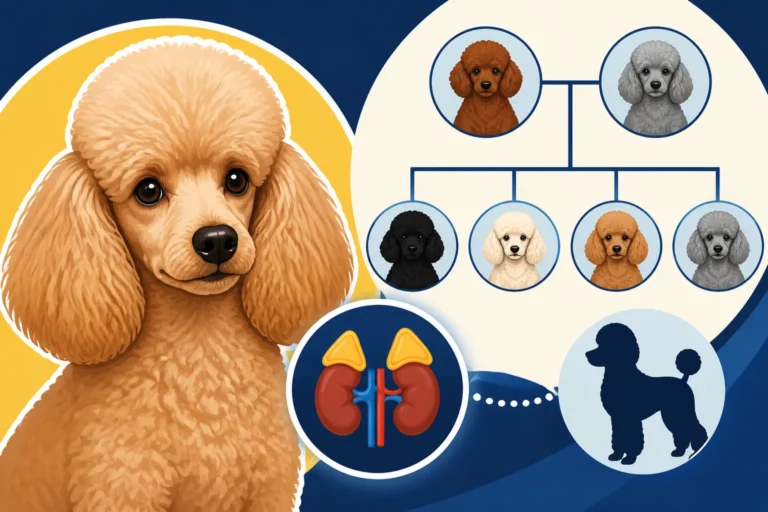
For those involved in breeding Poodles, genetic panels are not just crucial; they are a moral imperative. Responsible breeders strive to produce healthy puppies, and that means understanding the genetic health of their breeding stock. Without this information, there's a risk of inadvertently perpetuating genetic diseases within a bloodline. It’s a complex dance of genetics, where a dog might be a "carrier" for a recessive gene, meaning they hold one copy of the problematic gene but don't exhibit the disease themselves. If two carriers are bred, there's a 25% chance that each puppy will inherit two copies of the gene and thus be "affected" by the disease.
This isn't just about avoiding obvious issues; it's about safeguarding the future health of the entire breed. Breeders who utilize genetic panels can make informed decisions, choosing pairings that minimize the risk of producing affected puppies, while also preserving genetic diversity. This dedication to health screening is a hallmark of reputable breeders and one of the most important questions to ask when you are trying to understand What a Poodle Breeder Must Test For. It's a testament to their commitment to the Poodle breed, ensuring that the puppies they bring into the world have the best possible start and the longest, healthiest lives.
Common Genetic Conditions Across Poodle Varieties
When we talk about genetic health in Poodles, it's important to remember that while there's overlap, specific sizes tend to be more susceptible to certain conditions. It's not a hard and fast rule, but rather a pattern observed over generations of breeding and veterinary practice. This is part of the fascinating, and sometimes frustrating, reality that Why Size Changes Which Diseases a Poodle Gets. Understanding these distinctions helps owners and breeders alike focus their screening efforts appropriately.
Diseases Affecting All Poodle Sizes
While some conditions lean towards one size or another, there are several genetic health concerns that can crop up in Standard, Miniature, and Toy Poodles alike. These are often broad genetic traits that affect systems common to all dogs, regardless of their stature.
One such condition is Von Willebrand Disease (vWD), a common inherited bleeding disorder. While certain lines might show higher prevalence, it's something all Poodle varieties can carry. This condition impairs the blood's ability to clot properly, leading to prolonged bleeding after injury, surgery, or even routine procedures like nail trims. A genetic test can identify if a Poodle is clear, a carrier, or affected, which is incredibly important information for managing their care, especially if surgery is ever needed. Knowing this status upfront can literally be life-saving, allowing vets to take preventative measures to minimize bleeding risks.
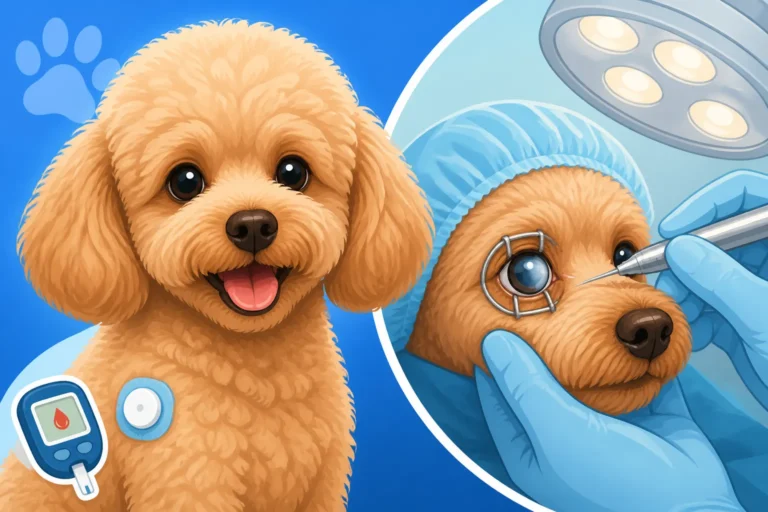
Another example is certain forms of progressive retinal atrophy (PRA). While specific types of PRA might be more common in Miniature Poodles, the general risk of Inherited Blindness in Poodles, caused by PRA, exists across the board. This group of degenerative eye diseases causes the photoreceptor cells in the retina to break down over time, leading to gradual vision loss and eventual blindness. The onset and progression can vary, but the genetic predisposition is present in all sizes. Early genetic screening allows owners to prepare for potential vision impairment, adapting their homes and routines to help their Poodle navigate life comfortably as their sight declines.
Conditions Predominantly in Standard Poodles
Standard Poodles, with their larger stature, face a unique set of challenges often associated with bigger breeds. One of the most infamous and frightening is Gastric Dilatation-Volvulus (GDV), commonly known as bloat. While not strictly a genetic disease in the same way as vWD, the deep chest conformation that is characteristic of Standard Poodles, as described in Bloat and the Deep Standard Poodle Chest, is an inherited trait that significantly increases risk. While genetic panels don't test directly for "bloat," they can sometimes provide insights into markers related to general digestive health or connective tissue integrity that could play a role. However, it's more about conformation and environmental factors for bloat than a single gene.
More directly genetic for Standard Poodles is Addison's Disease, also known as hypoadrenocorticism. This is an autoimmune condition where the adrenal glands fail to produce enough critical hormones. It's notoriously difficult to diagnose because its symptoms—lethargy, vomiting, diarrhea, lack of appetite—can mimic so many other illnesses, which is why Addison's Disease in Standard Poodles, is often called "the great pretender." A genetic predisposition to Addison's is well-documented in Standard Poodles, and while a single "Addison's gene" isn't perfectly mapped for a definitive test, research is ongoing, and some panels include markers that can indicate an increased risk. For breeders, understanding the prevalence in their lines is paramount, and for owners, knowing their dog's risk factor can prompt earlier discussions with their vet if suspicious symptoms arise.
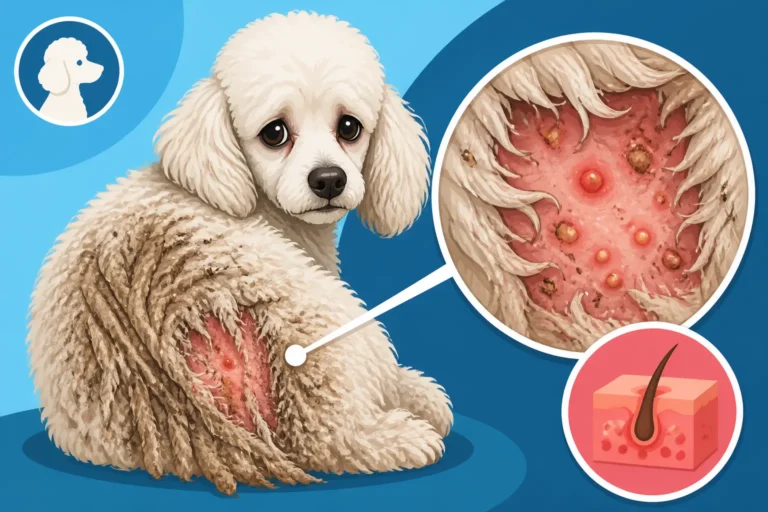
Another concern for Standards, though less common now due to diligent breeding efforts, is Sebaceous Adenitis (SA). This autoimmune skin condition attacks the sebaceous glands, leading to dry, scaly skin, hair loss, and secondary infections, often first showing up as How Adenitis Shows Up on a Poodle's Back. While not exclusive to Standard Poodles, they are disproportionately affected. There is a genetic test available that can identify dogs that are affected, carriers, or clear for SA. This allows breeders to make informed decisions to reduce the incidence of this uncomfortable and frustrating condition.
Health Concerns Specific to Miniature and Toy Poodles
The smaller Poodle varieties, Miniature and Toy, have their own distinct genetic predispositions, often related to their delicate structure and rapid metabolisms.
For Miniature Poodles, Progressive Retinal Atrophy in Miniature Poodles, particularly the prcd-PRA variant, is a significant concern. This specific genetic mutation is responsible for a form of PRA that leads to blindness, and there's a highly accurate DNA test available. Identifying carriers and affected dogs is critical for breeders to eliminate this gene from their lines, and for owners to understand the future health outlook of their Miniature Poodle.
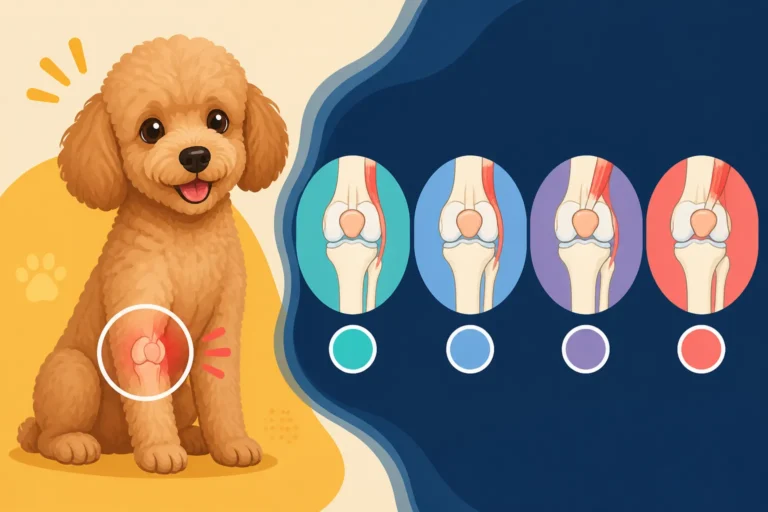
Toy Poodles, and to a lesser extent Miniatures, are unfortunately prone to certain orthopedic issues that are less common in their larger cousins. Luxating Patella in Toy and Miniature Poodles, where the kneecap slips out of place, is a primary example. While often multifactorial, there's a strong genetic component influencing patellar conformation and ligament strength. While a direct "luxating patella gene" test isn't widely available or fully diagnostic, some genetic panels may include markers associated with joint health or structure that could indicate a higher predisposition. This condition can range from mild to severe, causing pain and lameness, sometimes requiring surgical correction.
Another condition often seen in Miniature Poodles is Idiopathic Epilepsy in Miniature Poodles. This is recurrent seizure activity without an identifiable cause. While environmental factors can play a role, there's a strong genetic component that makes certain lines and individuals more prone to developing seizures. Research is ongoing to identify specific genetic markers, and some advanced panels might include relevant markers. For owners of Miniature Poodles, understanding potential risk factors can mean earlier intervention and management with a veterinarian if seizures begin.
And let's not forget the delicate bone structure of Toy Poodles, which makes them more susceptible to problems like Legg-Calve-Perthes disease, a condition affecting the hip joint, or even issues with their windpipes as explored in Toy Poodle Kneecaps and Windpipes. While these might not always have direct genetic tests, the overall genetic health profile can help paint a picture of susceptibility.
The Science Behind Genetic Panels: What Do They Test For?
It can feel a bit like reading hieroglyphics when you first look at a genetic panel report. All those acronyms and scientific terms can be overwhelming, but understanding the basics of what these tests are actually looking for can demystify the process. Essentially, genetic panels are sophisticated DNA tests designed to identify specific mutations or variations in a dog's genetic code that are linked to inherited diseases or traits.
Identifying Deleterious Mutations
At its core, a genetic panel is searching for "deleterious mutations." Think of your Poodle's DNA as a vast instruction manual for building and running their entire body. Every now and then, there might be a typo or a missing word in this manual – that's a mutation. Some mutations are harmless, even creating variations like coat color. Others, however, are "deleterious," meaning they can cause disease or health problems.
For example, a genetic test for prcd-PRA in Miniature Poodles specifically looks for a particular change in a gene called PRCD. This tiny alteration in the DNA sequence disrupts the normal function of the retinal cells, eventually leading to blindness. The panel doesn't test for all possible eye diseases; it targets this specific, known mutation that causes this specific disease. Each disease on a genetic panel has a corresponding, well-researched genetic mutation or marker that the test is designed to identify. This focused approach allows for high accuracy in identifying specific risks. These tests are developed by scientists and veterinarians who have thoroughly studied the genetic basis of these conditions in specific breeds.
Carrier Status vs. Affected Status
This is a critical distinction, especially for recessive genetic diseases, which many Poodle conditions are. Most genetic diseases Poodles are tested for follow an autosomal recessive inheritance pattern. This means a dog needs to inherit two copies of the problematic gene (one from each parent) to be "affected" and exhibit the disease.
- Clear (or Normal): This means your Poodle has inherited two normal copies of the gene and does not carry the mutation. They will not develop the disease, nor will they pass the mutation on to their offspring. This is the ideal status, of course.
- Carrier: This means your Poodle has inherited one normal copy of the gene and one copy of the problematic mutation. They typically do not show any symptoms of the disease themselves, as the normal copy usually compensates. However, they can pass the problematic gene on to 50% of their offspring. This is incredibly important for breeders, as breeding two carriers together creates a 25% chance of producing affected puppies.
- Affected: This means your Poodle has inherited two copies of the problematic gene, one from each parent. They will develop the disease and pass one copy of the mutation to all of their offspring. The severity of the disease can vary, but the genetic predisposition is clear.
Understanding these statuses is fundamental to making informed decisions, whether for managing your pet's health or planning breeding programs. A carrier Poodle, for example, might never suffer from the disease themselves, but they hold the key to passing it on, making careful breeding choices paramount.
Interpreting the Results: A Guide for Owners
When your genetic panel results come back, don't panic if you see a "carrier" status. Remember, a carrier usually means your Poodle is healthy themselves. The report will clearly state each disease tested for and your Poodle's status (Clear, Carrier, or Affected).
If your Poodle is Clear for all tested conditions, that's fantastic news! It means they do not carry the specific mutations tested for. However, remember that genetic panels don't cover every single possible disease, just the known genetic ones for which tests exist. Good general health care, proper nutrition, and regular vet check-ups are still essential.
If your Poodle is a Carrier for one or more conditions, it's generally not a cause for alarm regarding their personal health. Discuss these results with your veterinarian, but typically, no special medical management is needed. If you are a breeder, this information is critical for selecting mates that are also "Clear" for that specific condition, ensuring no affected puppies are produced. For example, if your Poodle is a carrier for prcd-PRA, you would only breed them with a Poodle that is "Clear" for prcd-PRA. All the puppies would then either be clear or carriers, but none would be affected by the disease.
If your Poodle is Affected by a condition, this means they either have the disease or are at very high risk of developing it. This is where the proactive power of genetic testing truly shines. Armed with this knowledge, you and your vet can develop a tailored health management plan. This might include:
- Regular monitoring for the onset of symptoms.
- Preventative measures or early interventions.
- Medication to manage symptoms if they appear.
- Dietary or lifestyle adjustments.
This advanced notice allows you to prepare emotionally and financially. For instance, knowing your Poodle is affected by a condition might lead you to discuss pet insurance options. Providers like Healthy Paws offer various plans, and while pre-existing conditions are typically not covered, having a diagnosis before symptoms fully manifest might influence your insurance choices for future, unrelated issues. It’s about being prepared, not fearful.
When and How to Get Your Poodle Genetically Tested
The idea of genetic testing might seem complex, but the process itself is surprisingly straightforward. The real considerations come down to when to test and which tests are most appropriate for your Poodle's specific situation. It’s an investment, but one that can pay dividends in peace of mind and proactive health management throughout your Poodle Lifespan Across the Three Sizes.
Timing is Everything: Puppies, Adults, and Breeding Dogs
Deciding when to perform genetic testing depends largely on your Poodle's role in your life and their age.
- Puppies (Pre-purchase/Early Life): Ideally, reputable breeders perform genetic testing on their breeding stock before breeding. This ensures that the puppies born are less likely to inherit two copies of a deleterious gene. If you are purchasing a puppy, the breeder should be able to provide genetic test results for both the sire and dam. This is the gold standard and something you should always ask for. Some breeders might also test individual puppies before they go to their new homes, particularly for conditions with a rapid onset or those that require early intervention. As a new owner, having these results from day one provides invaluable insight into your puppy's predispositions. If you're looking at a young puppy, you might be particularly interested in understanding What a Toy Poodle Puppy Must Eat, but genetic health considerations are even more foundational.
- Adult Pet Poodles: Even if your Poodle isn't destined for breeding, genetic testing as an adult can still be highly beneficial. Perhaps you adopted a Poodle whose history is unknown, or you simply want to be proactive about their long-term health. Testing an adult Poodle can reveal carrier status for recessive genes that might never impact them directly but are good to know for future reference or if you ever consider breeding (which should only be done with careful consideration and professional guidance). More importantly, if your adult Poodle begins showing subtle symptoms that are hard to diagnose, a genetic panel might uncover a predisposition to a specific disease, helping your veterinarian narrow down possibilities and arrive at a quicker, more accurate diagnosis. This proactive approach can potentially save time, stress, and numerous expensive diagnostic tests, which can also be important for managing costs, perhaps in conjunction with a good pet insurance plan from a provider like Healthy Paws.
- Breeding Dogs: For any Poodle intended for breeding, genetic testing is absolutely non-negotiable. It should be done before any breeding takes place. This allows breeders to make informed decisions about pairing dogs to avoid producing affected puppies. A comprehensive panel covering all breed-relevant conditions (as advised by breed clubs or veterinary geneticists) is essential. A breeder who truly cares about the health of the breed will proudly share these results and use them to guide their breeding program responsibly. As mentioned previously, understanding What a Poodle Breeder Must Test For, is a cornerstone of responsible breeding.
The Testing Process: From Swab to Results
The actual process of collecting a DNA sample for a genetic panel is incredibly simple and can usually be done right at home or during a routine vet visit.
- Ordering the Test: You'll typically order a genetic panel kit from a reputable veterinary genetics laboratory. Many labs offer specific "Poodle panels" that bundle together the most common tests for the breed.
- Sample Collection: The most common and easiest method is a buccal swab, which involves gently rubbing a sterile cotton swab inside your Poodle's cheek to collect saliva and loose cheek cells. These cells contain your Poodle's DNA. Some tests might require a blood sample, which would be collected by your veterinarian. The kits come with clear instructions on how to perform the swab.
- Mailing the Sample: Once you've collected the sample, you simply follow the kit's instructions for packaging and mailing it back to the laboratory.
- Waiting for Results: The turnaround time can vary, but most labs will provide results within a few weeks. You'll usually receive the results via email or through an online portal, often with detailed explanations of what each finding means.
The process is generally stress-free for your Poodle and provides a wealth of information from a simple, non-invasive sample.
Choosing a Reputable Testing Provider
Not all genetic testing labs are created equal. It's crucial to choose a provider that is reputable, scientifically sound, and provides clear, actionable results. Here are some factors to consider:
- Accreditation and Standards: Look for labs that adhere to high scientific standards and ideally have some form of accreditation. This indicates that their testing procedures are rigorous and reliable.
- Breed-Specific Panels: A good lab will offer breed-specific panels (e.g., a "Poodle Panel") that include the most relevant tests for your Poodle's variety. This ensures you're not paying for irrelevant tests and are getting the most comprehensive screening for your breed.
- Clear Reporting: The results should be easy to understand, clearly distinguishing between "Clear," "Carrier," and "Affected" statuses for each condition. Explanations of what each condition entails are also helpful.
- Veterinarian Consultation: Many reputable labs encourage or require veterinarian involvement, either in collecting the sample or interpreting the results. This ensures that the genetic findings are integrated into your Poodle's overall health plan.
- Research and Reputation: Ask your veterinarian for recommendations. Breed clubs and experienced breeders are also excellent resources for identifying trusted genetic testing laboratories. Some well-known and respected labs include Embark, Optimal Selection (MyDogDNA), and Canine Health Check, among others. Always do your research to ensure you're using a lab with a strong track record and scientific integrity.
What Genetic Panel Results Mean for Your Poodle's Future
Receiving your Poodle's genetic panel results is more than just getting a piece of paper; it's gaining powerful insight into their unique genetic makeup. This information isn't meant to cause anxiety, but rather to empower you to make the best possible decisions for your Poodle's health and longevity. It helps you navigate the journey of Caring for an Aging Poodle, understanding potential challenges that might arise.
Managing "Affected" Diagnoses
If your Poodle's genetic panel reveals an "Affected" status for a particular condition, it can certainly be a concerning moment. However, it's crucial to remember that an affected diagnosis doesn't always mean immediate crisis. Often, it means you have invaluable foreknowledge, allowing for proactive management.
Let's consider a scenario: Your Miniature Poodle tests "Affected" for Progressive Retinal Atrophy in Miniature Poodles. This doesn't mean your Poodle is blind today, but it does mean they will develop the condition, leading to eventual blindness. Armed with this information, you can:
- Early Veterinary Consultation: Work with your vet and possibly a veterinary ophthalmologist to discuss the progression of the disease, what symptoms to watch for, and any potential supportive therapies or nutritional considerations.
- Environmental Adaptations: Start making your home "blind-dog friendly" proactively. This might involve keeping furniture in consistent locations, using non-slip mats, and perhaps introducing scent markers. You can even train your Poodle to respond to verbal cues to navigate obstacles while they still have some vision.
- Emotional Preparedness: This knowledge allows you to mentally prepare for the changes that will occur. It gives you time to research resources for blind dogs and learn how to best support your Poodle through their vision loss, reducing stress for both of you when the time comes.
Similarly, if a Poodle is "Affected" for Von Willebrand Disease in Poodles, it means they have the bleeding disorder. This is crucial information for any future surgical procedures, even routine dental cleanings. Your vet can take precautions, such as having blood products on hand, or prescribing medications to improve clotting time beforehand, potentially saving your Poodle's life. This proactive management, often supported by pet insurance plans like those from Healthy Paws, ensures you're ready for whatever comes next.
Making Informed Breeding Choices
For breeders, genetic panel results are the foundation of a responsible breeding program. The goal is always to reduce the incidence of genetic diseases within the breed while maintaining genetic diversity.
- Selecting Mates: If a Poodle is identified as a "Carrier" for a recessive genetic disease, they should only be bred with a mate that is "Clear" for that specific condition. This pairing ensures that no puppies will be "Affected" by the disease. While some puppies might be "Carriers," they themselves will not develop the disease, and future generations can continue to be screened.
- Removing Affected Dogs (from Breeding): Any Poodle identified as "Affected" by a serious genetic disease should generally be removed from a breeding program to prevent passing on two copies of the deleterious gene. While this can be a difficult decision, it's a vital one for the health of the breed.
- Maintaining Diversity: While striving for "Clear" status across the board is ideal, it's also important to avoid excessively narrowing the gene pool. Sometimes, a valuable Poodle might be a carrier for a condition. In such cases, careful pairing with a clear mate and thorough testing of offspring can allow their other positive traits to be passed on without compromising health. This balance requires careful consideration and consultation with veterinary geneticists or experienced breed mentors. The aim is not just to avoid sick puppies, but to foster a robust and healthy future for the Poodle breed as a whole.
Partnering with Your Veterinarian
Genetic panel results are a piece of a larger puzzle that is your Poodle's overall health. They are most powerful when integrated into a comprehensive health plan developed in partnership with your veterinarian.
- Holistic Health Picture: Your vet can help you interpret the results in the context of your Poodle's age, lifestyle, physical exam findings, and any existing health issues. They can explain how genetic predispositions might influence their recommendations for diet, exercise, or future diagnostic screenings.
- Preventative Strategies: If a genetic predisposition is identified, your vet can recommend specific preventative measures or monitoring protocols. For example, if your Standard Poodle has an increased genetic risk for Addison's Disease, your vet might suggest specific blood tests at annual check-ups to catch early signs of hormonal imbalance.
- Treatment Planning: If an "Affected" diagnosis is confirmed and symptoms appear, your vet will be your primary partner in developing a treatment plan. Knowing the genetic basis of the disease can guide their choices regarding medications, therapies, or specialist referrals.
- Ongoing Communication: It's important to keep your vet updated on any changes in your Poodle's health, even seemingly minor ones. With the knowledge of their genetic predispositions, your vet can be more attuned to subtle signs that might indicate the onset or progression of a genetic condition. For instance, if you notice your Poodle is showing early signs of lameness, knowing they are predisposed to Luxating Patella in Toy and Miniature Poodles, will help your vet quickly focus their diagnostic efforts.
By proactively using genetic panels and working closely with your veterinarian, you're not just reacting to problems; you're actively shaping a healthier, happier life for your beloved Poodle, offering them the best possible chance at a long and fulfilling existence.
Genetic Panel Comparison by Poodle Size
To give you a clearer picture of the primary genetic tests typically recommended, here's a general comparison by Poodle size. Keep in mind that individual breeders or veterinary geneticists might recommend additional tests based on specific lines or emerging research.
| Poodle Size | Key Genetic Conditions (and corresponding tests) | Typical Inheritance Pattern | Potential Impact |
|---|---|---|---|
| Standard Poodle | Degenerative Myelopathy (DM) | Autosomal Recessive | Progressive neurological disorder, leading to paralysis. |
| Neonatal Encephalopathy (NE) | Autosomal Recessive | Severe neurological disorder, usually fatal in puppies. | |
| Progressive Retinal Atrophy (prcd-PRA) | Autosomal Recessive | Progressive vision loss, leading to blindness. | |
| Von Willebrand Disease Type I (vWD Type I) | Autosomal Recessive | Bleeding disorder, affecting blood clotting. | |
| Sebaceous Adenitis (SA) Genetic marker test available for risk assessment | Autosomal Recessive | Autoimmune skin condition, leading to hair loss and skin issues. | |
| Addison's Disease Research ongoing for specific genetic markers, some panels include risk markers | Complex/Polygenic | Adrenal gland insufficiency, wide-ranging systemic symptoms. | |
| Miniature Poodle | Progressive Retinal Atrophy (prcd-PRA) | Autosomal Recessive | Progressive vision loss, leading to blindness. |
| Von Willebrand Disease Type I (vWD Type I) | Autosomal Recessive | Bleeding disorder, affecting blood clotting. | |
| Optigen PRA (rcd4) Specific variant for some lines | Autosomal Recessive | Another form of progressive retinal atrophy. | |
| Degenerative Myelopathy (DM) | Autosomal Recessive | Progressive neurological disorder. | |
| Chondrodystrophy (CDDY with IVDD Risk) | Semidominant | Increased risk of intervertebral disc disease (IVDD) and early disc degeneration. | |
| Idiopathic Epilepsy Research ongoing for genetic markers | Complex/Polygenic | Recurrent seizures without an identifiable cause. | |
| Toy Poodle | Progressive Retinal Atrophy (prcd-PRA) | Autosomal Recessive | Progressive vision loss, leading to blindness. |
| Von Willebrand Disease Type I (vWD Type I) | Autosomal Recessive | Bleeding disorder, affecting blood clotting. | |
| Legg-Calve-Perthes Disease Clinical diagnosis, but some panels include hip/joint health markers | Complex/Polygenic | Degeneration of the femoral head in the hip joint, leading to lameness. | |
| Luxating Patella Clinical diagnosis, but some panels include joint health markers | Complex/Polygenic | Kneecap slips out of place, causing pain and lameness. | |
| Chondrodystrophy (CDDY with IVDD Risk) | Semidominant | Increased risk of intervertebral disc disease (IVDD) and early disc degeneration. | |
| Hypoglycemia Often management-related in puppies, but some metabolic predispositions can be genetic | Complex/Polygenic | Low blood sugar, can be severe in small puppies. |
In the journey of Poodle ownership, understanding and utilizing genetic panels stands as a testament to truly responsible pet care. It moves us beyond hoping for good health to actively fostering it, providing both owners and breeders with the knowledge to give these incredible dogs the longest, healthiest, and most joyful lives possible. It's about being informed, proactive, and deeply committed to the well-being of every Poodle.
Disclaimer
The information provided in this article is for educational and informational purposes only and does not constitute veterinary advice. Always consult with a qualified veterinarian for any health concerns or before making any decisions related to your Poodle's health or genetic testing. Genetic test results should always be interpreted in conjunction with a professional veterinary opinion.