Getting a Toy Poodle Outside in the Cold
Toy Poodle cold sensitivity stems from rapid heat loss, limited fat insulation, and tiny bodies positioned close to freezing ground.
Work with the temperament you have.
House-training and crate work, recall, leash manners, separation anxiety, and the behaviors this breed is wired for.

Toy Poodle cold sensitivity stems from rapid heat loss, limited fat insulation, and tiny bodies positioned close to freezing ground.
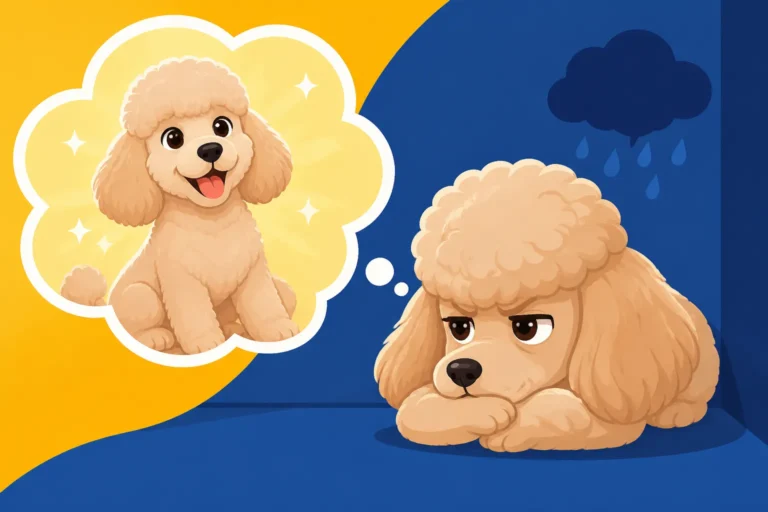
Poodle behavior involving apparent sulking is explained through canine psychology, high intelligence, and sensitivity to owner emotions.
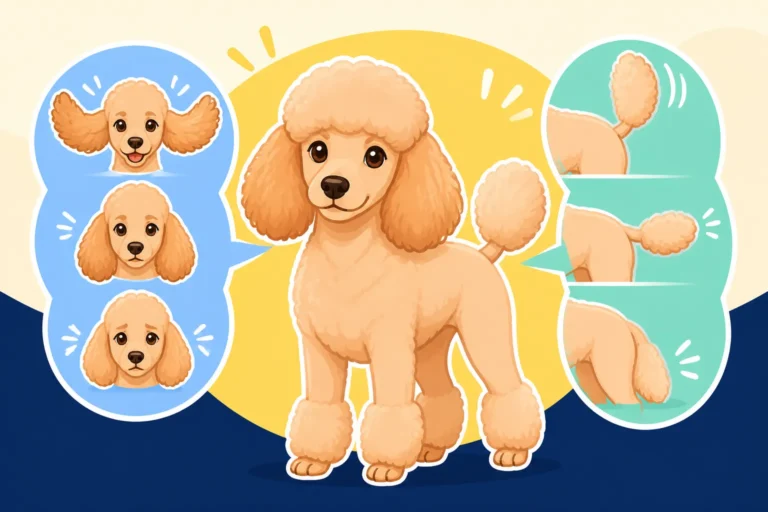
Poodle ear and tail movements communicate emotional states like alertness, anxiety, and relaxation through subtle physical cues.
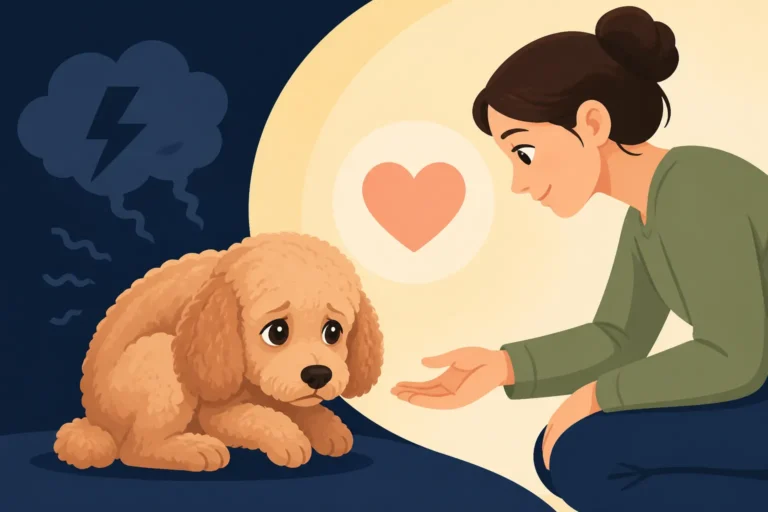
Rebuilding trust with a frightened Poodle involves identifying root causes, recognizing subtle fear signs, and understanding sensitive canine behavior.
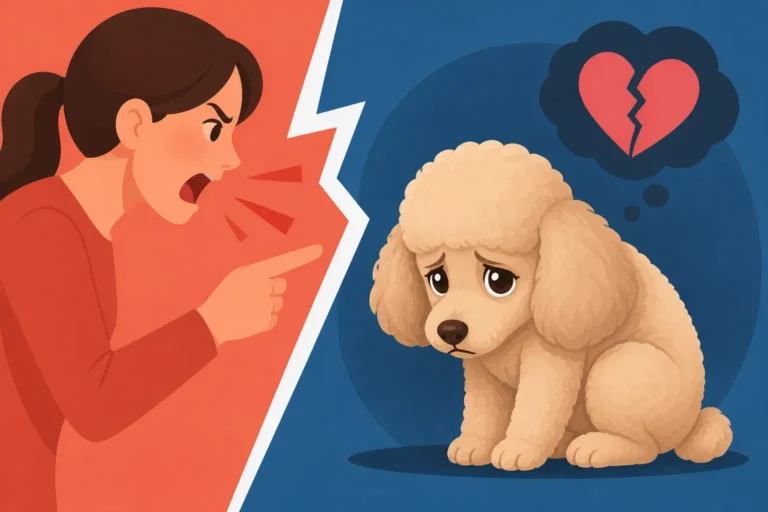
Poodles possess high intelligence and deep sensitivity, causing them to freeze and withdraw into another room when sternly scolded by owners.
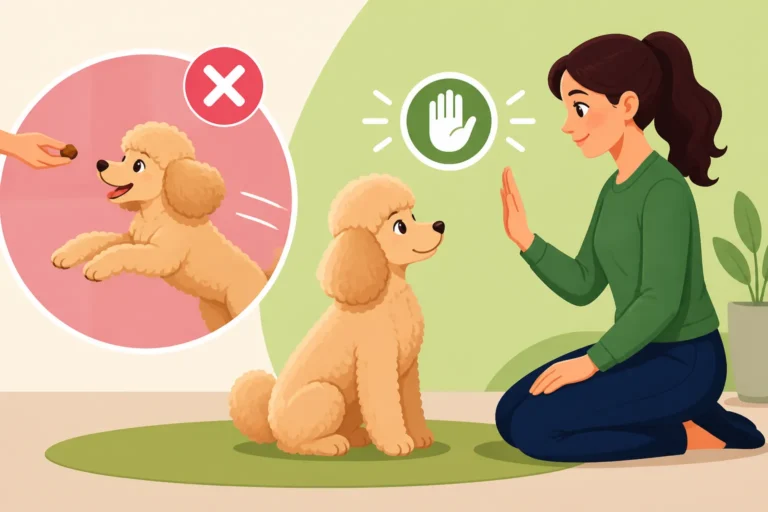
Smart Poodles guessing and rushing through commands can learn impulse control strategies to build patience and wait for cues.

Poodle cue anticipation caused by high intelligence and pattern recognition, plus practical strategies to manage this habit.
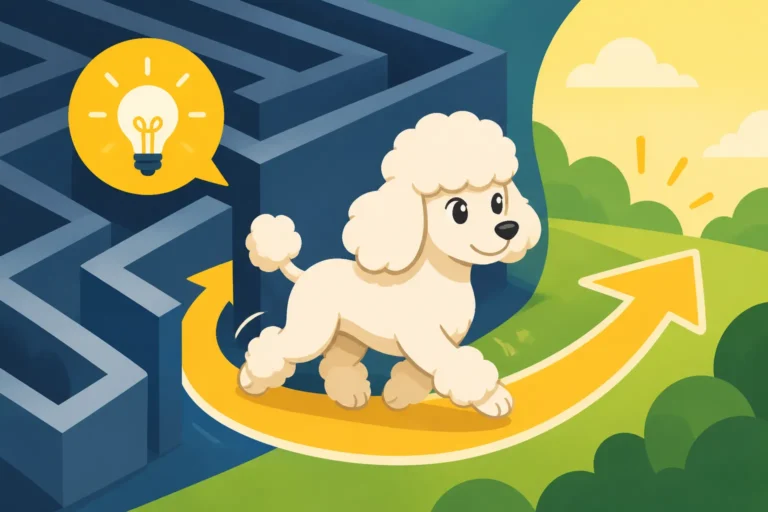
Poodle intelligence and working history explain why these clever dogs invent shortcuts to bypass trained cues and routines.
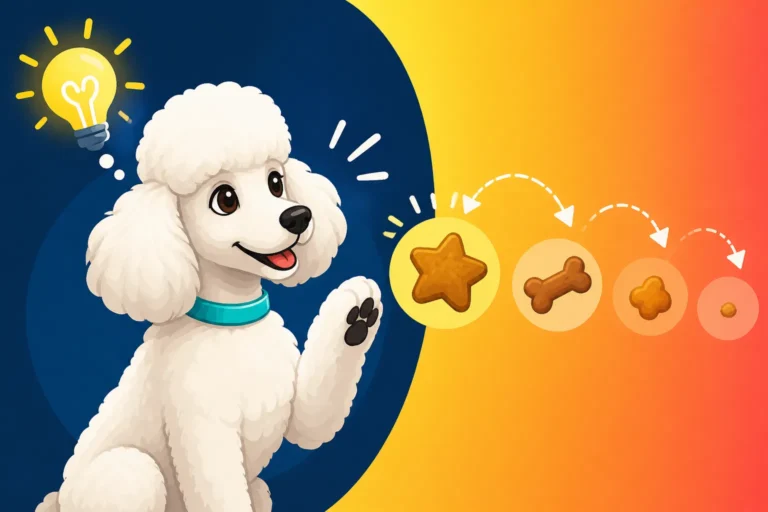
Fading out constant food rewards helps quick learning Poodles perform reliably without expecting treats every single time.
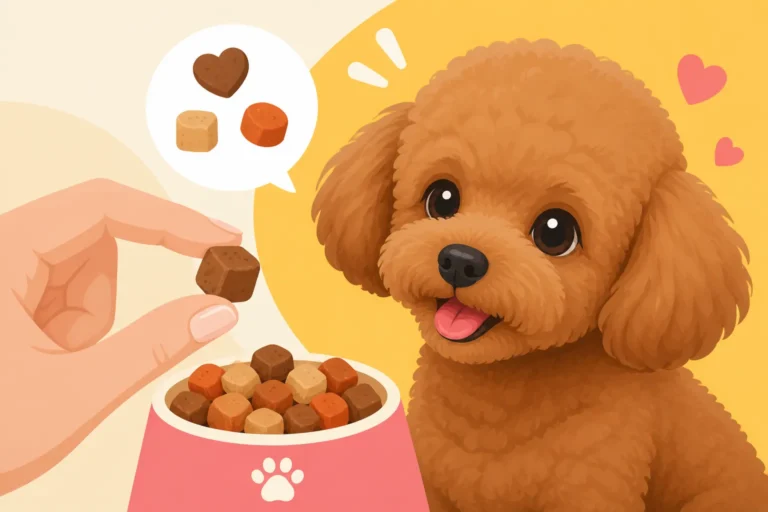
Toy Poodle treat selection requires pea sized portions and soft textures to prevent choking hazards and manage calories.