Whether Poodles Sulk
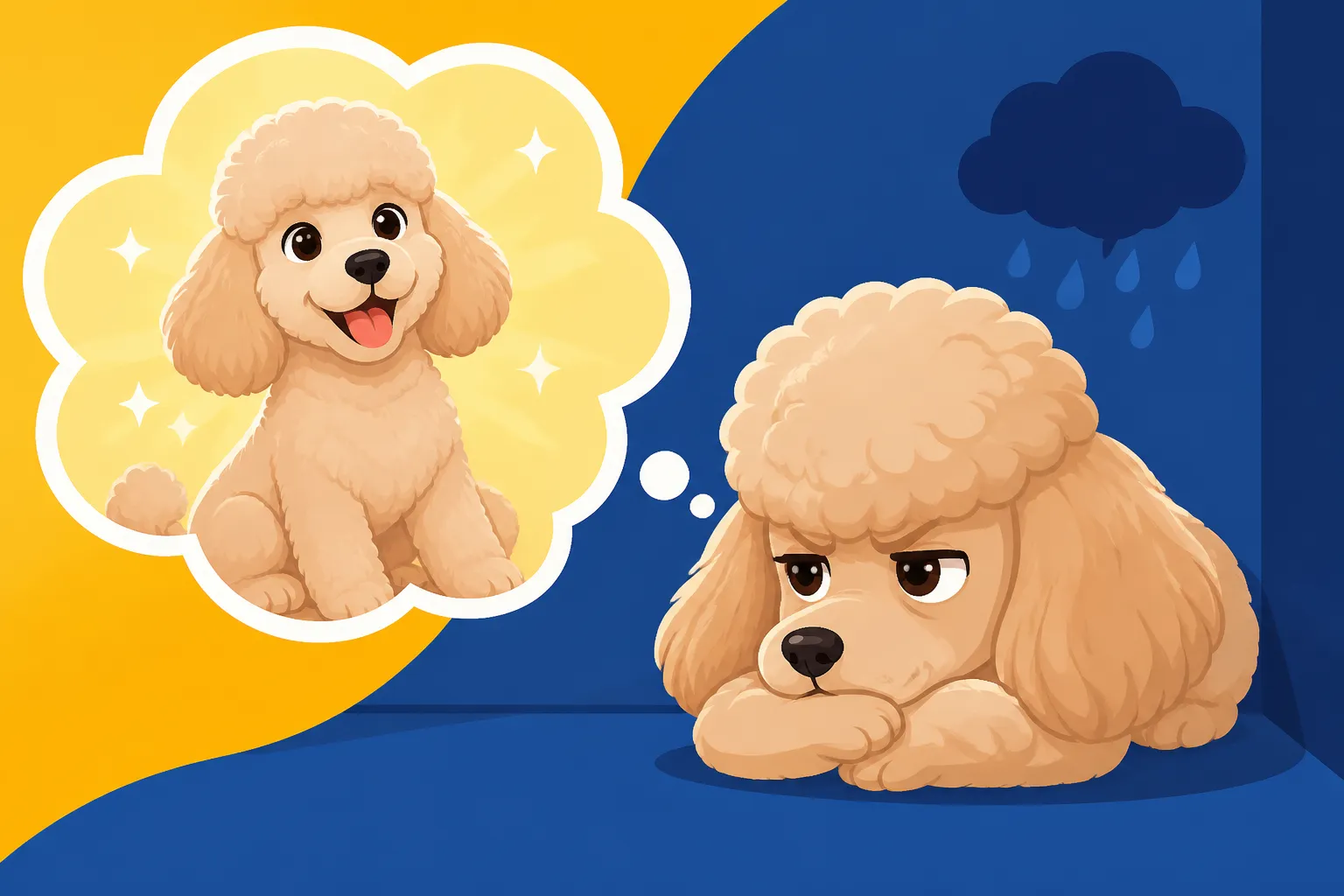
It’s a frustrating scenario many Poodle owners know all too well: you’ve just told your beloved companion "no" about something, maybe ended a game, or perhaps you've even had the audacity to leave the house for an hour, and when you return, they greet you with a deliberate sniff and a pointed turn of their head. They seem to eye you sideways, refuse to make direct eye contact, or choose to lie down with their back to you. It feels exactly like sulking, doesn’t it? This guide will dive deep into whether Poodles truly "sulk" like humans do, exploring the common behaviors that mimic this emotion and offering practical ways to understand and respond to your Poodle’s unique expressions of displeasure or confusion.
The Poodle's Emotional Landscape: Decoding Canine "Sulking"
Let's be honest, we've all been there: convinced our Poodle is giving us the cold shoulder. They lie dramatically on the rug, sighing deeply, or refuse to acknowledge our presence after a minor perceived slight. It can feel incredibly personal, making you wonder if your Poodle is holding a grudge. But while Poodles are incredibly intelligent and sensitive creatures, their emotional range, while complex, doesn't quite mirror the intricate, nuanced human emotion of "sulking."
It's Not Quite Human Emotion, But…
When we talk about sulking in humans, we mean a display of resentment, ill humor, or moody silence, often with the intent to make the other person feel guilty or to draw attention. Dogs, even brilliant Poodles, don't typically operate with such long-term, manipulative intent. Their emotional responses are more immediate and less abstract. What we interpret as sulking is usually a combination of observable behaviors rooted in their innate canine psychology. They might be expressing confusion, frustration, discomfort, or even a learned behavior that gets them attention.
For instance, a Poodle might appear to "sulk" by turning its back on you. In a human context, this is a clear signal of displeasure. For a Poodle, it could be a way to de-escalate perceived tension, a sign of being overwhelmed, or simply a comfort posture. Their communication is largely non-verbal and context-dependent. They might not understand why you're upset or why a certain privilege has been revoked, and their reaction is a response to the immediate perceived change in their environment or your mood. Understanding Reading a Poodle's Body Language can be incredibly insightful here, as subtle cues often tell a different story than what we project onto them.
Why Poodles Seem Especially Prone to "Miffed" Moments
Poodles, regardless of size – be it a regal Standard, a sprightly Miniature, or a delicate Toy – are renowned for their high intelligence and profound sensitivity. These traits, while making them incredibly trainable and wonderful companions, also contribute to why they might appear to sulk more often than other breeds. They pick up on subtle cues, changes in your tone, and shifts in routine with remarkable precision.
Their intelligence means they are quick to learn associations. If a certain "displeased" demeanor (like a dramatic sigh or a slow blink) once resulted in you trying to cheer them up, offering a treat, or lavishing them with attention, they've just learned a powerful lesson. They've discovered a way to influence your behavior, even if their initial action wasn't born of "sulking" but perhaps boredom or a momentary protest. This is where a Poodle's cleverness can work against us if we're not careful. For more on their cognitive abilities, you might find Why Poodles Learn a Cue in Five Repetitions an interesting read.
Moreover, their sensitivity makes them highly attuned to your emotions. If you're stressed, annoyed, or even just having a bad day, your Poodle will likely pick up on it. This can make them withdrawn or act in ways that might be misinterpreted as sulking, when in reality, they're reacting to your emotional state. They might feel uncomfortable or unsure how to react, leading them to retreat or act subdued. This sensitivity also means Why Harsh Handling Breaks a Poodle is particularly important to understand; a Poodle will not thrive under heavy-handed training methods and may develop fearful or withdrawn behaviors easily mistaken for a sulky attitude.
Decoding Your Poodle's "Sulky" Signals
So, if it's not truly sulking, what is your Poodle actually doing when they give you the cold shoulder? It's often a manifestation of clear canine communication, even if it’s wrapped in a package that looks suspiciously like human pouting. Learning to differentiate between these signals and understand their triggers is key to building a stronger bond and addressing the root cause.
Behavior Mistaken for Sulking
The classic "sulky" Poodle behaviors are varied and often quite theatrical. Here are some of the most common actions we interpret as pouting, and what they might actually signify:
- Ignoring You or Turning Away: This is perhaps the most common. You call their name, they glance briefly, then deliberately look elsewhere, or even turn their whole body away from you. This can be a sign of discomfort, a way to avoid conflict, or simply disinterest if they're bored. It could also be a learned behavior if this response has previously led to you engaging with them more to win them back over. A Poodle's subtle refusal to engage can also be a hint that they are feeling unwell, as they often hide discomfort. Reading Pain in a Sensitive Poodle explores this stoicism.
- Slinking Off to Another Room: They don’t just walk away; they slink, often with a low tail and a dejected posture, disappearing into another part of the house. This is frequently a clear sign of stress, feeling overwhelmed, or wanting to escape a perceived negative interaction (like a scolding). It's their way of creating distance and finding a safe space.
- Dramatic Sighs and Exaggerated Movements: Ever notice your Poodle collapsing onto the floor with a heavy sigh, or stretching with an air of profound weariness right after you’ve denied them something? This theatricality is often a result of past reinforcement. They might have learned that these actions elicit a sympathetic response or attention.
- Refusing to Engage in Usual Activities: If your Poodle usually loves fetch, but after a telling-off, suddenly looks at the ball with disdain, it’s easy to think they’re punishing you. More likely, they might be feeling too stressed or mentally preoccupied to engage in play, or they're just not in the mood. Their desire to play is immediate and linked to their current state, not a long-term strategy for emotional payback.
- Moping and Reduced Energy: A Poodle lying around more than usual, seeming listless, or generally "down" could be experiencing genuine emotional distress like anxiety, particularly if you've been absent (see Separation Anxiety in a Velcro Poodle), or it could even be a sign of an underlying health issue. Poodles are generally energetic, so a significant shift in energy should always be observed closely. Conditions like Hypothyroid Symptoms in a Poodle can sometimes manifest as lethargy.
Common Triggers
Understanding what triggers these "sulky" behaviors is crucial for addressing them effectively. It helps us see the world from our Poodle's perspective and respond with empathy and appropriate training.
- Scolding or Harsh Corrections: Poodles are incredibly sensitive to tone and body language. A loud voice, an angry glare, or any form of harsh physical correction can be deeply upsetting for them. Rather than truly "sulking," they might be showing fear, submission, or simply trying to avoid further negative interaction. Why Harsh Handling Breaks a Poodle directly addresses this.
- Being Ignored or Left Out: When you're busy with guests, absorbed in a task, or simply not paying them attention, a Poodle might develop behaviors that seem like sulking. They are social creatures who thrive on interaction. If their attempts to get attention are ignored, they might try more subtle, "pouting" methods, or they might genuinely feel lonely or frustrated.
- Changes in Routine: Poodles, like many dogs, appreciate routine. Unexpected changes, such as different feeding times, altered walk schedules, or rearranged furniture, can cause stress and confusion. Their "sulky" demeanor might be a manifestation of this anxiety or uncertainty.
- Boredom and Lack of Mental Stimulation: A highly intelligent breed like a Poodle needs its mind to be engaged. If they're not getting enough physical exercise or mental challenges, they can become bored and restless, which can manifest as lethargy, destructive behavior, or a general "miffed" attitude. Why a Clever Poodle Gets Bored highlights this important aspect of their care.
- Unclear Communication: If your Poodle doesn’t understand what you want or why you're reacting a certain way, they can become confused and frustrated. Their response might appear sulky, but it’s actually a sign of a breakdown in communication. This often happens if cues aren't consistent or if they're still learning. Training a Poodle That Outthinks You details how crucial clear communication is with such an intelligent breed.
- Post-Grooming Displeasure: Many Poodles tolerate grooming, but few truly love it. After a lengthy session, especially if it involved baths, blow drying, and clipping, they might exhibit a temporary "grumpy" phase. They might be tired, a little sore, or simply done with being handled. This isn't sulking in the human sense, but a natural, temporary reaction to a somewhat intrusive, if necessary, process.
Practical Approaches to Address "Sulky" Behavior
Now that we understand what might truly be going on behind those "sulky" Poodle eyes, how do we respond constructively? The key is to shift our perspective from human emotion to canine communication, and then to implement strategies that foster understanding, comfort, and positive engagement.
Enhancing Communication and Consistency
One of the biggest factors in what we perceive as sulking is often a lack of clear, consistent communication from our end. Poodles thrive on understanding their environment and what's expected of them.
- Be Clear and Consistent with Rules: Dogs don't understand nuances like "sometimes yes, sometimes no." If jumping on the sofa is not allowed, it should never be allowed. If it's okay some days and not others, your Poodle will become confused, and their frustrated reactions might look like sulking. Establish clear rules and ensure everyone in the household enforces them consistently.
- Use Positive Reinforcement: Poodles respond incredibly well to positive reinforcement. Instead of scolding or punishing "bad" behavior, focus on rewarding desirable behaviors. If your Poodle comes when called, even after a minor disagreement, praise and reward them enthusiastically. This teaches them that engaging with you is always a good thing, rather than something that might lead to an unpleasant interaction. Punishment can cause them to shut down or withdraw, which easily looks like sulking.
- Short, Clear Cues: Given their intelligence, Poodles can learn a vast vocabulary, but they excel with short, clear, consistent cues. Avoid long sentences or emotional pleas. "Sit," "Stay," "No," "Leave it" should be delivered calmly and firmly, not with anger or frustration in your voice, which they will certainly pick up on.
- Avoid Attributing Human Emotions: When your Poodle seems "miffed," avoid saying things like "Oh, he's just sulking," and then trying to cajole them with treats or excessive affection while they are displaying the unwanted behavior. This inadvertently reinforces the "sulky" behavior as a way to get attention. Instead, wait for a neutral moment, or for them to offer a more appropriate behavior, and then engage positively.
Enriching Their Environment
A Poodle's active mind and body require consistent engagement. Boredom is a major trigger for many unwanted behaviors, including those we mistakenly label as sulking.
- Mental Stimulation is Paramount: Poodles need jobs! Puzzle toys, sniffy mats, and training sessions can burn mental energy just as effectively as physical exercise. Consider hiding treats around the house for them to find, or teaching them new tricks. Scent Games That Stretch a Poodle's Mind can be a fantastic way to engage their brilliant noses. Amazon offers a wide variety of interactive toys and puzzle feeders that can keep a Poodle's brain happily working for a good chunk of the day.
- Adequate Physical Exercise: While Toy Poodles might not need miles of running, all Poodles, especially Standards and Miniatures, require regular, vigorous exercise. This isn't just a walk around the block; it's an opportunity to run, play, and explore. An under-exercised Poodle is often a bored, frustrated Poodle. Daily Exercise for a Standard Poodle and Daily Exercise for a Toy Poodle provide excellent guidelines.
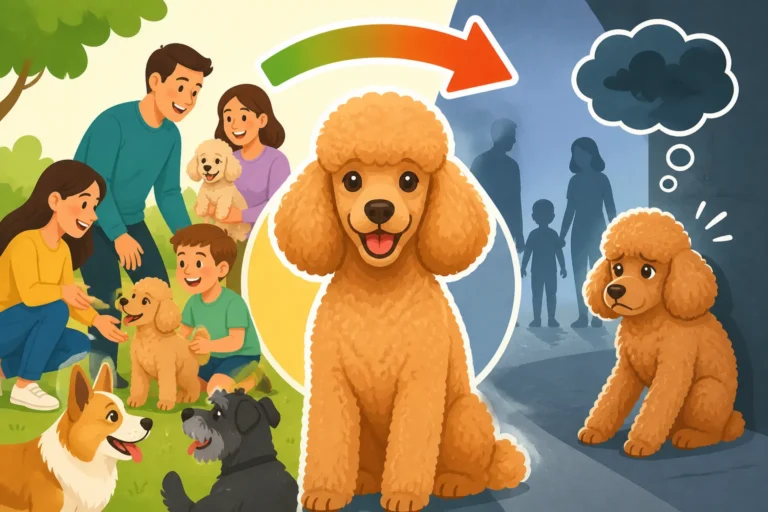
- Socialization and Exposure: Ensure your Poodle is well-socialized and regularly exposed to different environments, people, and other calm dogs. A Poodle that feels comfortable and confident in various situations is less likely to become stressed or withdrawn when facing minor changes or perceived slights.
- Structured Playtime: Instead of just letting them roam, schedule dedicated playtime. This could be a game of fetch, tug-of-war, or even a training session disguised as a game. This focused attention fulfills their need for interaction and strengthens your bond.
| Perceived "Sulky" Behavior | Common Underlying Canine Emotion/Reason | How to Respond Effectively |
|---|---|---|
| Turning away, avoiding eye contact | Feeling overwhelmed, trying to de-escalate, expressing mild discomfort, seeking space, past negative association | Give space, avoid direct confrontation. Re-engage calmly later with positive interaction. |
| Slinking off to another room | Stress, seeking a safe retreat, feeling anxious, discomfort. | Do not follow immediately; allow them to self-soothe. Check for physical discomfort. |
| Dramatic sighing, heavy body language | Learned behavior (gets attention), slight frustration, actual fatigue, seeking comfort. | Ignore the dramatics. Engage when they are calm and exhibiting neutral or positive behavior. |
| Refusing to play/engage | Boredom, low energy, slight emotional upset, not understanding the game, physical discomfort. | Try a different game/activity, offer mental stimulation, check for physical well-being. |
| Reduced appetite, quiet demeanor | Stress, anxiety, illness, major routine change, true emotional distress (e.g., severe separation anxiety). | Observe closely, consult a vet if prolonged. Reinforce routine. Offer enrichment. |
When "Sulking" Might Signal Something More
While most "sulky" behaviors are simply misinterpretations of normal canine communication, there are times when persistent withdrawal or a significant change in behavior warrants closer attention.
- Undiagnosed Pain or Illness: Poodles, being elegant and sometimes reserved, can be quite stoic when it comes to pain. A sudden onset of "sulking," lethargy, or refusal to engage could be a subtle sign that they are not feeling well. A trip to the vet is always wise if behavior changes are significant or prolonged and cannot be explained by environmental factors. Remember to monitor their eating and drinking habits closely.
- Anxiety or Fear: If your Poodle’s "sulking" seems more like genuine withdrawal, trembling, or hiding, it could be a sign of underlying anxiety or fear. This might be triggered by specific noises, new people, changes in the household, or even past negative experiences. For serious cases, you might need to consult a professional behaviorist or a vet who specializes in behavior.
- Learned Helplessness: In rare cases, if a Poodle has been subjected to inconsistent or harsh training, or lives in an environment where they feel they have no control, they might exhibit behaviors that resemble severe depression or learned helplessness. This is a serious issue that requires intervention from a qualified positive reinforcement trainer or veterinary behaviorist. Finding a Trainer a Poodle Will Not Shut Down For is vital in such scenarios. A good trainer, like those found through platforms like BAXTER & Bella, emphasizes positive methods and building confidence.
- Poodle Temperament and Sensitivity: Some Poodles are simply more sensitive than others, even within the breed. They might be quicker to pick up on slight changes in your mood or react more strongly to minor corrections. Understanding your individual Poodle's personality and respecting their inherent Poodle Temperament and Sensitivity is key. What might roll off another dog's back could genuinely affect a sensitive Poodle.
Ultimately, "sulking" in Poodles is a fascinating window into their inner world, prompting us to look beyond human labels and truly understand the rich tapestry of their communication. By being attentive, consistent, and empathetic, we can help our Poodles feel secure and happy, replacing perceived pouting with genuine engagement and affection.
Disclaimer
This article is for general informational purposes only and does not constitute professional advice. Laws, prices and regulations vary by location and change over time. Consult a qualified professional for guidance on your specific situation.