Cutting a Poodle Budget Without Cutting Grooms
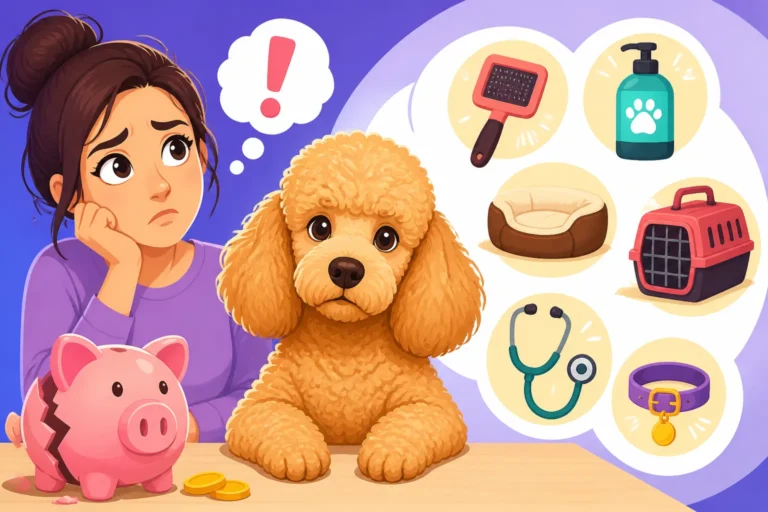
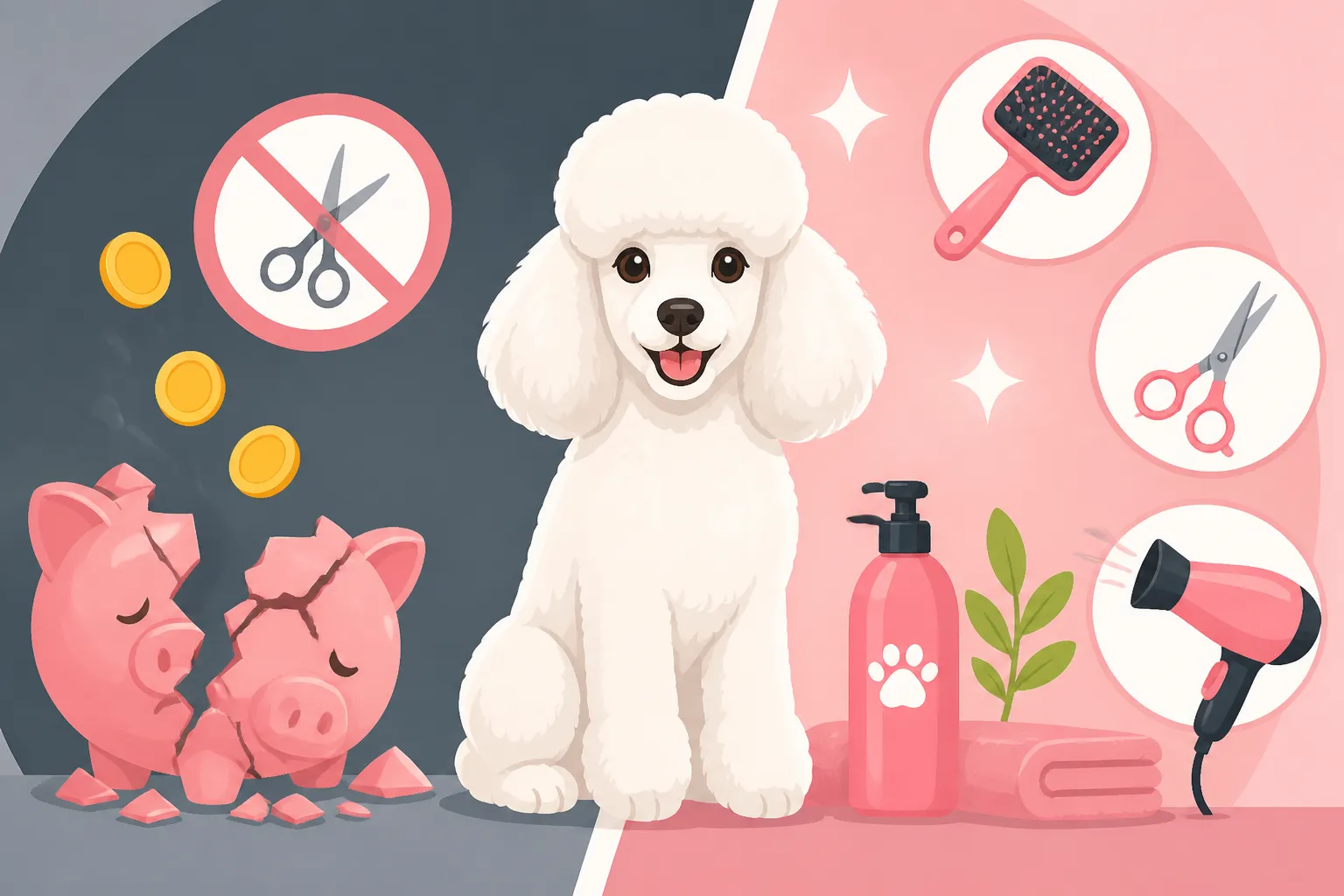
Bringing a Poodle into your life is an absolute joy, but let's be real: the financial commitment can feel like a surprise blizzard even when you thought you were prepared. Many Poodle parents worry constantly about managing the costs, especially the relentless expense of keeping that glorious coat in top condition. You want to provide the best for your furry family member without breaking the bank, and the good news is, it is possible to trim your Poodle budget wisely without ever skimping on their essential grooming or overall well-being. This guide will walk you through actionable, realistic strategies to keep your Poodle happy, healthy, and beautifully coiffed without the constant financial stress.
Understanding the True Cost of Poodle Ownership
It's easy to get swept up in the adorable puppy fluff, but Poodles, regardless of their size, come with a specific set of financial demands that can often catch new owners off guard. From their specialized grooming needs to their potential health considerations, understanding these costs upfront is the first step toward smart budgeting. It's not just about the initial purchase price; it's about the ongoing, everyday expenses that truly add up.
Beyond the Puppy Price Tag
When you first bring home a Poodle, whether it's a tiny Toy, a playful Miniature, or a stately Standard, the initial cost of the puppy itself is just the tip of the iceberg. Reputable breeders invest heavily in health testing, quality care, and early socialization, which is reflected in the price. However, once that initial transaction is done, you're faced with a whole new array of expenses. Think about the initial vet visits for vaccinations, deworming, and a general check-up. Then there's the crate, bowls, collar, leash, and a starter pack of toys. All these necessities can easily add hundreds, if not over a thousand, dollars to your budget in the first few weeks alone. Many owners often overlook these immediate follow-up costs, focusing too much on the purchase price.
Beyond the immediate setup, there are also ongoing training classes, especially for such intelligent and active breeds. A Poodle's sharp mind needs consistent engagement, and professional classes can be invaluable for proper socialization and obedience. While they are quick learners, consistent effort and sometimes expert guidance are crucial. Considering all this, it’s clear that the financial journey with a Poodle begins long before they even step paw in your home, and it extends far beyond that first happy meeting.
The Unavoidable Investment in Grooming
Let’s talk about the Poodle coat. It’s what makes them so iconic, so elegant, and, let’s be frank, so expensive to maintain. Unlike shedding breeds, Poodles have hair that continuously grows, much like human hair. This means it will mat if not brushed regularly and clipped every 4-8 weeks, depending on the desired length and coat type. The grooming isn't just for aesthetics; it's crucial for their health and comfort. Mats can pull at their skin, causing pain and even skin infections. This makes the investment in grooming truly unavoidable.
When you factor in professional grooming, the costs can range dramatically. A full-service groom for a Standard Poodle, for example, can easily run from $80 to $150 or more, depending on your location, the groomer’s experience, and the specific cut. For a Toy Poodle, you might pay a bit less, perhaps $60-$100. Multiply that by 6-12 times a year, and you can quickly see how this becomes one of the largest ongoing expenses. For a deep dive into this, you might find our article on what grooming adds to a poodle's lifetime cost particularly enlightening. It’s no wonder many Poodle owners feel the pinch in this area.
Smart Strategies for Reducing Grooming Expenses
The cost of keeping your Poodle perfectly coiffed can be daunting, but there are definite ways to make a dent in those bills without sacrificing your Poodle's comfort or health. It primarily comes down to a blend of embracing some DIY skills and optimizing your professional grooming appointments.
Embracing Home Grooming Basics
One of the most impactful ways to save money on Poodle grooming is to take on some of the routine maintenance yourself. This doesn't mean you need to become a master groomer overnight, but learning a few key skills can drastically reduce the frequency of professional visits. The absolute cornerstone of home grooming for any Poodle is daily brushing. Because their hair grows continuously and doesn't shed like other breeds, it's prone to matting. A thorough line brushing session a few times a week, or even daily for longer coats, prevents mats from forming, making your groomer's job easier and potentially reducing their charges for de-matting.
Beyond brushing, consider investing in a good quality pair of clippers and learning how to do basic trims. You don't have to tackle a show clip; simply keeping your Poodle in a neat, short puppy clip or a practical kennel clip can make a huge difference. You can learn to trim the face, feet, and sanitary areas at home, which are often the first places to get messy or overgrown. There are countless online tutorials, and many Poodle owners find that learning to clip a Poodle at home is an empowering and bonding experience. While the initial investment in clippers, blades, and a grooming table can be substantial, it will pay for itself many times over in saved professional grooming fees over your Poodle's lifetime. Remember to regularly clean and sharpen your blades, as dull blades can cause discomfort and poor results.
Optimizing Professional Grooming Visits
Even if you become proficient at home grooming, regular professional touch-ups are still highly recommended for Poodles to maintain proper coat health and sophisticated styling. The trick is to make these visits as cost-effective as possible. Instead of going for a full-service groom every month, consider alternating with "mini-grooms" or "bath-and-brush" appointments. During these intermediate visits, your groomer can focus on a thorough bath, blow-dry, nail trim, ear cleaning, and perhaps a quick tidy-up of the face, feet, and sanitary areas. This keeps the coat in excellent condition between full clips, preventing mats and reducing the time (and cost) of the more extensive appointments.
Communication with your groomer is also key. Be upfront about your budget and your home grooming efforts. A good groomer will appreciate your diligence and can work with you to create a schedule that balances professional care with your financial realities. They might offer advice on techniques or products for home use. Also, consider calling around to compare professional grooming costs by Poodle size in your area. Prices can vary significantly between salons, mobile groomers, and independent contractors. Some groomers offer loyalty programs or discounts for regular clients, so it never hurts to ask. By being proactive and strategic, you can ensure your Poodle always looks their best without enduring constant sticker shock.
Savvy Savings on Poodle Food and Nutrition
Feeding a Poodle, especially a Standard Poodle with their larger appetite, can be a significant monthly expense. However, there are smart ways to approach their diet that prioritize health and nutrition while keeping an eye on your budget. It's all about making informed choices and being a smart shopper.
Comparing Food Options and Buying Smart
The dog food market is saturated with options, from budget-friendly kibble to premium fresh food subscriptions. When feeding a Poodle by size, their caloric needs and specific nutritional requirements will vary. For instance, a growing Standard Poodle puppy needs a large-breed formula to support slow, steady growth and prevent joint issues, while a Toy Poodle might do better with a smaller kibble size. The key is to look beyond flashy marketing and focus on the ingredient list. High-quality protein should be the first ingredient, followed by wholesome grains or vegetables, and healthy fats. Often, mid-range brands can offer excellent nutrition without the premium price tag of boutique brands. Brands like Purina Pro Plan, Royal Canin, or Hill's Science Diet are often recommended by veterinarians and offer various formulas to suit different Poodle needs, often at a more accessible price point than some newer, trendier brands.
Once you’ve identified a few good options, it's time to shop smart. Buying in bulk is almost always more cost-effective for larger Poodles. Websites like Chewy or Amazon often offer significant discounts on larger bags and can deliver right to your door, saving you gas money and effort. Keep an eye out for sales, coupons, and loyalty programs. Some pet supply stores offer discounts if you subscribe to regular deliveries or purchase multiple bags. Comparing unit prices (cost per pound/kg) rather than just the bag price will give you a clearer picture of value. Also, consider the energy density of the food; a higher quality food might cost more per bag but require smaller serving sizes, ultimately lasting longer and offering better value. To learn more about specific dietary needs, our article on monthly food cost for a Toy Poodle offers helpful insights into portion control and budgeting for smaller Poodles.
DIY Treats and Supplement Savvy
Commercial dog treats, especially the "gourmet" varieties, can quickly add up. A simple way to save money and ensure your Poodle is getting healthy ingredients is to make your own treats. Many common human foods, when prepared correctly, make fantastic dog treats. Think sliced carrots, green beans, apple slices (without seeds), or small pieces of plain cooked chicken or sweet potato. These are often healthier, free of questionable additives, and much cheaper than store-bought options. You can also bake large batches of simple dog biscuits using oats, peanut butter, and pumpkin puree, then store them in an airtight container or freeze them for later.
When it comes to supplements, always consult your veterinarian first. While some supplements, like glucosamine for joint health in aging Standard Poodles or omega-3 fatty acids for coat health, can be beneficial, many over-the-counter options are unnecessary if your Poodle is on a balanced, high-quality diet. If your vet does recommend a supplement, explore human-grade options (again, with vet approval) as they are often more concentrated and cost-effective than their pet-specific counterparts. For example, fish oil capsules for humans can often be cheaper per dose than pet-specific formulations. By being mindful about treats and discerning with supplements, you can further trim your Poodle budget without compromising their nutritional well-being.
Cutting Down on Vet Bills Without Compromising Health
Vet bills can be one of the most unpredictable and substantial costs of Poodle ownership. From routine check-ups to unexpected emergencies, these expenses can quickly derail any budget. However, proactive care and smart financial planning can help mitigate these costs significantly.
Preventive Care as Your Best Defense
The old adage "an ounce of prevention is worth a pound of cure" is particularly true for Poodle health. Regular preventive care is the single most effective way to keep vet bills down in the long run. This includes annual wellness exams, up-to-date vaccinations, regular deworming, and consistent flea, tick, and heartworm prevention. During wellness exams, your vet can catch potential issues early, often before they become serious and expensive to treat. For instance, early detection of dental disease can prevent costly extractions down the line. Our piece on yearly routine vet spend for a Poodle outlines typical costs for these essential services.
Maintaining a healthy weight for your Poodle is also crucial. Obesity can lead to a host of health problems, including arthritis, diabetes, and heart disease, all of which require ongoing veterinary care. Ensuring your Poodle gets adequate daily exercise for a Poodle's body and mind and is fed appropriate portions will go a long way in preventing these issues. Don't forget the importance of dental hygiene at home too. Brushing your Poodle's teeth regularly can prevent plaque buildup and periodontal disease, reducing the need for professional dental cleanings under anesthesia, which can be quite expensive. Proactive measures, though they have an upfront cost, are generally far less expensive than treating advanced illnesses.
Navigating Pet Insurance Options
Even with the best preventive care, Poodles, like all breeds, can be prone to certain genetic conditions or simply experience unexpected accidents or illnesses. This is where pet insurance can be a literal lifesaver for your budget. While paying a monthly premium might seem like an added expense, it provides a safety net against potentially devastating veterinary bills. Conditions like Addison's Disease in Standard Poodles or luxating patellas in Toy Poodles can require extensive diagnosis and long-term treatment, racking up thousands of dollars in costs.
When choosing a pet insurance plan, do your homework. Compare coverage levels, deductibles, reimbursement percentages, and annual limits across different providers. Healthy Paws is one popular provider often praised for its comprehensive coverage and quick claims processing, covering accidents, illnesses, emergencies, and even hereditary conditions like those Poodles can face. Be mindful of waiting periods and pre-existing condition clauses. It's always best to enroll your Poodle when they are young and healthy, before any conditions manifest, to ensure maximum coverage. While no one wants to think about their beloved pet getting sick, having pet insurance, or at least a dedicated emergency savings fund, can provide immense peace of mind and allow you to make medical decisions based on your Poodle's needs, rather than solely on your wallet. For those specifically concerned about breed-specific ailments, reading about insuring a Poodle against Addison's and Bloat can offer valuable guidance.
Finding Deals on Poodle Gear and Supplies
Poodles, being intelligent and active, need a variety of toys and supplies to keep them engaged and comfortable. While it might feel like you're constantly buying something new, there are smart ways to source these items without draining your budget.
Smart Shopping for Toys and Beds
A bored Poodle can be a destructive Poodle, so providing ample mental stimulation through toys is essential. However, many Poodles are also adept at demolishing toys in record time, making the cost of replacement a recurring issue. To save money, look for durable toys designed for strong chewers, even if your Poodle isn't traditionally considered a "power chewer." Brands like Kong, Nylabone, or Planet Dog often offer toys that stand up to more vigorous play. Instead of buying many cheap toys, invest in a few high-quality, long-lasting ones. Also, consider rotating toys to keep your Poodle interested; putting some toys away for a few weeks and reintroducing them can make them feel new again.
When it comes to beds, comfort and durability are key. Poodles appreciate a cozy spot to curl up. While designer beds can be tempting, perfectly functional and comfortable options can be found at more affordable price points. Look for beds with removable, washable covers, as Poodles often track in dirt, and regular cleaning is a must. Shopping sales events, checking online retailers, or even discount stores can yield great finds. For example, Chewy frequently offers discounts on popular bed brands, and their customer reviews can help you gauge durability. Don't underestimate the power of a good, thick blanket in a sturdy dog crate as a comfortable and cost-effective sleeping solution too.
Thrifty Finds for Everyday Essentials
Beyond toys and beds, Poodles need a host of other everyday essentials, from leashes and collars to shampoo and ear cleaner. Instead of always buying brand new, explore thrift stores or online marketplaces for gently used items. Dog crates, for instance, are often sold secondhand in excellent condition for a fraction of their retail price. Just be sure to thoroughly clean and sanitize any pre-owned items before introducing them to your Poodle.
For consumable supplies like shampoo, conditioner, and ear cleaner, consider buying larger sizes of professional-grade products, which can often be more cost-effective in the long run. Our article on what a Poodle owner spends on blades and shampoo highlights the value of investing in quality grooming products. You might also find that local pet supply stores have loyalty programs that offer discounts after a certain number of purchases. Always check online reviews before buying a new product to ensure it's effective and safe for Poodles. By being a savvy shopper and not being afraid to look for deals, you can maintain your Poodle's quality of life without overspending on everyday necessities.
Lifestyle Adjustments to Lighten the Financial Load
Owning a Poodle isn't just about monetary expenses; it's also about time and lifestyle choices. By adjusting some routines and habits, you can often save money while simultaneously enriching your Poodle's life.
DIY Entertainment and Exercise
Poodles are highly intelligent and require significant mental and physical stimulation to prevent boredom and destructive behaviors. While expensive doggy daycares, agility classes, or professional dog walkers are great, they're not the only way to keep your Poodle engaged. Daily work for a Poodle's body and mind can be achieved through creative, low-cost means. Long walks, runs, or hikes in local parks or nature trails provide excellent physical exercise and mental stimulation from new sights and smells. If you have a Standard Poodle, they make fantastic running companions once fully grown.
For mental engagement, turn mealtime into a game with puzzle feeders or by hiding kibble around the house for them to sniff out. You can teach your Poodle new tricks using positive reinforcement and high-value treats (perhaps some of those DIY ones we discussed!). Scent games, where you hide treats or toys and encourage your Poodle to find them, are incredibly mentally taxing and cost absolutely nothing. Even simple games of fetch in the backyard can be incredibly satisfying for their retrieving instinct. By tapping into your Poodle's natural intelligence and energy, you can provide fulfilling activities without constant financial outlay.
Leveraging Community Resources
Your local community often holds hidden gems for Poodle owners looking to save money. Check if your local animal shelters or humane societies offer low-cost vaccination clinics, microchipping services, or even affordable training classes. These organizations are often non-profits and aim to make pet care accessible to everyone. Many communities also have dog parks where your Poodle can socialize and burn off energy for free, provided they are well-socialized and have good recall. Just be sure to supervise closely, especially if you have a smaller Toy Poodle around larger breeds.
Consider joining local Poodle owner groups or online forums. These communities can be fantastic resources for sharing tips on cost savings, finding recommendations for affordable vets or groomers, and even arranging playdates to save on individual dog walking or daycare. Sometimes, members might even swap gently used gear or share bulk purchases of food or supplies. Leveraging these community connections can create a supportive network and open doors to saving money that you might not have considered otherwise.
The Long-Term Budget: Planning for a Poodle's Lifetime
A Poodle's lifespan across the three sizes can range from 12 to 18 years, a beautiful commitment that necessitates long-term financial planning. Neglecting to prepare for future expenses can lead to difficult decisions down the line.
Anticipating Senior Care Costs
As Poodles age, just like humans, their health needs often increase. You might start noticing signs of arthritis in a twelve-year-old Poodle, requiring pain management or joint supplements. Cognitive decline can also set in, necessitating adjustments to their environment and potentially specialized diets or medications. Regular vet check-ups become even more crucial, often needing more extensive blood work or diagnostic tests to monitor organ function. These age-related conditions can lead to increased veterinary visits, prescription medications, and potentially specialized diets, all of which add to your monthly expenses.
Planning for these senior care costs well in advance is vital. This could mean adjusting your pet insurance to ensure comprehensive coverage for geriatric care or creating a dedicated savings account. Some owners find that having a cushion of several thousand dollars specifically for potential senior health issues provides peace of mind. Discussing potential age-related issues with your vet early on can help you understand what to anticipate and how to best prepare. Investing in comfortable orthopedic beds, non-slip mats for slippery floors, and ramps to help them access furniture can also improve their quality of life in their golden years, preventing injuries that could lead to even more significant vet bills.
Building an Emergency Fund
Beyond specific senior care, every Poodle owner should strive to build and maintain a dedicated emergency fund for unexpected events. This isn't just for Poodles, but for any pet. Accidents happen, and sudden illnesses can strike at any age. A Standard Poodle might suddenly develop bloat, a life-threatening condition requiring immediate, expensive emergency surgery. A Toy Poodle might ingest something harmful, leading to an emergency vet visit and possible hospitalization. These events can cost thousands of dollars, far exceeding what many people have readily available.
Aim to save at least $2,000-$5,000 specifically for pet emergencies. This fund acts as your own self-insurance policy. If you have pet insurance, this fund can cover your deductible or any co-payments not reimbursed by the policy. If you don't have insurance, it can be the difference between your Poodle receiving critical, life-saving care and facing heartbreaking financial limitations. Automate small transfers from your checking account to this emergency fund each month, and you'll be surprised how quickly it grows. Having this financial buffer not only protects your Poodle but also alleviates immense stress during already difficult times.
Disclaimer
This article is intended for informational purposes only and is not a substitute for professional veterinary advice, diagnosis, or treatment. Always seek the advice of your veterinarian or other qualified animal health provider with any questions you may have regarding your Poodle's health or medical conditions.