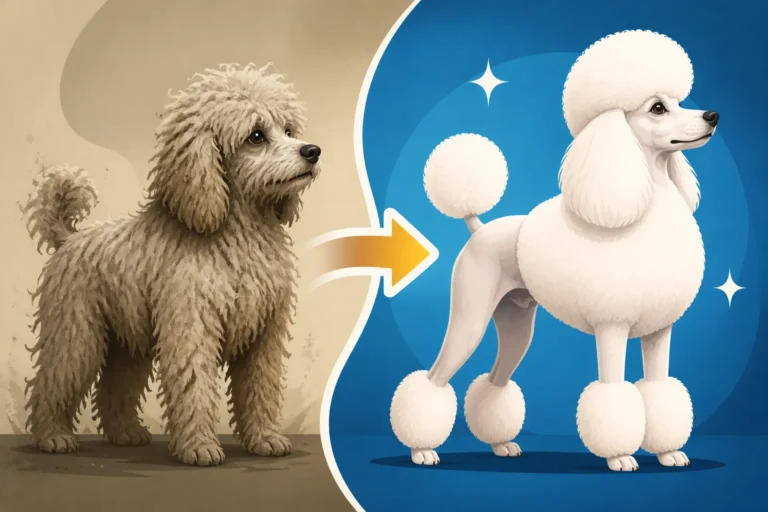
Poodle Versus Portuguese Water Dog
Choosing between a Poodle and a Portuguese Water Dog can feel like a delightful but tricky puzzle, especially when you're seeking a loyal, intelligent, and active canine companion. Many prospective owners find themselves torn between these two incredibly smart and energetic breeds, wondering which one will truly fit their home and lifestyle. This guide is here to untangle the nuances, offering a comprehensive look at what sets these two magnificent water dogs apart, beyond just their curly coats.
A Deep Dive into Their Shared Water Dog Heritage
It's no coincidence that Poodles and Portuguese Water Dogs are often mentioned in the same breath; both breeds boast a rich history rooted in working alongside humans in aquatic environments. Understanding their origins helps explain many of their innate traits and why they've evolved into the wonderful companions they are today. While their exact paths diverged over centuries, their fundamental purpose as water retrievers forged a similar set of physical and mental characteristics.
The Poodle's Ancient Waterfowling Roots
When you think of a Poodle, you might picture an elegant show dog with an elaborate haircut. But beneath that sophisticated exterior lies the heart of a robust water retriever. The name "Poodle" itself comes from the German word "Pudel," meaning "to splash in the water," which tells you everything you need to know about their original job. These dogs were bred centuries ago in Germany, specifically to retrieve ducks and other waterfowl for hunters. Their dense, curly, water-resistant coats protected them from cold water, while their intelligence made them highly trainable for complex retrieval tasks. The Water Dog Behind the Poodle delves deeper into this fascinating history.
This working background instilled in Poodles an incredible drive to please, exceptional problem-solving abilities, and a surprising athleticism that often goes unnoticed by those unfamiliar with the breed. They weren't just pretty faces; they were tenacious, agile hunters. The distinctive Poodle clips, often seen as mere fashion statements today, actually served a practical purpose in the field: to protect vital organs and joints from cold water while allowing freedom of movement. Why the Poodle Clip Was a Working Design explains how these clips were functional, not just fancy.
The Portuguese Water Dog's Maritime History
The Portuguese Water Dog, or PWD, also has a compelling maritime history, albeit one that placed them on fishing boats rather than in duck blinds. Originating from Portugal's Algarve region, these dogs were invaluable companions to fishermen, performing a myriad of tasks that were essential for life at sea. Their duties included herding fish into nets, retrieving lost tackle or broken nets, and even acting as couriers between boats or between boat and shore. They were literally "dog-powered fishing assistants."
Their robust build, webbed feet, and powerful swimming ability were perfectly adapted for their demanding aquatic role. Like Poodles, their single coat of hair is dense and water-resistant, designed to keep them warm even in the chilly Atlantic. This heritage means PWDs possess a strong work ethic, an adventurous spirit, and an undeniable love for water. They are built for endurance and thrive when given a job to do, echoing their past life alongside hardy sailors.
Temperament and Trainability: Beyond the Curl
Both Poodles and Portuguese Water Dogs are renowned for their intelligence, but how that intelligence manifests in their everyday temperament and trainability can differ significantly. Understanding these nuances is key to determining which breed will integrate best into your family's dynamic and expectations. Neither is a couch potato, but their approaches to life and learning often have distinct flavors.
Poodle Personality: Intelligent and Affectionate
Poodles are often lauded as one of the most intelligent dog breeds, frequently ranking near the top in studies on canine cognition. The Poodle's Place in Dog Intelligence highlights just how quickly they can grasp new commands and concepts. This high intelligence, coupled with their strong desire to please their humans, makes Poodles incredibly trainable. They excel in obedience, agility, and a wide array of dog sports, often picking up new tricks with surprising speed. However, this intelligence is a double-edged sword; a bored Poodle can quickly become a destructive Poodle, using their clever minds to get into mischief or develop undesirable behaviors.
Beyond their brains, Poodles are known for their affectionate and sensitive nature. They form deep bonds with their families and thrive on companionship, often becoming "velcro dogs" that follow their favorite humans from room to room. They tend to be reserved with strangers initially, observing before deciding to engage. Once they accept someone, they are generally warm and friendly. Their sensitivity means they respond best to positive reinforcement training methods; harsh corrections can cause a Poodle to shut down or become withdrawn. Whether you choose a Toy, Miniature, or Standard, these core personality traits remain consistent, though a Standard Poodle's energy might be more robust than a Toy's. Poodle Temperament and Sensitivity explores this in more detail.
Portuguese Water Dog Temperament: Energetic and Independent
Portuguese Water Dogs share the Poodle's intelligence, but their temperament often leans more towards an independent and boisterous spirit. They are incredibly energetic dogs, bred for long days of work, and they retain that drive for activity. PWDs are known for their zest for life, their playful antics, and their boundless enthusiasm. They tend to be more outgoing and less reserved with new people than Poodles, often greeting visitors with an enthusiastic wag and an inquisitive sniff.
While highly trainable, their independence means they require a consistent and firm, yet always positive, training approach. They can be strong-willed and will test boundaries if given the chance. PWDs thrive when given a "job" – whether it's participating in dog sports like agility or dock diving, going on long hikes, or even just retrieving toys from the pool. Without sufficient mental and physical stimulation, they can become bored, vocal, and sometimes destructive. Their independence means they might not be as constantly "on your lap" as some Poodles, but they are deeply loyal and form strong, loving relationships with their families, often expressing affection through playful nudges and energetic greetings.
| Trait | Poodle | Portuguese Water Dog |
|---|---|---|
| Intelligence | Extremely high, often ranked among the smartest | Very high, quick learners |
| Trainability | Eager to please, excels with positive methods | Highly capable, can be independent, needs consistency |
| Affection Level | Very affectionate, often "velcro" dogs | Affectionate, often playful, loyal |
| Energy Level | High, especially Standards; needs mental exercise | Very high, requires significant physical outlet |
| Stranger Admittance | Reserved initially, then friendly | Generally more outgoing and enthusiastic |
| Independence | Low to moderate | Moderate to high |
| Vocal Tendencies | Can be alert barkers if bored or untrained | Can be quite vocal (barks, whines) if bored |
Coats, Grooming, and Allergen Considerations
One of the most common reasons people consider both Poodles and Portuguese Water Dogs is their unique coats. Both breeds are often cited as being good choices for individuals with allergies, due to their continuous hair growth and minimal shedding. However, this non-shedding trait comes with significant grooming responsibilities that prospective owners must be prepared for. Neglecting their coats can lead to serious matting, skin issues, and discomfort for the dog.
The Poodle's Non-Shedding Coat and Grooming Demands
The Poodle's coat is famous for its dense, curly, non-shedding nature, making it a popular choice for those with allergies. Instead of shedding, the Poodle's hair continues to grow, trapping loose hairs within the curls. This means regular brushing is absolutely essential to prevent matting. Why a Poodle Coat Mats Instead of Shedding explains this process in detail. A Poodle needs to be brushed to the skin several times a week, ideally daily, using a slicker brush and a metal comb to ensure no tangles are forming deep within the coat.
Beyond daily brushing, professional grooming is a necessity for most Poodle owners every 4-8 weeks, depending on the desired clip and the speed of hair growth. This includes bathing, blow-drying, and clipping. Many owners learn to do some grooming at home to help manage costs and maintain their dog's comfort, but it's a significant time commitment. Investing in quality grooming supplies, like a good brush and comb from brands available on Chewy, is crucial. If a Poodle's coat is neglected, mats can become so severe that the only humane option is a complete shave-down, which can be stressful for the dog and expensive for the owner.
Portuguese Water Dog Coats: Curly vs. Wavy and Their Care
Portuguese Water Dogs typically come in two coat types: curly and wavy. Both are single coats, meaning they lack an undercoat, and like the Poodle's, they are considered non-shedding and hypoallergenic. The curly coat is dense and cylindrical, while the wavy coat is softer with a slight sheen and falls in loose waves rather than tight curls. Regardless of type, both PWD coats require consistent grooming to prevent matting.
Like Poodles, PWDs need regular brushing, ideally several times a week, to remove any loose hair trapped in the coat and prevent tangles from forming. Their coats can also mat quickly if neglected, especially in areas of friction like the armpits, behind the ears, and under the collar. Professional grooming is usually recommended every 6-8 weeks for a PWD. Many owners opt for a practical "retriever clip" or "lion clip" which keeps the coat at a manageable length, showcasing their strong, athletic build. Again, stocking up on essential grooming tools from a pet supply retailer like Chewy will make home maintenance much easier and more effective between professional visits.
Exercise Needs and Lifestyle Compatibility
Both Poodles and Portuguese Water Dogs are highly active breeds that require substantial exercise and mental stimulation to thrive. They are not content to be mere decorative pieces in the home; they need to be active participants in family life. If you're considering either breed, preparing for a commitment to their physical and mental well-being is paramount.
Keeping a Poodle Mentally and Physically Engaged
Poodles, especially the Standard variety, possess a surprising amount of energy and stamina. While Toy and Miniature Poodles can get sufficient exercise with daily walks and indoor play, Standard Poodles need more. An hour or two of vigorous exercise daily is often recommended, which can include brisk walks, jogging, swimming, or active playtime in a securely fenced yard. However, physical exercise alone isn't enough for these bright dogs. Daily Work for a Poodle's Body and Mind highlights the importance of combining physical activity with mental challenges.
Their intelligence demands mental engagement. Puzzle toys, training sessions, scent work, and participation in dog sports like agility, obedience, or rally are excellent ways to keep a Poodle's mind sharp and prevent boredom-induced behaviors. Poodles are quick learners and thrive on having a job to do. Without it, they can become anxious, destructive, or develop nuisance barking. They are excellent companions for active families who enjoy outdoor activities and are willing to invest time in training and mental enrichment.
Fulfilling the Portuguese Water Dog's High Energy Drives
Portuguese Water Dogs are powerhouse athletes with extremely high energy levels. Bred to work tirelessly all day on fishing boats, they retain that incredible stamina and need a significant outlet for their energy. Daily, vigorous exercise for a PWD means more than just a casual stroll around the block. They typically require at least 1-2 hours of intense activity per day, often broken into multiple sessions. This could involve running, hiking, long sessions of retrieving, or, true to their heritage, swimming. If you have access to safe swimming areas, a PWD will be in heaven.
Their adventurous spirit and independence also mean they excel in dog sports that challenge both their bodies and minds. Agility, dock diving, obedience, and even canine freestyle are fantastic outlets for a PWD's talents. Without adequate exercise and mental stimulation, PWDs can become very frustrated, leading to behaviors like excessive barking, chewing, digging, or even attempts to "herd" family members. They are best suited for active, experienced dog owners who have the time and dedication to provide consistent physical and mental challenges. A home with a securely fenced yard is often highly recommended to allow them space to burn off some steam.
Ultimately, both the Poodle and the Portuguese Water Dog are magnificent breeds, full of intelligence, loyalty, and energy. Your choice will depend on which set of traits aligns best with your lifestyle, your grooming commitment, and your experience with active, clever dogs. Regardless of your choice, be prepared for a devoted companion who will enrich your life in countless ways.
Disclaimer
This article is for general informational purposes only and does not constitute professional advice. Laws, prices and regulations vary by location and change over time. Consult a qualified professional for guidance on your specific situation.