Why Circuses Chose Poodles
Anyone who has spent time with a Poodle knows they are far more than just a pretty face with a fancy haircut. They are intensely intelligent, remarkably agile, and possess a certain flair that makes them stand out from the crowd. It’s no wonder, then, that for generations, circuses and traveling shows consistently turned to the Poodle as their star performer, recognizing a unique combination of traits that made them perfect for the spotlight. This guide will explore the specific qualities that positioned Poodles as the undisputed royalty of the circus ring, from their sharp minds to their striking looks and unwavering dedication to their trainers.
The Poodle's Brilliant Mind and Eagerness to Learn
One of the most undeniable reasons Poodles captivated circus trainers was their exceptional intelligence and almost uncanny ability to grasp complex commands and routines. These weren't just dogs doing simple tricks; they were performing intricate sequences that required memory, problem-solving, and precise execution.
Rapid Comprehension and Retention of Cues
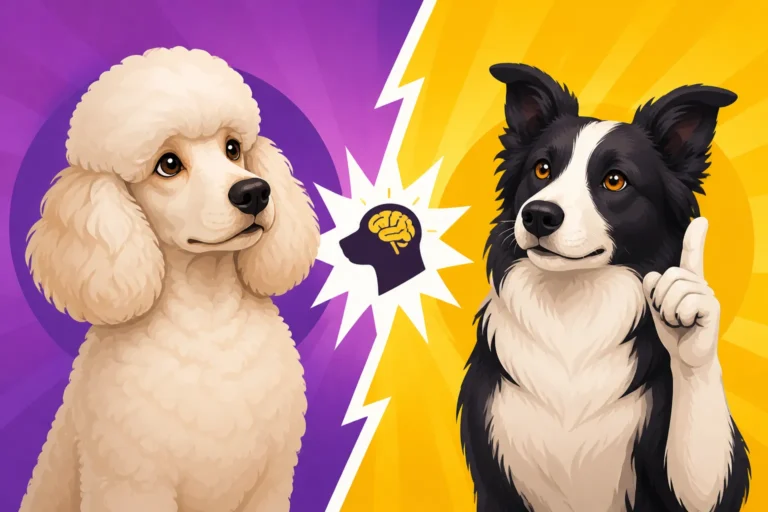
Poodles are renowned for their quick wit, often ranking among the most intelligent dog breeds. This isn't just anecdotal; studies have consistently placed them near the top for obedience and working intelligence. In a circus setting, this trait was invaluable. Trainers often had limited time to teach animals new acts before moving on to the next town. A Poodle could pick up a new cue in a fraction of the repetitions needed by other breeds, making the training process incredibly efficient. They didn't just learn what to do; they seemed to understand why and could anticipate the next step in a sequence. This rapid learning curve meant trainers could develop a vast repertoire of tricks and acts, keeping audiences enthralled with ever more elaborate performances. It also meant less frustration for both trainer and dog, fostering a stronger bond essential for high-stakes live shows. If you're curious about how quickly they learn, you might find The Cues a Poodle Picks Up in a Week fascinating.
Problem-Solving and Adaptability in the Ring
Circus life is unpredictable. A change in venue, an unexpected noise, or a shift in the trainer's timing could throw a less adaptable animal off its game. Poodles, however, possess a remarkable capacity for problem-solving. If a prop was slightly out of place or a jump wasn't quite right, a Poodle was often able to adjust on the fly, using their intelligence to navigate the situation and complete the act successfully. This wasn't just about rote memorization; it was about genuine understanding and the ability to think under pressure. They thrived on mental stimulation, and the challenge of mastering new routines and performing them flawlessly was often a rewarding "job" for them. This mental resilience meant fewer missed cues and a more consistent performance, which is exactly what a circus owner needed from their star attractions. They are the kind of dog who, if their brain is idle, will find ways to entertain themselves, often leading to behaviors you might not appreciate, as explored in What a Poodle Does When Its Brain Is Idle.
The Poodle's Desire to Work and Please
Beyond their intelligence, Poodles have a strong inherent drive to work alongside humans and a profound desire to please their handlers. This isn't unique to Poodles, but in combination with their other traits, it creates a powerful synergy for training. They form deep bonds with their trainers and genuinely seem to enjoy the collaborative process of learning and performing. This desire to please meant they were highly motivated by positive reinforcement – a kind word, a gentle stroke, or a tasty treat. This eagerness made them excellent partners, as they weren't just going through the motions; they were actively engaged and invested in the performance. This biddability, coupled with their intelligence, allowed trainers to push the boundaries of what was thought possible for dog acts, leading to the sophisticated routines that wowed audiences under the big top. For anyone thinking of getting a Poodle, understanding The Poodle Character is crucial to managing their innate drives.
Striking Appearance and Versatility in Performance
While intelligence and trainability were paramount, a circus performer also needed to look the part. Poodles, with their distinctive coats and varying sizes, offered a visual appeal and adaptability that few other breeds could match.
The Iconic Coat and Its Theatrical Potential
Let's be honest: a Poodle's coat is magnificent. It's thick, curly, and holds shape, which meant it could be sculpted into an endless array of dramatic and whimsical clips. The iconic "Continental clip," often associated with show Poodles today, actually has roots in the Poodle's working past, designed to protect joints and vital organs in cold water while allowing free movement. In the circus, this translated into incredible costume potential. Trainers could dye their Poodles' coats vibrant colors, shave them into intricate patterns, or adorn them with bows and glittering accessories. A Poodle could be transformed into a lion, a clown, or a fantastical creature simply through the artistry of grooming. This visual spectacle was a huge draw for audiences, adding to the magic and wonder of the circus. The Poodle's coat truly is a marvel, and understanding The Poodle Coat and Why It Never Stops Growing reveals just how much work goes into maintaining that theatrical potential.
| Trait | Circus Benefit (Appearance) | Circus Benefit (Performance) |
|---|---|---|
| Non-shedding Coat | Hypoallergenic for performers, easily styled and dyed | Less mess in the ring, holds elaborate clips |
| Varying Sizes | Toy: Cute, easy to handle, small props. Standard: Impressive, jumps, larger acts | Adaptable to different act types and staging |
| Elegant Gait | Visually graceful, adds refinement to choreographed movements | Complements intricate footwork and synchronized routines |
| Alert Expression | Engages audience, conveys enthusiasm | Reflects intelligence and focus on the trainer |
Size Versatility for Diverse Acts
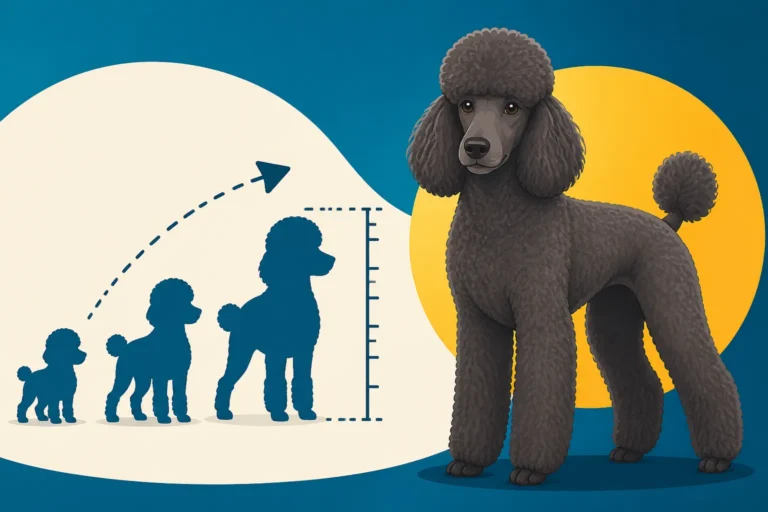
One of the great advantages of the Poodle breed is its range of sizes: Toy, Miniature, and Standard. This versatility meant that circuses could select Poodles perfectly suited for different types of acts and staging. Toy Poodles, small enough to be carried in baskets or balance on tightropes, offered adorable, charming acts. Miniature Poodles provided a nimble, energetic presence, ideal for jumping through hoops or performing synchronized routines. Standard Poodles, with their impressive stature and powerful build, commanded attention in more daring acts, jumping over hurdles, working with larger props, or even being ridden by small children or other animals in elaborate tableaux. This array of sizes allowed for a wide spectrum of acts, from the delicate and intricate to the grand and spectacular, all featuring the recognizable Poodle charm. It really underlines Why Poodle Health Splits by Size, as different sizes come with different physical characteristics and predispositions.
Natural Grace and Athleticism
Despite their often-foofy reputation from exaggerated grooming styles, Poodles are inherently athletic and graceful dogs. Their original purpose as water retrievers required strength, agility, and endurance, traits that translated perfectly into the demands of circus performance. They move with an elegant spring in their step, making them natural dancers and jumpers. Their strong hindquarters allowed for powerful leaps and impressive balances. This natural athleticism meant that the physically demanding routines of the circus came more easily to them than to many other breeds. They could jump higher, balance longer, and move with a fluidity that was captivating to watch. Combined with their keen intelligence, their physical capabilities allowed trainers to choreograph truly spectacular and memorable acts. Even today, Poodles excel in dog sports like agility and obedience, proving their enduring athletic prowess, as shown in Dog Sports a Poodle Excels At.
The Poodle's Resilient Temperament Under Pressure
Circus life is not for the faint of heart. Constant travel, new environments, loud noises, flashing lights, and the intense pressure of live performance require a dog with a specific kind of resilient and adaptable temperament. Poodles, perhaps surprisingly to some, possess this in spades.
Biddability and Focus on the Trainer
A successful circus act relies heavily on the dog's ability to maintain focus on its trainer amidst distractions. Poodles, with their strong desire to please and their natural biddability, excel at this. They form incredibly strong bonds with their handlers, often becoming "Velcro dogs" who thrive on interaction and direction. This intense connection meant that even in a bustling arena filled with hundreds of spectators and orchestral music, a Poodle would keep its eyes locked on its trainer, awaiting the next signal. Their sensitivity, often mistaken for fragility, actually makes them highly responsive to subtle cues from their handler, allowing for seamless and seemingly magical performances. This deep bond is why The Poodle That Follows You Everywhere is such a common phenomenon among Poodle owners.
Emotional Resilience and Confidence
While Poodles are sensitive and respond best to positive reinforcement, they also possess a remarkable emotional resilience. They can handle the stresses of travel, new sights and sounds, and the high-energy environment of a circus. They generally have a confident demeanor, especially when they understand their role and trust their trainer. This confidence, cultivated through consistent, positive training, allowed them to perform without undue anxiety or fear. A nervous dog would quickly falter in the ring, but a well-trained Poodle would strut out with an air of self-assurance, ready to perform. They seemed to relish the attention and the challenge, demonstrating a genuine joy in their work that resonated with audiences. This adaptability and confidence made them reliable performers, night after night, which was critical for any touring show. For anyone starting training, understanding Teaching a Poodle to Stand for the Groomer applies this principle to a different context but highlights the importance of confidence-building.
Enjoyment of the Spotlight and Performing
Perhaps the most charming trait that made Poodles perfect for the circus was their apparent enjoyment of the spotlight. They were performers at heart. Many Poodles genuinely seem to revel in showing off their skills and receiving applause. They have a certain theatricality, a "look at me!" quality that is endearing and captivating. This isn't to say every Poodle craves the stage, but the personality traits common to the breed—their intelligence, their desire for interaction, their playful spirit—all lend themselves to an animal that enjoys engaging with an audience and performing tricks. They weren't just working for treats; they were often genuinely having fun, and that infectious enthusiasm was a huge part of their appeal. Many owners even find their Poodles inventing their own little routines at home, suggesting that innate desire to entertain. When considering items for enrichment, even simple things from Chewy, like puzzle toys, can tap into that love for engagement and problem-solving.
Historical Context of Poodles in Performance
The Poodle's association with circuses and entertainment isn't a modern phenomenon; it dates back centuries, evolving from their working roots.
From Water Retriever to Show Dog
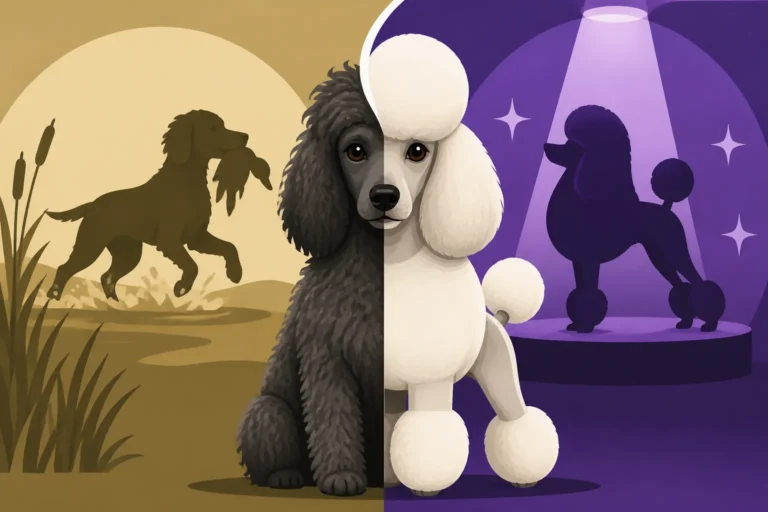
Originally, Poodles were bred as skilled water retrievers in Germany, excelling at fetching downed fowl from icy waters. Their distinctive coats and athletic build were functional assets for this demanding work. However, as the need for retrieving dogs waned, people began to recognize their intelligence and striking appearance. It wasn't long before street performers and traveling entertainers discovered their potential. They were inexpensive to feed compared to larger farm animals, easy to transport, and incredibly quick to train. The transition from a utilitarian working dog to a beloved performer happened quite naturally, as their inherent traits were simply redirected from the hunt to the stage. This shift highlights the breed's incredible adaptability and intelligence, allowing them to thrive in vastly different roles. The Water Dog Behind the Poodle delves deeper into their origins.
Early European Circuses and Variety Shows
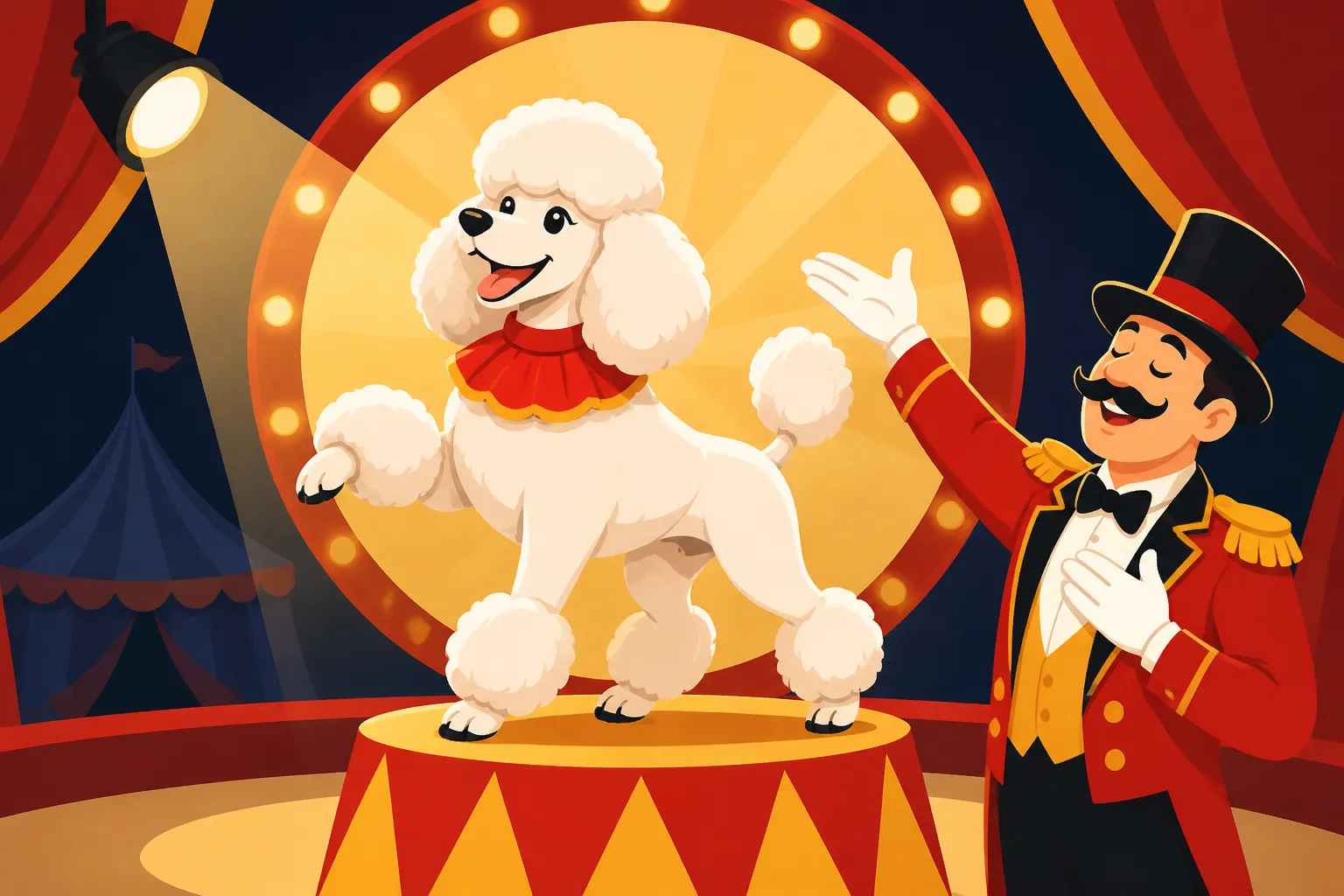
Poodles began making appearances in European circuses and variety shows in the 18th and 19th centuries. They were often dressed in elaborate costumes, taught to walk on their hind legs, jump through hoops, and perform complex comedic sketches. These early acts were hugely popular, and the Poodle quickly became synonymous with dog acts. Their ability to learn intricate sequences and their striking visual appeal made them perfect for entertaining the masses. The versatility of their size also played a role; a troupe might feature several Poodles of different sizes, performing a coordinated routine that showcased the breed's full range. If you wanted to teach a Poodle a simple trick today, you'd probably pick up some tasty, small treats from Chewy, just as trainers centuries ago understood the importance of motivation.
The Poodle's Enduring Legacy in Entertainment
Even as traditional circuses have evolved and animal acts have become less common, the Poodle's legacy as a top performer endures. They are still widely recognized for their intelligence and flair in modern dog sports, obedience trials, and therapy work. The qualities that made them circus stars—their trainability, athleticism, and captivating presence—continue to make them outstanding companions and competitive dogs today. The skills honed in the circus ring now manifest in different ways, but the core essence of the Poodle as an intelligent, biddable, and charismatic dog remains unchanged. Modern Poodle owners benefit from this heritage, finding their dogs incredibly responsive to training, whether for simple household manners or advanced competitive events. For those interested in their competitive nature, Poodle Obedience and Rally Titles demonstrates their continued excellence.
Disclaimer
This article is for general informational purposes only and does not constitute professional advice. Laws, prices and regulations vary by location and change over time. Consult a qualified professional for guidance on your specific situation.