Why a Sensitive Poodle Hides Illness
It's an utterly heartbreaking and often frustrating experience to realize your beloved Poodle has been silently suffering, hiding their discomfort or illness from you. We pour so much love and attention into our dogs, yet Poodles, with their unique blend of intelligence and sensitivity, have a remarkable — and sometimes worrying — knack for masking when they're not feeling their best. This guide will delve into the profound reasons behind this seemingly stoic behavior, offering insights into why your sensitive Poodle might be keeping their pain under wraps and, more importantly, how you can become a detective to uncover those hidden signs before a minor issue becomes a major crisis.
The Poodle's Innate Sensitivity and Stoicism
Poodles are often celebrated for their intelligence and elegant demeanor, but beneath that sophisticated exterior lies a deeply sensitive soul. This sensitivity, while making them incredibly attuned companions, also plays a significant role in their tendency to hide illness or pain. It's not that they don't trust you; it's a complex interplay of instinct, temperament, and even learned behavior.
A Breed Designed to Please, Not Complain
From their origins as retrieving water dogs, Poodles were bred to be attentive and eager to please their handlers. This strong desire to work in harmony with humans often translates into a dog that tries its best to "be good" even when feeling unwell. A Poodle might instinctively believe that showing weakness or pain could lead to disappointment or a change in routine, which they, being creatures of habit and emotional connection, tend to avoid. They thrive on positive interaction and stability, and a disruption, even one caused by their own discomfort, can be something they try to suppress.
Think about it: a working dog in its natural environment wouldn't openly display weakness, as that could make them vulnerable to predators or challenge their place within a pack dynamic. While our Poodles live pampered lives, those deep-seated instincts are still there. They don't want to appear "broken" or less capable. Instead, they might push through minor aches or a general feeling of malaise, attempting to maintain their usual cheerful disposition and participate in family activities, even if it's clear something isn't quite right to the observant eye. This eagerness to please can inadvertently become a barrier to early detection of health issues, as they put on a brave face for those they love. This trait is particularly noticeable when compared to some other breeds that are more overt in their expressions of pain. Understanding this unique aspect of their temperament is the first step in being a better advocate for their health. You might even find yourself wondering if a behavior is just sulking, when in reality, Poodle Addison's mistaken for sulking can mask a serious health condition.
The Subtle Language of a Poodle in Discomfort
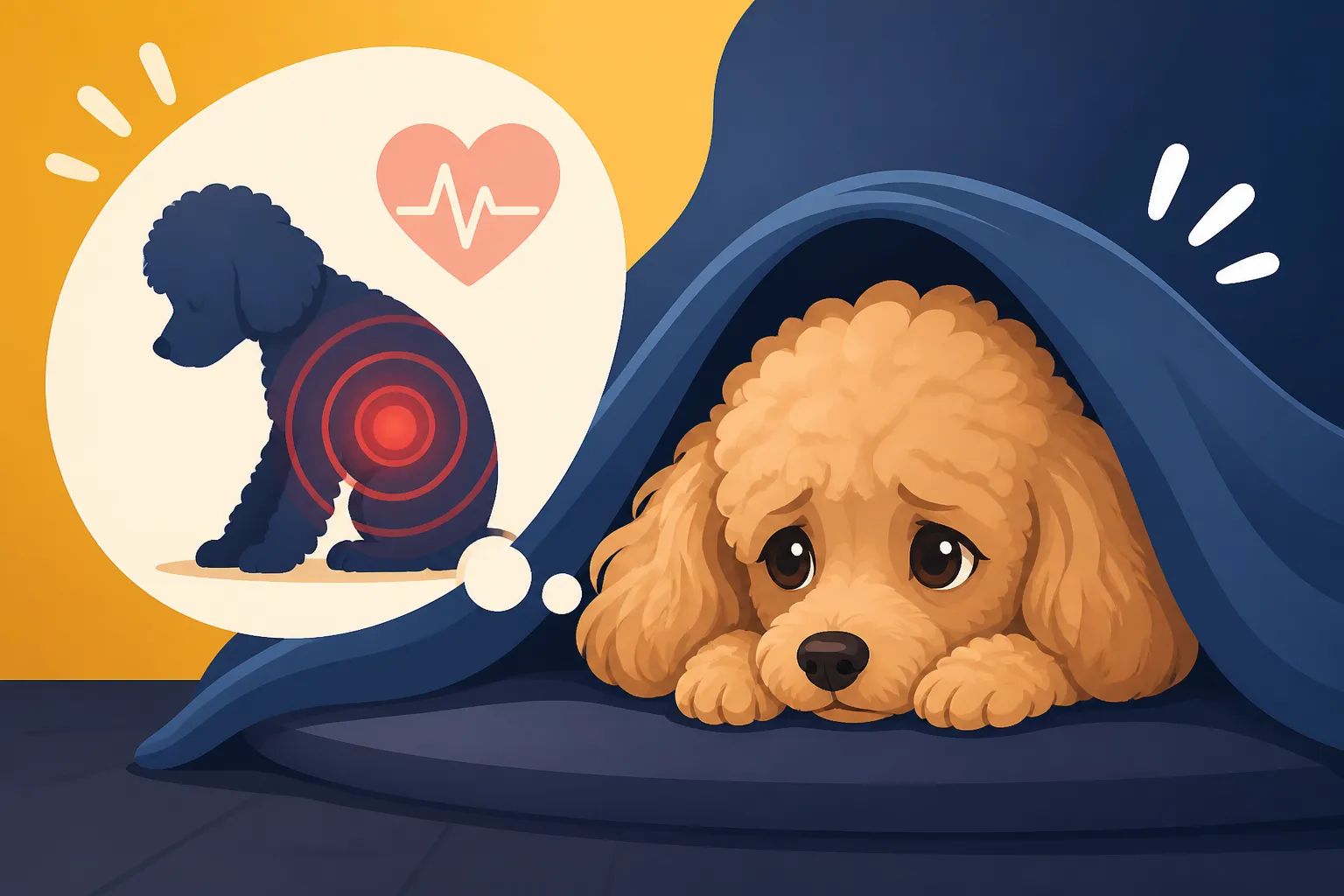
Because of their sensitive nature, Poodles often communicate discomfort through incredibly subtle cues, rather than overt cries or limps that might be obvious in other breeds. It’s almost as if they speak in whispers when they're feeling poorly, expecting you to pick up on the nuanced changes in their routine, energy levels, or even their facial expressions. They aren't going to howl in agony over a tummy ache, but they might refuse a favorite game or simply choose to lie down in a slightly different spot, perhaps isolating themselves subtly.
For example, a Poodle experiencing mild joint pain might not outright limp, especially in the earlier stages. Instead, you might notice they're a little slower to get up from their bed in the morning, or they might hesitate before jumping onto the sofa, even if they used to leap up without a second thought. Perhaps their tail wags a little less enthusiastically, or their eyes, usually bright and inquisitive, seem a touch duller. These are not dramatic signs, which is precisely why they're so easy to miss amidst the hustle and bustle of daily life. Owners who understand how to truly observe their Poodle's typical behavior and body language have a significant advantage in catching these early warning signs. Learning to "Reading Pain in a Sensitive Poodle" is an invaluable skill, and it often means looking for what isn't happening, rather than what is. It’s about noticing the absence of their usual zest or the slight modification of a routine behavior that seems innocuous on its own.
Common Reasons Poodles Mask Pain or Sickness
The reasons behind a Poodle's tendency to conceal illness are multifaceted, stemming from both ancient survival instincts and the unique way they interact with their human families. It's not a deliberate attempt to deceive, but rather a deeply ingrained behavioral pattern.
Instinctual Drives and Vulnerability
At their core, Poodles, like all dogs, carry the genetic legacy of their wild ancestors. In the wild, showing weakness or pain is a dangerous proposition. A visibly injured or sick animal becomes an easy target for predators and a potential burden on its pack. While our Poodles live comfortably in our homes, far removed from these primal threats, the instinct to suppress signs of vulnerability persists. This stoicism is a survival mechanism, a silent declaration of "I am strong, I am well, I am not an easy target."
This instinct can manifest in various ways. A Poodle might continue to eat, albeit perhaps a little less eagerly, even if their stomach is upset, because refusing food is a strong signal of distress. They might try to keep up on a walk despite discomfort, pushing past their limits rather than slowing down, to avoid appearing weak. This is especially true for working lines or highly driven Poodles who have a strong desire to participate. This tendency to hide sickness is why regular, thorough vet check-ups are absolutely crucial, because a professional eye can sometimes spot what even the most devoted owner might miss when their dog is actively trying to appear fine. Organizations like Healthy Paws pet insurance often emphasize the importance of these routine wellness visits for early detection, precisely because dogs are so good at masking issues like the early, subtle signs of bloat in a Standard Poodle, which require swift action once detected.
The Role of Past Experiences and Environment
Beyond instinct, a Poodle's individual experiences and their immediate environment can also shape their willingness to show discomfort. A Poodle who has experienced pain that was followed by an unpleasant vet visit (even if necessary and well-intentioned) might learn to associate showing pain with that negative outcome. They might, in their intelligent way, connect their limping to a car ride and a needle, and therefore try to hide the limp. This isn't rational in a human sense, but it's a very real learning process for a dog. It’s a bit like why harsh handling breaks a Poodle; their sensitivity makes them remember negative associations keenly.
Furthermore, the dynamics within a multi-pet household can influence this behavior. In a home with other dogs, a Poodle might feel a subtle pressure to maintain their position or not appear weak amongst their canine companions, even if the other dogs are beloved family members. A smaller Toy Poodle, for example, might be particularly adept at masking discomfort if they feel they need to compete for attention or resources with a larger, more boisterous dog. Even the owner's reaction can play a role; if an owner tends to inadvertently reinforce stoicism (e.g., praising a dog for "being brave" when it's clearly hurting), the Poodle might learn to suppress those outward signs. It's important for us as owners to create an environment where our Poodles feel safe and understood enough to communicate their needs, even if that communication is subtle. This means being consistently gentle, observant, and never punishing them for showing signs of pain or illness. Knowing What New Poodle Owners Forget to Budget often includes the unexpected costs of investigating subtle symptoms.
How to Spot the Faintest Signs of Trouble
Given their propensity for concealment, truly understanding your Poodle and becoming a diligent observer is paramount. It's about looking beyond the obvious and tuning into the subtle shifts that signal underlying issues.
Behavioral Shifts That Act as Red Flags
The most telling signs of a Poodle hiding illness are often behavioral changes. These shifts can be so slight that they’re easy to dismiss as just a "quirk" or a bad mood, but for a creature of habit like a Poodle, any deviation from their norm is worth investigating.
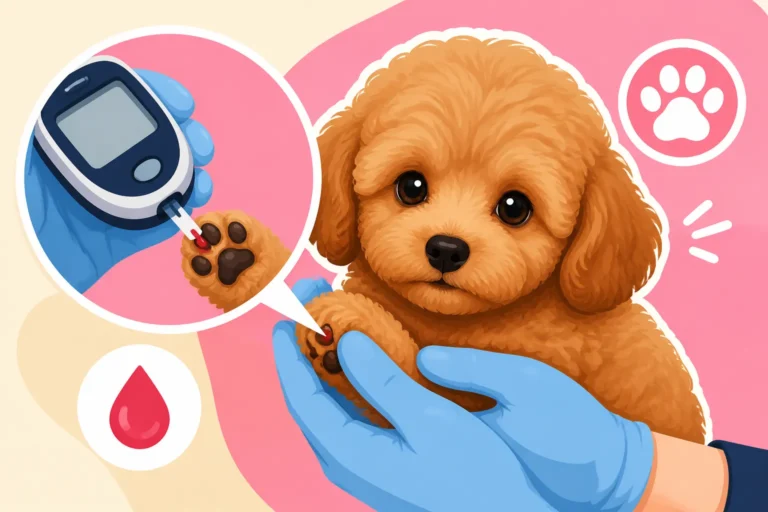
- Changes in Appetite or Thirst: While a sudden refusal to eat is a clear red flag, a Poodle might just show a decreased enthusiasm for food, take longer to finish meals, or only pick at their kibble. Similarly, an increase or decrease in water intake could signal issues ranging from kidney problems to diabetes. Pay attention to how quickly their bowl empties or if they're making more trips to the water dish.
- Altered Sleep Patterns: Is your Poodle sleeping more than usual, or in unusual places? Or perhaps they're restless at night, pacing, or unable to settle comfortably. This could indicate pain that makes lying down difficult or an internal discomfort that keeps them awake.
- Reluctance to Engage: Your Poodle, normally eager for walks or a game of fetch, might suddenly seem less interested. They might avoid eye contact, withdraw from petting, or decline invitations to play. A Poodle energy by size can vary significantly, but any departure from their typical activity level is cause for concern.
- Changes in Potty Habits: Any alteration in urination or defecation frequency, consistency, or location should raise an alarm. Accidents in the house for a previously house-trained Poodle are a strong indicator that something is physically amiss, as they are not usually a result of "spite."
- Increased Irritability or Anxiety: A Poodle who is usually calm and affectionate might become snappy, withdrawn, or even show signs of anxiety like panting, trembling, or excessive licking when they're in pain.
It’s about knowing your dog's baseline so intimately that you can pinpoint even the smallest deviation. Keep a mental note of their habits, and if something feels "off," it probably is.
Physical Clues Hiding Beneath the Fluff
While Poodles might try to hide internal discomfort, physical symptoms can often betray them, though they may be obscured by their glorious, thick coats. Regular grooming, beyond maintaining their beauty, becomes a crucial health check.
- Changes in Gait or Posture: A slight head tilt, a reluctance to use certain stairs, or a subtle shift in how they carry their weight can all point to pain. Watch them walk, run, and lie down. Do they favor one side? Do they struggle to get comfortable? These are things you might only notice when you're truly paying attention, especially after a period of rest.
- Coat and Skin Condition: While the Poodle coat is famous, it can also hide a lot. Dullness, excessive shedding (uncommon for Poodles), or bald patches could indicate nutritional deficiencies, allergies, or other underlying health issues. When you brush your Poodle, feel for lumps, bumps, hot spots, or signs of skin irritation. Don't just brush the surface; get right down to the skin, inspecting every inch. This regular tactile interaction is often the first way you might discover a problem.
- Eye and Ear Discharge: Clear, bright eyes and clean ears are signs of a healthy Poodle. Any redness, swelling, excessive tearing, or discharge from the eyes, or foul odor and discharge from the ears, warrants investigation. This is particularly important for Poodles given their unique ear structure, making them more susceptible to problems.
- Gum Color and Breath: Healthy Poodle gums should be pink and moist. Pale, sticky, or discolored gums, or unusually foul breath, can indicate a range of issues from Poodle dental disease by size to systemic problems. Lift their lips and take a good look regularly.
- Weight Fluctuations: A Poodle can carry extra weight well hidden beneath their fluffy coat, but sudden weight loss without a change in diet or exercise is always a red flag. Conversely, unexpected weight gain could also indicate a metabolic issue like Thyroid disease in Poodles. Feeling ribs under a thick Poodle coat can be tricky, but it's important to keep track of their body condition.
Proactive Health Monitoring and Vet Visits
The best defense against a Poodle hiding illness is a strong offense through proactive health monitoring and consistent veterinary care.
- Routine Veterinary Check-ups: These aren't just for vaccinations. Annual (or semi-annual for older Poodles) vet visits allow a professional to conduct a full physical examination, listen to their heart and lungs, palpate their abdomen, and check their joints and teeth. Your vet may even recommend specific "Genetic Panels for the Three Poodle Sizes" or other diagnostic tests, especially as your Poodle ages. These visits are invaluable for catching subtle changes before they escalate. Don't hesitate to voice any minor concerns, even if they seem insignificant. Remember, your vet works with many Poodles, and they are trained to spot the nuances.
- Open Communication with Your Vet: If you notice anything out of the ordinary, no matter how small, don't wait. Call your vet. Explain the subtle changes you've observed. Providing a detailed account, even if it feels anecdotal, can give your vet crucial clues. This is also where investing in pet insurance, like a policy from Healthy Paws, can provide immense peace of mind, knowing you won't hesitate to seek medical advice for every little change without worrying about the immediate cost. What a Poodle breeder must test for will also shed light on potential predispositions.
- At-Home Health Checks: Beyond professional grooming, make it a habit to routinely examine your Poodle yourself. Run your hands over their entire body, checking for bumps, tenderness, or unusual heat. Look in their ears, eyes, and mouth. Observe their waste. The more familiar you are with what's normal, the quicker you'll spot what's not. Understanding "Why Poodle Health Splits by Size" can also help you focus on common issues for your specific Poodle variety.
- Maintain Detailed Records: Keep a journal or use an app to track your Poodle's weight, appetite, exercise levels, and any unusual observations. This can be incredibly helpful for your vet in identifying patterns or progressions of symptoms that might otherwise be overlooked. It also ensures you remember exactly when you started noticing that cough or that slight limp. If you're caring for an aging Poodle, these records become even more critical.
It truly takes a village to keep our Poodles healthy, and you, as their dedicated owner, are the most important member of that village. By understanding their sensitive nature and being meticulously observant, you can ensure their hidden illnesses don't stay hidden for long. Proactive care also involves understanding the "Poodle Vaccination and Preventive Schedule" to keep them robust against common ailments.
In conclusion, living with a Poodle means constantly appreciating their intelligence and sensitive spirit, and this extends to how we monitor their health. They are masters of concealment, not out of malice, but from a mix of instinct and a desire to remain part of the family dynamic without causing worry. By recognizing their subtle language, understanding their intrinsic drives, and maintaining a proactive approach to their well-being, we can ensure that our Poodles live the longest, healthiest, and happiest lives possible, free from silent suffering. Their well-being is a testament to our vigilance, supported by careful observation and, when needed, the financial safeguard of pet insurance from providers like Healthy Paws.
Disclaimer
Please remember that the information provided in this article is for educational and informational purposes only, and does not constitute veterinary medical advice. Always consult with a qualified veterinarian for any health concerns or before making any decisions related to your Poodle's care.