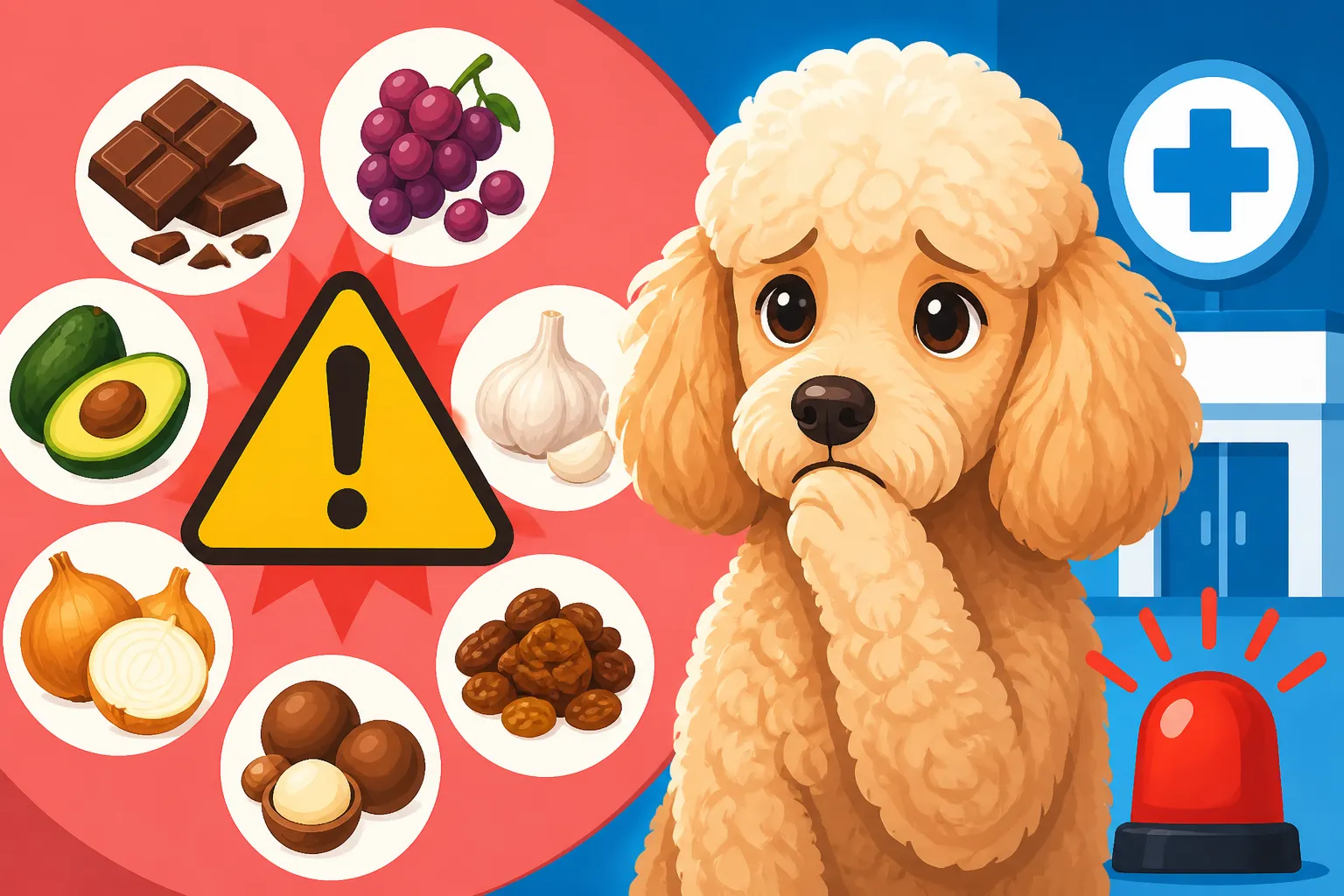
Foods That Send a Poodle to the Vet
It's a familiar scenario for many Poodle owners: you're enjoying a meal, and those big, intelligent eyes are fixed on you, silently pleading for a morsel. Our Poodles are family, and it's natural to want to share everything with them, but unfortunately, many common human foods that are perfectly safe – or even healthy – for us can be incredibly dangerous, even life-threatening, for our beloved curly-coated companions. This guide is here to walk you through the specific foods that can lead to an emergency vet visit, helping you understand why they're harmful and how to keep your Poodle safe.
The Sneaky Dangers of Human Foods
One of the biggest challenges for Poodle owners, especially those with discerning eaters, is knowing which human foods are off-limits. It's not always intuitive. Sometimes, it's a specific ingredient; other times, it's the way we prepare things that makes them toxic. The truth is, Poodles, regardless of their size – whether you have a robust Standard, a playful Miniature, or a delicate Toy – all share similar digestive systems that aren't designed for the rich, processed, or specifically toxic ingredients found in much of our daily diet.
The temptation to share can be strong, particularly when your Poodle is known for their charming persistence. You might think a tiny bite couldn't hurt, but the reality is, Poodles can be incredibly sensitive. What might cause a slight tummy upset in a larger, less sensitive dog could trigger a severe reaction in your Poodle, leading to pain, discomfort, and a frantic rush to the emergency clinic. Our goal is always prevention, to avoid those stressful and often costly veterinary visits.
The Hidden Hazards of Rich and Fatty Foods
Even seemingly benign table scraps can pose a serious threat to your Poodle, especially if they are high in fat. Think about that delicious bacon grease, the fatty trim from a steak, or even rich gravies. While they might taste appealing to your Poodle, these types of foods can rapidly trigger a condition called pancreatitis. Pancreatitis is an inflammation of the pancreas, an organ crucial for digestion and blood sugar regulation. When it becomes inflamed, it's incredibly painful for your dog.
Symptoms can range from severe vomiting and diarrhea to lethargy, loss of appetite, and intense abdominal pain. Your Poodle might hunch their back, appear restless, or yelp when you try to touch their belly. Treating pancreatitis often requires hospitalization, intravenous fluids, pain medication, and strict dietary management for weeks or even months afterward. It's a condition that not only causes immense suffering but also racks up significant vet bills. Remember, a Poodle's system isn't built to handle such rich fare, and it's best to stick to Feeding a Poodle by Size with appropriate Low Calorie Treats for a Poodle if you want to reward them.
Sugar, Salt, and Artificial Sweeteners
Our kitchens are often filled with items laden with sugar, salt, and artificial sweeteners – all of which can be problematic for Poodles. Too much salt, found in chips, pretzels, or many processed human foods, can lead to sodium ion poisoning. This can cause excessive thirst and urination, vomiting, diarrhea, tremors, seizures, and even death in severe cases. It's particularly concerning for smaller Poodles whose systems can be overwhelmed more quickly.
Refined sugars, while not immediately toxic like some other substances, contribute to weight gain, dental problems, and can exacerbate or even lead to diabetes over time. Just like humans, Poodles can suffer from the long-term health consequences of a diet high in sugar. But the real danger lurks in artificial sweeteners, specifically xylitol. Xylitol is a sugar alcohol found in many sugar-free products like gum, candies, certain peanut butters, toothpaste, and even some baked goods. For dogs, even a small amount can be deadly.
When a Poodle ingests xylitol, it causes a rapid and severe drop in blood sugar (hypoglycemia), which can happen within minutes to hours. This can lead to disorientation, seizures, liver failure, and death. It's a silent killer that is tragically common because so many owners are unaware of its presence in everyday items. Always check ingredient labels on any human food you might be tempted to share, especially peanut butter. If you use a brand for your Poodle, consider sourcing it from a trusted pet supplier like Chewy or looking for dog-specific treats on Amazon that clearly state they are xylitol-free.
Common Household Foods That Are Toxic to Poodles
Beyond the general concerns of rich and processed foods, there are specific items commonly found in our homes that are outright poisonous to Poodles. Understanding this list is crucial for keeping your Poodle safe and preventing accidental ingestion. It’s not just about guarding your dinner plate; it's about being aware of ingredients in everything from your morning coffee to your evening snack.
The intelligence of Poodles means they are often adept at counter-surfing or getting into places we think are secure. Why a Poodle Steals From the Counter can often be attributed to their keen sense of smell and problem-solving skills, making it even more vital to keep these dangerous foods completely out of reach.
Chocolate, Coffee, and Caffeine
This is perhaps the most well-known toxic food for dogs, but many owners still underestimate its danger or the varying levels of toxicity. Chocolate contains theobromine, a stimulant similar to caffeine, which dogs process much more slowly than humans. The darker and more bitter the chocolate, the higher the concentration of theobromine, and therefore, the more dangerous it is. Baking chocolate and dark chocolate are the most toxic, followed by milk chocolate. White chocolate has very little theobromine, but its high fat and sugar content can still cause digestive upset.
Symptoms of chocolate poisoning can include vomiting, diarrhea, increased thirst, restlessness, hyperactivity, tremors, elevated heart rate, and seizures. In severe cases, it can be fatal. Coffee, tea, and other caffeinated products like energy drinks also contain stimulants that are toxic to Poodles, leading to similar severe symptoms. Even coffee grounds or tea bags can be dangerous. It's a good reminder to be extra careful with your morning routine, as a curious Poodle could easily snatch a discarded coffee filter or teabag.
Grapes and Raisins
The exact toxic agent in grapes and raisins is still a mystery, which is particularly frustrating for researchers and veterinarians, but their danger is well-established. Even a small amount can cause acute kidney failure in some dogs, and Poodles are no exception. The toxicity doesn't seem to be dose-dependent in all cases, meaning some dogs can eat a few without issue, while others suffer severe consequences from a single grape or raisin. This makes them incredibly unpredictable and therefore, unequivocally dangerous.
Symptoms often begin with vomiting, diarrhea, lethargy, and decreased appetite within hours of ingestion. Over the next 24-48 hours, signs of kidney failure, such as increased thirst and urination, followed by a lack of urine production, can develop. If you suspect your Poodle has eaten even one grape or raisin, it's critical to seek veterinary attention immediately. Time is of the essence in preventing irreversible kidney damage.
Onions, Garlic, and Chives
These common kitchen staples, members of the Allium family, are all toxic to Poodles, whether raw, cooked, dried, or powdered. They contain compounds that can damage a dog's red blood cells, leading to a condition called hemolytic anemia. This means the red blood cells burst, reducing the blood's ability to carry oxygen throughout the body.
Symptoms might not appear immediately and can sometimes be delayed for several days, making diagnosis tricky if you don't realize your Poodle ingested these foods. Watch for lethargy, weakness, pale gums, rapid breathing, an elevated heart rate, and red or brown urine. While a tiny speck might not be an issue for a large Standard Poodle, even small amounts ingested regularly can build up and cause problems. For a delicate Toy Poodle, even a small exposure could be very serious. This is why you should be cautious about sharing any human food that might be seasoned or cooked with these ingredients, such as pasta sauces, gravies, or seasoned meats.
Macadamia Nuts and Other Nuts
Macadamia nuts are particularly problematic for dogs, causing weakness, tremors, vomiting, and hyperthermia (elevated body temperature). The exact toxic mechanism isn't fully understood, but symptoms can last for up to 48 hours. While usually not fatal, macadamia nut poisoning is incredibly uncomfortable for your Poodle and will certainly warrant a trip to the vet.
Other nuts, while not always overtly toxic, can still pose risks. Many nuts are high in fat, which, as we've discussed, can lead to pancreatitis. Their hard shells can be a choking hazard or cause intestinal blockages if swallowed whole. Salted nuts also contribute to sodium ion poisoning. Even seemingly harmless nuts like walnuts or almonds can cause gastrointestinal upset due to their fat content. It's simply safer to keep all nuts out of reach, especially if your Poodle is prone to eating things they shouldn't.
Avocado, Stone Fruits, and Seeds
Avocado contains a fungicidal toxin called persin. While relatively harmless to humans, it can cause vomiting and diarrhea in some dogs. The main concern with avocado for Poodles, however, is the large pit. If ingested, it can cause a choking hazard or become lodged in the gastrointestinal tract, leading to a blockage that would require emergency surgery.
Stone fruits like peaches, cherries, plums, and apricots also carry significant risks. The flesh of these fruits in moderation might be okay for some dogs (after carefully removing the pit), but the pits themselves contain cyanide, which is highly toxic. Additionally, these pits are a massive choking hazard, particularly for a curious Standard Poodle, and can cause intestinal obstructions. The same goes for apple seeds, which also contain small amounts of cyanide. While a single seed is unlikely to be lethal, it's a good habit to always core apples before sharing any pieces with your Poodle.
| Toxic Food Group | Primary Danger to Poodles | Common Symptoms |
|---|---|---|
| Chocolate & Caffeine | Theobromine & caffeine poisoning | Vomiting, diarrhea, hyperactivity, tremors, seizures, heart issues, death |
| Grapes & Raisins | Unknown toxin leading to kidney failure | Vomiting, diarrhea, lethargy, loss of appetite, increased thirst, kidney failure |
| Onions, Garlic, Chives | Compounds damaging red blood cells (hemolytic anemia) | Lethargy, weakness, pale gums, rapid breathing, red/brown urine |
| Xylitol | Rapid, severe drop in blood sugar (hypoglycemia) & liver failure | Vomiting, lethargy, disorientation, seizures, liver damage, death |
| Macadamia Nuts | Unknown toxin affecting nervous system | Weakness, tremors, vomiting, elevated body temperature, depression |
| Fatty Foods | Pancreatitis (inflammation of the pancreas) | Severe vomiting, diarrhea, abdominal pain, lethargy, loss of appetite |
| Alcohol | Alcohol poisoning | Vomiting, diarrhea, disorientation, tremors, coma, death |
| Avocados (Pit & skin) | Persin (mild toxicity), choking/obstruction from pit | Vomiting, diarrhea (from persin), choking, abdominal pain (from obstruction) |
| Stone Fruit Pits | Cyanide poisoning, choking/obstruction from pit | Difficulty breathing, dilated pupils, vomiting, diarrhea, tremors, seizures, death |
| Yeast Dough | Produces alcohol and expands in stomach | Bloating, vomiting, abdominal pain, disorientation (alcohol poisoning) |
When "Just a Little Bit" Is Still Too Much
It’s a common refrain: "Oh, it's just a tiny piece!" or "My last dog ate this all the time." While we all want to treat our Poodles and show them affection, this mindset can lead to serious trouble. When it comes to toxic foods, there's often no safe amount, especially depending on your Poodle's size and individual sensitivity. What seems like a harmless crumb to you could be a concentrated dose for your Poodle.
It’s about understanding that dogs metabolize things differently and that their bodies are much smaller than ours. A small piece of something toxic for a human might be equivalent to a much larger portion for a Poodle, proportional to their body weight. This is particularly relevant for breeds like the Poodle, where you have such a wide range of sizes, from a tiny Toy Poodle to a substantial Standard Poodle.
Individual Poodle Sensitivities and Size Matters
Every Poodle is an individual, and just like people, they can have varying sensitivities to different substances. Some Poodles might have a slightly stronger stomach, while others could react severely to even a minuscule amount of a toxic food. This unpredictability is precisely why it's never worth taking the risk. You don't want to find out the hard way that your beloved pet falls into the highly sensitive category.
Furthermore, the size of your Poodle plays a significant role. A small amount of chocolate that might only cause mild upset in a large Standard Poodle could be life-threatening for a Toy Poodle. Their smaller body weight means that toxins become concentrated more quickly, overwhelming their systems much faster. This is why vigilance is paramount, especially for our tiny Poodles, who might mistakenly be perceived as less capable of getting into trouble. It's also why things like Emergency Sugar for a Crashing Toy Poodle are so critical to have on hand, should they accidentally ingest xylitol.
The Cumulative Effect of Seemingly Harmless Scraps
Even if a particular food isn't immediately toxic, the cumulative effect of feeding small amounts over time can still lead to long-term health problems. For instance, consistent table scraps high in fat or sodium, even if not immediately triggering pancreatitis or poisoning, contribute to obesity and other chronic health issues. A Poodle's sleek physique is key to their health and agility, and Poodle Obesity and Its Consequences can be severe, leading to joint problems, heart disease, and a shortened lifespan.
These small, seemingly innocent treats can add up, creating a nutrient imbalance and replacing healthy, balanced meals. A good quality dog food, such as those offered by Ollie, specifically formulated for canine nutritional needs, is designed to provide everything your Poodle requires. Relying on scraps instead can lead to deficiencies or excesses of certain vitamins and minerals, silently impacting their health over time. It's a subtle danger that's often overlooked, but just as important as avoiding acute poisoning.
What to Do If Your Poodle Eats Something Dangerous
Despite our best efforts, accidents happen. You might turn your back for a second, and your clever Poodle has snagged something off the counter. Or perhaps a well-meaning visitor offered a "harmless" treat without knowing the risks. If you suspect or know your Poodle has ingested a toxic food, staying calm and acting quickly is crucial. Panic doesn't help anyone, especially your Poodle, who will pick up on your stress.
Knowing the steps to take can make a significant difference in the outcome. Time is often of the essence, particularly with fast-acting toxins like xylitol or large amounts of chocolate. Being prepared, even if you hope you never need to use the information, is a vital part of responsible Poodle ownership. Remember that your vet is your best resource in these emergencies.
Immediate Steps and When to Call the Vet
The very first thing you should do is try to assess what your Poodle ate, how much of it, and when. Gather any packaging or remnants of the food, as the ingredients list and concentration can be incredibly helpful for your veterinarian. Once you have this information, call your veterinarian immediately. If your regular vet isn't open, contact an emergency veterinary clinic. Do not wait to see if symptoms develop.
It's important to never try to induce vomiting at home without direct instructions from a veterinarian. While inducing vomiting can be helpful in some situations, it can also be dangerous if done incorrectly or if the substance ingested is caustic or if your Poodle is already showing severe symptoms. Your vet will advise you on the best course of action based on the specific toxin, the amount ingested, your Poodle's size, and how recently it happened. They might recommend you come in right away for monitoring or for interventions like inducing vomiting, administering activated charcoal, or providing supportive care.
Preparing for a Vet Visit
If your vet advises you to bring your Poodle in, try to remain as calm as possible during the journey. Make sure you bring any packaging of the ingested food with you. This can save critical time at the clinic. Be prepared to provide the vet with as much information as possible:
- What was ingested? (Specific name of food/product)
- How much? (Estimate as best you can – a few grapes, half a chocolate bar, etc.)
- When was it ingested? (Approximate time)
- Your Poodle's weight. (This is vital for calculating dosages)
- Any symptoms you've observed. (Vomiting, lethargy, tremors, etc.)
- Any existing medical conditions or medications your Poodle is on. (Such as for Lifelong Treatment for an Addisonian Poodle or Medication for an Epileptic Poodle)
The more information you can provide, the faster and more accurately the veterinary team can assess the situation and begin treatment. Don't feel embarrassed or guilty; these things happen. The most important thing is getting your Poodle the help they need without delay. While these emergencies can be costly, having a plan like Saving Against a Standard Poodle Bloat Bill or pet insurance that covers emergency care can alleviate some of the financial stress during an already difficult time.
Disclaimer
This article is for general informational purposes only and does not constitute professional advice. Laws, prices and regulations vary by location and change over time. Consult a qualified professional for guidance on your specific situation.