Saving Against a Standard Poodle Bloat Bill
As a Standard Poodle owner, there are few things that strike more fear into your heart than the thought of bloat, medically known as Gastric Dilatation-Volvulus (GDV). It's a terrifying, sudden, and often fatal condition that can claim a dog's life in mere hours, and the emergency surgery required to save them comes with a bill that can leave you reeling. This guide isn't about scaring you, but empowering you with knowledge and practical steps to understand, prevent, and financially prepare for this devastating emergency.
Understanding Gastric Dilatation-Volvulus (GDV) in Standard Poodles
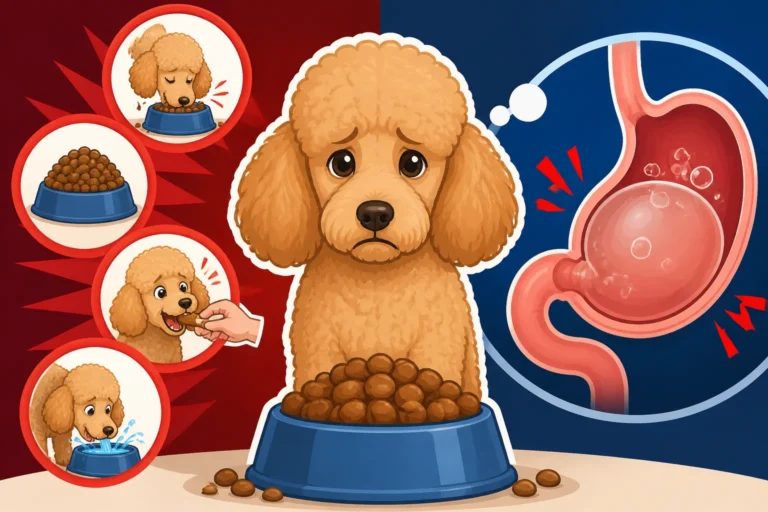
When we talk about bloat, we're not just talking about a full tummy. Gastric Dilatation-Volvulus is a truly life-threatening condition where a dog's stomach fills with gas and then twists upon itself. This twisting, or volvulus, traps the gas, food, and fluid, causing immense pressure, cutting off blood supply to the stomach, and quickly leading to shock and organ damage. It's a race against time, and knowing what you're up against is the first step in being prepared.
Why Standard Poodles Are at Higher Risk
It's a cruel twist of fate that our elegant Standard Poodles, with their deep chests and often refined demeanor, are particularly susceptible to GDV. The very conformation that makes them so distinctive also puts them in a high-risk category. A deep, narrow chest allows the stomach more room to swing and twist, unlike dogs with broader, shallower chests where the stomach is more securely cradled. This anatomical predisposition is something we, as Poodle guardians, simply have to acknowledge and manage. It's not about what you did or didn't do; sometimes, it's just how they're built. We've talked before about Bloat and the Deep Standard Poodle Chest and it really highlights this vulnerability.
Beyond their physical build, there are other factors that can increase a Standard Poodle's risk. Eating too quickly, drinking large amounts of water immediately after eating or exercising, a highly active or stressful temperament, and even genetics can all play a role. If you have a Poodle that inherited a predisposition, knowing the signs and being ready to act is even more crucial. Some research suggests a correlation with genetics, meaning if your Poodle's close relatives have experienced bloat, your dog might be at a higher risk too. It’s a terrifying lottery, and it’s why preparation isn't just a good idea, it's essential.
Recognizing the Emergency Signs
This is the absolutely critical part, the information that could mean the difference between life and death for your beloved Poodle. Bloat can progress incredibly rapidly, and what starts as mild discomfort can escalate to a full-blown crisis in under an hour. You need to be able to spot the Emergency Signs of Poodle Bloat without hesitation. The most common and urgent signs to watch for include:
- Restlessness and Pacing: Your dog might seem uncomfortable, unable to settle, constantly shifting positions. They might look at their side or abdomen.
- Unsuccessful Retching or Vomiting: This is a hallmark sign. Your Poodle will try to vomit, often gagging, but nothing or very little will come up. They might cough up foamy saliva.
- Distended or Swollen Abdomen: Their belly will appear visibly enlarged and feel hard or taut, particularly on the left side. This isn't always obvious, especially on Poodles with a lot of coat, so gently feeling their sides is important.
- Drooling and Excessive Salivation: Due to nausea and discomfort.
- Weakness and Collapse: As the condition progresses, your Poodle will become weaker, lethargic, and may collapse due to shock. Their gums might appear pale, and their breathing may become shallow and rapid.
If you observe any of these symptoms, especially the unsuccessful retching and abdominal distension, do not hesitate. This is not a "wait and see" situation. You need to get to an emergency veterinary clinic immediately. Every minute counts; this is truly The Hour That Decides a Bloating Standard Poodle. Call ahead if you can, so they are prepared for your arrival. Your quick thinking and swift action are your Poodle’s best chance at survival.
The Staggering Cost of Bloat Surgery
Let's be blunt: bloat surgery is not cheap. It's emergency, highly specialized surgery performed under intense pressure, often in the middle of the night. The price tag reflects the complexity of the procedure, the round-the-clock care, and the advanced medical equipment required. Many owners find themselves in the agonizing position of facing a bill that could easily rival a new car down payment, all while their beloved dog's life hangs in the balance.
Breaking Down the Veterinary Bill
When your Poodle needs emergency GDV surgery, the total bill isn't just for the surgeon's time. It's a complex puzzle of charges that add up quickly. Understanding what you're paying for can help you mentally prepare, even if the numbers are daunting.
Here's a typical breakdown of what contributes to the Gastropexy Surgery Costs for a Standard Poodle (a gastropexy is often performed during bloat surgery to prevent recurrence, or as a preventative measure on its own):
- Emergency Consultation/Exam Fee: Just getting in the door outside of regular hours comes with a premium.
- Diagnostics: X-rays are crucial to confirm GDV and rule out other issues. Blood work is done to assess organ function and overall health status, especially if your Poodle is in shock.
- Stabilization: Before surgery, your dog will need IV fluids, pain medication, and potentially medication for shock or arrhythmias. This can involve catheters, pumps, and continuous monitoring.
- Anesthesia: This isn't a simple injection. It includes anesthetic drugs, constant monitoring by a dedicated technician, and potentially a ventilator.
- Surgery: The actual surgical procedure to de-rotate the stomach, assess its viability, and perform a gastropexy. This involves the surgeon's fee, surgical supplies, and potentially the cost of a surgical assistant.
- Post-Operative Care & Hospitalization: This is often the largest chunk. Your Poodle will need intensive care for several days, often in an emergency or critical care unit. This means continuous monitoring, pain management, IV fluids, antibiotics, and staff dedicated to their recovery around the clock. Complications can extend this stay significantly.
- Medications: Post-surgery, your Poodle will go home with a regimen of pain relievers, antibiotics, and stomach protectants.
Example Cost Range (Varies by Region and Clinic Type):
| Service Component | Estimated Cost Range (USD) |
|---|---|
| Emergency Exam & Diagnostics | $300 – $800 |
| Pre-Op Stabilization | $500 – $1,500 |
| Anesthesia & Monitoring | $800 – $2,000 |
| Surgical Procedure (GDV & Gastropexy) | $2,500 – $6,000 |
| Post-Op Hospitalization (2-5 days) | $1,500 – $4,000 |
| Post-Discharge Medications | $100 – $300 |
| Total Estimated Cost | $5,700 – $14,600+ |
This table is a general guide, and costs can fluctuate wildly. A major veterinary emergency hospital in a large metropolitan area will likely be on the higher end, while a smaller, rural clinic might be slightly less. But regardless, it’s a significant sum that most people don’t have sitting in their checking account.
The Urgency Factor and Its Impact on Price
The immediate, often middle-of-the-night nature of bloat also impacts the cost. Emergency veterinary clinics operate 24/7, and their staff and resources are priced accordingly. If your Poodle bloats at 2 AM on a Sunday, you're not waiting for your regular vet to open. You're heading to the emergency room, and that means higher service fees, emergency surcharges, and access to specialized equipment and personnel who are always on standby.
Furthermore, the need for immediate action means you often don't have the luxury of shopping around for quotes. You're making a life-or-death decision under duress, and the vet is focused on saving your dog, not on negotiating prices. This isn't a criticism of vets – they are doing crucial work – but it's a reality check for owners. The emotional toll combined with the financial shock can be overwhelming. This is why having a plan before an emergency strikes is so incredibly important.
Proactive Steps to Mitigate Bloat Risk
While we can't eliminate the risk of bloat entirely, there are definite steps Poodle owners can take to significantly lower their dog's chances of experiencing this awful condition. Being proactive is always better than being reactive.
Dietary and Feeding Strategies
How and what your Standard Poodle eats can play a big role in reducing bloat risk. It’s not just about the food itself, but the habits surrounding mealtime.
Firstly, avoid feeding one large meal a day. Splitting your Poodle's daily food allowance into two or three smaller meals spreads out the volume in their stomach, reducing the likelihood of it becoming overly full and distended. This is a simple change that can make a huge difference. Imagine eating a huge feast all at once versus smaller snacks throughout the day; the latter puts less sudden strain on your system.
Secondly, encourage slow eating. Poodles, like many dogs, can be enthusiastic eaters, inhaling their food in minutes. Rapid eating causes them to swallow a lot of air, which contributes to gas buildup in the stomach. Consider using slow-feeder bowls or puzzle feeders. There are many on the market, like the Outward Hound Fun Feeder, designed specifically to make dogs work a little harder for their kibble, slowing down their intake. You can also try spreading their meal out on a large baking sheet, forcing them to take smaller bites. We've discussed Feeding Habits That Raise Poodle Bloat Risk in depth, and slow eating is always at the top of the list for good reason.
Lastly, manage activity around meal times. Avoid intense exercise, play, or excitement directly before or after eating. A good rule of thumb is to wait at least an hour before and two hours after a meal before engaging in strenuous activity. This gives the stomach time to digest without being jostled or overstimulated. Also, ensure fresh water is always available, but discourage gulping large quantities of water right after eating or heavy exercise. If your Poodle is prone to gulping, offer smaller amounts more frequently. While there used to be a lot of debate about Bowl Height and Standard Poodle Bloat Risk, current veterinary consensus suggests that elevated bowls may actually increase the risk in deep-chested breeds, so it’s generally recommended to feed from ground level.
Considering a Prophylactic Gastropexy
For many Standard Poodle owners, the ultimate proactive step against bloat is a prophylactic (preventative) gastropexy. This elective surgical procedure involves permanently tacking the stomach to the abdominal wall, preventing it from twisting. While it doesn't prevent the stomach from dilating (filling with gas), it does prevent the deadly volvulus (twisting). This means if your Poodle does bloat, it's a less critical situation, often manageable with medication and without emergency surgery.
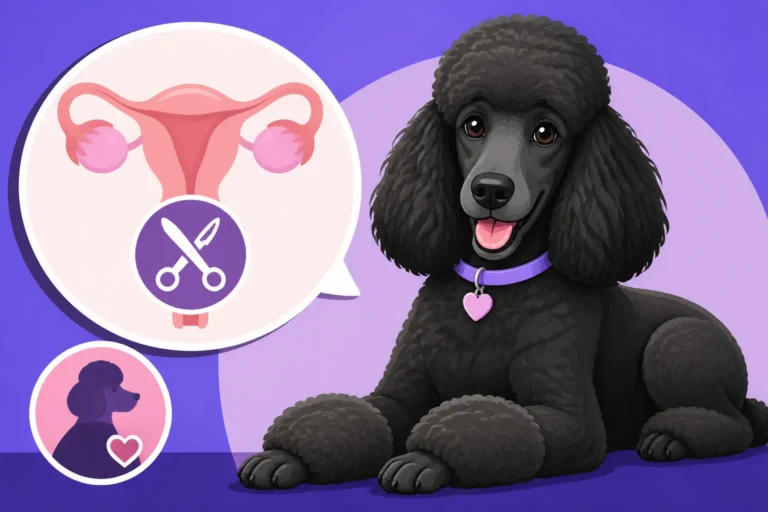
The decision to have a prophylactic gastropexy is a significant one, and it's worth a long conversation with your veterinarian. It’s typically recommended for high-risk breeds like Standard Poodles, especially if they have a family history of bloat. Many owners choose to have it done at the same time as spaying or neutering, as it saves on anesthesia costs and recovery time. The procedure itself usually costs less than emergency bloat surgery because it's planned, performed during regular business hours, and typically involves a shorter hospital stay.
The benefits are clear: significantly reduced risk of fatal bloat, immense peace of mind, and potentially saving you from a much larger emergency vet bill down the line. Of course, it's still surgery, with associated risks, but for many, those risks are outweighed by the protection it offers. Your vet can provide detailed information on Whether a Standard Poodle Should Have a Gastropexy and discuss if it's the right choice for your dog.
Building Your Financial Safety Net for a Poodle Bloat Emergency
Knowing the risks and understanding the potential costs can feel overwhelming. But this is where empowerment comes in. You can take concrete steps now to ensure you're financially prepared for a bloat emergency or any other health crisis that might befall your beloved Poodle.
The Power of a Dedicated Emergency Fund
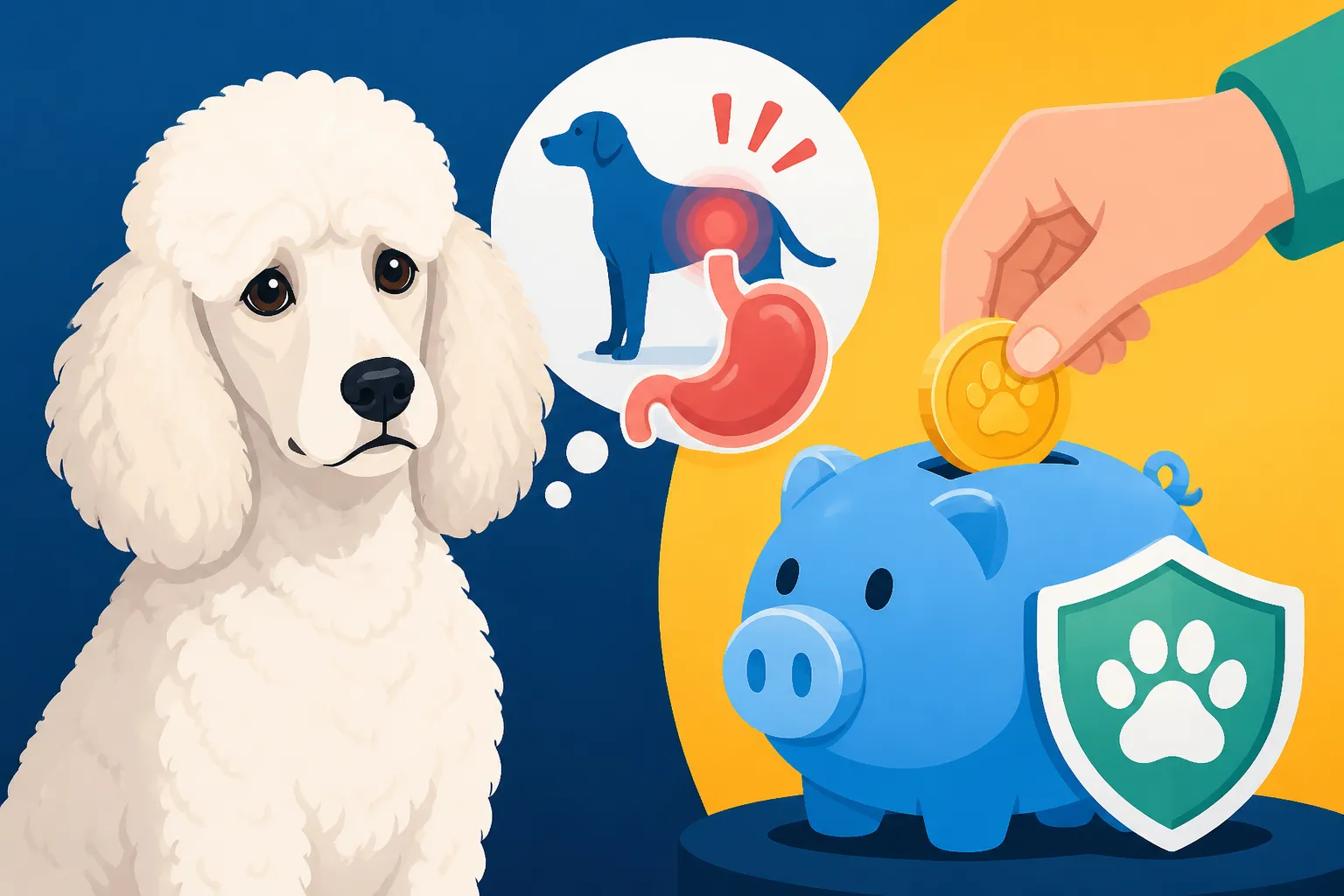
One of the most straightforward and reliable ways to prepare for a bloat bill is to create a dedicated emergency fund specifically for your Poodle. Think of it as a personal insurance policy, controlled entirely by you. The goal is to set aside enough money to cover the high end of bloat surgery costs, ideally in the $8,000 to $15,000 range, depending on your local veterinary costs.
How do you build such a fund? Start small and be consistent. Set up an automatic transfer from your checking account to a separate savings account each payday. Even $25 or $50 a week adds up remarkably fast. If you put away $100 a month, you'd have $1,200 in a year. In five years, that's $6,000, and with compound interest, even more. Consider cutting back on small luxuries, cooking at home more, or finding small side hustles to boost your contributions. The beauty of an emergency fund is that if your Poodle stays perfectly healthy, that money is still yours, earning interest. It’s a win-win.
Having this fund gives you incredible freedom and peace of mind. If the worst happens, you won't be forced into making agonizing decisions based on finances. You can simply tell your vet, "Do whatever it takes." This fund isn't just for bloat; it can cover other major emergencies like a broken leg, an unexpected cancer diagnosis, or any of the myriad health issues that can arise as your Poodle ages. Preparing for emergencies well in advance is truly one of the most loving things you can do for your furry family member.
Navigating Pet Insurance Options
For many Poodle owners, pet insurance offers a crucial safety net against unexpected veterinary bills, especially for high-cost emergencies like bloat. It works similarly to human health insurance, where you pay a monthly premium, and in return, the insurance company covers a percentage of your eligible vet bills after you meet a deductible. When choosing a policy, it’s critical to understand what's covered, what's excluded, and how the reimbursement process works.
When looking at pet insurance for a Standard Poodle, pay close attention to:
- Coverage for emergency and specialist care: This is paramount for bloat.
- Deductible: How much you have to pay out of pocket before the insurance kicks in.
- Reimbursement percentage: Often 70%, 80%, or 90% of the eligible vet bill.
- Annual limit: The maximum amount the policy will pay out in a year.
- Waiting periods: How long you have to wait after enrolling before certain conditions (including bloat) are covered. This is why it's so important to get insurance before an emergency occurs.
- Breed-specific conditions: Ensure bloat is not excluded as a pre-existing or breed-specific condition.
Companies like Healthy Paws are well-regarded for their comprehensive accident and illness plans, which typically cover conditions like GDV. You'll want to review their specific policies, especially regarding any waiting periods for orthopedic conditions or emergencies. Healthy Paws, for example, often offers unlimited lifetime coverage, which can be a huge relief if your Poodle faces multiple high-cost events over their Poodle Lifespan Across the Three Sizes. They usually have a quick reimbursement process, which is important when you've just paid a massive vet bill. Many pet insurance providers, including Healthy Paws, allow you to get a free quote online, making it easy to compare options.
Remember, pet insurance is best utilized before your Poodle has any pre-existing conditions. Once diagnosed with bloat, it will be considered pre-existing and likely not covered by a new policy. Doing your research early and enrolling your Poodle while they are young and healthy is the smartest approach to ensure you're covered when you need it most. You might also want to look into Insuring a Poodle Against Addison's and Bloat, as some policies might have specific clauses for these common Poodle health issues.
Comparing Savings vs. Insurance for Major Events
The decision between relying solely on a savings fund or investing in pet insurance is a personal one, and there are valid arguments for both approaches. Ultimately, the best strategy might even be a hybrid of the two.
Pros of a Dedicated Savings Fund:
- Total control: You decide how and when the money is used.
- No premiums: You're not paying a monthly fee that you might not use.
- No exclusions: The money is there for anything, pre-existing conditions included.
- Interest earnings: Your money grows over time.
Cons of a Dedicated Savings Fund:
- Requires discipline: You have to consistently save.
- Takes time to build: A major emergency could strike before you've saved enough.
- Can be depleted quickly: One major event could wipe out years of savings.
Pros of Pet Insurance:
- Immediate large-scale coverage: Can cover bills of tens of thousands of dollars if needed, even if you've only paid a few premiums.
- Predictable monthly cost: Helps with budgeting.
- Peace of mind: Knowing you have substantial financial backing.
- Can cover multiple incidents: If your Poodle has several health issues over its lifetime.
Cons of Pet Insurance:
- Monthly premiums: You pay even if you don't use it.
- Deductibles and co-pays: You still have out-of-pocket expenses.
- Exclusions for pre-existing conditions: Very important to enroll early.
- Waiting periods: Delays before coverage begins for certain issues.
- Reimbursement model: You typically pay the vet upfront and then get reimbursed, which can still mean a large temporary hit to your bank account.
Many Poodle owners find that a combination approach works best. They maintain a healthy emergency savings fund for their deductible and co-pay amounts, or for smaller, non-insured issues, and use pet insurance for the truly catastrophic, high-cost events like bloat surgery. This way, you have both immediate access to funds and the security of knowing that major medical expenses won't bankrupt you. Consider your own financial situation, your Poodle's age and health, and your risk tolerance when making this important decision. We often discuss Insurance Versus Savings for a Standard Poodle as it is such a critical consideration for owners of high-risk breeds. Remember that Poodle Insurance Premiums by Size and Age can vary, so comparing rates is key.
Disclaimer
The information provided in this article is for general informational purposes only and is not a substitute for professional veterinary advice. Always consult with a qualified veterinarian regarding your Poodle's health and any medical conditions. Emergency situations like bloat require immediate veterinary attention.