Growing Pains in a Standard Poodle Puppy
Watching your beloved Standard Poodle puppy grow from a tiny fluffball into a magnificent, leggy youngster is one of life's true joys. But then, almost out of nowhere, you notice a limp. One day it's a front leg, the next it's a back one, or perhaps they're just not as bouncy as usual. This "shifting lameness," often dismissed as "growing pains," can be incredibly worrying, making you fear the worst for your rapidly developing companion. This comprehensive guide is here to shed light on what these growing pains truly are, how to recognize them, and how you can best support your Standard Poodle puppy through this often uncomfortable, but usually temporary, phase.
Understanding Growing Pains in Standard Poodle Puppies
It's common to hear the term "growing pains," but in the veterinary world, we're usually talking about a condition called Panosteitis. This isn't just a vague soreness; it's a specific, self-limiting inflammatory disease of the long bones, primarily affecting rapidly growing large breed puppies like our Standards. Imagine the discomfort of growing pains you might have experienced as a child, but amplified and localized to the bones themselves. It's no wonder our puppies can be so uncomfortable.
What is Panosteitis?
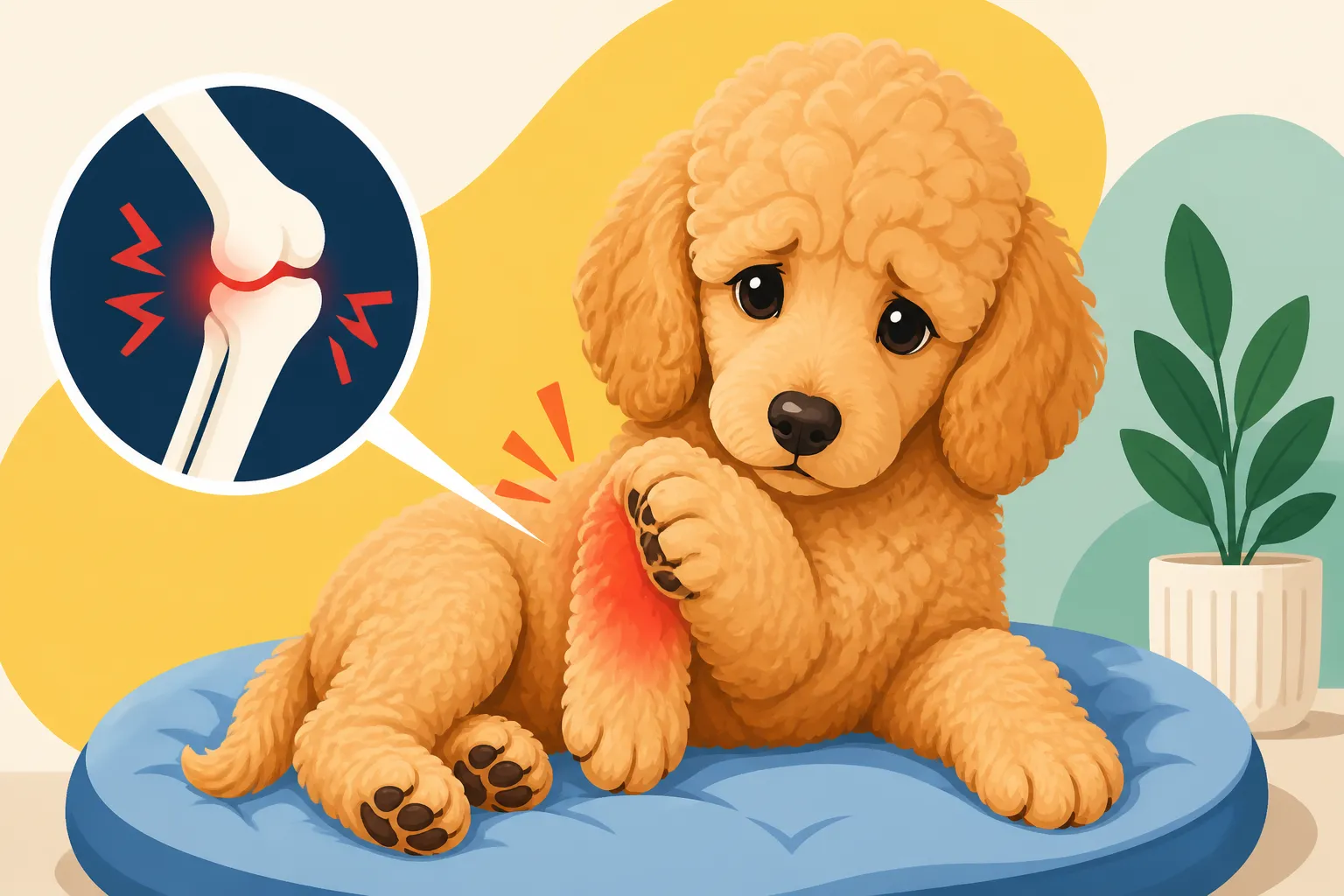
Panosteitis involves inflammation of the outer surface (periosteum) and inner marrow of the long bones in a puppy's legs. Think of the femur (thigh bone), humerus (upper arm bone), radius, and ulna (forearm bones) – these are the most common sites. While the exact cause isn't fully understood, it's strongly linked to the rapid growth spurts typical of large breeds. It's like their bones are growing so quickly that the tissues can't quite keep up, leading to inflammation and discomfort. It tends to affect male puppies more often than females, and it's a condition almost exclusively seen in young dogs, usually between 5 and 18 months of age, though it can sometimes start as early as 2 months or linger until 2 years.
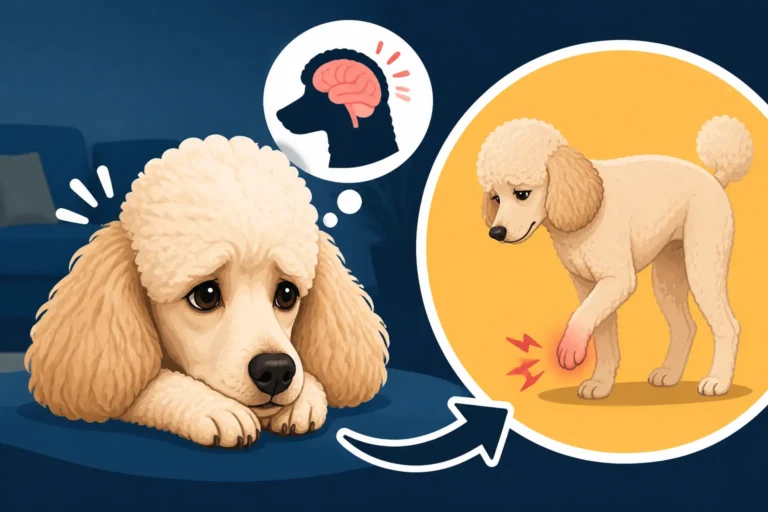
The hallmark of Panosteitis is its migratory nature. One day your puppy might be limping on their left front leg, the next they seem fine, only to start limping on their right hind leg a few days later. This can be incredibly confusing for owners, making them second-guess if they even saw a limp at all. This "shifting lameness" is a key diagnostic clue, distinguishing it from injuries that typically affect one limb consistently. The good news is that it’s generally not a degenerative disease; puppies typically outgrow it completely without any lasting effects.
Why Standard Poodles Are Particularly Susceptible
Standard Poodles, with their impressive growth rate, are classic candidates for Panosteitis. These puppies shoot up to their adult size remarkably fast, gaining significant height and weight in a relatively short period. You can almost see them growing overnight! This rapid development, while amazing to witness, puts considerable stress on their developing skeletal system. If you've ever wondered why your puppy sometimes seems to struggle with coordination or has an awkward gait, part of it might be related to their incredible growth spurt. You can learn more about this phenomenon in our article, "Why Standard Poodle Puppies Grow So Fast".
Beyond just their size, genetics can also play a role, though Panosteitis isn't considered a purely inherited condition like some other orthopedic issues. It's more about the overall genetic predisposition to rapid growth in certain lines. A well-bred Standard Poodle will have parents screened for major orthopedic problems, but even with the best breeding practices, Panosteitis can still occur simply due to the nature of their growth. It's a common complaint heard by breeders and vets alike when dealing with these magnificent, fast-growing adolescents.
Spotting the Subtle Signs of Panosteitis
Recognizing growing pains can be tricky because the symptoms aren't always dramatic. Poodles are sensitive creatures, and sometimes their pain expresses itself in subtle ways. You might not see them screaming in agony, but rather a quiet withdrawal or a reluctance to engage in their usual activities. This is where truly "Reading Pain in a Sensitive Poodle" becomes vital for owners.
The Shifting Lameness Phenomenon
As mentioned, the most distinctive sign of Panosteitis is its "shifting lameness." Your puppy might be perfectly fine one moment, tearing around the yard, and then the next day, they're favoring a leg, often without any obvious injury or incident. This lameness can range from a slight stiffness or unwillingness to bear weight fully to a pronounced hobble. It's not uncommon for a pup to be lame on one leg for a few days, then appear completely recovered, only for the lameness to reappear in a different leg a week or two later.
This inconsistency is what often puzzles owners. You might think, "Did they just pull something?" but then it moves, leaving you baffled. The lameness can also vary in intensity, from mild to severe, and may worsen with exercise or cold weather. Episodes can last from a few days to several weeks, and recur periodically until the puppy reaches skeletal maturity, which for a Standard Poodle, usually happens around 18-24 months of age. You might be interested in our related article, "When a Standard Poodle Stops Growing", for more details on their growth timeline.
Beyond Limping: Other Behavioral Cues
While lameness is the primary indicator, a Standard Poodle's intelligence and sensitive nature mean they might show other behavioral signs of discomfort. They might become more withdrawn, less enthusiastic about playtime, or more prone to napping. Some puppies might even become a bit grumpy or irritable, snapping when touched in a painful area. This isn't them being "naughty"; it's a clear sign they're hurting.
Other symptoms can include:
- Lethargy: A general decrease in energy levels.
- Loss of Appetite: Though less common, severe pain can sometimes reduce their desire to eat.
- Fever: A low-grade fever can occur in some cases, indicating a systemic inflammatory response.
- Pain on Palpation: If you gently press along the long bones of their legs, your puppy might yelp or pull away, indicating localized pain. This is a key finding for veterinarians during an examination.
- Reluctance to Jump or Play: They might avoid stairs, refuse to jump into the car, or just generally be less active. This often precedes obvious limping, as a sensitive Poodle might try to hide their discomfort. You can read more about this coping mechanism in "Why a Poodle Goes Quiet Before It Limps".
Differentiating from Other Puppy Ailments
This is perhaps the most critical part, as "growing pains" can be confused with other, more serious orthopedic conditions. It's crucial not to self-diagnose, as a misdiagnosis could lead to improper treatment or delayed intervention for a different problem. Conditions like Hip Dysplasia, Elbow Dysplasia, Luxating Patella (more common in smaller poodles), or even traumatic injuries can present with similar lameness.
Here's a quick comparison of Panosteitis with other common lameness causes in growing puppies:
| Feature | Panosteitis (Growing Pains) | Hip Dysplasia | Elbow Dysplasia | Traumatic Injury |
|---|---|---|---|---|
| Onset Age | 5-18 months (can be 2-24 months) | Usually 4-12 months (can be earlier or later) | Usually 4-12 months | Any age, sudden |
| Location of Lameness | Shifting, migratory; long bones of front/rear legs | Hind limbs; wobbly gait, 'bunny hopping' | Front limbs; stiffness, outward rotation of paw | Specific limb, often localized swelling/pain |
| Consistency of Lameness | Intermittent, often moves between legs | Chronic, often worsens with exercise | Chronic, worsens with exercise | Usually consistent in one limb |
| Pain on Palpation | Yes, directly over affected long bones | Hip joint discomfort (pain on extension/flexion) | Elbow joint discomfort | Localized to injury site |
| Fever | Sometimes low-grade | No | No | Possible if wound or severe infection |
| Prognosis | Excellent, self-limiting, typically no long-term issues | Variable, often requires lifelong management | Variable, often requires lifelong management | Depends on severity and treatment |
It's vital to have your vet rule out other possibilities, especially since Standard Poodles can also be affected by issues like "Poodle Hip Dysplasia by Size", which requires different management. Your veterinarian will perform a thorough physical exam, feeling your puppy's legs for pain and swelling, and potentially recommending X-rays to confirm a diagnosis or rule out other issues.
Managing Growing Pains and Supporting Your Puppy's Comfort
The good news is that Panosteitis is typically self-limiting, meaning it resolves on its own as your puppy matures. However, that doesn't mean you should leave your puppy in discomfort. There's a lot you can do to manage their pain and ensure they're as comfortable as possible during this phase.
The Role of Rest and Activity Modification
One of the most effective strategies for managing Panosteitis is judicious rest. This doesn't mean crating your puppy 24/7, but rather modifying their activity to prevent flare-ups and allow the inflamed bones to heal. This might be challenging with a high-energy Standard Poodle puppy, but it’s crucial.
During an acute flare-up of lameness:
- Strict Rest: Limit intense exercise, running, jumping, and rough play. Leash walks for potty breaks are usually fine, but avoid long hikes or dog park visits.
- Confined Spaces: Keeping your puppy in a smaller area of the house or using a crate for short periods can help prevent them from overdoing it.
- Avoid Stairs: If possible, carry your puppy up and down stairs to reduce impact on their joints.
- Short, Controlled Play: Gentle, controlled play sessions that don't involve sudden stops or twists can be okay, but always monitor your puppy for signs of discomfort.
Outside of acute episodes, gradually reintroduce activity, always watching for any return of lameness. The goal is to keep them active enough to maintain muscle tone but not so active that they exacerbate the inflammation. It's a delicate balance that often requires careful observation and adjustment based on your individual puppy's response.
Pain Management Strategies
Because Panosteitis is an inflammatory condition, pain relief is key to keeping your puppy comfortable. Your veterinarian will likely prescribe non-steroidal anti-inflammatory drugs (NSAIDs) to reduce both pain and inflammation. Common NSAIDs include Carprofen (Rimadyl), Meloxicam (Metacam), or Galliprant. It's incredibly important to only use medications prescribed by your vet and to follow their dosing instructions precisely. Never give human pain medications, as many are toxic to dogs.
In addition to prescribed medications, some owners explore complementary therapies, always in consultation with their vet:
- Warm Compresses: Applying gentle warmth to the affected areas can sometimes provide soothing relief.
- Massage: Gentle massage of the muscles around the affected bones can help improve circulation and reduce muscle tension, but be careful not to press directly on painful areas.
- Physical Therapy: For some puppies, especially if muscle atrophy occurs during prolonged lameness, gentle physical therapy exercises recommended by a vet or canine rehab specialist can be beneficial.
Remember, the goal is to manage the symptoms and support comfort until the puppy outgrows the condition. Veterinary care for recurring lameness can add up, so having a good pet insurance plan like Healthy Paws can be a real lifesaver, helping cover the costs of diagnostics and medications without breaking the bank.
Nutritional Support and Joint Health
While nutrition isn't typically the cause of Panosteitis, proper dietary management is vital for supporting overall bone health during rapid growth. Ensure your Standard Poodle puppy is on a high-quality, large-breed puppy food that supports controlled growth. These diets are specifically formulated with appropriate calcium and phosphorus levels to prevent excessively rapid growth that can exacerbate skeletal issues. Avoid overfeeding, as excess weight puts additional strain on developing bones and joints.
Joint supplements can also be a valuable addition, particularly those containing glucosamine, chondroitin, and MSM. These ingredients are believed to support cartilage health and reduce inflammation, though their direct impact on Panosteitis is not definitively proven. Many owners find them beneficial for overall joint support in large, rapidly growing breeds. Our article, "Joint Supplements Worth Giving a Poodle", offers a deeper dive into these options. While supplements won't cure Panosteitis, they can help create a healthier internal environment for bone and joint development.
When discussing diet and supplements, it's always best to consult your vet. They can help you choose the best food and supplement regimen tailored to your puppy's specific needs and growth trajectory.
When to Consult Your Veterinarian
Even if you suspect growing pains, a trip to the vet is always necessary. As we've discussed, many conditions can mimic Panosteitis, and only a veterinarian can provide an accurate diagnosis and rule out more serious issues.
Recognizing Red Flags and Worsening Symptoms
While Panosteitis usually resolves without long-term issues, there are times when you should seek immediate veterinary attention:
- Severe or Unrelenting Lameness: If your puppy is refusing to bear weight on a limb at all, or the pain seems extreme and isn't responding to prescribed medication.
- Swelling or Heat: Any noticeable swelling, heat, or deformity in a limb. While Panosteitis is inflammatory, obvious swelling could indicate a fracture, severe infection, or other serious injury.
- High Fever: A fever significantly higher than a low-grade temperature, especially if accompanied by other signs of illness.
- Loss of Appetite and Lethargy: If your puppy stops eating or becomes unusually lethargic for an extended period, it's a sign that something more than typical growing pains might be at play.
- Lameness Beyond the Typical Age Range: If lameness persists past 2 years of age or starts in an older dog, it's unlikely to be Panosteitis and needs investigation.
It's always better to be overly cautious when it comes to your puppy's health. Trust your gut; if something feels off, don't hesitate to call your vet. This proactive approach is especially important for breeds like Poodles that can be stoic about pain. Many pet parents find that a good insurance policy, such as those offered by Healthy Paws, provides peace of mind, knowing that unexpected vet visits for concerns like this are financially manageable.
Diagnostic Steps Your Vet Might Take
When you bring your puppy in for lameness, your vet will perform a comprehensive physical examination. This includes:
- Palpation: Gently feeling all the long bones, joints, and muscles in your puppy's legs and spine to locate areas of pain, swelling, or heat.
- Gait Analysis: Observing your puppy walk, trot, and turn to assess the nature of the lameness.
- Range of Motion: Checking the flexibility and comfort of each joint.
If Panosteitis is suspected, X-rays (radiographs) are often the next step. While Panosteitis can be challenging to see on X-rays in its early stages, characteristic changes can become visible over time, such as increased density (sclerosis) in the marrow cavity of the long bones. X-rays are also invaluable for ruling out other conditions, such as:
- Fractures: Breaks in the bone.
- Osteochondritis Dissecans (OCD): A cartilage disorder, particularly in the shoulders or elbows.
- Developmental Dysplasias: Like hip or elbow dysplasia, which would show characteristic changes in the joint structure. You can learn what a breeder screens for in "What a Poodle Breeder Must Test For".
- Bone Tumors: Although rare in young puppies, X-rays can help rule these out.
Sometimes, multiple X-rays over several weeks might be needed to confirm the diagnosis as the disease progresses and regresses. Blood tests are less commonly used for diagnosing Panosteitis itself, but might be run to rule out other systemic illnesses, especially if fever or lethargy are prominent symptoms. While diagnostic imaging and veterinary visits can be expensive, they are essential to ensure your puppy gets the correct diagnosis and care. This is another situation where a comprehensive pet insurance plan, like the ones from Healthy Paws, can alleviate financial stress, allowing you to focus on your puppy's recovery.
Rest assured, most Standard Poodle puppies navigate growing pains without lasting issues, emerging as healthy, robust adults. With attentive care, proper rest, and professional veterinary guidance, your fluffy companion will soon be back to their energetic, delightful self.
Disclaimer
This article is intended for informational purposes only and is not a substitute for professional veterinary advice, diagnosis, or treatment. Always seek the advice of your veterinarian or other qualified pet health provider with any questions you may have regarding a medical condition.