When a Poodle Puppy May Start Jumping
That adorable Poodle puppy bouncing around your living room is a bundle of pure joy and boundless energy. It's exhilarating to watch them discover the world, but as a devoted Poodle parent, you might find yourself holding your breath every time they launch themselves off the sofa or attempt to scale the stairs. This common worry about potential injuries from jumping is incredibly real. You want them to be active and happy, but never at the expense of their delicate, developing bodies. This comprehensive guide is here to shed light on exactly when it's safe for your Poodle puppy to start jumping, what precautions you should take, and how to keep those precious joints healthy for a lifetime of happy bounces.
Understanding Poodle Puppy Development and Growth Plates
Before we even talk about jumping, we need to talk about what's happening inside your Poodle puppy's body: their growth plates. These aren't just some abstract veterinary term; they are critically important areas of soft, developing cartilage located at the ends of the long bones in your puppy's legs. Think of them as the blueprints and construction zones for their adult bones. While mature bones are strong and solid, these growth plates are much more vulnerable to injury because they haven't yet hardened into solid bone.
The Vulnerability of Puppy Growth Plates
When a puppy experiences high-impact activities, such as repeated jumping from heights, landing hard, or sudden twists and turns, these growth plates can be damaged. Unlike a broken adult bone, which might heal fairly straightforwardly, an injury to a growth plate can have more complex and lasting consequences. Imagine a construction site where the foundations are still wet concrete – any significant disturbance could cause a structural defect. If a growth plate is injured, it might close prematurely, or close unevenly, leading to a limb that grows shorter or is deformed. This can then lead to a lifetime of orthopedic issues, including painful arthritis, an abnormal gait, or even the need for corrective surgery down the line. It's a heavy thought, but understanding this vulnerability is the first step in protecting your Poodle puppy.
For instance, a tiny Toy Poodle puppy who constantly leaps off a high bed could easily injure a still-open growth plate in its forelegs, leading to a bowing of the legs as they continue to grow. Similarly, a rapidly growing Standard Poodle puppy engaging in intense, uncontrolled jumping during play could sustain micro-traumas that don't immediately show as a limp but contribute to future problems. This is especially pertinent to understand given Why Poodle Health Splits by Size and how different varieties can be predisposed to certain conditions.
How Poodle Size Influences Bone Development
The timeline for growth plate closure varies significantly across the three Poodle sizes. Generally, smaller breeds mature faster, meaning their growth plates tend to close earlier. Larger breeds, like Standard Poodles, have a much longer period of rapid growth, which means their growth plates remain open and vulnerable for an extended time.
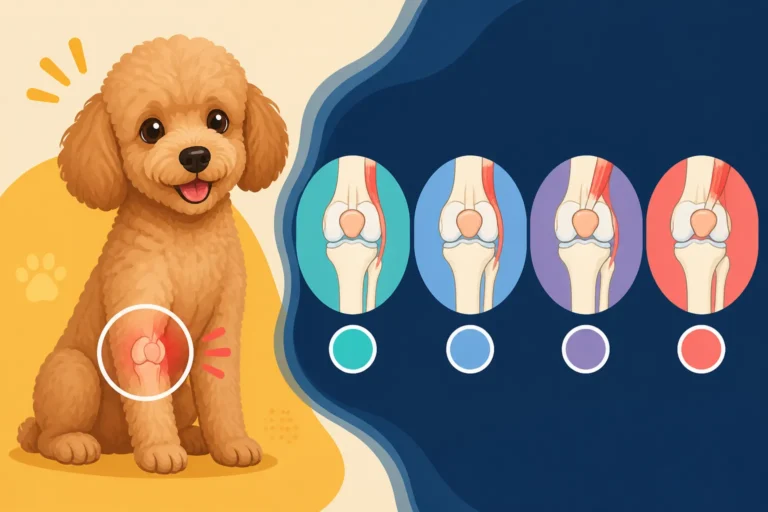
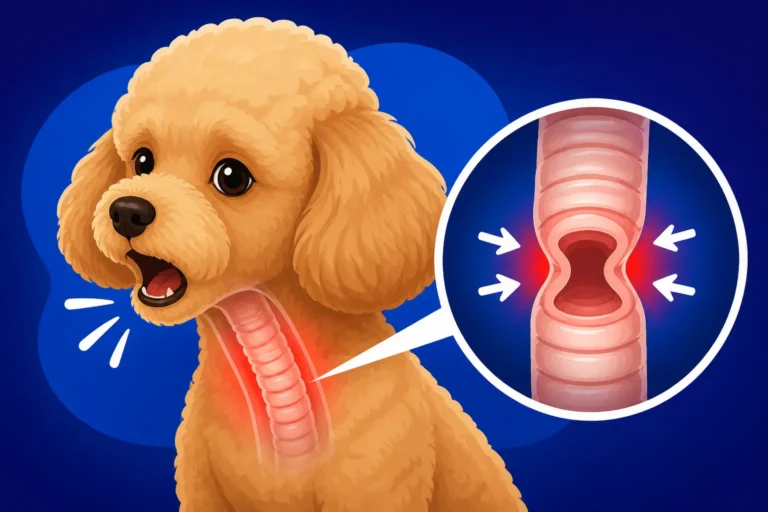
- Toy Poodles: These pint-sized pups usually see their growth plates start to close and fuse into solid bone between 8 and 10 months of age, with complete closure often by 12 months. However, their small size doesn't make them immune to orthopedic issues; instead, they can be particularly prone to conditions like Luxating Patella in Toy and Miniature Poodles and delicate Toy Poodle Kneecaps and Windpipes. A luxating patella, where the kneecap slips out of place, can be exacerbated by repeated jumping and awkward landings even at younger ages.
- Miniature Poodles: Similar to Toy Poodles, Miniatures typically have their growth plates closing between 9 and 12 months, usually solidifying completely by 14-16 months. They share some of the same vulnerabilities as Toy Poodles but with slightly more robust bone structures.
- Standard Poodles: These majestic giants grow at an incredible rate, and their growth plates can remain open and susceptible to injury until they are anywhere from 16 to 24 months old, sometimes even later for very large individuals. This prolonged period of vulnerability means extra caution is needed during their adolescence. Why Standard Poodle Puppies Grow So Fast makes them particularly susceptible during this critical development window. The sheer weight and force exerted on their developing joints can cause significant damage if not managed carefully.
Knowing these general timelines helps us understand that "when a Poodle puppy can start jumping" isn't a one-size-fits-all answer. It's a nuanced consideration based on their unique developmental stage.
Safe Jumping Guidelines for Poodle Puppies by Size
So, with the understanding of growth plates in mind, how do we navigate the eager, bouncy nature of a Poodle puppy? It’s not about preventing all jumping – that’s nearly impossible and not conducive to a happy, active dog. Instead, it’s about controlling the type, height, and frequency of jumps to ensure safety.
Toy and Miniature Poodles
For your smaller Poodles, the world can seem like a giant obstacle course. A single step off a porch can be the equivalent of a human leaping from a considerable height. The key here is moderation and gentle progression.
- Puppyhood (Up to 6-8 Months): During this tender stage, minimize jumping as much as possible. This means supervising closely around furniture. Discourage jumping off beds or sofas. Instead, gently lift them off, or teach them to use a ramp or pet stairs. If they're determined to get on the sofa, lift them up yourself. Avoid any kind of forced jumping, like over hurdles, or repetitive leaps during play. When it comes to stairs, teach them to go up and down slowly, one step at a time, often with a leash for control. Avoid letting them bolt up or down, as this puts immense strain on their tiny joints. Their coordination isn't fully developed, making awkward landings more likely.
- Adolescence (8-12 Months for Toys, 9-14 Months for Miniatures): As their growth plates begin to close, you can gradually introduce controlled, low-level jumping. This means allowing them to jump off the bottom step of a staircase, or a very low ottoman. Focus on teaching them to jump down safely by placing a treat on the floor to encourage a controlled descent rather than a frantic leap. Continue to use ramps for higher furniture like beds. While their bones are solidifying, they still lack the full musculature and joint stability of an adult dog.
- Adulthood (12-16 Months+): Once they are fully mature and their growth plates are confirmed closed (your vet can often confirm this if you have concerns), they can typically manage jumping on and off furniture and navigating stairs without excessive risk. However, remember their inherent predispositions to issues like Luxating Patella in Toy and Miniature Poodles, so always encourage soft landings and avoid repetitive, high-impact jumps on hard surfaces. Think about getting a sturdy set of pet stairs for the bed if your little Poodle loves to sleep with you.
Standard Poodles
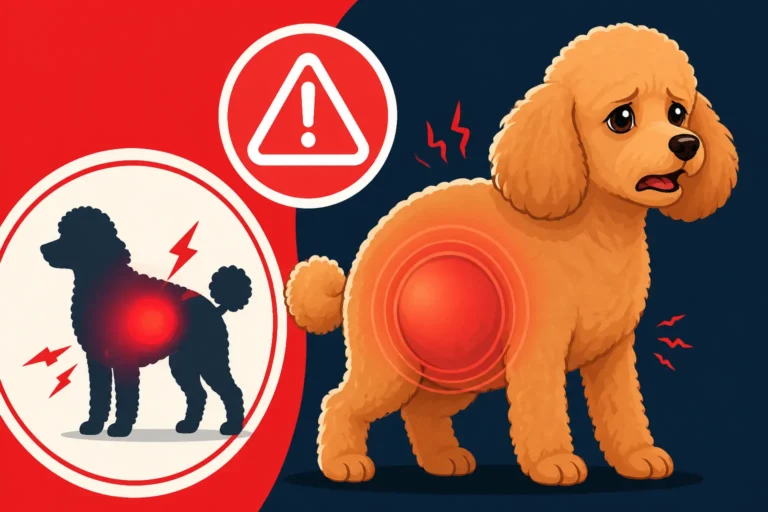
Standard Poodles might look robust, but their rapid growth phase, often spanning over a year, means extreme caution is needed. They are predisposed to conditions like Poodle Hip Dysplasia by Size and other joint problems, making careful management of jumping crucial.
- Puppyhood (Up to 10-12 Months): This is the most critical period. Absolutely no forced jumping. Avoid letting them jump off high furniture, out of vehicles, or running up and down hard stairs repeatedly. A short set of dog stairs or a ramp for car access is invaluable. Even jumping up for greetings should be managed carefully, teaching them to 'sit' instead. Long, vigorous walks are great, but avoid intense, high-impact play sessions with sudden stops and starts, especially on slippery floors. It's tempting to think their size means they're tougher, but their bones are rapidly extending and are extremely vulnerable. Growing Pains in a Standard Poodle Puppy are a real concern during this time, and excessive jumping can exacerbate them.
- Adolescence (12-18 Months): As they near skeletal maturity, you can start to introduce very controlled and low-level jumps. Think gentle hops over a small log on a trail, or a very low agility bar. Always land on a soft surface. Continue to manage access to high furniture and vehicle entry. Their ligaments and tendons are still strengthening. It's a fine balance between adequate exercise and preventing injury.
- Adulthood (18-24 Months+): Once your Standard Poodle has reached full skeletal maturity, and ideally after a vet confirms growth plate closure, they can typically handle more varied activities, including moderate jumping. However, because of their size and predisposition to issues like hip and elbow dysplasia, it's still wise to prioritize soft landings, avoid concrete agility courses, and ensure they are properly warmed up before strenuous activity. Remember that good care now impacts their ability to stay active as a Caring for an Aging Poodle.
Here’s a general guideline for when a Poodle puppy may start jumping safely:
| Poodle Size | Recommended Age for Minimal, Controlled Jumping (e.g., small steps) | Recommended Age for Moderate, Controlled Jumping (e.g., low furniture) | Full Skeletal Maturity (Most Jumping Permitted) |
|---|---|---|---|
| Toy Poodle | 6-8 months | 8-10 months | 12 months+ |
| Miniature Poodle | 7-9 months | 9-12 months | 14-16 months+ |
| Standard Poodle | 10-12 months | 12-18 months | 18-24 months+ (or later for very large individuals) |
Note: These are general guidelines. Always consult your veterinarian for specific advice regarding your individual Poodle puppy's development.
Recognizing Warning Signs and Preventing Injury
Even with the best intentions and careful adherence to guidelines, sometimes puppies push boundaries or accidents happen. It's crucial to be vigilant and know what to look for, and how to proactively prevent issues.
Modifying Your Home for a Poodle Puppy
Prevention truly is the best medicine when it comes to puppy joint health. Taking a few proactive steps can make a huge difference:
- Ramps and Pet Stairs: This is hands-down one of the most important investments for a Poodle puppy, especially for smaller varieties or for Standard Poodles accessing vehicles. For beds and sofas, teaching your Poodle to use a ramp or pet stairs eliminates the impact of jumping down. You can find excellent, sturdy options online or at local pet stores. For car access, a portable ramp will save your Standard Poodle's shoulders, elbows, and hips from repeated jarring.
- Non-Slip Surfaces: Hardwood floors, tile, and linoleum can be incredibly treacherous for developing joints. A puppy running and sliding can splay its legs, putting undue stress on hips and knees. Use runners, rugs, or non-slip mats in high-traffic areas where your Poodle plays. This provides traction and cushioning, allowing them to move confidently without risking slips and falls.
- Crate Training: A properly sized crate can be a safe haven where your puppy can rest without the temptation to jump onto furniture or explore dangerous areas. It's not a punishment; it's a secure den that protects them, particularly when unsupervised.
- Supervision: The simplest and most effective tool. Keep an eye on your puppy, especially during periods of high energy. Redirect their jumping impulses towards appropriate, low-impact play.
Recognizing Signs of Joint Discomfort
Poodles are incredibly intelligent and sensitive dogs, and they can sometimes be subtle about showing pain. It's important to be tuned into their body language.
- Limping or Lameness: This is the most obvious sign. Any persistent limp, no matter how slight, warrants a veterinary visit. It could be minor, but it could also indicate something more serious, like an injured growth plate or an early sign of conditions like patellar luxation or hip dysplasia.
- Reluctance to Move: If your usually bouncy Poodle puppy is hesitant to jump, climb stairs, or even play, pay attention. They might be trying to tell you something hurts. This could manifest as a refusal to get on the sofa they usually love, or needing extra encouragement to go for a walk.
- Yelping or Whimpering: A direct vocalization of pain, especially when touched in a certain area or when attempting a movement. If you notice this, it's a definite red flag.
- Changes in Gait or Posture: Observe how your Poodle walks, runs, and stands. Are they favoring a leg? Is their back hunched? Do they seem stiff after resting? Subtle changes can be indicators of underlying discomfort.
- Swelling or Heat: Visually inspect your puppy's joints for any swelling, or gently feel for warmth around the joint areas. These are inflammatory responses and suggest injury.
If you observe any of these signs, don't delay. Contact your veterinarian immediately. Early diagnosis and intervention are key to managing any potential joint issue and preventing it from worsening. Having pet insurance, perhaps from a provider like Healthy Paws, can provide immense peace of mind in these situations, allowing you to focus on your Poodle's health without the added stress of unexpected veterinary costs. It's a worthwhile consideration for any Poodle owner.
Training Alternatives and Joint Health Long-Term
Just because high-impact jumping is off the table for young Poodles doesn't mean they have to be bored! Poodles are brilliant, active dogs who thrive on mental and physical stimulation. We just need to channel that energy wisely.
Low-Impact Play and Exercise
The goal is to exercise their bodies and minds without putting undue stress on their developing joints.
- Controlled Walks: Long, sniffy walks on varied, soft terrain (grass, dirt trails) are excellent. They build muscle, improve coordination, and provide mental enrichment through smells, without the jarring impact of concrete or repetitive leaping. Start short and gradually increase duration as they grow.
- Puzzle Toys and Treat-Dispensing Games: Poodles are highly intelligent and love to solve problems. Mental Work That Tires a Poodle is just as effective as physical exertion. Kongs, snuffle mats, and various interactive puzzle toys keep their minds engaged and prevent boredom, reducing the likelihood of them inventing their own, potentially dangerous, games like jumping off the kitchen counter.
- Scent Work and Nose Games: Hide treats or their favorite toys around the house or yard and encourage them to find them using their incredible noses. This is a fantastic, low-impact activity that taps into their natural instincts and is incredibly tiring for their brains.
- Gentle Tug-of-War (with rules): As long as your Poodle isn't prone to aggressive guarding, a gentle game of tug can be great for building muscle and bonding. Just ensure it's not overly vigorous, doesn't involve violent head shaking, and that your Poodle understands "drop it" to prevent them from wrenching their neck or jaw.
- "Find It" Games: Toss a toy a short distance and have them retrieve it. This is a classic Poodle activity, playing into their retrieving heritage, but keep the throws low and on soft surfaces to minimize impact.
These alternatives ensure your Poodle puppy gets plenty of exercise and mental stimulation while safeguarding their joints.
Proactive Joint Care and Nutrition
Even with all the precautions, it’s worth thinking about long-term joint health from day one.
- Proper Nutrition: A high-quality dog food formulated for puppies, especially large breed puppy formulas for Standard Poodles, is crucial. These foods are designed to support steady, healthy growth, which helps prevent too-rapid development that can strain joints. Avoid overfeeding, as excess weight puts extra strain on every joint in their body. Your veterinarian can help you determine the appropriate diet and portion sizes for your specific Poodle variety.
- Appropriate Supplements: While not a magic bullet, certain supplements can support joint health. Glucosamine, chondroitin, and omega-3 fatty acids are commonly recommended. Always discuss any supplements with your vet before introducing them, especially for a growing puppy. They can advise on dosage and suitability. You can learn more about Joint Supplements Worth Giving a Poodle and their potential benefits.
- Regular Veterinary Check-ups: Consistent vet visits are essential. Your vet monitors your Poodle's growth, checks for any signs of orthopedic issues, and can advise you on their specific development. They may recommend specific screening tests, especially for Standard Poodles, as part of What a Poodle Breeder Must Test For to screen for genetic predispositions to conditions like hip dysplasia.
- Pet Insurance: As mentioned, robust pet insurance, from providers like Healthy Paws, is a sound investment. While it won't prevent injuries, it ensures that if an accident happens or a genetic condition like hip dysplasia emerges, you have the financial support to provide the best possible care without hesitation. Many policies cover diagnostics, surgeries, and long-term treatments for joint conditions that can be incredibly costly. Thinking about Insuring a Poodle Against Addison's and Bloat for overall health also naturally extends to safeguarding against orthopedic expenses.
By being mindful of their developing bodies, providing appropriate outlets for their energy, and taking proactive steps for their health, you can set your Poodle puppy up for a long, active, and joyously bouncy life.
Disclaimer
Please remember that the information provided in this article is for general educational purposes only and should not be considered a substitute for professional veterinary advice. Always consult with a qualified veterinarian for any health concerns or before making any decisions about your Poodle's care, diet, or exercise regimen. Individual dogs may have unique needs and health conditions that require personalized attention.