What a Poodle Breeder Hiding the Sire Is Hiding
There are few things more unsettling when you're looking for a Poodle puppy than a breeder who is vague or outright refuses to provide information about the sire. This isn't just a minor inconvenience; it's a giant, flashing red light that suggests there's something significant they don't want you to know. This guide will walk you through exactly what a Poodle breeder is likely trying to hide when they keep the sire's identity under wraps, and why this should be a deal-breaker for any prospective Poodle parent.
The Non-Negotiable Transparency of Reputable Breeding
Finding a reputable Poodle breeder is a journey that should be filled with open communication, detailed information, and a sense of trust. When a breeder is evasive about the father of their puppies, it immediately breaks down that trust. You're not just buying a puppy; you're investing in a family member whose health and temperament will shape your life for the next decade or more. The sire, alongside the dam, is a fundamental piece of that puzzle.
For generations, responsible Poodle breeders have prided themselves on meticulously tracking pedigrees and health histories. This isn't just about showing off fancy papers; it's about making informed decisions to produce healthy, stable Poodles that will bring joy to their families. Any deviation from this level of transparency is not just unusual; it's deeply concerning and goes against the very tenets of ethical breeding practices. It's a sign that the breeder might be cutting corners, perhaps significantly, at the expense of the puppies' well-being.
Why the Sire's Identity Matters So Much
The sire of a litter contributes 50% of the genetic makeup to each puppy, just as the dam does. This isn't a minor detail; it's foundational to understanding what kind of dog you're bringing into your home. Knowing the sire's identity allows you to investigate his lineage, his health clearances, his temperament, and even his conformation to the breed standard. Without this information, you are quite literally buying a pig in a poke – or in this case, a Poodle puppy with a completely unknown genetic future.
Think about it this way: if you were buying a car, would you accept a seller who couldn't tell you anything about the engine or its service history? Of course not. A Poodle is a living, breathing being with complex genetics. The sire's role in passing down traits, both desirable and undesirable, cannot be overstated. From potential health issues like Addison's Disease in Standard Poodles to inherited blindness in Poodles, a sire's genetic background is crucial. A breeder who truly cares about the long-term health and well-being of their puppies will be proud to share every detail about both parents.
What a Reputable Breeder Should Provide
A truly responsible Poodle breeder will be an open book when it comes to both the sire and the dam. They will offer detailed pedigrees, often going back several generations, showing the lineage of both parents. This isn't just about registering the dogs; it's about tracing genetic lines and ensuring no problematic inbreeding has occurred, or that known healthy lines are being continued. You should expect to see documentation of the sire's registration with a reputable kennel club, such as the American Kennel Club (AKC) in the United States or The Kennel Club in the UK.
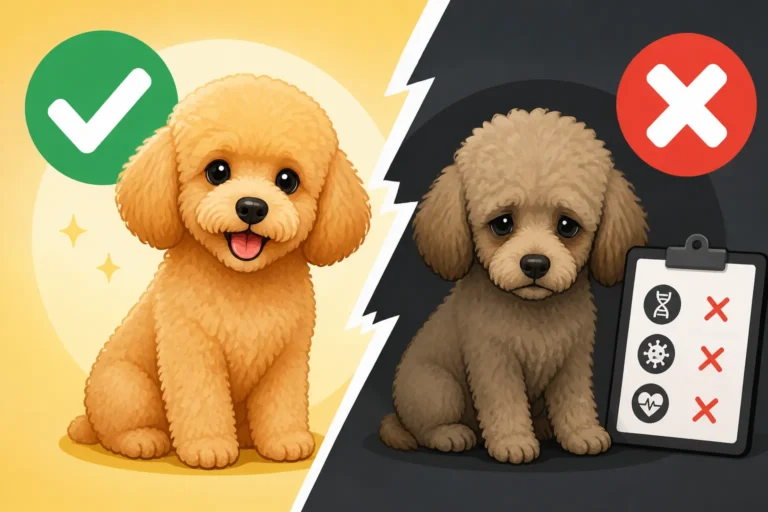
Beyond pedigree, health clearances are paramount. A good breeder will provide proof of genetic health testing for both parents. For Poodles, this includes screenings for conditions common to the breed, such as hip and elbow dysplasia, progressive retinal atrophy (PRA), Von Willebrand Disease, and thyroid issues. The Orthopedic Foundation for Animals (OFA) and the Canine Health Information Center (CHIC) are trusted databases where these results are recorded. They should be able to show you these certificates with the sire's full registered name. Additionally, a reputable breeder will share insights into the sire's temperament, usually by letting you meet him in person if he's on-site, or providing extensive videos and detailed descriptions if he's a stud dog living elsewhere. They'll also provide contact information for the sire's owner, so you can speak to them directly and verify the information.
Unveiling the Hidden Risks of an Unknown Sire
When a breeder deliberately hides the sire's identity, they are essentially asking you to take a massive gamble on your future pet's health, temperament, and overall quality of life. This isn't just about saving a few dollars; it's about the emotional and financial burden that can arise from unexpected problems down the line. The allure of a seemingly "cheaper" puppy from an evasive breeder often turns into astronomically higher vet bills and heartbreaking behavioral challenges.
It's a common scenario: a breeder might claim the sire is "just a friend's dog" or "an accidental breeding." These are almost always excuses for a lack of transparency and a way to avoid accountability. Without knowing the sire, you have no recourse if significant genetic issues arise. The breeder has successfully insulated themselves from any responsibility, leaving you to deal with the consequences alone. This alone is a strong indicator that the breeder prioritizes profit over the well-being of their animals and the families who adopt them.
Genetic Health Concerns You're Inviting
The most significant risk when the sire is unknown is the potential for devastating genetic health problems. Poodles, like all purebreds, are predisposed to certain inherited conditions. Reputable breeders work diligently to screen their breeding stock to minimize the risk of passing these on. When a sire is hidden, it's highly probable that he has not undergone these essential health screenings. This means your puppy could inherit serious conditions that lead to chronic pain, expensive medical treatments, or even a shortened lifespan.
Imagine bringing home a beautiful Poodle puppy, only to discover later that it develops a debilitating condition like Progressive Retinal Atrophy in Miniature Poodles, leading to blindness, or severe hip dysplasia requiring costly surgery. These are not minor issues. Treatments can cost thousands of dollars, easily dwarfing the initial purchase price of the puppy. Brands like Healthy Paws offer pet insurance that can help with unexpected veterinary costs, but pre-existing conditions (which could stem from unknown genetic predispositions) are often not covered. By purchasing from a breeder who hides the sire, you are essentially signing up for a higher likelihood of these heart-wrenching and financially crippling situations.
Temperament and Behavior Unknowns
Beyond physical health, the sire plays a crucial role in the temperament and behavior of his offspring. Good breeders carefully select sires not just for their looks and health, but for their stable, confident, and typical Poodle dispositions. Poodles are known for their intelligence and sensitivity, and a poorly bred Poodle can exhibit significant behavioral issues if its parents had unstable temperaments.
An unknown sire means you have no idea if the father was anxious, aggressive, overly shy, or had other undesirable traits. These traits can be inherited, making your puppy prone to similar problems. This could manifest as excessive fearfulness, resource guarding, or even aggression, which can be incredibly challenging to manage. Training classes and behaviorists can help, but it's an uphill battle that could have been avoided with proper breeder selection. You might end up needing extensive training and behavior modification, which adds another significant cost to ownership, not to mention the emotional toll of living with a dog that struggles with fear or reactivity. Why Harsh Handling Breaks a Poodle highlights the sensitive nature of the breed, emphasizing why a stable genetic foundation is so critical.
The True Cost Beyond the Purchase Price
While a puppy from a breeder hiding the sire might seem like a bargain initially, the true cost almost always outweighs any perceived savings. The potential for astronomical veterinary bills for conditions like Addison's disease, bloat surgery, or orthopedic issues cannot be overstated. These aren't just one-time expenses; some conditions require lifelong medication and care. For instance, Lifelong Treatment for an Addisonian Poodle details the ongoing financial commitment required.
Beyond medical costs, there are the expenses of behavioral intervention. If your Poodle inherits anxiety or aggression, you might be looking at consultations with certified professional dog trainers or veterinary behaviorists, specialized classes, and potentially medication. These services are not cheap. Then there's the emotional cost: the stress, worry, and heartbreak of watching your beloved pet suffer, or struggling with behavioral issues that impact your family's quality of life. When you compare these potential long-term costs to the higher, upfront price of a responsibly bred Poodle, the decision becomes clear. Investing in a healthy, well-tempered puppy from a transparent breeder is an investment in peace of mind and a happy, fulfilling life with your Poodle.
Practical Steps to Identify a Shady Breeder
Navigating the world of Poodle breeders can feel overwhelming, especially with so many people out there claiming to be reputable. However, once you know what to look for – and what to avoid – the process becomes much clearer. A breeder who hides the sire is not an isolated red flag; it's often one piece of a larger pattern of irresponsible breeding practices.
Remember, your goal is to find a breeder who prioritizes the health and welfare of their dogs above all else, and who is transparent about every aspect of their breeding program. This means being vigilant, asking tough questions, and not being afraid to walk away if something doesn't feel right. There are plenty of wonderful, ethical breeders out there who are more than happy to show you everything you need to see.
Red Flags Beyond the Missing Sire
While a hidden sire is a major warning, it's rarely the only one you'll encounter with an irresponsible breeder. Look out for these other common red flags:
- No health testing documentation: They might claim their dogs are "vet checked" or "healthy lines," but cannot produce actual OFA, CHIC, or DNA test results for relevant genetic conditions like DNA Testing a Poodle for PRA.
- Multiple breeds or "designer dogs": Breeders who churn out multiple different breeds or "Doodles" are often more interested in profit than preserving breed standards or health. They often lack specialized knowledge in any single breed.
- Unsanitary or crowded living conditions: The breeding facility should be clean, safe, and provide ample space for the dogs. Dogs should look well-groomed, happy, and healthy.
- Puppies always available: Reputable breeders usually have waiting lists. If a breeder always has puppies ready to go, it suggests they are over-breeding.
- Pushy sales tactics: They might pressure you to make a deposit immediately, or claim another buyer is waiting if you don't commit. Ethical breeders want you to take your time and make an informed decision.
- No questions for you: A good breeder will interview you as much as you interview them, ensuring their puppies go to suitable homes. If they don't care about your living situation or experience, that's a bad sign.
- Refusal to let you visit: While some legitimate breeders might have reasons for limited visitor access (like biosecurity for very young puppies), outright refusal or only offering to meet in a public place is suspicious.
Asking the Right Questions and Insisting on Answers
When you engage with a potential breeder, come prepared with a list of pointed questions. Don't be shy; you are doing your due diligence.
- "Can I see the full registered names and registration numbers for both the sire and dam?" This allows you to look them up independently.
- "Where are the health clearances for the sire and dam listed? Can I see the certificates for OFA, CHIC, and specific DNA tests like for Von Willebrand Disease in Poodles?" Demand to see actual paperwork, not just verbal assurances.
- "Can I meet the sire?" If he's not on premises, "Can I speak directly with the sire's owner?" and "Can I see photos and videos of the sire in different environments?"
- "What is the temperament of both parents like? How do they interact with strangers, children, or other animals?"
- "What do you feed your adult dogs and puppies?" Many good breeders use high-quality foods. Brands like Chewy offer a wide variety of premium dog foods and supplies, and even subscription services like Ollie deliver fresh, human-grade meals. A breeder using cheap, low-quality food might indicate cost-cutting in other areas.
- "What kind of socialization have the puppies received?" A good breeder will expose puppies to various sights, sounds, and experiences.
- "What is included in your health guarantee or contract?" Health Clauses in a Poodle Breeder Contract can vary widely, so understand what you're signing.
Leveraging Technology and Community for Due Diligence
In today's digital age, you have powerful tools at your disposal to research breeders. Start by consulting the official breed clubs for Standard, Miniature, or Toy Poodles (e.g., the Poodle Club of America). They often have breeder directories or can provide referrals to reputable members who adhere to ethical breeding standards. You can then cross-reference the registered names of the sire and dam with public databases like OFA to verify health clearances.
Social media groups dedicated to Poodles can also be a valuable resource for recommendations or warnings about specific breeders. However, always exercise caution and verify information independently. Don't be swayed by glossy websites or adorable puppy pictures alone. A simple reverse image search can sometimes reveal if a breeder is using stock photos or images from other kennels. Connecting with other Poodle owners in online forums or local dog parks can also yield personal insights and recommendations. Remember, a breeder's reputation is built over time, and a history of transparency and positive feedback is a strong indicator of trustworthiness.
The Path to Finding a Trustworthy Poodle Breeder
Finding the right Poodle puppy is a big decision, and it’s one that should be made with careful consideration and confidence in your breeder. While the journey might seem long, investing your time upfront will save you immeasurable heartache and expense in the long run. The goal isn't just to buy a Poodle, but to welcome a healthy, happy, and well-adjusted companion into your life.
A trustworthy breeder isn't just selling puppies; they are guardians of the breed, dedicated to its improvement and the welfare of every dog they bring into the world. They will see you as a partner in ensuring their puppies have the best possible lives, and will be there to support you long after your puppy comes home. This relationship is invaluable.
Where to Begin Your Search for Transparency
Your search for a transparent and ethical Poodle breeder should always start with national or regional Poodle clubs. Organizations like the Poodle Club of America uphold strict codes of ethics for their members, requiring comprehensive health testing, proper care, and adherence to breed standards. These clubs often maintain lists of member breeders or can provide referrals. For instance, if you're looking for a Standard Poodle, the Standard Poodle Club of America's website is an excellent resource for finding breeders who are deeply committed to their dogs and the breed.
Don't limit your search to just local breeders; sometimes, the best match might be a bit further afield. Many reputable breeders will be willing to communicate extensively via phone and video calls, and provide all necessary documentation digitally. Attending dog shows in your area can also be a fantastic way to meet breeders in person, see their dogs, and observe their temperaments first-hand. This allows you to engage in conversations about their breeding philosophies and gain a deeper understanding of their commitment. You can also ask them which tests a Standard Poodle breeder must test for.
Meeting Both Parents Whenever Possible
Ideally, you should always try to meet the dam (mother) of the puppies, as she plays a significant role in their early socialization and temperament development. Her disposition will give you a strong indication of what to expect from her offspring. Observe how she interacts with the breeder, with other dogs, and with you. Does she seem well-adjusted, friendly, and confident? These are traits you'd want to see passed on to her puppies.
While meeting the sire isn't always possible if he's a stud dog from another kennel, a reputable breeder will facilitate communication with his owner and provide extensive information. They will have photos, videos, and full health documentation for him. If the sire is on-site, meeting him is an incredible bonus. It allows you to assess his temperament directly, confirming he also possesses the qualities you desire in your future Poodle. This complete picture of both parents provides immense peace of mind and is a hallmark of an honest and conscientious breeding program.
Understanding Health Clearances and Contracts
Before committing to a puppy, it's absolutely crucial to review and understand all health clearances for both parents, as well as the breeder's contract. Don't just take their word for it; ask for copies of official certifications for OFA hips/elbows, eye certifications from a veterinary ophthalmologist, DNA test results for genetic conditions like Progressive Retinal Atrophy in Miniature Poodles or Von Willebrand Disease in Poodles, and thyroid panels. These documents provide objective evidence of the parents' health.
A comprehensive breeder contract should clearly outline health guarantees, responsibilities of both parties, and policies regarding returns or refunds if a significant health issue arises. It should also detail expectations regarding desexing timing across the three Poodle sizes and limited registration if applicable. A breeder who stands behind their puppies will have a clear, well-written contract that protects both you and the puppy. Be wary of contracts that are vague, overly simplistic, or place all the burden on the buyer. Transparency in documentation is just as important as transparency in communication.
Disclaimer
Please remember that this article provides general information and recommendations. Always consult with a qualified veterinarian for personalized advice regarding your Poodle's health and specific needs. Breeding practices and associated regulations can vary by region, so always ensure you are familiar with local laws and ethical guidelines.