DNA Testing a Poodle for PRA
It’s truly heartbreaking to watch a beloved Poodle slowly lose its sight, stumbling over familiar furniture, and no longer greeting you with the same bright-eyed enthusiasm. Many Poodle owners live with the fear of inherited eye conditions, and Progressive Retinal Atrophy (PRA) is one of the most devastating. This guide aims to demystify DNA testing for PRA, empowering you to understand this crucial genetic screening and take proactive steps for your Poodle’s health and future.
Unpacking Progressive Retinal Atrophy in Poodles
Progressive Retinal Atrophy, often shortened to PRA, isn't a single disease but rather a blanket term for a group of inherited degenerative diseases affecting the retina. The retina is like the film in a camera; it captures light and sends visual information to the brain. In Poodles, and indeed many breeds, PRA means the cells in the retina (specifically the rods and cones, which are responsible for vision in low light and bright light, respectively) begin to deteriorate over time. This leads to a gradual, and eventually complete, loss of vision. It’s a silent thief of sight, and for many Poodle owners, the first signs can be subtle and easily missed.
How PRA Affects a Poodle's Vision
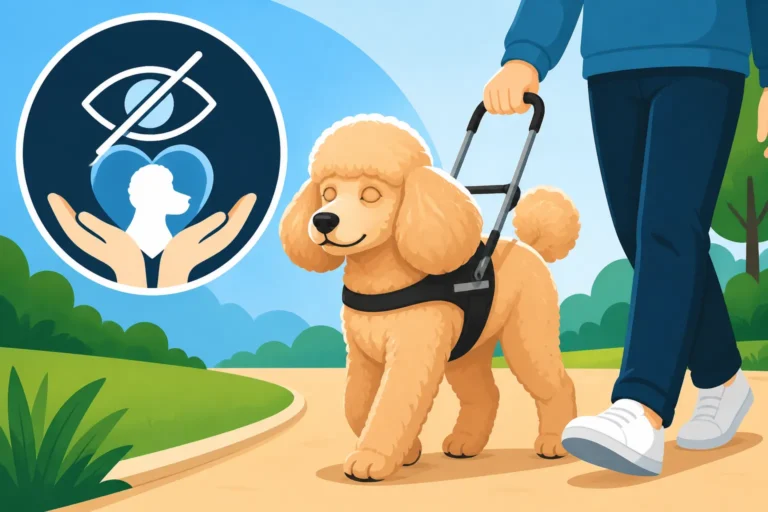
The progression of PRA can vary depending on the specific genetic mutation at play. Typically, it starts with impaired night vision. You might notice your Poodle becoming more hesitant in dimly lit rooms, bumping into objects at dusk, or being reluctant to go outside after the sun sets. This is because the rod cells, which handle low-light vision, are usually affected first. As the disease advances, cone cells, responsible for daytime and color vision, also begin to degenerate. This leads to a loss of daytime vision, eventually resulting in complete blindness.
Imagine your Poodle, once so agile and confident, becoming increasingly disoriented. They might start relying more on their other senses, their hearing and smell becoming acutely sharper. They might also cling closer to you, their "velcro" nature becoming even more pronounced as they seek reassurance and guidance. It's a tough journey, not just for the dog, but for the entire family witnessing their beloved companion's world shrink. This is why understanding the risks and proactive measures like DNA testing is so vital. You can find more detailed information on how this condition develops in our article on When Poodle Retinal Atrophy Starts.
Poodle Varieties and PRA Prevalence
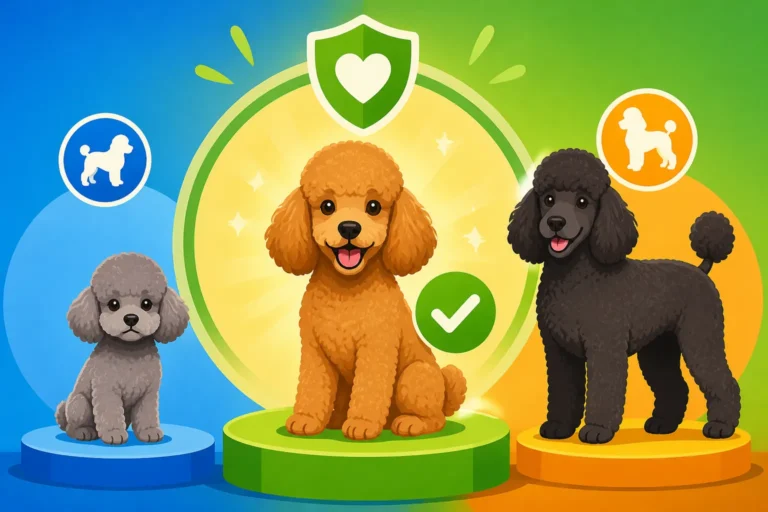
While PRA can affect all three Poodle varieties – Standard, Miniature, and Toy – certain types of PRA and specific genetic mutations tend to be more prevalent in some sizes. For instance, Progressive Rod-Cone Degeneration (PRCD-PRA) is a well-known form that affects Miniature Poodles significantly. This specific mutation has been identified and a DNA test developed, which has been a game-changer for breeders. Standard Poodles and Toy Poodles can also be affected by various forms of PRA, and ongoing research continues to identify new genetic markers. The overall picture of Inherited Blindness in Poodles is complex, but genetic testing offers a clearer path forward.
For a long time, the only way to confirm PRA was through an ophthalmic examination, often when symptoms were already advanced. This meant breeders might unwittingly pass on the affected genes for generations. The advent of DNA testing has revolutionized this, allowing breeders to identify carriers and affected dogs before symptoms ever appear, and make informed breeding decisions to reduce the incidence of this heartbreaking condition.
The Science Behind DNA Testing for PRA
DNA testing for PRA involves examining a Poodle's genetic code for specific mutations known to cause the disease. It’s a powerful tool because it doesn't just look for the presence of the disease itself, but rather the genetic predisposition or carrier status. This means breeders can know if a dog carries the gene even if it shows no symptoms, or if it will eventually develop the disease. This is fundamentally different from a veterinary eye exam, which can only diagnose the disease once it has begun to manifest.
Understanding Genetic Markers and Mutations
Genetic mutations are changes in the DNA sequence that can alter the function of a gene. In the case of PRA, these mutations typically affect genes responsible for the development and maintenance of retinal cells. Scientists have identified specific mutations for certain types of PRA, such as the PRCD gene mutation which is common in Miniature Poodles. When a lab receives a DNA sample, they use highly specialized techniques to scan the specific regions of the DNA that are known to harbor these mutations. If the mutation is present, it indicates a genetic risk.
A dog can be categorized into one of three genetic statuses based on these tests:
- Clear: The dog does not have the specific gene mutation associated with PRA and will not develop that form of PRA, nor will it pass the mutation on to its offspring.
- Carrier: The dog carries one copy of the gene mutation. It will not develop the disease itself (as PRA is often a recessive trait, meaning two copies are needed for the disease to manifest), but it can pass the mutation on to its offspring.
- Affected: The dog has two copies of the gene mutation and will likely develop the disease. The age of onset and severity can vary, but vision loss is expected.
Understanding these distinctions is paramount for responsible breeding and for future planning for your Poodle. For breeders, pairing a 'Clear' dog with a 'Carrier' can produce 'Clear' and 'Carrier' offspring, but never 'Affected.' Two 'Carriers' can produce 'Clear,' 'Carrier,' and 'Affected' offspring. Two 'Affected' dogs will only produce 'Affected' offspring.
How DNA Tests Differ from Eye Exams
It's crucial to understand that a DNA test and a veterinarian-performed eye exam serve different purposes. A DNA test provides a genetic blueprint, telling you about the potential for disease based on a dog's inherited genes. It's a predictive tool. An eye exam, performed by a veterinary ophthalmologist, looks for the physical signs of disease in the eye itself. It's a diagnostic tool that can confirm existing disease or identify other eye conditions not covered by a specific DNA test.
While DNA tests are incredibly valuable for inherited conditions like PRCD-PRA, they aren't a substitute for regular veterinary eye check-ups, especially for older Poodles or those showing any signs of vision change. A comprehensive approach involves both genetic screening for known mutations and routine eye health evaluations. For Miniature Poodles, specifically, understanding Progressive Retinal Atrophy in Miniature Poodles offers further insights into this particular challenge.
The Process of DNA Testing Your Poodle
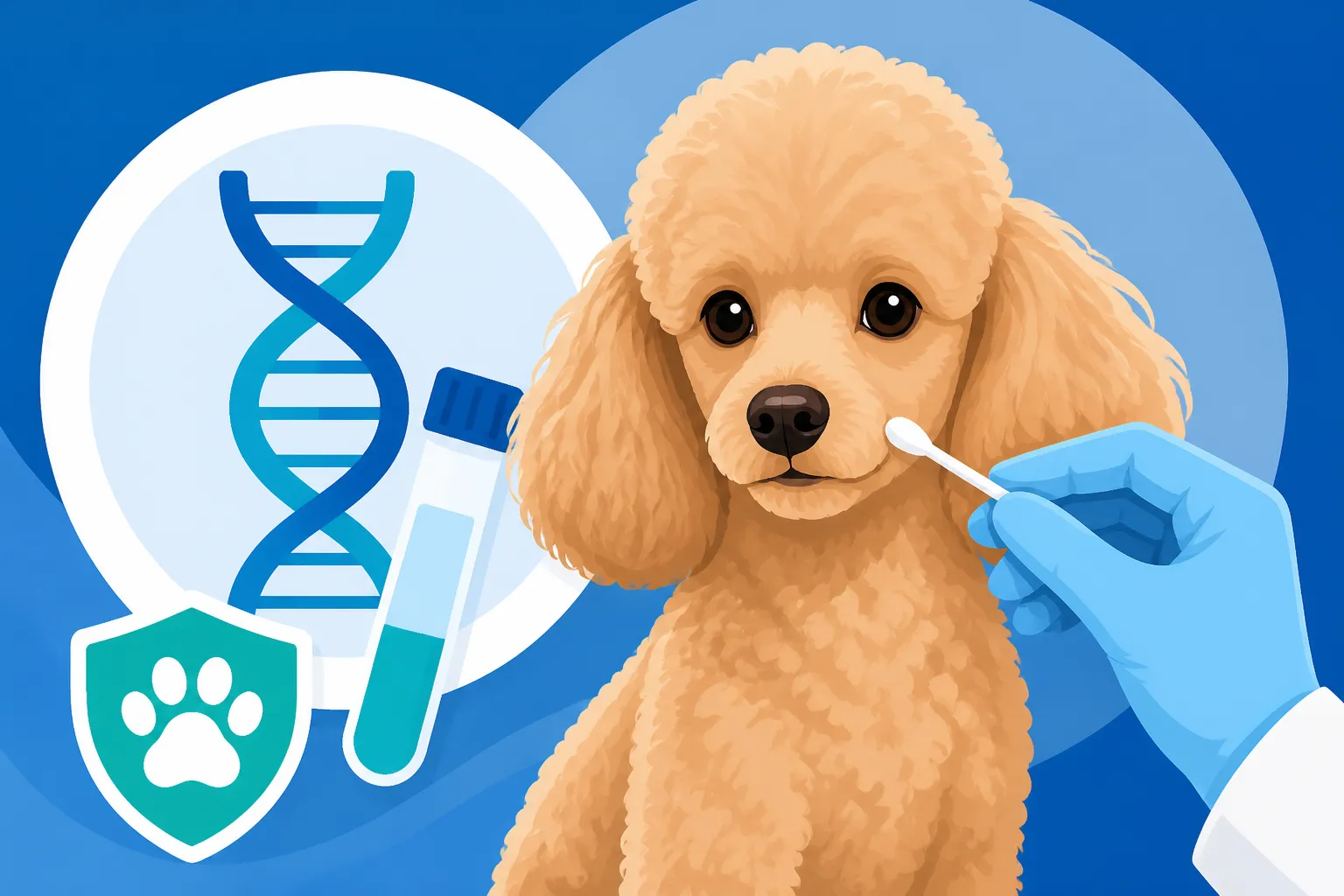
Getting your Poodle DNA tested for PRA is a surprisingly straightforward process these days, thanks to advancements in genetic testing services. It typically involves collecting a simple cheek swab at home and sending it to a specialized laboratory. No need for invasive procedures or lengthy vet visits just for the sample collection!
Choosing a Reputable Testing Laboratory
The first step is selecting a laboratory. Several reputable companies offer genetic testing for dogs, including specific panels for Poodles. Some well-known options include OptiGen, Embark Veterinary, and Canine Health Check. When choosing a lab, look for:
- Poodle-specific panels: Ensure they test for the PRA mutations relevant to Poodles (e.g., PRCD-PRA).
- Accreditation and scientific rigor: Reputable labs employ geneticists and use validated testing methods.
- Clear reporting: The results should be easy to understand, clearly stating 'Clear,' 'Carrier,' or 'Affected.'
- Turnaround time: Check how long you can expect to wait for results.
- Cost: Prices can vary, so compare options.
Many breeders will use labs like OptiGen specifically for PRCD-PRA due to their long history and specialization in canine ophthalmic genetics. Before committing, you might even check if your chosen insurance provider, like Healthy Paws, offers any insights or recommendations regarding accredited testing facilities, although they typically focus on covering treatment rather than preventative testing costs.
Collecting and Submitting the DNA Sample
Once you've chosen a lab, you'll order a testing kit. The kit usually contains sterile cotton swabs or brushes designed to collect cells from your Poodle's inner cheek.
Here’s a general step-by-step guide:
- Preparation: Ensure your Poodle hasn't eaten or drunk anything for at least an hour before sample collection. This helps prevent food particles from contaminating the swab. Some labs recommend isolating your Poodle from other dogs for a period to avoid cross-contamination if you have multiple pets.
- Swabbing: Gently rub the sterile swab firmly against the inside of your Poodle's cheek and under the tongue for about 15-30 seconds. You want to collect as many cheek cells as possible, not just saliva. Repeat this with all the swabs provided (usually 2-4 per dog).
- Drying: Allow the swabs to air dry completely for several minutes to prevent mold growth during shipping. Do not touch the swab end or let it touch any surfaces.
- Packaging: Place the dried swabs back into their designated packaging, seal them, and label them clearly with your Poodle's information.
- Shipping: Follow the lab's instructions for mailing the samples. This often involves placing them in a provided return envelope.
It's a quick and painless process for your Poodle, usually taking only a few minutes. If you have any concerns about doing it correctly, most labs have clear instructional videos or customer support to guide you. When a Poodle breeder must test for certain conditions, this is one of the primary methods they use.
Interpreting and Understanding the Results
After a few weeks (the exact timeframe depends on the lab), you'll receive your Poodle's DNA test results. They will typically be presented as 'Clear,' 'Carrier,' or 'Affected' for the specific PRA mutation tested.
- Clear: Great news! Your Poodle does not carry the gene for this specific type of PRA.
- Carrier: Your Poodle carries one copy of the gene. While your Poodle will not develop this form of PRA, it's important information for breeding.
- Affected: Your Poodle has two copies of the gene and is expected to develop this form of PRA. This doesn't mean your Poodle is blind now, but it signifies a high probability of future vision loss.
It's vital to remember that these tests are specific to known mutations. A 'Clear' result only means clear for the mutations tested, not for all possible forms of PRA or other eye diseases. Always discuss the results with your veterinarian, especially if the result is 'Carrier' or 'Affected,' to understand the implications for your Poodle's health and any future care planning. For a deeper dive into overall genetic screening, our guide on Genetic Panels for the Three Poodle Sizes provides more context.
Making Informed Decisions with PRA DNA Test Results
Receiving your Poodle's PRA DNA test results, especially if they indicate 'Carrier' or 'Affected' status, can be a moment of mixed emotions. It's natural to feel concerned, but these results are a gift of knowledge. They empower you to make proactive and responsible decisions, whether you're a pet owner planning for your Poodle's future or a breeder aiming to improve the health of the breed.
Implications for Breeding Programs
For responsible Poodle breeders, DNA testing for PRA is non-negotiable. It's a cornerstone of ethical breeding practices aimed at eradicating inherited diseases.
- Clear Poodles: These dogs are ideal for breeding as they will not pass on the PRA gene.
- Carrier Poodles: Carriers should only be bred to 'Clear' partners. This allows valuable dogs with excellent conformation and temperament to contribute to the gene pool without producing affected puppies. However, any offspring should also be DNA tested to identify future carriers.
- Affected Poodles: Dogs identified as 'Affected' should not be used for breeding, even if they have not yet developed symptoms. Breeding them would guarantee passing on the gene to all offspring, and at least some of those offspring would be affected if bred to another carrier or affected dog.
By systematically testing and carefully selecting breeding pairs, breeders can significantly reduce the incidence of PRA in future generations. This diligence is why you'll often see reputable breeders proudly publishing their dogs' genetic test results, sometimes even including details from companies like OptiGen. It's a testament to their commitment to healthy Poodles. This also plays into the larger discussion of Why the Standard Poodle Gene Pool Narrowed and the importance of diverse, healthy breeding lines.
Planning for a Poodle with PRA
If your Poodle tests as 'Affected' or if you adopt a Poodle with a known PRA diagnosis, the knowledge allows you to prepare. While there is currently no cure for PRA, you can take steps to manage the condition and ensure your Poodle lives a full, happy life as their vision declines.
- Early Veterinary Consultations: Work closely with your veterinarian and potentially a veterinary ophthalmologist. They can monitor your Poodle's eyes for secondary issues, such as cataracts, which can sometimes develop in dogs with PRA due to changes in eye metabolism. Our article on Caring for an Aging Poodle offers general advice that applies to Poodles with vision impairment.
- Environmental Adjustments: As your Poodle’s vision worsens, make their environment as safe and consistent as possible. Avoid rearranging furniture. Keep pathways clear. Use baby gates to block off stairs or dangerous areas. Consider nightlights or motion-sensor lights to help with diminishing night vision.
- Sensory Enrichment: Focus on enriching your Poodle's other senses. Scent games, puzzle toys filled with treats, and sound-based toys can keep their minds active and engaged. Continue to talk to them, offering reassurance with your voice.
- Safety Outside: Keep your Poodle on a leash in unfamiliar outdoor environments. Consider a long lead in a safe, enclosed yard to allow them some freedom. Always be mindful of potential hazards.
- Emotional Support: A Poodle’s personality is often sensitive and deeply connected to their human companions. They will rely on you more than ever. Offer plenty of verbal praise, gentle touch, and consistent routines to help them feel secure. For insights on navigating this, our piece on Guiding a Poodle Blinded by Retinal Atrophy can be incredibly helpful.
While the diagnosis of PRA is undeniably tough, DNA testing provides invaluable foresight. It transforms a potential future shock into a manageable path, allowing you to give your Poodle the best possible care and quality of life, no matter their vision status. Remember that pet insurance like Healthy Paws may cover diagnostic tests and ongoing care related to PRA, provided the condition isn't pre-existing, so it’s always wise to look into policies early in your Poodle’s life.
Navigating the Emotional Impact of a PRA Diagnosis
Learning your beloved Poodle is a carrier or, even more challenging, affected by Progressive Retinal Atrophy can be an emotional rollercoaster. It's completely normal to feel a mix of sadness, anxiety, and even a sense of guilt. However, it's crucial to channel these feelings into proactive steps, focusing on providing your Poodle with the best quality of life and leveraging the knowledge gained from DNA testing.
Coping with the News and Planning for the Future
When you receive an 'Affected' result, it's easy to immediately picture a blind dog struggling. Take a deep breath. An 'Affected' result means your Poodle will likely develop PRA, not that they are blind today. The progression is gradual, offering you time to adapt and prepare.
- Seek Support: Talk to your veterinarian, a veterinary ophthalmologist, or other Poodle owners who have experience with PRA. Online communities or Poodle clubs can offer invaluable emotional support and practical advice. Knowing you're not alone can make a huge difference.
- Focus on the Present: While planning is important, don't let the future overshadow the joy you share with your Poodle right now. Continue with your routines, play their favorite games, and cherish every moment. Your Poodle still relies on your happiness and stability.
- Educate Yourself: The more you learn about PRA, its progression, and how dogs adapt, the more confident you'll feel. Understanding the nuances of the condition, like the typical timeline for Poodle Lifespan Across the Three Sizes in relation to disease onset, can help set realistic expectations.
Remember that Poodles are remarkably adaptable creatures. Their intelligence and their deep bond with their families mean they can adjust incredibly well to vision loss, often surprising their owners with their resilience. Your love and consistent support will be their guiding light.
Advocating for Responsible Breeding
If you’re a Poodle owner who has chosen to DNA test your pet, you’re already part of the solution. Even if your Poodle is 'Clear,' sharing your experience and encouraging other owners and prospective breeders to test can make a significant impact.
- Promote Testing: Talk about DNA testing for PRA with fellow Poodle enthusiasts. Share information about the reputable labs and the importance of screening.
- Support Ethical Breeders: If you know breeders who prioritize health testing, including comprehensive genetic panels, advocate for them. Their dedication is vital for the future health of the Poodle breed. When looking for a puppy, always ask a breeder for proof of genetic testing, including PRA status, for both parents. A reputable breeder will be transparent and proud to show you their documentation.
- Consider Data Contribution: Some testing labs allow you to contribute your Poodle's genetic data anonymously to research efforts. This can help scientists identify new genetic markers and better understand inherited diseases, ultimately benefiting all Poodles.
By understanding PRA and embracing DNA testing, we can work together to protect the future of this elegant and intelligent breed, ensuring that Poodles continue to bring joy to families for generations to come.
| PRA Genetic Status | Explanation | Breeding Recommendation | Care Implications for Pet Owners |
|---|---|---|---|
| Clear | No copies of the specific PRA mutation detected. | Ideal for breeding. | No risk of developing this form of PRA. |
| Carrier | One copy of the specific PRA mutation detected. Dog will not develop the disease. | Breed only with 'Clear' partners. Test offspring. | No direct health impact for the Poodle. |
| Affected | Two copies of the specific PRA mutation detected. Dog will develop the disease. | Should not be bred. | Plan for gradual vision loss; implement environmental adjustments. |
Disclaimer
The information provided in this article is for educational and informational purposes only, and does not constitute veterinary advice. Always consult with a qualified veterinarian or veterinary specialist for any health concerns or before making any decisions about your Poodle's medical care.