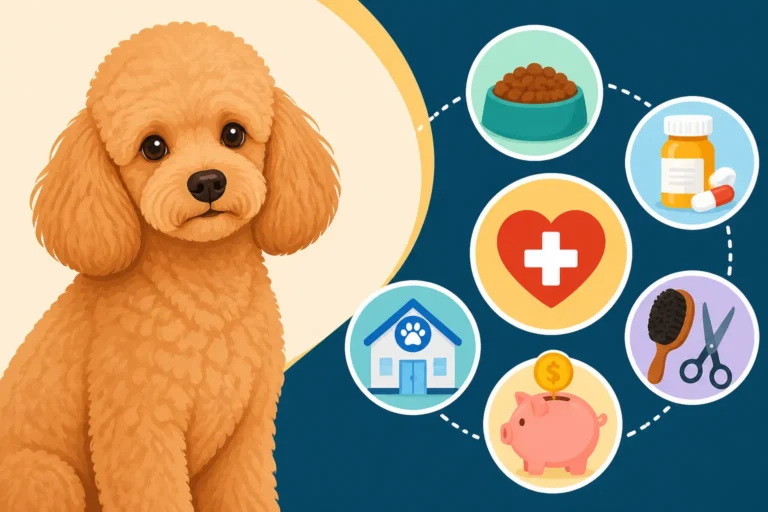
Insuring a Poodle Before an Addison’s Episode
The emotional and financial strain of a Poodle receiving a chronic illness diagnosis can be absolutely heartbreaking, particularly when you’re suddenly faced with ongoing vet bills and medication costs that seem impossible to manage. Many Poodle owners find themselves wishing they had planned for the unexpected, especially with conditions like Addison's Disease, which can be both complex to diagnose and expensive to treat for a lifetime. This guide is here to walk you through exactly why and how getting pet insurance before any symptoms appear is your best defense against future financial heartache, helping you understand the crucial timelines and policy details.
The Hidden Threat: Understanding Addison's Disease in Poodles
Addison's Disease, also known as hypoadrenocorticism, is one of those conditions that often catches Poodle owners by surprise, and it's particularly prevalent in Standard Poodles. It's an endocrine disorder where the adrenal glands, located near the kidneys, don't produce enough vital hormones, primarily cortisol and aldosterone. These hormones are essential for managing stress, regulating metabolism, and maintaining electrolyte balance in the body. When they're deficient, a dog’s entire system can go haywire.
The frustrating part about Addison's is that its initial symptoms are incredibly vague and can mimic so many other common ailments or even just a Poodle being "off." You might notice your Poodle is unusually lethargic, has a reduced appetite, experiences intermittent vomiting or diarrhea, or just seems generally unwell. Sometimes, they might even seem to be "sulking," which can tragically lead to delays in diagnosis if their sensitive Poodle temperament is mistaken for something else. This ambiguity is why Addison's is often called "the great pretender" in the veterinary world. By the time clear, severe symptoms like profound weakness, collapse, or shock (known as an "Addisonian crisis") manifest, the situation has become critical, demanding immediate and often costly emergency care.
The diagnostic process itself can be a journey. Vets typically start with blood tests looking for electrolyte imbalances (high potassium, low sodium) and then confirm with an ACTH stimulation test, which is a specialized diagnostic procedure. Once diagnosed, the treatment for an Addisonian Poodle is lifelong. It involves daily oral medication, typically prednisone, to replace cortisol, and monthly injections of desoxycorticosterone pivalate (DOCP), like Zycortal or Percorten-V, to replace aldosterone. This regimen is critical for maintaining their health and preventing life-threatening crises. While manageable, these medications and regular vet check-ups add up, making the financial aspect a serious concern for many families. Learning about the specifics of Addison's Disease in Standard Poodles can truly open your eyes to the challenges involved, and understanding Lifelong Treatment for an Addisonian Poodle highlights the ongoing commitment.
The Pre-Existing Condition Catch: Why Timing Your Insurance Matters
Here’s the absolute crux of why timing is everything: pet insurance policies almost universally exclude pre-existing conditions. A pre-existing condition, in the eyes of an insurer, is any illness, injury, or symptom that was observed, diagnosed, or treated by a veterinarian before your policy's waiting period ended. This isn't just about a formal diagnosis; if your vet noted any signs that could potentially be related to Addison's, even if they didn't diagnose it at the time, the insurer could later flag it as pre-existing.
Imagine this scenario: your beloved Poodle starts having intermittent bouts of vomiting and lethargy. You take them to the vet, who performs some initial tests, perhaps rules out common issues, and suggests monitoring. A few weeks later, you decide to get pet insurance, and the policy has a 14-day waiting period. Three months down the line, your Poodle has a full-blown Addisonian crisis, leading to a confirmed diagnosis. When you submit the claim, the insurer reviews your Poodle’s past medical records. They see the initial vet visit where "vomiting and lethargy" were noted, even if Addison's wasn't suspected then. Because those symptoms occurred before your policy's waiting period, they could deem Addison's a pre-existing condition, and refuse to cover any costs related to its diagnosis or treatment. This is where the gut-punch really lands for so many owners.
Some insurance companies might differentiate between "curable" and "incurable" pre-existing conditions. For instance, a one-time ear infection might be considered curable, and if it doesn't recur for a certain period (e.g., 6-12 months), future ear infections might be covered. However, Addison's Disease is an incurable chronic condition, meaning once it's noted in your Poodle's medical history, it's highly unlikely any pet insurance policy will ever cover it if it was deemed pre-existing. This is why securing a policy for your Poodle before any suspicious symptoms arise is paramount, ideally when they are a healthy puppy or young adult. If you're wondering about the precise diagnostic steps, our article on Diagnosing Addison's in a Standard Poodle goes into more detail, emphasizing the path to official confirmation.
Navigating Policies: What to Look For Before Addison's Strikes
Choosing the right pet insurance policy can feel like navigating a maze, but understanding the key components will make a world of difference. Your goal is to find a comprehensive plan that offers robust coverage for unexpected illnesses and accidents, before anything like Addison's makes an appearance on your Poodle's health record.
When you're shopping around, you'll generally encounter three main types of plans:
- Accident-Only Plans: These are the most basic and least expensive. They cover injuries like broken bones, lacerations, or being hit by a car. They do not cover illnesses, chronic conditions, or hereditary diseases, making them unsuitable for protecting against something like Addison's.
- Accident & Illness Plans: This is the gold standard for comprehensive coverage. These plans cover accidents and a wide range of illnesses, including chronic conditions, hereditary conditions (if not pre-existing), infections, cancer, and more. This is the type of policy you absolutely need to consider for Addison's Disease. Most reputable providers, like Healthy Paws, offer excellent accident and illness plans, but their pre-existing condition clause will be standard across the board.
- Wellness Plans: These are typically add-ons or separate plans that cover routine and preventive care, such as annual exams, vaccinations, heartworm medication, and dental cleanings. While great for general maintenance, they do not cover unexpected illnesses or accidents.
Here's a breakdown of what to scrutinize in an Accident & Illness plan:
Understanding Deductibles, Reimbursement Rates, and Annual Limits
These three factors directly impact your out-of-pocket costs:
- Deductible: This is the amount you pay first before your insurance company starts reimbursing you. Deductibles can be annual (you pay it once per policy year) or per-incident (you pay it for each new condition). Most modern plans, including many available through marketplaces like Chewy Pet Insurance, offer annual deductibles, which are generally preferable for chronic conditions. A lower deductible means higher monthly premiums, and vice-versa.
- Reimbursement Rate: This is the percentage of eligible vet bills the insurance company will pay after you've met your deductible. Common rates are 70%, 80%, or 90%. If you have an 80% reimbursement rate and a $1,000 vet bill (after your deductible is met), the insurer pays $800, and you pay $200.
- Annual Limit: This is the maximum amount the insurance company will pay out in claims within a policy year. Limits can range from a few thousand dollars to unlimited. For chronic conditions like Addison's, which can cost thousands per year, an unlimited or very high annual limit is highly recommended. You can gain further insight into the potential financial burden by exploring What Addison's Costs a Poodle Owner Yearly.
Key Policy Inclusions and Exclusions
Beyond the basics, always dig into the policy details, paying special attention to:
- Waiting Periods: Every policy has waiting periods – typically a few days for accidents (e.g., 2-5 days) and longer for illnesses (e.g., 14-30 days). Some policies also have extended waiting periods for specific conditions like orthopedic issues (e.g., 6-12 months for hip dysplasia). Ensure your Poodle is symptom-free during these periods.
- Hereditary and Congenital Conditions: Confirm that the policy covers hereditary conditions (those passed down through genetics) and congenital conditions (those present from birth). Poodles are prone to several hereditary conditions, and Addison's is thought to have a genetic component, so this coverage is vital. Our article on Whether Addison's Runs in Poodle Lines delves into this genetic aspect.
- Coverage for Diagnostics and Treatments: A good policy will cover a wide range of diagnostic tests (blood work, X-rays, ultrasounds, specialized tests like ACTH stims), specialist visits, hospitalizations, surgeries, emergency care, and prescription medications. For a condition like Addison's, continuous medication and regular monitoring are essential, so prescription drug coverage is non-negotiable.
Here’s a simplified table comparing typical policy features:
| Policy Type | Accident-Only | Accident & Illness (Standard) | Accident & Illness (Premium) | Wellness Plan (Add-on) |
|---|---|---|---|---|
| Accidents Covered? | Yes | Yes | Yes | No |
| Illnesses Covered? | No | Yes | Yes | No |
| Chronic Conditions? | No | Yes (if not pre-existing) | Yes (if not pre-existing) | No |
| Hereditary Cond.? | No | Yes (if not pre-existing) | Yes (if not pre-existing) | No |
| Deductible Range | Low | Medium to High | Low to Medium | N/A (often part of monthly fee) |
| Reimbursement | 70-90% | 70-90% | 80-100% | N/A (fixed benefits) |
| Annual Limit | Low to Medium | Medium to High | High to Unlimited | Typically fixed annual amount |
| Ideal for Addison's | No | Yes | Yes | No |
Long-Term Strategy: Beyond the Initial Diagnosis
Once your Poodle is diagnosed with Addison's Disease, if you've been proactive and secured insurance before any symptoms or diagnosis, your ongoing treatment costs will be significantly mitigated. This is the peace of mind you were aiming for. The insurance company will cover eligible costs, allowing you to focus on your Poodle’s health rather than the overwhelming financial burden.
However, if you're reading this and your Poodle already has a diagnosis of Addison's, or has experienced symptoms that were noted in their vet records, obtaining insurance that covers this specific condition will be virtually impossible. It will be deemed a pre-existing condition, and all related costs will be excluded from coverage. In such cases, your options include:
- Self-Funding: This means setting aside an emergency fund specifically for your Poodle's medical needs. This is a crucial strategy regardless of insurance, as policies never cover 100% of costs, and some services might not be eligible.
- Considering Accident-Only Coverage: While it won't help with Addison's, an accident-only plan could still provide some financial relief if your Poodle has an unrelated accident in the future.
- Exploring Financial Aid Programs: There are various charitable organizations and programs that assist pet owners with vet bills, especially for chronic or emergency conditions. These are often means-tested, but worth investigating.
For Poodle owners with a healthy pup, the message is clear: the best time to insure your Poodle is now. Don't wait for a scare or a subtle symptom. Get a comprehensive accident and illness policy in place as soon as possible after bringing your Poodle home, ensuring all waiting periods are cleared while they are perfectly healthy. This simple step can save you untold stress and thousands of dollars down the line, giving your Poodle the best chance at a long, happy, and well-managed life, no matter what health challenges may arise.
Disclaimer
This article is for general informational purposes only and does not constitute professional advice. Laws, prices and regulations vary by location and change over time. Consult a qualified professional for guidance on your specific situation.