Whether Addison’s Runs in Poodle Lines
It's an utterly heartbreaking thought, isn't it? You bring home your beloved Poodle, full of joy and anticipation, only to learn about conditions like Addison's disease that can cast a shadow over their future. Many Poodle parents grapple with the worry that this "great pretender" disease could be lurking in their dog's genetic background, particularly because it's known to cluster in certain family lines. This guide aims to thoroughly explore the hereditary nature of Addison's disease in Poodles, helping you understand the risks, what to look for, and how to navigate this complex health concern with knowledge and proactive care.
Understanding Addison's Disease in Poodles
Addison's disease, also known as hypoadrenocorticism, is a condition that often catches Poodle owners off guard, primarily because its symptoms can be incredibly vague and mimic so many other ailments. It's a serious endocrine disorder, but with early detection and proper management, Poodles can still live full and happy lives. The initial worry, though, is absolutely valid given how sneaky it can be.
What Exactly Is Addison's Disease?
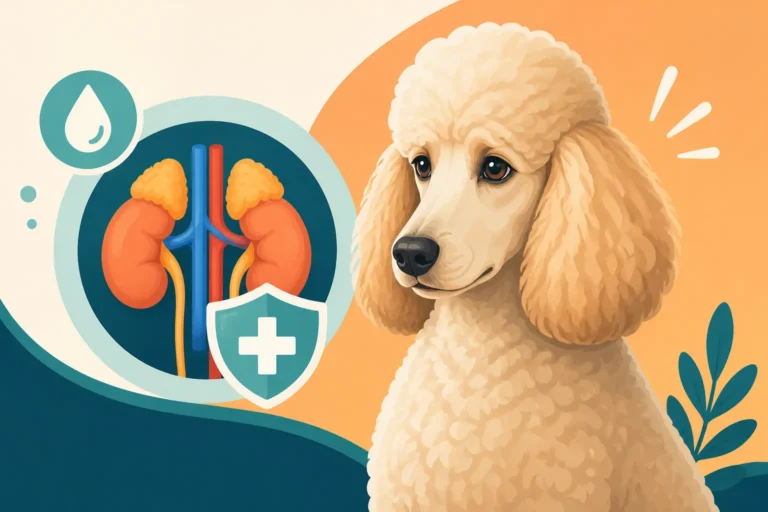
At its core, Addison's disease is a malfunction of the adrenal glands, which are tiny, bean-shaped organs located near your Poodle's kidneys. These glands are responsible for producing several crucial hormones, primarily cortisol and aldosterone. Cortisol is the body's natural steroid, vital for managing stress, regulating metabolism, and suppressing inflammation. Aldosterone, on the other hand, plays a key role in balancing electrolytes like sodium and potassium, which impacts blood pressure and kidney function.
In a Poodle with Addison's disease, these adrenal glands simply don't produce enough of these hormones. This deficiency can gradually build up, leading to a host of subtle and often intermittent symptoms. When the body's stress response system is compromised, even minor stressors can cause a significant downturn in health, sometimes leading to a life-threatening adrenal crisis if not recognized and treated promptly. It’s a systemic problem that affects almost every aspect of your dog’s well-being, which is why early understanding is so important.
How Addison's Manifests in Poodles
The reason Addison's disease earned its nickname "the great pretender" is because its signs are so non-specific. You might notice your Poodle experiencing lethargy, a decreased appetite, vomiting, diarrhea, or perhaps just a general "off" feeling that comes and goes. Sometimes, owners report waxing and waning symptoms where their Poodle seems fine for a few days, then feels poorly again. This inconsistency makes it incredibly frustrating to pin down, often leading to multiple vet visits before a definitive diagnosis is made.
You might observe your Poodle being unusually quiet, reluctant to play, or even appearing depressed. Some Poodles might show signs of dehydration, increased thirst, or frequent urination. More severe symptoms, often indicative of an adrenal crisis, can include sudden weakness, collapse, severe vomiting, or even shock. Recognizing these subtle shifts in your Poodle's behavior and energy levels is critical, as they are often the First Signs of Addison's in a Poodle. Every Poodle is different, and their symptoms can vary, making it a true diagnostic challenge for veterinarians and a source of immense anxiety for owners.
The Strong Genetic Link to Poodle Lines
The question of whether Addison's runs in Poodle lines is a deeply concerning one for anyone considering or owning one of these magnificent dogs. Unfortunately, the answer is a resounding yes. Addison's disease has a well-documented hereditary component, particularly within the Poodle breed, with Standard Poodles being notably overrepresented. This genetic predisposition means that if a Poodle’s ancestors had Addison's, the risk of their offspring developing it is significantly higher.
Evidence of Heritability
Numerous studies and veterinary observations have provided substantial evidence for the heritable nature of Addison's disease in Poodles. Researchers have identified certain genetic markers and patterns of inheritance that strongly suggest a genetic susceptibility. While it’s not a simple one-gene mutation like some other conditions, the clustering of cases within specific family trees paints a clear picture: genetics play a major role. This is why a good breeder is so critical – they track these lineages meticulously to try and reduce the incidence in their breeding programs.
The disease appears to be polygenic, meaning multiple genes contribute to its development, and it often has an autoimmune basis, where the body mistakenly attacks its own adrenal glands. This complex genetic interplay is a significant challenge for breeders trying to eliminate the disease from their lines. It highlights the importance of understanding the full health history of not just the parents, but also grandparents and even great-grandparents, when choosing a Poodle puppy.
Breeds Most Affected
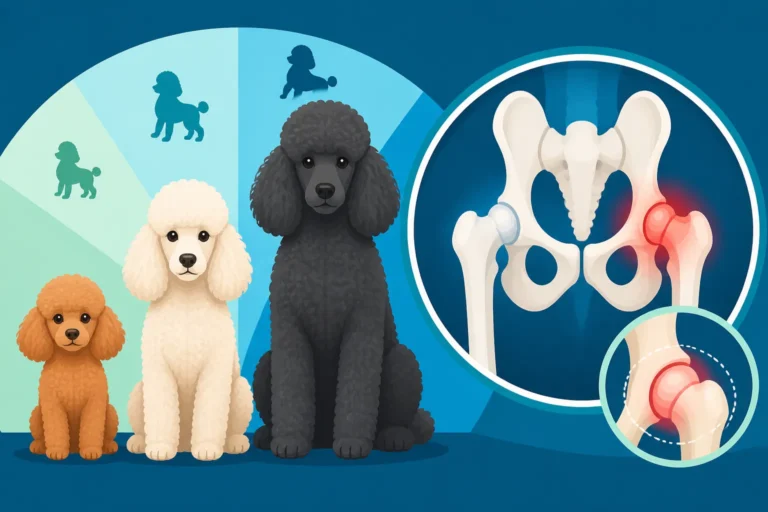
While Addison's disease can occur in any dog breed, certain breeds, including the Standard Poodle, Portuguese Water Dog, West Highland White Terrier, Great Dane, and Bearded Collie, have a significantly higher incidence. Standard Poodles, in particular, are known for carrying a predisposition to several autoimmune conditions, and Addison's is unfortunately one of the most prominent. This is a painful reality for many Standard Poodle owners and reflects the historical narrowing of the breed's gene pool.
This increased risk in Poodles means that any Poodle, regardless of size, could potentially be affected, though Standard Poodles face the highest genetic risk. This specific vulnerability is a testament to the fact that while Poodles are intelligent and beautiful companions, they do come with certain breed-specific health challenges that owners must be aware of. Understanding that your Poodle belongs to a high-risk group is the first step in proactive health management and responsible pet ownership.
Specific Poodle Lines and Family Histories
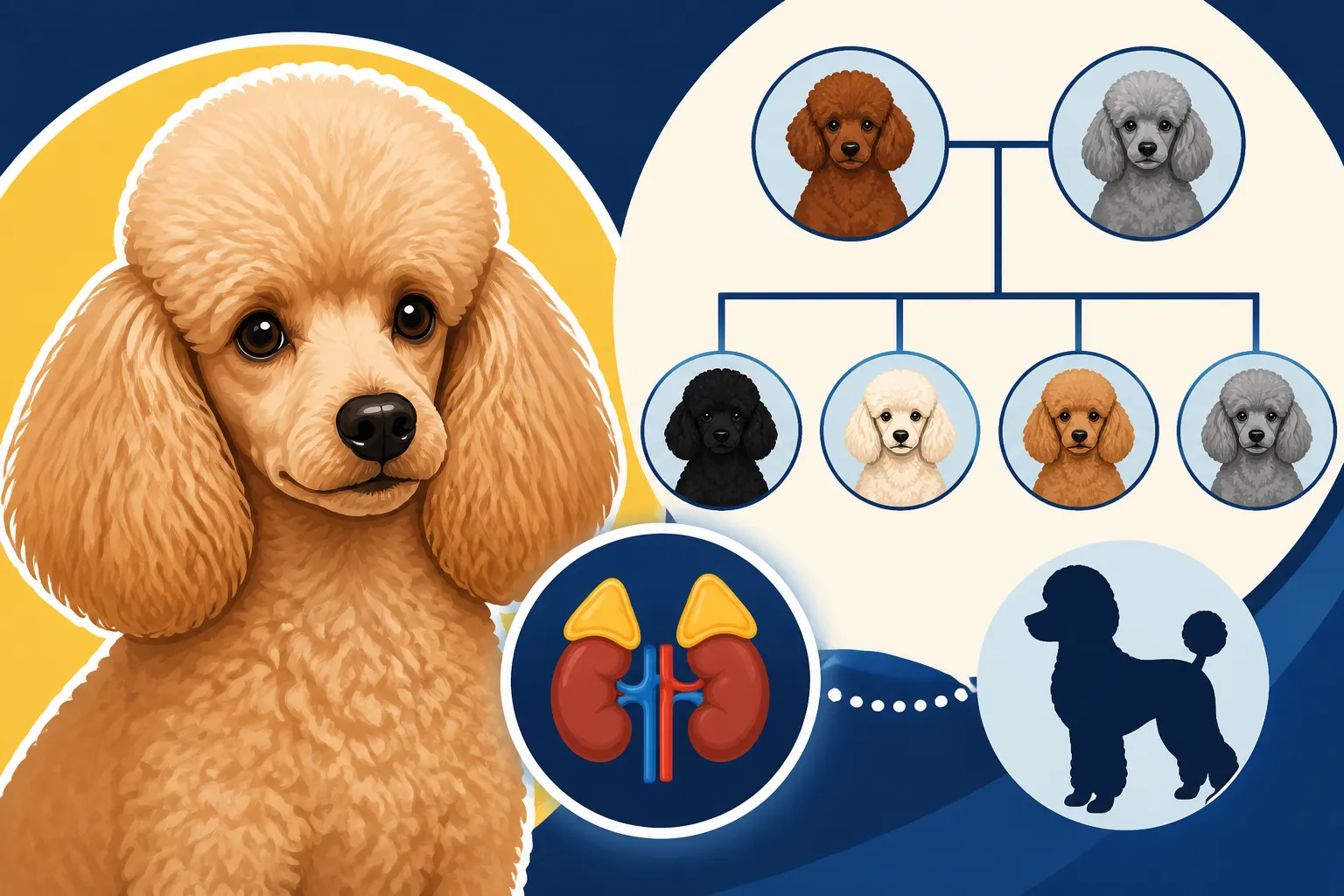
Within the Poodle community, particularly among ethical breeders, there's a painful but necessary awareness of "Addison's lines." These are specific family trees or kennels where the disease has appeared repeatedly over generations. Good breeders are meticulous in their record-keeping and transparent about the health histories of their breeding stock and their relatives. They understand that even if a parent dog doesn't have Addison's, they could be carriers if it's present in their lineage.
This is why merely looking at the immediate parents isn't enough; you need to delve deeper into the pedigree. A responsible breeder will be open about any Addison's cases in their lines, even if they've taken steps to breed away from it. They'll also be actively involved in health testing and research to minimize the risk to future generations. The prevalence of Addison's Disease in Standard Poodles means that serious consideration must be given to the genetic background of any puppy you consider bringing home. This isn't just about avoiding a sick dog; it's about supporting ethical breeding practices that aim to improve the health of the entire breed.
Navigating the Hereditary Aspect as a Poodle Owner
Dealing with the hereditary aspect of Addison's disease can feel overwhelming, but arming yourself with knowledge and asking the right questions can make a world of difference. Your approach to selecting a Poodle, and the ongoing care you provide, are both critical in mitigating risks and ensuring the best possible outcome for your furry family member.
The Importance of Breeder Transparency
When you're looking for a Poodle puppy, the breeder is your first and most crucial line of defense against hereditary conditions like Addison's. A reputable breeder will be completely transparent about the health history of their breeding dogs and their extended family. Don't be shy about asking direct questions:
- Have any dogs in your lines (parents, grandparents, siblings) been diagnosed with Addison's disease?
- What steps are you taking to avoid passing on a predisposition to Addison's?
- Can I see the health clearances and pedigrees of the parents?
An ethical breeder will appreciate your thoroughness and be eager to share this information. They will understand your concern because they share it. They'll show you health testing results for other conditions, discuss their breeding philosophies, and explain how they track health outcomes in their puppies. If a breeder is evasive or dismissive when you ask about Addison's, it's a significant red flag. This kind of transparency is paramount to finding a truly healthy Poodle puppy.
Genetic Testing and Health Certifications
While there isn't one single, definitive genetic test for Addison's disease that can predict with 100% certainty if a Poodle will develop the condition, research is ongoing. Instead, breeders rely on a combination of known pedigree history and general genetic health panels to inform their breeding decisions. They look for patterns within family lines and track the occurrence of the disease. Organizations like the Orthopedic Foundation for Animals (OFA) track various health clearances, though Addison's isn't a direct "pass/fail" test in the same way hip dysplasia is.
For Poodles specifically, knowing if their lines have been tested for other autoimmune conditions, or if any relatives have had Addison's, is vital. Some breeders will participate in research studies to help identify potential genetic markers. Asking Which Tests a Standard Poodle Breeder Runs should be a key part of your conversation. While there may not be a simple test to "clear" a Poodle from Addison's risk entirely, a responsible breeder’s knowledge of their lines and commitment to health screening is the next best thing.
What to Do If Your Poodle Is Diagnosed
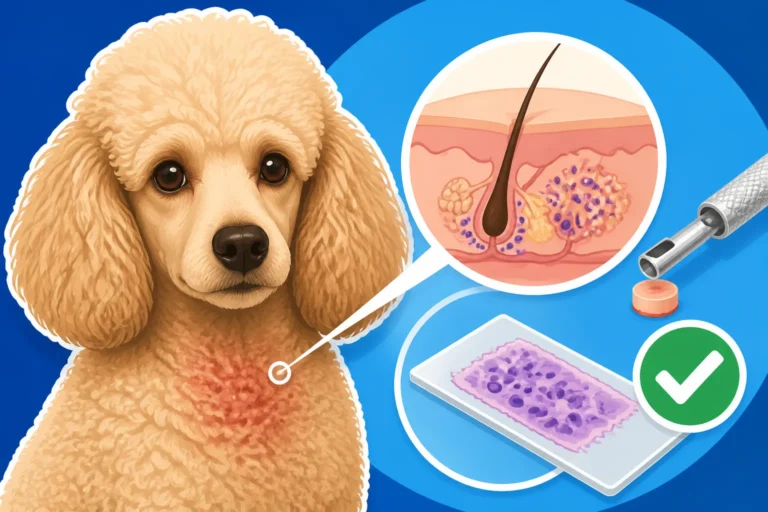
Receiving an Addison's diagnosis for your Poodle can be devastating, but it's important to remember that it's not a death sentence. While it's a serious condition, it's highly manageable with proper veterinary care. The first step is typically an ACTH stimulation test, which is the most definitive way to How a Vet Confirms Poodle Addison's. Once diagnosed, your Poodle will need lifelong hormone replacement therapy. This usually involves daily oral medication (prednisone to replace cortisol) and/or monthly injectable medication (Percorten-V or Zycortal to replace aldosterone).
Working closely with your veterinarian is essential to find the right balance of medication for your Poodle. The good news is that with consistent treatment, most Poodles with Addison's can lead normal, active lives. You'll need to be diligent about medication schedules and regular vet check-ups. It's a commitment, but the reward is a healthy, happy companion. You might also find yourself discussing Lifelong Treatment for an Addisonian Poodle with your vet and potentially a specialist.
| Common Addison's Symptoms | Typical Owner Interpretation (before diagnosis) | What It Might Really Mean |
|---|---|---|
| Lethargy/Weakness | Just tired, lazy, getting old, not enough sleep | Adrenal insufficiency affecting energy |
| Decreased Appetite | Picky eater, upset stomach, not feeling well | Hormone imbalance affecting digestion |
| Vomiting/Diarrhea | Ate something bad, stomach bug, diet change | Electrolyte imbalance, gut inflammation |
| Shaking/Trembling | Cold, scared, nervous, excited | Electrolyte imbalance, pain, weakness |
| Increased Thirst/Urination | Drinking a lot, bladder infection | Kidney issues from electrolyte imbalance |
| Intermittent Symptoms | Stress, weather changes, general malaise | Classic Addison's "waxing and waning" |
| Weight Loss | Not eating enough, high metabolism | Inability to process nutrients properly |
| Collapse/Shock | Acute emergency, sudden illness | Adrenal crisis, requires immediate vet care |
Mitigating Risk and Supporting Your Poodle
Even with the genetic component, there are proactive steps you can take to mitigate risk and provide excellent support for your Poodle throughout their life. It's about being an informed and attentive owner, working collaboratively with your veterinary team, and planning for the unexpected.
Communicating with Your Veterinarian
Establishing an open and honest relationship with your veterinarian is paramount for a Poodle owner, especially concerning conditions like Addison's. Don't hesitate to discuss any concerns you have about your Poodle's health, no matter how minor they seem. If you suspect any of the vague symptoms associated with Addison's, bring them up directly with your vet. Mentioning that Poodles are a high-risk breed might prompt them to include an Addison's workup earlier in the diagnostic process, potentially saving precious time.
Provide your vet with a complete picture of your Poodle's health history, including their genetic background if you know it. If you've chosen a Poodle from a line known to have some incidence of Addison's, share that information. This transparency allows your vet to be more vigilant and consider Addison's earlier, rather than chasing other common ailments first. Good communication can dramatically shorten the time it takes to diagnose and begin treatment, which is crucial for conditions where The Hour That Decides a Bloating Standard Poodle (while related to bloat, highlights the critical nature of quick action in emergencies).
Proactive Care and Early Detection
Proactive care for a Poodle with a potential genetic predisposition to Addison's involves a vigilant eye and understanding your dog's normal behavior intimately. Since Addison's symptoms can be so subtle and intermittent, being attuned to any changes in your Poodle's energy levels, appetite, thirst, or bathroom habits is key. Keep a journal of any concerning symptoms, noting when they occur, their duration, and any potential triggers. This detailed information can be invaluable to your vet.
Regular wellness exams are also essential. During these visits, your vet can conduct routine blood work that might reveal subtle electrolyte imbalances (like high potassium and low sodium) that are classic indicators of Addison's, even before overt clinical signs appear. While these blood tests aren't diagnostic on their own, they can raise a red flag and prompt further, more specific testing. Early detection vastly improves the prognosis and prevents the more severe, crisis-level manifestations of the disease. You might also consider discussions about Genetic Panels for the Three Poodle Sizes to understand overall breed risks.
Pet Insurance Considerations for Poodles
Given the hereditary nature and the lifelong treatment required for Addison's disease, pet insurance can be a genuine lifeline for Poodle owners. Many policies, like those from Healthy Paws, offer coverage for chronic conditions, which would include Addison's disease, provided it's not considered a pre-existing condition before you enroll. This is a crucial point: it’s wise to enroll your Poodle in a comprehensive pet insurance plan as early as possible, ideally when they are a puppy, before any symptoms of Addison's or other hereditary conditions might emerge.
Once a diagnosis is made, the ongoing costs of medication and regular veterinary check-ups can be substantial. For example, Monthly Medication Costs for an Addisonian Poodle can quickly add up, and without insurance, this can become a significant financial burden. Companies like Healthy Paws can help cover these expenses, offering peace of mind. It’s important to review policy details carefully to understand coverage limits, deductibles, and reimbursement rates, especially concerning chronic and hereditary conditions. Don't wait until you're already facing a diagnosis to consider insurance, as that will almost certainly classify it as a pre-existing condition, leaving you without coverage for that specific ailment.
Disclaimer
This article is intended for informational purposes only and is not a substitute for professional veterinary advice, diagnosis, or treatment. Always seek the advice of your veterinarian or other qualified animal health provider with any questions you may have regarding a medical condition.