How Long Until a Shaved Poodle Looks Right
It's incredibly jarring, isn't it? One day your Poodle is a fluffy, elegant creature, and the next, they've been shaved down to what feels like bare skin. Whether it was due to severe matting, a necessary surgical procedure, or a well-intentioned (but perhaps misguided) attempt at a fresh start, that raw, short coat can leave you wondering, "How long until my Poodle looks like my Poodle again?" This guide is here to walk you through the regrowth journey, what to expect, and how to care for your beloved companion during this awkward phase.
Understanding Why a Poodle's Coat Might Need a Shave-Down
The decision to shave a Poodle completely down isn't one taken lightly by a reputable groomer, and it's certainly not a common aesthetic choice. More often than not, it's a critical step for the dog's health and comfort.
The Reality of Severe Matting
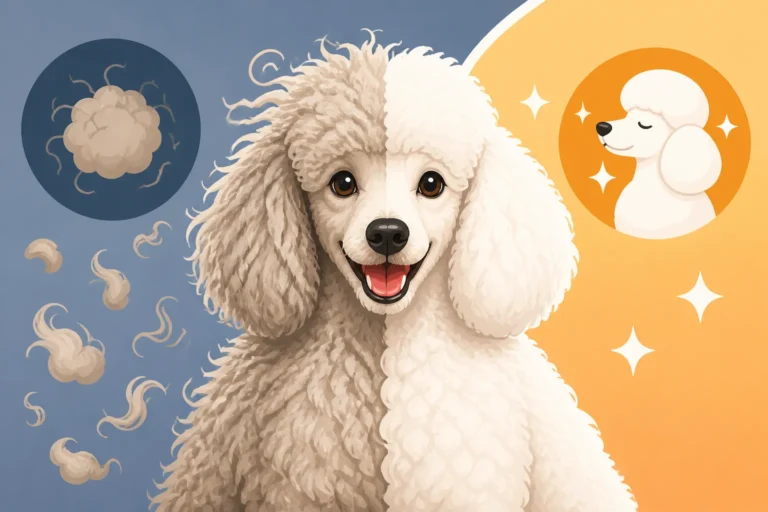
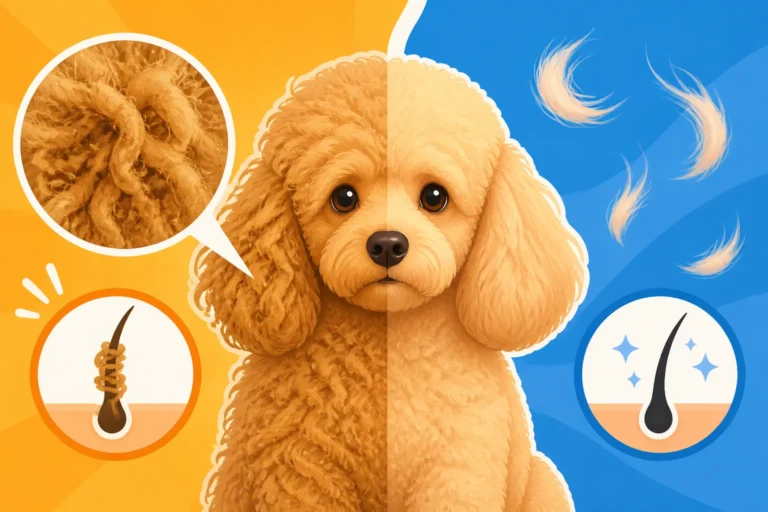
Let's be honest, Poodle coats are high maintenance. That beautiful, non-shedding hair, while wonderful for allergy sufferers, is an expert at tangling and matting if not meticulously maintained. Matts aren't just cosmetic; they can be incredibly painful. Imagine wearing a tight, twisted sweater that constantly pulls at your skin, causing bruising and restricting movement. That's what severe matting can feel like for a Poodle. These dense knots can trap moisture, leading to skin infections, hot spots, and parasite infestations.
Groomers, when faced with a Poodle who is severely matted, often have no choice but to shave the dog down. Trying to brush out tight mats is excruciating and inhumane. It's not a punishment or a statement; it's a necessary intervention to relieve pain and prevent further health complications. The mats are often so close to the skin that the only safe way to remove them is with a very short blade, effectively cutting under the matting. This often leaves the Poodle looking quite "naked." It's a tough call for owners to make, but a critical one for their dog's well-being. Preventing this requires diligent and consistent home grooming, usually daily line brushing, and regular professional appointments.
Health-Related Shave-Downs
Beyond matting, there are many legitimate medical reasons why a Poodle might need to be shaved. Surgical procedures almost always require shaving the area around the incision to ensure sterility and allow proper healing. Think of a common spay or neuter operation, or more complex procedures like orthopedic surgery. The shaved patch might be small, or it could encompass a significant portion of their body.
Skin conditions are another big one. If your Poodle develops a hot spot, a bacterial infection, or a fungal issue, shaving the affected area is often the first step in treatment. This allows air to reach the skin, prevents further irritation from trapped moisture, and makes it possible to apply topical medications directly. Conditions like sebaceous adenitis, while typically managed with oil soaks, might necessitate a short clip if the skin becomes severely compromised or infected. Your vet might even recommend a full shave to get a complete picture of the skin's health, especially if your Poodle has widespread skin issues or severe allergies. In these cases, the focus is entirely on healing and comfort, with aesthetics taking a backseat until your Poodle is on the mend.
The Poodle Coat Regrowth Journey: What to Expect
Once the initial shock wears off, the burning question remains: when will the fluffy Poodle return? The journey back to a full, luscious coat is a process that requires patience, consistent care, and a good understanding of Poodle hair.
Initial Appearance and Early Weeks
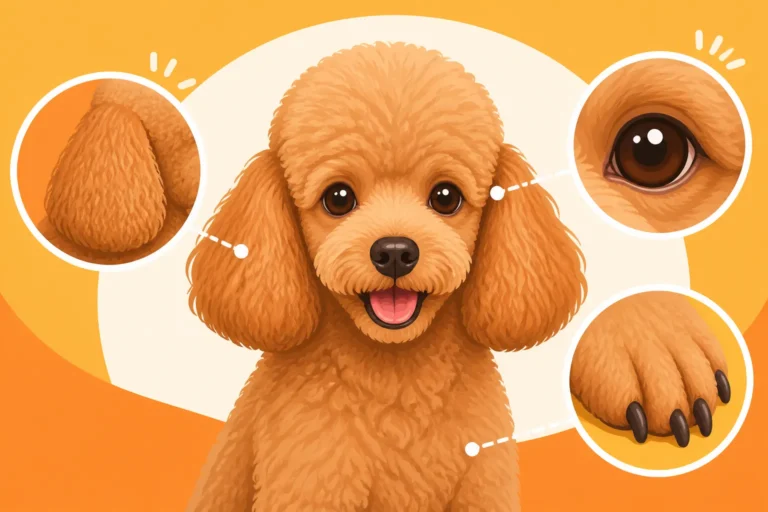
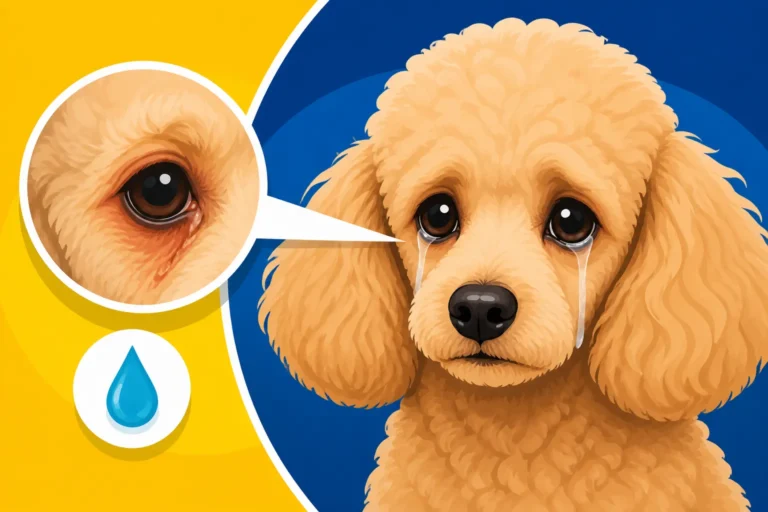
Right after a shave-down, your Poodle might look incredibly different. The first thing you'll notice is the exposed skin, which can sometimes appear lighter or darker than you expected, or even have a slightly reddish tint if there was underlying skin irritation. The hair that is left will be very short, often just a millimetre or two long, giving them a soft, velvet-like texture rather than the familiar tight curl. Many owners describe this initial look as "fuzzy" or "like a little lamb."
Within a few days to a couple of weeks, you'll start to see a fine, soft layer of new hair emerging. This initial regrowth is often quite downy and might not have the characteristic Poodle curl right away. It's important to remember that Poodles have hair, not fur, which means it grows continuously and doesn't have a shedding cycle in the same way many other breeds do. This continuous growth is why they get matted but also why their coat will definitely grow back. You can learn more about this unique aspect of their coat in Why a Poodle Has Hair Rather Than Fur. While this initial fuzz doesn't make them look "right" yet, it's a wonderful sign of progress.
The Awkward Stages: From Fuzzy to Full
The next phase is often affectionately called the "awkward stage." As the hair grows out, it tends to do so at different rates across the body, and the curl might not immediately re-establish itself uniformly. You might have patches that seem to grow faster than others, leading to an uneven, shaggy look. The hair will become thicker, but without sufficient length, it won't have the distinct Poodle silhouette.
Generally, you can expect to see about an inch of growth every two to three months. So, to get back to a short, manageable pet clip (like a sporting clip with an inch or two of length), you're looking at anywhere from 4 to 6 months. For a more substantial length, like a longer puppy clip or a classic continental, it could take 8 to 12 months, or even longer, depending on how short the initial shave was and your Poodle's individual growth rate. Some Poodles also experience a significant "coat change" during adolescence, typically between 8 and 18 months, where their soft puppy coat transitions to a denser adult coat. If your Poodle happens to be in this phase during regrowth, it can sometimes feel like the hair is growing slower or is more prone to matting as the new texture comes in. When a Poodle Puppy Coat Changes can offer more insights into this specific developmental period. Patience truly is a virtue here; enjoy the process and the changing looks! You can get a sense of typical growth rates in How Fast a Poodle Coat Grows Back.
Returning to "Normal" and Beyond
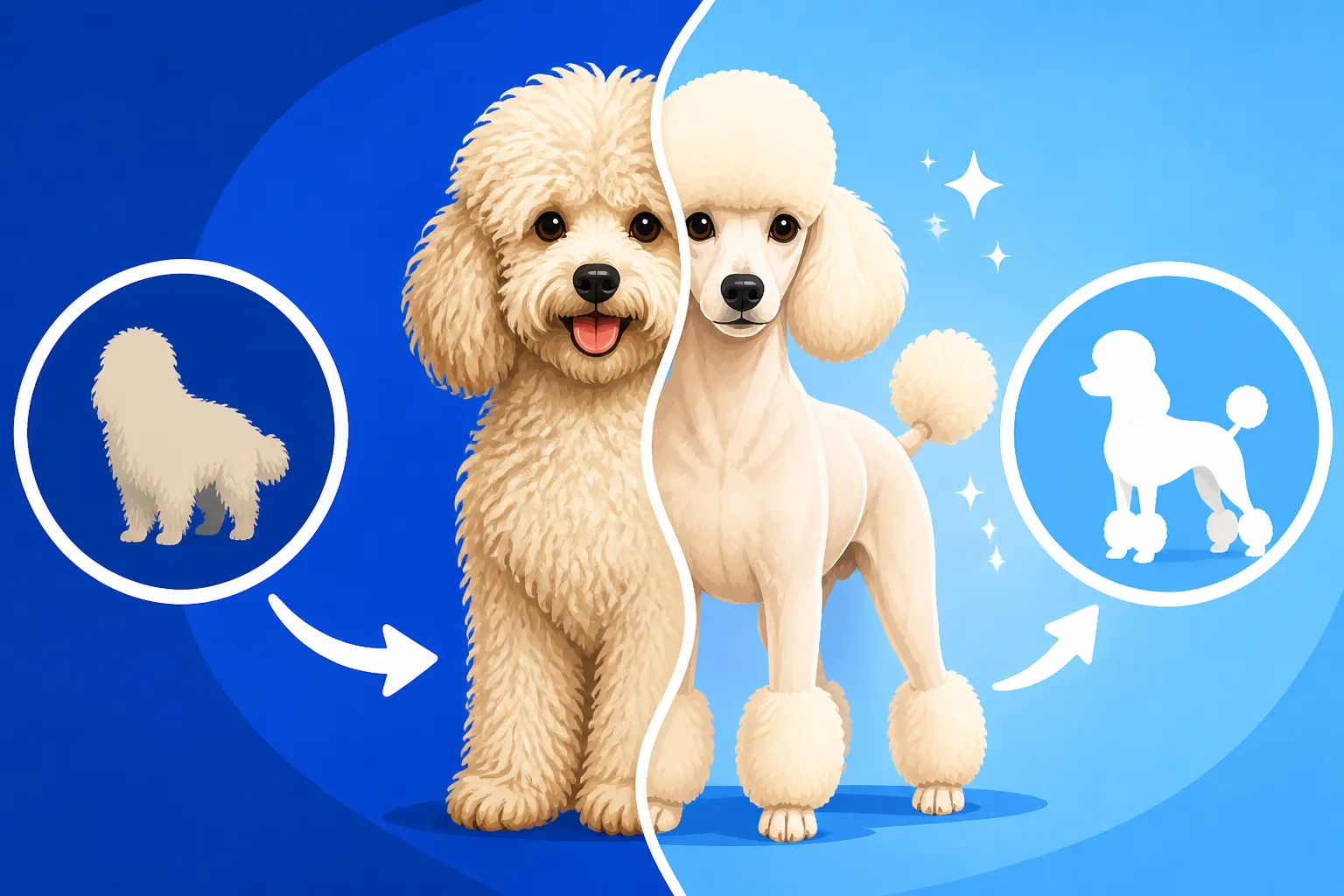
What "looks right" is, of course, subjective. For some owners, it's when the dog's coat is long enough to cover their skin and provide warmth. For others, it's when the characteristic Poodle curl and volume have returned, allowing for styling options again. Typically, once the coat reaches a length of about 3-4 inches, you'll start to see your Poodle's familiar appearance re-emerge. At this point, the curl should be well-established, and the coat will have enough body to be styled.
It's rare for a Poodle's coat texture to be permanently altered by a shave-down, though some owners report the initial regrowth feeling slightly softer or fuzzier for a while. Usually, with time and consistent proper grooming, the coat will return to its original texture and density. The key is to commit to a regular grooming schedule, both at home and with a professional, to nurture that new coat. Think of it as a fresh start for maintaining optimal coat health. Don't rush into complicated styles; let the coat grow out evenly, and then work with your groomer to achieve your desired look.
| Regrowth Phase | Timeframe (Approx.) | Appearance & Texture | Key Considerations |
|---|---|---|---|
| Freshly Shaved | Day 1 | Exposed skin, very short velvet-like fuzz. | Skin sensitivity, temperature regulation. |
| Early Fuzz | 1-4 Weeks | Fine, soft, downy hair emerging, minimal curl. | Sun protection, gentle handling. |
| Shaggy Growth | 1-3 Months | Hair noticeably longer, some unevenness, curl developing. | Matting risk increases, gentle brushing begins. |
| Developing Coat | 3-6 Months | Moderate length, curl more prominent, good coverage. | Regular brushing, professional trim options. |
| Fuller Coat | 6-12+ Months | Significant length, full curl, nearing original appearance. | Maintain schedule to prevent matting. |
Essential Care for a Shaved Poodle During Regrowth
A Poodle with a shaved coat needs a little extra TLC. Their skin, once protected by a dense layer of curls, is now exposed and vulnerable. Proper care during this regrowth period is crucial for their comfort and for encouraging healthy, strong new hair growth.
Protecting Delicate Skin
When your Poodle's coat is shaved short, their skin loses its natural insulation and protection. This means they are far more susceptible to environmental factors. Sunburn is a real risk, especially for Poodles with light-colored skin or those who love to bask in the sun. Just like us, dogs can get painful sunburns, which can also increase their risk of skin cancer. Consider applying a veterinarian-approved, dog-safe sunscreen to exposed areas, particularly their back, nose, and ear tips. Alternatively, a lightweight, breathable dog shirt or vest can provide excellent sun protection when they're outdoors. You can find many options on Amazon or Chewy. For more detailed advice, check out Sun Protection for a Shaved Poodle.
Temperature regulation is another big concern. That thick Poodle coat isn't just for looks; it provides excellent insulation against both cold and heat. Without it, your Poodle might feel the chill much more readily in cooler weather. Invest in some dog sweaters or coats to keep them warm when going outside, or even indoors if your home is cool. Conversely, in hot weather, their exposed skin can absorb heat more quickly. Ensure they have plenty of shade and access to water, and avoid prolonged exposure during the hottest parts of the day. They can't just "shed" their protective layer; it's simply gone. Coats and Sweaters for a Clipped Poodle has some great ideas for keeping them comfortable.
Grooming the Emerging Coat
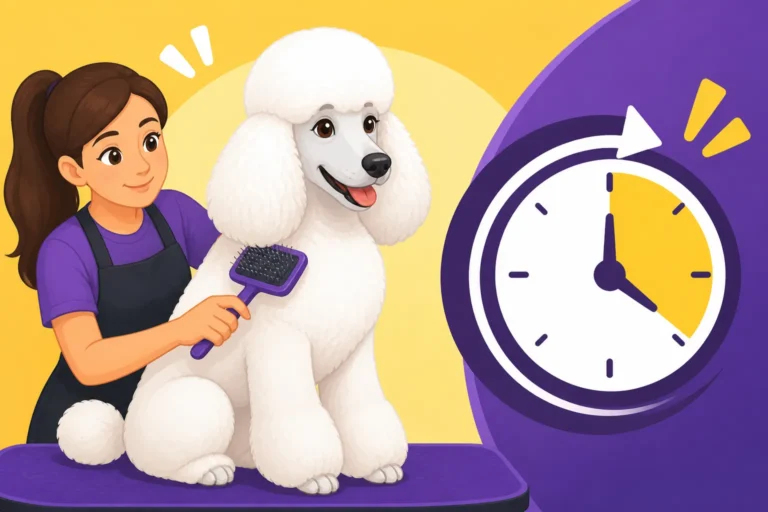
Even when the coat is very short, a gentle grooming routine is beneficial. Initially, a soft brush can stimulate blood flow to the skin, which promotes healthy hair growth, and also helps to remove any loose skin flakes. As the hair starts to gain some length (a few weeks in), you'll want to gradually reintroduce brushing with a slicker brush and a comb. The goal is to keep the emerging hairs separated and prevent tiny mats from forming at the skin level – because trust me, they can still form even on short hair! This is also a good opportunity to get your Poodle used to being handled and brushed all over, setting good habits for when the coat is fully grown.
Bathing during regrowth should be done with care. Use a mild, moisturizing dog shampoo that won't irritate their newly exposed skin. Avoid harsh chemicals or anything overly perfumed. Be sure to rinse thoroughly to prevent any residue from clinging to the short hair and potentially irritating the skin. After bathing, gently pat them dry with a towel, and if you use a dryer, keep it on a low, cool setting, holding it a safe distance from their sensitive skin. This is also an excellent time to closely examine their skin for any redness, bumps, or dry patches that might have been hidden by a longer coat. Shampoo That Suits a Curly Poodle Coat offers advice on choosing the right products.
Nutritional Support for Healthy Hair Growth
Just like with humans, a healthy diet plays a significant role in the quality and speed of hair growth. Ensuring your Poodle is on a high-quality, balanced diet provides the essential nutrients for a strong, vibrant coat. Look for dog foods that list real meat as the first ingredient and contain a good balance of fats, particularly omega fatty acids (like Omega-3 and Omega-6). These fatty acids are crucial for skin health and coat luster.
Some owners choose to supplement their Poodle's diet with fish oil or other skin and coat supplements, especially during a regrowth period. While these can be beneficial, it's always best to consult your veterinarian before adding any supplements to your Poodle's regimen to ensure they are appropriate for your individual dog's needs and won't interact with any existing medications or conditions. Brands like Ollie focus on fresh, high-quality ingredients that naturally support overall health, including skin and coat. Remember, a healthy coat starts from within. For general feeding guidelines, refer to Feeding a Poodle by Size.
Preventing Future Shave-Downs and Maintaining Coat Health
The experience of a full shave-down can be a powerful lesson in coat maintenance. While sometimes unavoidable, many shave-downs are preventable with a proactive approach to grooming. The goal is to get your Poodle back to looking their best and then keep them there!
Establishing a Consistent Grooming Routine
This is perhaps the most critical step. A Poodle's hair never stops growing, and it will matt without regular intervention. "Regular" for a Poodle often means daily brushing at home, especially if you prefer a longer coat. You need to learn how to "line brush," which involves systematically brushing small sections of hair down to the skin, ensuring no tangles are hiding underneath the surface. Surface brushing just the top layer of hair is a common mistake that leads to mats forming close to the skin, even if the top looks tidy. Line Brushing a Poodle Explained can guide you through the proper technique.
Beyond daily home care, regular professional grooming appointments are non-negotiable for most Poodle owners. Depending on the desired length and your Poodle's activity level, this usually means a full groom every 4 to 8 weeks. These appointments ensure the coat is thoroughly washed, dried, and trimmed, preventing mats before they become severe. Discussing your lifestyle and how much time you can realistically dedicate to home grooming with your professional groomer can help them recommend a manageable schedule and clip for your Poodle. For insights on frequency, see How Often a Poodle Must Be Brushed.
Choosing a Manageable Clip
After witnessing your Poodle bald, you might reconsider keeping them in a very long or elaborate clip that requires intense upkeep. There are many beautiful and practical Poodle clips that are much easier to maintain for a pet Poodle. Clips like the Sporting Clip, the Kennel Clip, or a simple Lamb Clip keep the hair shorter and more uniform, significantly reducing the risk of severe matting. These styles still allow your Poodle to look like a Poodle, but with less daily effort from you.
While the Continental clip is stunning in the show ring, it's a huge commitment for a pet Poodle owner, demanding hours of daily brushing. Be realistic about the time and effort you can commit. A shorter, well-maintained clip will keep your Poodle happier and healthier in the long run, and you'll both avoid the stress (and cost) of future shave-downs. Explore options in Choosing a Clip for a Pet Poodle to find a style that suits both you and your Poodle's lifestyle.
Communication with Your Groomer
Your groomer is your partner in maintaining your Poodle's coat health. Open and honest communication is vital. Don't be afraid to tell them if you're struggling with home brushing or if your Poodle has developed a few mats between appointments. A good groomer would much rather work with you to address issues early than be surprised by a severely matted dog. They can offer advice, demonstrate brushing techniques, and help you choose a clip that is practical for your lifestyle.
If a shave-down becomes necessary, trust that your groomer is making the decision for your Poodle's welfare, not out of malice. Sometimes, there genuinely isn't another humane option. Understanding Why Groomers Shave a Matted Poodle can help you appreciate their professional judgment. Once the coat starts growing back, maintain regular appointments to keep the new growth healthy and prevent history from repeating itself. Working together, you can ensure your Poodle always has a comfortable, healthy, and beautiful coat.
Disclaimer
This article is for general informational purposes only and does not constitute professional advice. Laws, prices and regulations vary by location and change over time. Consult a qualified professional for guidance on your specific situation.