When a Poodle Puppy Coat Changes
One of the most perplexing challenges for new Poodle puppy parents is watching that soft, fluffy, incredibly easy-to-manage coat suddenly transform into a mat-prone, dense beast. It can feel like your sweet, low-maintenance baby has turned into a tangled mess overnight, leaving you wondering if you're doing something wrong. This guide will walk you through the infamous Poodle puppy coat change, explaining why it happens, what to expect, and how to navigate this often-frustrating phase with grace and a good brush.
The Poodle Puppy Coat: From Fluffy to Fabulous
Bringing home a Poodle puppy is a joyous occasion, filled with tiny paws and an unbelievably soft, almost ethereal coat. You might glide a brush through it effortlessly, marveling at how little shedding there is. This initial phase can lull you into a false sense of security, making the eventual coat change all the more surprising. But trust me, every Poodle owner goes through it!
What "Puppy Coat" Really Means for a Poodle
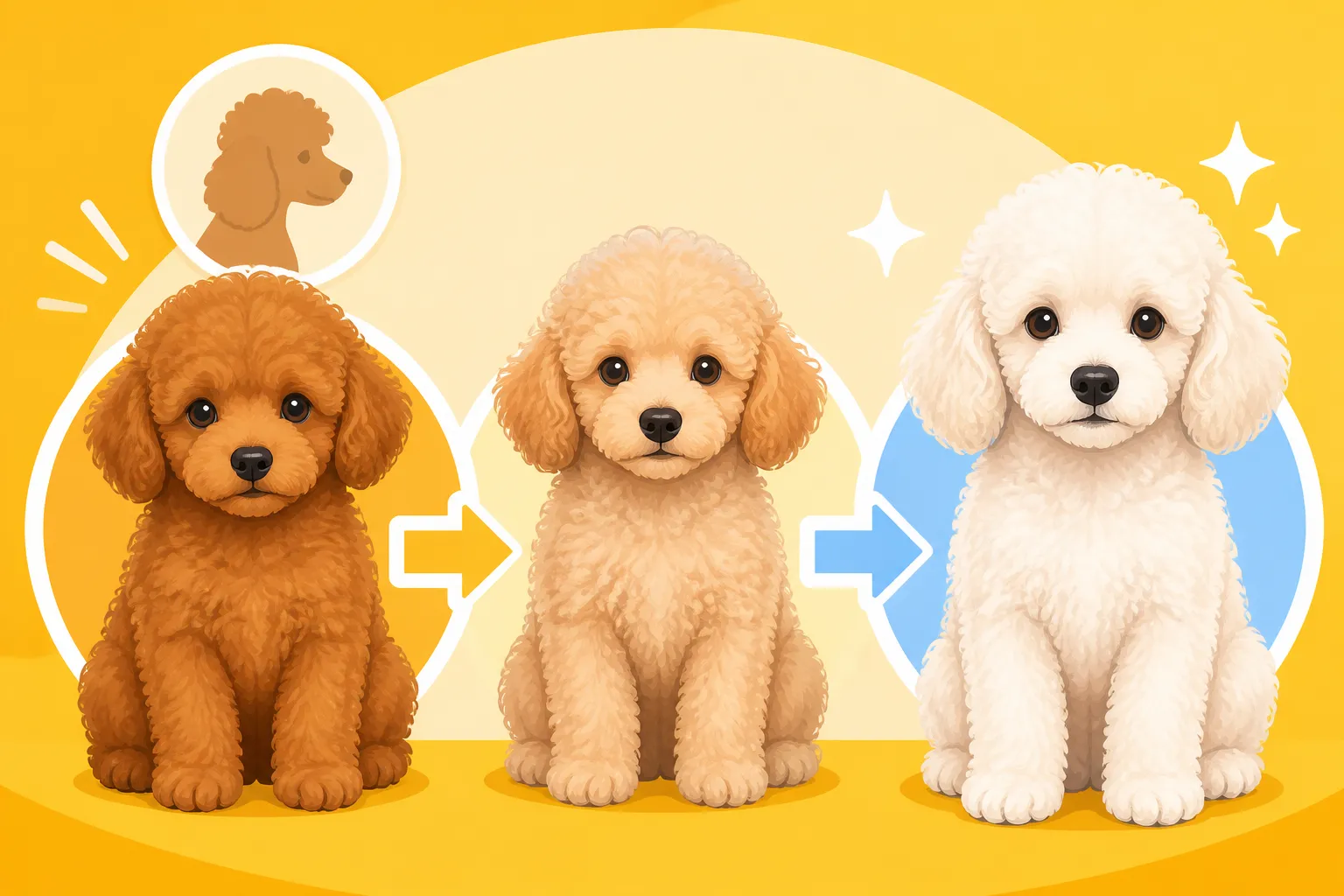
That glorious, wispy cloud your Poodle puppy comes with isn't the coat they'll have for life. The puppy coat is typically much finer, softer, and often straighter or only lightly wavy compared to the adult Poodle coat. It's a single layer, not nearly as dense as what's to come, and because it's so airy, it usually doesn't mat much. You can run your fingers through it, and it feels like cotton. This is the coat that makes you think, "Wow, Poodles are so easy to brush!"
However, this delightful puppy fluff serves its purpose, insulating the young pup. As your Poodle matures, their body prepares to grow the denser, more protective, and characteristic curly adult coat. Think of it like a human baby losing their fine vellus hair and growing thicker terminal hair. It’s a natural part of their development, but one that comes with its unique set of grooming demands.
The Typical Age Range for Coat Transition
The Poodle puppy coat change doesn't happen on a strict schedule, but most Poodle owners report seeing the first signs somewhere between 6 to 18 months of age. For some, it might start a little earlier, around 4-5 months, and for others, it might not fully kick in until after their first birthday. It’s a gradual process, not an abrupt shedding event, and it can take several months to complete, often extending into their second year of life. This prolonged transition is precisely why it can be so challenging and why many owners feel perpetually behind on grooming.
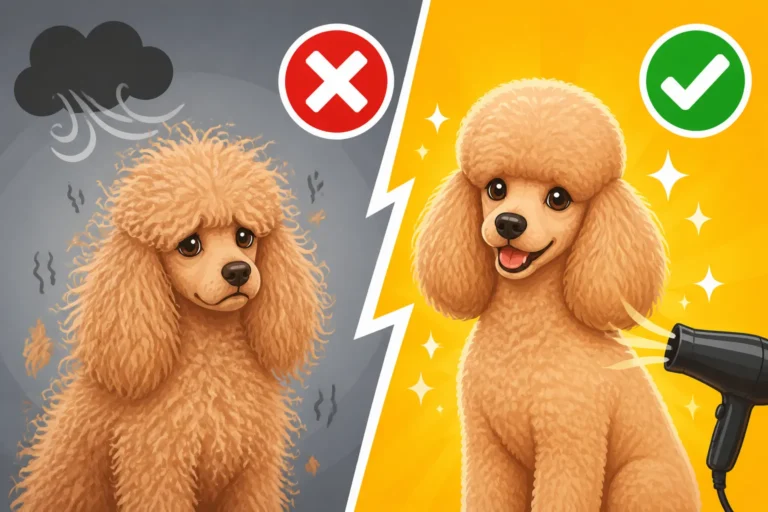
During this period, your Poodle is essentially trying to grow its adult coat through the existing puppy coat. The new, coarser, curlier adult hair starts to emerge, intertwining with the finer puppy hair. This combination creates a perfect storm for matting, as the old coat wants to come out but gets trapped by the new, more tenacious growth. It’s a bit like trying to brush wet cotton candy that has bits of wool stuck in it – it just clumps together!
Here's a general guide to when you might expect the coat change:
| Poodle Size | Typical Start Age | Typical End Age | Primary Challenge |
|---|---|---|---|
| Toy Poodle | 5-8 months | 12-18 months | Rapid matting |
| Miniature Poodle | 6-9 months | 14-20 months | Dense tangles |
| Standard Poodle | 7-10 months | 18-24 months | Volume & difficulty reaching skin |
Understanding this timeline helps you mentally prepare for the increased grooming demands. It’s not just a few weeks; it's a commitment that lasts for many months. And remember, every Poodle is an individual, so your pup might be an early or late bloomer in the coat change department. The key is to be prepared and observant, adjusting your grooming routine as soon as you notice that familiar fluff starting to feel a bit "sticky."
Surviving the "Adolescent Matting" Phase
This phase is notorious among Poodle enthusiasts for a reason. The moment your Poodle's coat starts to change, it often feels like you blink, and suddenly, there's a mat. These aren't just little knots; they can quickly become dense, painful felted patches that pull on your Poodle's skin. It’s a period where many new Poodle owners get overwhelmed and frustrated, wondering if they've somehow failed in their grooming duties. You haven't failed; you're just experiencing the joys (and pains!) of a Poodle's unique coat development.
The Science Behind the Matting Mayhem
The underlying cause of this sudden matting isn't a mystery; it's simply physics and biology working together. The Poodle's adult coat is typically much thicker, denser, and has a more pronounced curl than its puppy coat. As the adult hair grows in, the old, finer puppy hair gets entangled with the new, stronger curls. Unlike dogs with double coats that shed their undercoat, Poodles don't "shed" in the traditional sense; their hair simply grows and holds onto itself. This means that dead puppy hair doesn't fall out easily; instead, it gets caught in the new, growing adult hair.
Imagine trying to comb through two different types of string, one very fine and slippery, the other coarse and tightly coiled, all while they're growing simultaneously from the same place. It's a recipe for tangles. Add in the natural oils from the skin, a romp in the yard, or even just rolling around on the carpet, and those tangles quickly become tightly woven mats that are incredibly difficult to remove. The longer they're left, the tighter and more painful they become, often pulling on the skin and creating hot spots or skin irritation underneath. This is why you'll often hear experienced Poodle owners emphasize consistent brushing, right down to the skin, during this critical period. It’s literally the only way to separate those intertwining hair types before they fuse into felt.
Grooming Strategies to Combat the Tangles
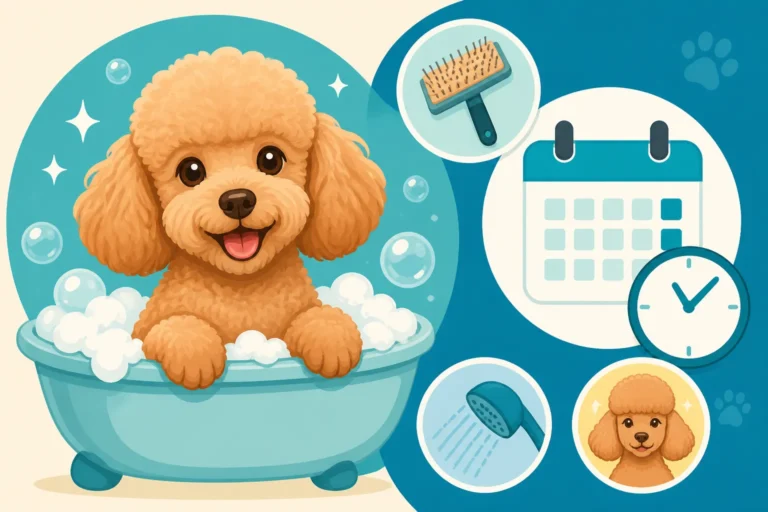
Your grooming routine must shift dramatically during the coat change. What used to be a quick brush every few days will likely need to become a daily, thorough session. Patience is your most valuable tool, but a few others are equally critical. First, invest in high-quality grooming tools. A good pin brush, a wide-toothed metal comb (often called a Greyhound comb), and a slicker brush are non-negotiable. Many owners find great selections for these types of tools on Amazon. You'll also want a detangling spray to help loosen knots without damaging the hair.
The key technique is called "line brushing." This involves parting the coat horizontally and brushing a small section at a time, starting from the skin and working your way out to the ends of the hair. Lift up the unbrushed hair, pin it out of the way, and systematically work through the coat in small sections, layer by layer. This ensures you're reaching all the way down to the skin, where most of the mats begin. If you only brush the surface, you'll feel like you're doing a good job, but mats will be silently forming closer to the skin, which is a common frustration for new owners. This is why Why Surface Brushing Leaves Poodle Mats is such an important read.
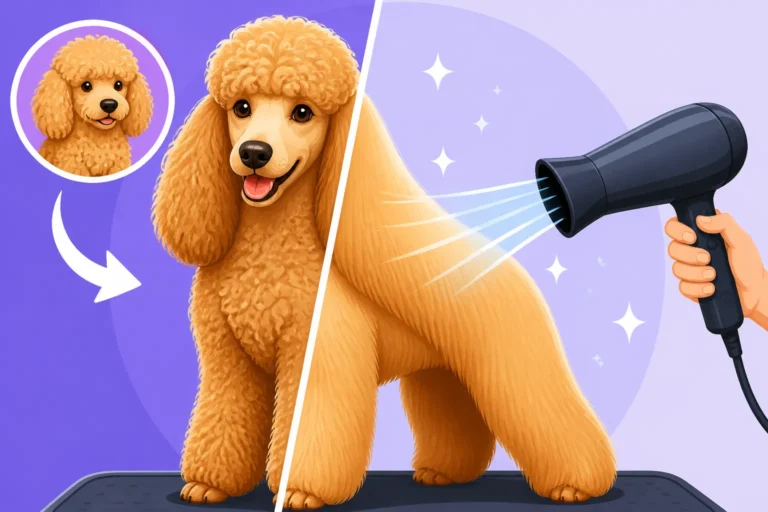
Bathing practices also change. While you might be tempted to bathe a matted Poodle, water will only make existing mats tighter and harder to remove. Always brush thoroughly and detangle before bathing. After a bath, use a high-velocity dryer, if you have one, to thoroughly dry the coat while brushing it straight. This helps to separate the hairs and prevent new mats from forming as the coat dries. Air drying a Poodle during coat change is almost guaranteed to result in a matted mess. For a deeper dive, check out Using a High Velocity Dryer on a Poodle. Don't be afraid to ask your professional groomer for tips or a demonstration on proper line brushing – they are a wealth of knowledge for getting through this phase.
Nurturing the Adult Coat: Diet, Tools, and Patience
Once you've navigated the treacherous waters of the puppy coat change, your Poodle will emerge with their stunning adult coat. This coat is durable, protective, and truly magnificent – but it still requires diligent care. The habits you establish during the coat change will serve you well for the rest of your Poodle’s life.
Nutritional Support for a Healthy Transition
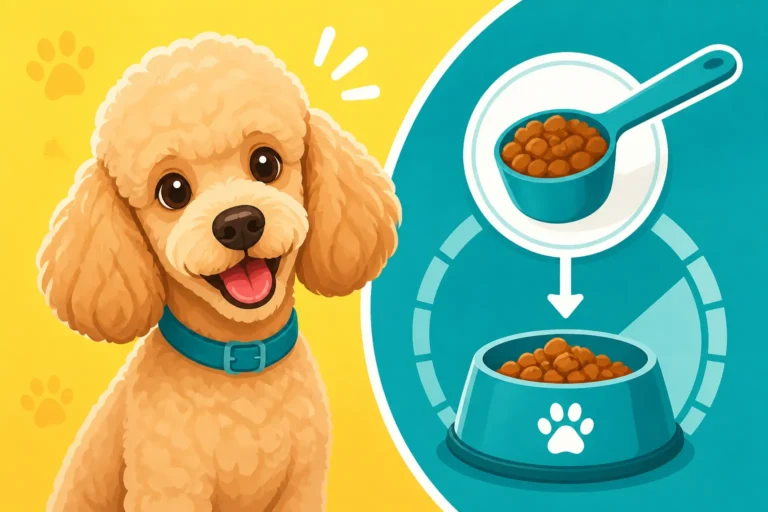
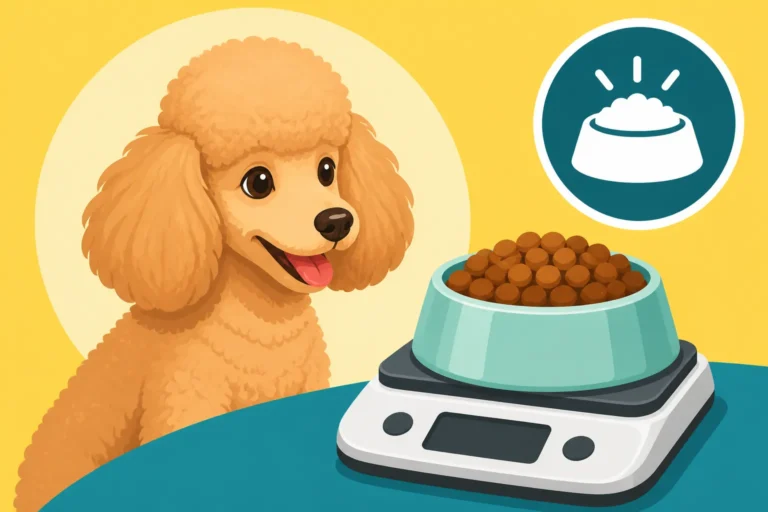
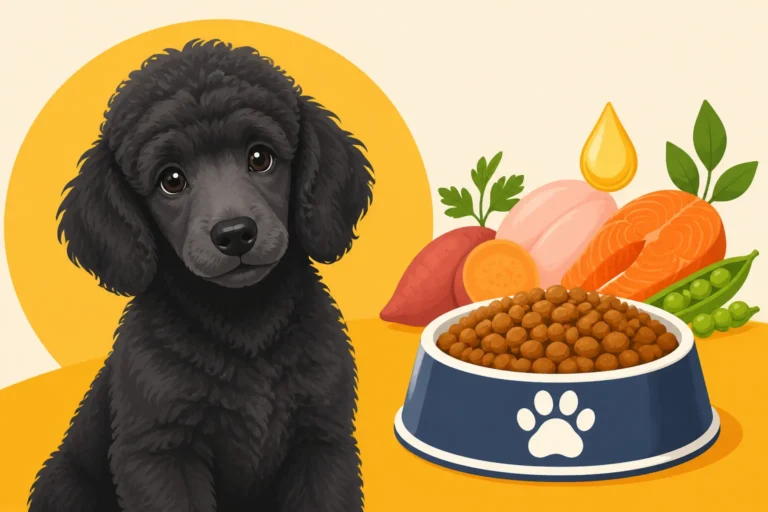
A healthy coat truly starts from within. While no food can prevent matting during the coat change, optimal nutrition can support strong, resilient hair growth and healthy skin, which is crucial for managing the new adult coat. Look for high-quality dog foods that list a named meat source as the first ingredient. Essential fatty acids, particularly Omega-3s and Omega-6s, play a vital role in skin and coat health. Ingredients like fish oil, flaxseed, and sunflower oil are great sources.
Many Poodle owners explore various food options to find what works best for their individual dog. Some opt for fresh food diets from services like Ollie, which often boast human-grade ingredients and balanced nutrition. Others stick with high-quality kibble from trusted brands found at stores like Chewy, supplementing with a fish oil capsule if needed. Always discuss any major dietary changes with your veterinarian, especially if your Poodle has any sensitivities. Good nutrition provides the building blocks for healthy hair, making it less prone to breakage and more manageable overall. It also supports general health, which is reflected in a shiny, vibrant coat.
Essential Tools and Techniques for Ongoing Care
Even after the coat change is complete, consistent grooming remains paramount. That adult Poodle coat, while beautiful, is still a non-shedding, continually growing marvel that will mat if neglected. You’ll need to maintain your arsenal of grooming tools: a good quality slicker brush, a metal comb that can reach down to the skin, and a detangling spray. Consider adding specialized Poodle brushes, such as a sturdy pin brush or even a dematting comb for any stubborn spots. The more familiar you become with Brushes and Combs a Poodle Owner Needs, the better equipped you'll be.
Regular professional grooming, typically every 4-6 weeks, will be a lifelong commitment for your Poodle. A skilled groomer can help maintain an appropriate clip for your lifestyle, trim nails, clean ears (which is important for Poodles, given their drop ears and hair growth inside the canal, as explored in Ear Infections Under a Poodle's Drop Ears), and catch any potential skin or coat issues early. Between professional grooms, daily brushing at home remains essential. Make it a positive experience for your Poodle with treats and praise, building a routine that they associate with comfort and attention.
Remember that a Poodle's coat is unique, requiring dedication and consistency. The frustrating coat change phase is temporary, a rite of passage for Poodle owners. By understanding what’s happening, being proactive with your grooming, providing excellent nutrition, and arming yourself with the right tools and knowledge, you’ll not only survive this period but emerge with a well-groomed, happy Poodle and a stunning adult coat to show for your efforts. Don't forget that consistent care makes all the difference when Getting Through a Poodle's Coat Change.
Disclaimer
This article is for general informational purposes only and does not constitute professional advice. Laws, prices and regulations vary by location and change over time. Consult a qualified professional for guidance on your specific situation.