How Fast a Poodle Coat Grows Back
One of the biggest worries Poodle owners face, whether they've just dealt with a matted shave-down or are simply trying to achieve that perfect length for a specific clip, is how long it will take for that beautiful, curly coat to grow back. It can feel like an eternity waiting for those luscious locks to return, especially if you're used to seeing your Poodle with a fuller, more styled look. This guide is here to walk you through the typical growth rate of a Poodle's coat, what factors can speed up or slow down that process, and what you can realistically expect during the regrowth journey.
Understanding Poodle Coat Growth Fundamentals
The Poodle's coat is truly a marvel of nature, and understanding its unique characteristics is the first step to appreciating its growth patterns. Unlike many other breeds, Poodles have hair, not fur, and this distinction is crucial to how their coats behave.
The Unique Nature of Poodle Hair
Imagine your own hair; it grows continuously, right? That's exactly how a Poodle's coat operates. It's hair, much like human hair, which means it doesn't have a finite growth cycle that leads to massive seasonal shedding. Instead, individual strands grow, eventually die, and then are typically caught within the surrounding curls rather than falling out all over your furniture. This is why Poodles are often considered "hypoallergenic," as they produce less dander and shed less dander-laden hair into the environment. However, this continuous growth also means that without regular maintenance, that hair will just keep growing and tangling, leading to mats that can become painful if left unchecked. It's a double-edged sword: minimal shedding, but maximum grooming commitment. This unique characteristic is fundamental to The Poodle Coat and Why It Never Stops Growing.
Average Growth Rates
So, how fast does it actually grow? On average, a healthy Poodle's coat can grow about half an inch (1.25 cm) to one inch (2.5 cm) per month. This isn't a hard and fast rule, of course, as individual Poodles can vary. Some might be on the slower end, barely reaching half an inch, while others might surprise you with a full inch of new growth in a month. This means if your Poodle had a complete shave-down, getting back to a few inches of length could take several months. If you're aiming for a lavish show coat, you're looking at a year or more of dedicated growth and maintenance. The consistency of this growth, however, means you can usually predict trimming schedules fairly accurately once you get to know your individual Poodle's rate.
Factors Influencing Coat Regrowth
While the genetic blueprint largely dictates the Poodle's hair growth, several external and internal factors can significantly influence how quickly and healthily that coat regenerates. Think of it like a delicate ecosystem: everything plays a role.
Nutrition and Diet
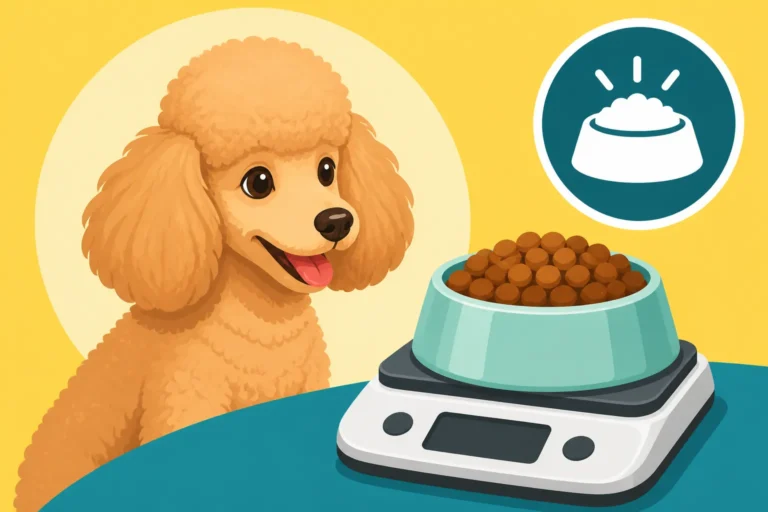
What goes into your Poodle's body directly impacts what comes out, and that includes their coat. A diet rich in high-quality protein, essential fatty acids (especially Omega-3 and Omega-6), and vitamins is absolutely paramount for healthy hair growth. Protein provides the building blocks for keratin, the main component of hair, while fatty acids contribute to skin health and a lustrous, strong coat. If your Poodle is on a diet of sub-par kibble, or if they're simply not getting enough of these vital nutrients, you might notice slower growth, a duller coat, or even brittle hair prone to breakage. Brands like Ollie, known for their fresh, human-grade ingredients, often formulate their meals to support overall health, which naturally includes coat quality. Similarly, if you're buying kibble, opt for formulas with clearly identifiable meat proteins as the first few ingredients. Feeding a Poodle by Size also plays a role, as adequate nutrition for their specific size is key.
Health and Wellness
Any underlying health issue can manifest in a Poodle's coat. For instance, thyroid imbalances, a common concern in Poodles, can lead to dry, brittle hair and noticeably slower, patchy growth, or even hair loss. Hypothyroid Symptoms in a Poodle often include coat changes. Skin conditions, allergies (Poodle Allergies and Skin Reactions), or even internal parasites can also divert resources away from healthy hair production. Chronic stress can also play a role, as a stressed body prioritizes fight-or-flight over luxurious locks. Regular veterinary check-ups are crucial to ensure any health issues are identified and addressed promptly, allowing your Poodle's body to dedicate its energy to growing that beautiful coat back.
Age and Genetics
Just like people, Poodles experience different growth rates throughout their lives. Poodle puppies often have a softer, finer "puppy coat" that gradually gives way to the denser, coarser adult coat, usually between 9 and 18 months of age. This period, known as "coat change," can be a challenging time for grooming, as the new adult hair mixes with the shedding puppy coat, creating a matting nightmare. As Poodles enter their senior years, around Caring for an Aging Poodle, their metabolism can slow, and with it, their hair growth. The coat might become thinner, more sparse, or grow more slowly than in their prime. Genetics also play an undeniable role; some Poodle lines simply have faster-growing, denser coats, while others naturally grow a bit slower. This is often something reputable breeders consider when planning litters.
Environmental Factors
While Poodles don't have seasonal "shedding cycles" like double-coated breeds, environmental factors can still subtly influence coat health. Harsh weather, particularly dry indoor air in winter, can lead to drier skin and a more brittle coat. Excessive exposure to sun without proper protection for very short clips can also impact skin health, which in turn affects hair follicles. Beyond that, the physical environment and grooming practices have a direct impact. Regular brushing, especially line brushing, stimulates the skin and follicles, promoting blood flow and healthier growth. Even simple things like avoiding rough play that might tug and break hair can contribute to overall coat integrity and perceived growth.
Managing Different Regrowth Scenarios
Poodle owners face various coat challenges, from the necessity of a complete shave-down to the desire for a specific, intricate style. Each scenario comes with its own timeline and demands for care.
Growing Out a Shave Down
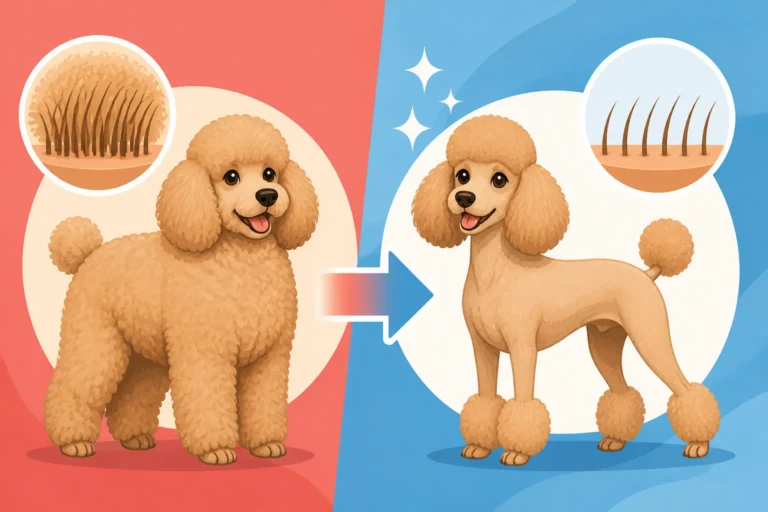
The infamous "shave down" – often a necessary evil when mats become too severe to brush out. It's heartbreaking to see your fluffy Poodle reduced to a smooth canvas, but it's also a fresh start. The initial regrowth phase can feel incredibly awkward. For the first few weeks, the hair will be very short, exposing more skin, which means you need to be mindful of sun exposure and keeping your Poodle warm if they're used to a thicker coat. As it grows, you'll reach a length where the coat is long enough to start tangling but not long enough to lie nicely or be styled. This is where diligent brushing becomes absolutely critical. You might feel like you're brushing very short hair, but this is the stage when tiny knots can quickly become big mats. Use a good slicker brush and a metal comb. Remember Why a Poodle Coat Mats Instead of Shedding – every single strand contributes to the potential for matting. Patience is your best friend here; expect several months before you can even consider a proper "puppy clip" again.
Maintaining Longer Clips
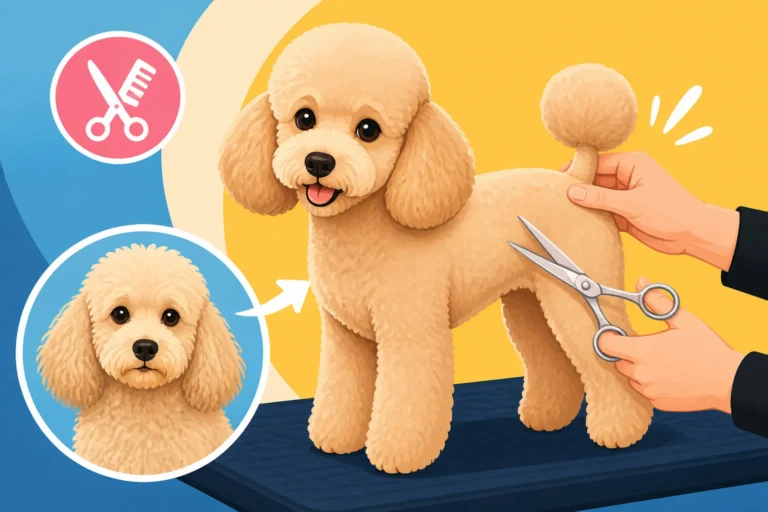
If you're aiming for a specific longer clip, like a modified Continental or a sophisticated Modern trim, understanding regrowth helps immensely with scheduling grooming appointments. Since Poodle hair grows roughly half an inch to an inch a month, a trim every 4-6 weeks is often ideal to maintain shape and prevent excessive length. If you're growing out a section, like a topknot or tail plume, you'll watch it slowly gain length. For example, if you want your Poodle's topknot to be three inches long, and it's currently one inch, you're looking at 2-4 months of growth, assuming a consistent rate. During this period, you might still need regular "tidy-ups" around the face, feet, and sanitary areas, even if you're not cutting the main body length. This keeps your Poodle comfortable and prevents mats in high-friction areas. For home maintenance, a decent pair of clippers from Amazon can be invaluable for these touch-ups.
Repairing Damaged or Uneven Growth
Sometimes, regrowth isn't just about length; it's about repairing damage. This could be patchy growth from where mats were aggressively removed, or areas where the hair has become brittle and broken. In these cases, focus on promoting overall coat health. This means ensuring top-notch nutrition, supplementing if recommended by your vet (like fish oil for skin and coat), and using high-quality grooming products. Gentleness is key during brushing and bathing. Avoid excessive heat when drying and use detangling sprays to minimize breakage. It's a slow process, but with consistent, careful attention, the coat will eventually even out. Sometimes, a professional groomer can strategically trim existing longer areas to help blend the regrowth and make the unevenness less noticeable, buying you time until the damaged sections catch up.
Practical Tips for Healthy Coat Growth
Nurturing a Poodle's coat, whether you're trying to grow it back quickly or maintain a specific length, requires a holistic approach that combines dedicated grooming with optimal internal health.
Grooming Routine for Optimal Growth
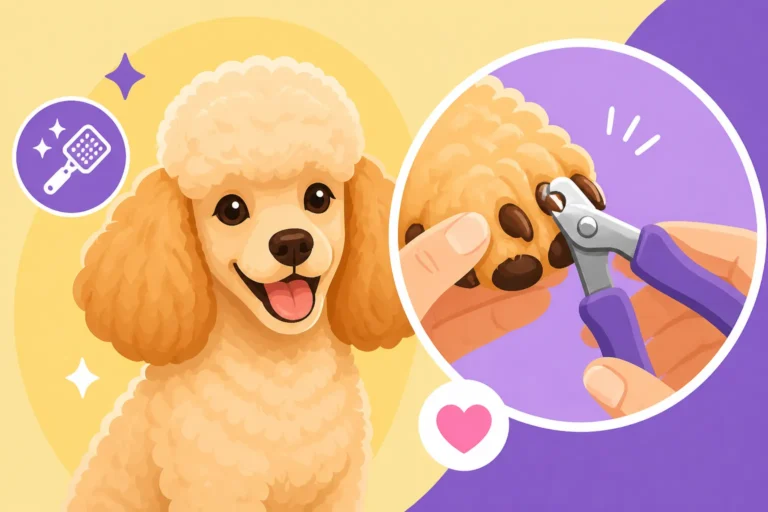
A consistent and correct grooming routine is non-negotiable for healthy Poodle coat growth. First and foremost, regular brushing to the skin is vital. This means performing a thorough Line Brushing a Poodle Explained session multiple times a week, especially for longer coats. This technique ensures you're getting through all the layers of hair, preventing mats from forming deep within the coat where they can pull and stress the hair follicles.
Using appropriate tools is key: a good quality slicker brush and a sturdy metal comb are your best friends. These help to remove any loose hair (which, for a Poodle, means hair that has shed but is trapped in the curls) and stimulate the skin. When it comes to bathing, use a mild, moisturizing shampoo and conditioner designed for dogs. Shampoo and Conditioner for a Poodle Coat should be gentle and rinse out completely to avoid skin irritation. Always ensure you thoroughly rinse and then completely dry your Poodle's coat, preferably with a high-velocity dryer, while brushing it straight. Air drying can lead to matting and even skin issues like hot spots. Regular trims, even just tidying up face and feet, keep the coat healthy and prevent split ends, which can travel up the hair shaft and weaken the entire strand. You can learn Learning to Clip a Poodle at Home for these touch-ups.
Dietary Support and Supplements
Beyond a balanced diet, specific dietary considerations can give your Poodle's coat a boost. Look for dog foods that list animal protein as the primary ingredient and are rich in omega fatty acids. Many premium dog food brands, easily found on platforms like Chewy, specifically formulate foods to support skin and coat health. If your Poodle is prone to dry skin or a dull coat, your vet might recommend a fish oil supplement (like salmon oil or krill oil). These are packed with Omega-3s, which are fantastic for reducing inflammation, improving skin barrier function, and promoting a shiny, healthy coat. Always consult your veterinarian before adding any supplements to your Poodle's diet to ensure it's appropriate for their individual needs and won't interact with any existing medications.
Regular Vet Check-ups
Never underestimate the power of routine veterinary care for coat health. As discussed, many underlying health issues, from thyroid problems to allergies, can first show up as changes in coat quality or growth rate. Regular check-ups allow your vet to spot these subtle signs early. They can perform necessary blood tests if they suspect an endocrine issue like hypothyroidism, or discuss dietary changes and allergy management if skin sensitivities are the culprit. Furthermore, ensuring your Poodle is free from internal parasites (which can steal vital nutrients) and up-to-date on all preventive care helps their body allocate resources to non-essential functions like growing a gorgeous, healthy coat. Your vet is an invaluable partner in maintaining your Poodle's overall wellness, which directly translates to a thriving, beautiful coat.
Here's a quick overview of Poodle coat growth and care:
| Aspect | Typical Poodle Coat Characteristics | Growth & Care Considerations |
|---|---|---|
| Coat Type | Hair, not fur; continuously growing, non-shedding. | Requires consistent grooming to prevent mats. |
| Growth Rate | 0.5 – 1 inch (1.25 – 2.5 cm) per month. | Varies by individual, age, health, and genetics. |
| Key Nutrients | High-quality protein, Omega-3 & Omega-6 fatty acids. | Essential for strong, healthy hair and skin. |
| Common Issues | Matting, dryness, dullness, breakage (often health-related). | Regular brushing, proper diet, vet check-ups are preventative. |
| Shave Down Recovery | Several months to regain significant length. | Diligent brushing is critical during awkward regrowth phase. |
| Maintaining Length | Regular trims every 4-8 weeks depending on desired style. | Home grooming tools (e.g., from Amazon) can help with touch-ups. |
Disclaimer
This article is for general informational purposes only and does not constitute professional advice. Laws, prices and regulations vary by location and change over time. Consult a qualified professional for guidance on your specific situation.