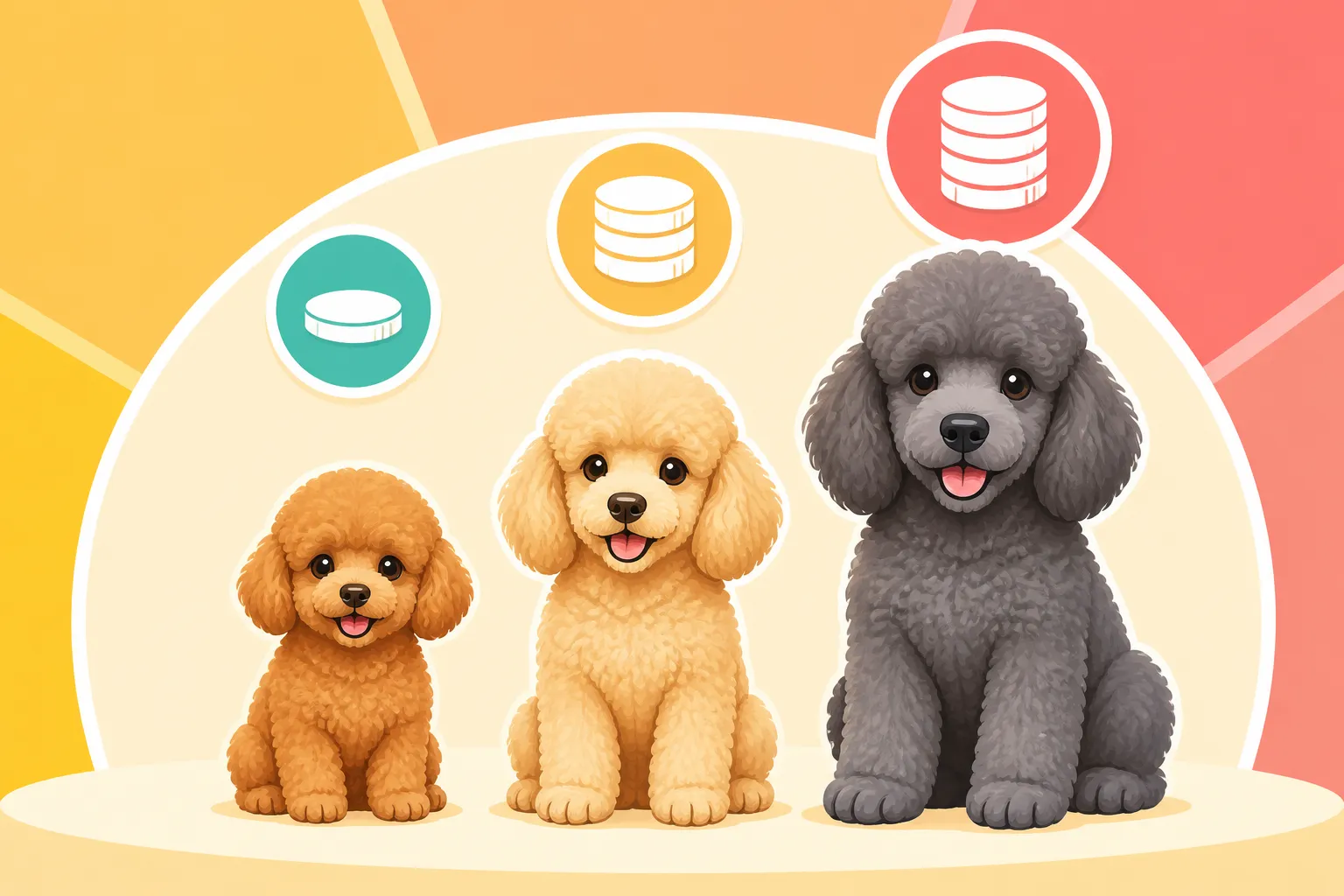
Poodle Puppy Prices Across the Three Sizes
It’s easy to get sticker shock when you start looking at Poodle puppies. Many prospective owners find themselves staring at price tags ranging from a few hundred dollars to several thousand, and it can be incredibly confusing to understand why there’s such a vast difference. This comprehensive guide is here to demystify the cost of Poodle puppies across all three sizes—Standard, Miniature, and Toy—helping you understand the factors that drive these prices and what a fair investment truly looks like for a healthy, well-adjusted companion.
Understanding Poodle Puppy Pricing Factors
The price tag on a Poodle puppy isn't just an arbitrary number; it's a reflection of the significant time, effort, and financial investment made by a responsible breeder. When you see a higher price, it's typically because that breeder has gone above and beyond to ensure the health, temperament, and genetic soundness of their puppies. It’s not about making a quick buck, but about recovering the substantial costs associated with ethical breeding practices and ensuring the best start for each little Poodle.
Breeder Reputation and Experience
A breeder's reputation is built on years of dedication, continuous learning, and a profound commitment to the Poodle breed. These aren't hobbyists who just decide to breed their pet; they are often deeply involved in breed clubs, dog sports, and show circuits. They spend countless hours researching pedigrees, attending seminars, and networking with other reputable breeders to make informed decisions about pairings that will improve the breed. This meticulous approach ensures that the puppies they produce are not only beautiful but also possess the stable temperament and robust health Poodles are known for.
The financial outlay for an experienced, reputable breeder is considerable. They invest in high-quality breeding stock, which often involves importing dogs from established lines or purchasing top-tier puppies themselves. These dogs are shown to earn titles, proving their conformation and working abilities, which incurs entry fees, travel expenses, and handler costs. All these efforts, while not directly visible in a puppy's first few weeks, contribute significantly to the genetic quality and future well-being of the puppies, justifying a higher initial cost. It’s an investment in a predictable outcome: a Poodle that truly embodies the best of the breed.
Furthermore, an ethical breeder provides an enriched environment for their puppies from day one. This includes early neurological stimulation, proper socialization with various sights, sounds, and textures, and beginning critical early training like potty training and crate exposure. They dedicate their lives to raising these puppies in their homes, not in outdoor kennels, ensuring they receive constant human interaction and are accustomed to a loving household environment. This intensive, hands-on rearing creates confident, resilient puppies ready to thrive in their new homes, and this level of care is simply not feasible for breeders cutting corners.
Health Testing and Guarantees
One of the most significant factors influencing Poodle puppy prices is comprehensive health testing on the parent dogs. Reputable breeders invest thousands of dollars annually in genetic screenings and physical examinations to prevent passing on hereditary diseases. For instance, Standard Poodles should have hip and elbow evaluations through organizations like the Orthopedic Foundation for Animals (OFA) to check for dysplasia, as well as eye exams (CERF), and DNA tests for conditions like Von Willebrand's Disease and Neonatal Encephalopathy. Miniature Poodles also undergo eye exams and often DNA tests for Progressive Retinal Atrophy (PRA), while Toy Poodles are screened for luxating patellas and PRA, in addition to general health checks. You can delve deeper into what specific screenings are critical by reading our guide on What a Poodle Breeder Must Test For.
These tests are expensive and must often be repeated throughout a breeding dog's life. The cost is absorbed into the puppy's price, and for good reason: it’s your best assurance that you’re bringing home a puppy with the highest possible chance of living a long, healthy life free from debilitating genetic conditions. When a breeder proudly shares OFA certifications, DNA test results, and veterinary clearances for their breeding pair, they are demonstrating transparency and a commitment to responsible breeding that directly benefits you, the future owner. Without these tests, you’re essentially rolling the dice, and the potential cost of veterinary care down the line for an unhealthy puppy can far outweigh any initial savings.
A strong health guarantee or warranty is another hallmark of a reputable breeder, and it inherently adds value to the puppy's price. This isn't just a piece of paper; it’s a breeder's pledge that they stand behind the health of their puppies. Typically, these guarantees cover severe genetic health issues for a specified period, offering options like a replacement puppy or a partial refund should a major problem arise. Understanding the specifics of such agreements is paramount, and our article on Health Clauses in a Poodle Breeder Contract can offer further insights. This guarantee provides peace of mind and reflects the breeder's confidence in their rigorous health testing and breeding practices. It shows they are not just selling a puppy, but partnering with you for its lifetime well-being, a commitment that demands a higher, but ultimately worthwhile, price.
Lineage and Pedigree
Just like in fine art or racehorses, the lineage and pedigree of a Poodle can significantly influence its price. Puppies from lines with a long history of success in conformation shows, obedience trials, agility, or other dog sports often command higher prices. These titles and achievements aren't just for bragging rights; they signify that the parent dogs have demonstrated excellent physical structure, sound temperament, and the intelligence that Poodles are renowned for. A champion title, for example, is awarded only after a dog has defeated many other high-quality Poodles in competition, proving it meets the breed standard in nearly every aspect.
Breeding dogs from such distinguished lineages is not cheap. Breeders invest in stud fees for top-tier sires, which can range from a couple of thousand dollars to significantly more, or they raise and campaign their own champions. This cost reflects the proven quality of the genetic material being passed down. When you see a puppy with multiple "CH" (Champion) or "MACH" (Master Agility Champion) prefixes in its parents' or grandparents' names, you're paying for generations of careful selection aimed at producing predictable traits – a lovely appearance, a biddable temperament, and robust health.
While not every puppy from a champion line will become a champion itself, the likelihood of inheriting desirable traits is much higher. For instance, if you're looking for a Poodle with a specific temperament suitable for therapy work or advanced obedience, a breeder who consistently produces dogs successful in these fields offers a distinct advantage. This predictability of temperament and genetic health is what many buyers seek, recognizing that the initial investment in a well-bred Poodle offers a more reliable and rewarding ownership experience in the long run. It truly is about understanding the value inherent in generations of careful, responsible breeding.
Standard Poodle Puppy Costs
Standard Poodles, with their majestic presence and remarkable intelligence, are often the most recognized of the three sizes. Their pricing reflects their larger size, the extensive health testing required for larger breeds, and the dedicated care involved in raising a big litter.
Range for a Well-Bred Standard
When looking for a well-bred Standard Poodle puppy from a reputable source, you can generally expect to pay anywhere from $2,000 to $4,500, and sometimes even more. This range accounts for various factors, including the breeder's location, the specific lineage of the parents, and the level of pre-homing care and training the puppies receive. For instance, a breeder in a high-cost-of-living area like California or the Northeast might have slightly higher prices due to increased overheads, compared to a breeder in a more rural setting. It's a significant investment, to be sure, but it’s crucial to understand that this price point is generally indicative of a responsible breeder who prioritizes the health and well-being of their dogs. We dive deeper into specific costs in our article, What Reputable Standard Poodle Breeders Charge.
These prices typically include a host of benefits that might not be immediately obvious. Beyond the inherent quality of the breeding stock, this usually covers the puppy's first veterinary check-up, initial vaccinations, deworming, and sometimes even microchipping. Many reputable breeders will also start crate training and basic potty training, providing a smoother transition to your home. They often send puppies home with a "go bag" that includes a small amount of their current food, a blanket with the littermates' scent, and essential care instructions. This comprehensive support from day one adds tangible value and peace of mind for new owners, helping to justify the initial cost.
It’s tempting to search for cheaper alternatives, but it’s vital to exercise caution. Standard Poodles from backyard breeders or puppy mills might be advertised for significantly less, sometimes as low as $800 to $1,500. While the upfront savings might seem attractive, these puppies often come without the crucial health testing or early socialization that ethical breeders provide. This often leads to heartbreaking and expensive veterinary bills down the line for genetic conditions, or behavioral issues stemming from poor early care. Always remember that a lower price almost invariably means a compromise somewhere in the breeding or rearing process, and with Poodles, those compromises can be very costly.
What Influences the Higher End
The upper end of the Standard Poodle price spectrum, often reaching $4,500 or more, is typically reserved for puppies from truly exceptional lines. This usually means parents with multiple champion titles in conformation, grand champion status, or advanced working titles in disciplines like obedience, agility, or hunt tests. These titles aren't just decorative; they are hard-won achievements that demonstrate a dog's superior adherence to the breed standard, sound temperament, and innate working abilities. Breeders spend years and significant financial resources campaigning their dogs to earn these accolades, a cost that is naturally reflected in their puppies' prices.
Beyond titles, the comprehensiveness and results of health clearances play a role. If a breeder consistently produces dogs with "Excellent" OFA hip scores or clear results on an extensive battery of genetic tests, that demonstrable commitment to robust health adds significant value. This is especially true for lines known for exceptional longevity and minimal incidence of common Poodle ailments. For some, the peace of mind that comes with knowing their puppy descends from generations of thoroughly health-tested and proven stock is invaluable, as it significantly reduces the risk of future heartache and exorbitant veterinary expenses.
Furthermore, some top breeders offer extensive early socialization and even foundational training programs, which can include temperament testing, specific enrichment protocols, and early exposure to grooming. They might even hold puppies for a bit longer, perhaps 10-12 weeks, to ensure they are fully weaned, robust, and have received critical early life lessons. This additional investment in a puppy's early development ensures a well-adjusted, confident companion, and buyers seeking this advanced level of preparation are often willing to pay a premium. The blend of superior genetics, proven health, and meticulous early care contributes to the highest pricing tiers for these magnificent dogs.
Long-Term Value of a Standard Poodle
While the initial price of a well-bred Standard Poodle puppy might seem steep, it’s crucial to view it as a long-term investment in a healthy, happy companion. The value extends far beyond the moment you bring your puppy home. A Standard Poodle from health-tested parents and a reputable breeder is significantly less likely to develop serious genetic conditions that could lead to years of expensive veterinary treatments, surgeries, or chronic medication. Think about conditions like hip dysplasia or hereditary eye diseases; addressing these can cost thousands of dollars over a dog's lifetime, easily eclipsing any "savings" from a cheaper, poorly-bred puppy.
Moreover, a Poodle with a stable, well-socialized temperament is a joy to live with. Reputable breeders meticulously screen for good temperaments in their breeding stock and implement early socialization programs that lay the foundation for a confident, adaptable dog. This means fewer behavioral challenges, less need for expensive behavioral consultations, and a smoother integration into your family life. Imagine the stress and cost associated with a Poodle that suffers from severe anxiety or aggression due to poor breeding or early care; these issues can be incredibly difficult and costly to manage.
Ultimately, the higher upfront cost of a well-bred Standard Poodle is an investment in quality of life – both for your Poodle and for you. It means a higher likelihood of many happy, healthy years together, with fewer unexpected vet bills and a more predictable, enjoyable temperament. This long-term perspective often reveals that what seems like a premium price is actually the most economical and emotionally rewarding choice in the grand scheme of Poodle ownership. It’s about minimizing future costs and maximizing the joy and companionship your Poodle brings to your home.
Miniature Poodle Puppy Costs
Miniature Poodles offer the perfect "middle ground" in size, being substantial enough for active families but still manageable in smaller living spaces. Their pricing tends to sit between that of Toys and Standards, reflecting their unique breeding considerations.
Typical Pricing for Miniature Poodles
For a healthy, well-bred Miniature Poodle puppy from a reputable breeder, you can typically expect prices to fall within the $1,500 to $3,500 range. This makes them often slightly less expensive than their Standard counterparts, but generally more than Toy Poodles per pound, largely due to breeding complexities. Breeders dedicated to the Miniature Poodle variety focus on producing dogs that fit within their specific size requirements (between 10 and 15 inches at the shoulder), while still maintaining the robust health and elegant conformation of the Poodle breed. Our dedicated article on Miniature Poodle Puppy Prices provides a more detailed breakdown.
The cost includes the same meticulous health testing as Standards, albeit for slightly different common conditions. Miniature Poodles are commonly screened for Progressive Retinal Atrophy (PRA), patellar luxation, and occasionally Legg-Calve-Perthes disease, alongside other general health clearances. These tests ensure that parents are free from genetic predispositions that could lead to expensive treatments or lifelong health struggles for their offspring. A transparent breeder will readily share these results and explain their health protocols, instilling confidence that your investment is sound and contributes to the future health of your puppy.
Just like with Standard Poodles, choosing a Miniature Poodle from a backyard breeder or puppy mill might appear cheaper initially, with prices sometimes dipping below $1,000. However, this lower price often means skipping crucial health screenings and proper early socialization. You might end up with a puppy prone to inherited diseases like retinal atrophy that leads to blindness, or a dog with a shy or reactive temperament due to lack of early exposure. These issues can become financially and emotionally draining, far exceeding any initial savings. A reputable breeder's price is a testament to their dedication to preventing these problems, ensuring you get a robust and well-adjusted companion.
Demand and Availability
The demand for Miniature Poodles often impacts their pricing. While Standard Poodles have seen a resurgence in popularity thanks to dog sports and their use in Doodle crosses, and Toy Poodles remain perpetually popular as apartment-friendly companions, Miniatures sometimes fly a bit under the radar. This can occasionally mean that the absolute highest price points seen for top-tier Standards or sought-after Toy lines might be less common for Miniatures, making them a potentially more accessible option for some buyers seeking a Poodle. However, strong demand for specific champion lines or rare colors within the Miniature variety can still drive prices higher.
Availability also plays a role. Litter sizes for Miniature Poodles typically fall between those of Toys (very small) and Standards (larger). A breeder with a smaller, highly sought-after litter will naturally price their puppies accordingly, especially if the parents have impressive pedigrees or have consistently produced exceptional offspring. If there are fewer reputable breeders in your region, or if waitlists are extensive, this can also indirectly influence the price due to reduced supply meeting consistent demand.
Ultimately, while Miniatures might sometimes offer a slightly more "affordable" entry point into the Poodle world compared to Standards or highly-prized Toys, it's never a reason to compromise on the quality of the breeder. The consistent factors of health testing, breeder experience, and early puppy care remain paramount regardless of the size. The slight variation in price often reflects market dynamics and the specific breeding goals of the kennel, rather than a significant difference in the quality of care or genetic foundation provided by responsible breeders.
Why the Price Differs from Other Sizes
Several factors contribute to why Miniature Poodle prices often sit in a distinct range from their larger and smaller relatives. One significant reason is the physiological aspect of breeding. Miniature Poodles generally have larger litters than Toy Poodles but smaller litters than Standard Poodles, which directly influences the supply side. More puppies per litter can, in some cases, spread the breeder’s fixed costs (stud fees, health testing, vet care for the dam) across more individuals, potentially reducing the per-puppy price compared to a tiny litter of Toys.
Another element is the specific health screening requirements. While all Poodles require extensive health checks, the focus can shift slightly. Standard Poodles, for instance, have a strong emphasis on hip and elbow evaluations due to their size, which are often costly. Toy Poodles face higher risks for conditions like hypoglycemia and luxating patellas, which require intensive early care and specific screenings. Miniature Poodles have their own set of concerns, like PRA and patellas, but the overall complexity and typical incidence rates can sometimes mean slightly different cost structures for breeders.
Finally, market perception and popularity play a subtle role. Standard Poodles often command higher prices due to their imposing size, their utility in certain working roles, and their strong presence in show rings. Toy Poodles, despite their delicate nature and small litter sizes, often carry a premium due to their immense popularity as companion animals for urban living. Miniature Poodles, while incredibly versatile and wonderful dogs, sometimes don't have the same specific market drivers pushing their prices to the very top end, though this can vary greatly by region and breeder. The discerning buyer recognizes that regardless of size, the core investment in a truly well-bred Poodle remains a testament to health and responsible care.
Toy Poodle Puppy Costs
Toy Poodles, the smallest of the trio, are undeniably adorable and incredibly popular. However, their diminutive size comes with unique breeding challenges and a price tag that often surprises prospective owners, frequently placing them at the higher end of the Poodle spectrum on a per-pound basis.
Investment in a Healthy Toy Poodle
Bringing home a healthy Toy Poodle often means an investment ranging from $2,500 to $5,000, with some exceptional lines commanding even higher prices. This might seem like a lot for such a tiny dog, but there are very valid reasons for it. Responsible breeding of Toy Poodles is an intensive undertaking. The female Poodle, or dam, is significantly smaller, which often leads to smaller litter sizes—sometimes only one or two puppies per litter. This means the extensive costs associated with breeding (health testing, stud fees, veterinary care for the dam during pregnancy and birth) are spread across fewer puppies, inherently raising the per-puppy price. You can find more specific pricing details in our guide on Toy Poodle Puppy Prices.
Furthermore, the birthing process for Toy Poodles can be more complex and risky. C-sections are not uncommon, especially if puppies are larger than expected for the dam's size, and these surgical interventions add significant veterinary expenses. Once born, tiny Toy Poodle puppies require exceptionally vigilant care. They are more susceptible to complications like hypoglycemia (low blood sugar) in their early weeks, necessitating constant monitoring, frequent feedings, and a carefully controlled environment. A dedicated breeder essentially dedicates round-the-clock care to ensure the survival and thriving of these delicate little ones, and this extraordinary level of attention is naturally reflected in the puppy's price.
The health testing for Toy Poodles is also paramount. Reputable breeders meticulously screen for conditions like luxating patellas (slipping kneecaps), Progressive Retinal Atrophy (PRA), and often Legg-Calve-Perthes disease, which are more prevalent in smaller breeds. They also conduct general health checks to ensure overall wellness. These genetic screenings are costly, but they are crucial for ensuring you bring home a puppy with the best possible chance of a long, healthy life, free from the painful and expensive issues that can arise from irresponsible breeding. The price you pay is a direct reflection of this comprehensive commitment to health and the intensive care given to these precious miniature companions.
"Teacup" and Unethical Breeding
The term "teacup" Poodle is a huge red flag and should immediately make you wary. There is no such official classification as a "teacup" Poodle; it's a marketing term used by unscrupulous breeders to sell unusually small, often sickly, Toy Poodles at exorbitant prices. These "teacup" puppies are typically the runts of the litter, or bred from undersized parents who might themselves have health issues. Their extreme smallness often comes at a severe cost to their health and longevity. These breeders prioritize size over everything else, disregarding genetic health and proper development.
Puppies marketed as "teacups" often suffer from a host of serious health problems, many of which are directly related to their unnaturally small size. These can include fragile bones prone to breaks, severe hypoglycemia requiring constant monitoring and emergency intervention, hydrocephalus (fluid on the brain), liver shunts, and heart defects. While the initial purchase price might sometimes appear cheaper than a truly well-bred Toy Poodle, the subsequent veterinary bills for these conditions can be astronomical and heartbreaking. Many "teacup" Poodles don't live past their first few years, despite immense emotional and financial investment from their owners. This is a painful frustration for many who are lured by the adorable size and then face devastating health challenges. Our article, Why a Cheap Poodle Usually Means No Testing, explores more about the dangers of cutting corners on puppy prices.
A reputable Toy Poodle breeder will never use the term "teacup." They will focus on breeding healthy Toy Poodles that fall within the breed standard's size guidelines (under 10 inches at the shoulder). They will prioritize health testing, sound temperament, and responsible care, not extreme miniaturization. If you encounter a breeder advertising "teacups," walk away. It's a clear indication that they are prioritizing profit over the welfare of their dogs, and you will almost certainly end up paying a much higher price in heartache and veterinary expenses in the long run.
Special Care Needs Affecting Price
The delicate nature of Toy Poodle puppies translates directly into special care needs that contribute to their higher price point. As mentioned, these tiny babies are highly susceptible to hypoglycemia, especially in their first weeks of life. This requires breeders to maintain extremely strict feeding schedules, often every 2-3 hours around the clock for the first few weeks, to ensure their blood sugar levels remain stable. This isn't a task that can be delegated or ignored; it's intensive, exhausting work that demands constant vigilance from the breeder.
Beyond hypoglycemia, Toy Poodles often require more careful handling and a more controlled environment. Their bones are more fragile, and they can be easily injured if not properly supervised. Reputable breeders will ensure a safe, clean, and warm environment, free from drafts and hazards, often using specialized whelping boxes and playpens designed for tiny puppies. This attention to detail in their early days sets them up for healthy development and minimizes the risk of early injuries or illness.
The extensive early care also includes meticulous record-keeping of weight gain, feeding times, and developmental milestones. This diligent monitoring allows the breeder to catch any potential issues early and seek veterinary intervention immediately. All these painstaking efforts – the round-the-clock feeding, the constant supervision, the specialized environment, and the heightened medical preparedness – represent a significant investment of time, energy, and resources from the breeder. It's these labor-intensive requirements, along with smaller litter sizes and thorough health testing, that collectively justify the higher prices for well-bred Toy Poodle puppies. You’re not just buying a puppy; you’re investing in the intense, expert care that ensured its healthy start in life.
Special Color and Markings Considerations
Poodles come in a stunning array of colors and patterns, and sometimes these unique appearances can influence the puppy's price. While a dog's health and temperament should always be the priority, specific color trends do exist in the market.
Parti and Phantom Poodles
Parti Poodles, characterized by a white base coat with patches of another solid color (such as black, brown, apricot, or red), and Phantom Poodles, which have distinct markings similar to a Doberman (tan points on a solid background), were historically considered "non-standard" in the conformation ring. For decades, the American Kennel Club (AKC) only recognized solid-colored Poodles for show. This led to a perception that parti and phantom Poodles were less desirable, and their prices were often lower than their solid-colored counterparts from reputable lines. However, times have changed significantly. Our discussion on Whether Parti and Phantom Poodles Cost More delves into this evolving market.
Today, parti and phantom Poodles have gained immense popularity, particularly among pet owners and those interested in performance events rather than conformation shows. This surge in demand means that puppies with these striking patterns can sometimes command prices equal to, or even exceeding, solid-colored Poodles, especially if they come from health-tested, well-bred lines. Breeders who specialize in these patterns often invest just as much, if not more, into their breeding programs, focusing on producing sound dogs with beautiful, symmetrical markings.
The price for a parti or phantom Poodle will still depend heavily on the overall quality of the breeder—their health testing, temperament screening, and early puppy care. While a few years ago, a parti Poodle from a good breeder might have been slightly more affordable, today, if the demand is high and the markings are particularly clear and attractive, expect to pay a price comparable to a solid Poodle from a similar pedigree. Always prioritize health and temperament over color, but know that these unique patterns are now highly sought after and priced accordingly.
Rare Colors Red, Blue, Silver Beige
Certain solid Poodle colors are often referred to as "rare" and can sometimes carry a premium price tag. Deep, rich reds and apricots, true silvers, blues, and silver beige are examples of colors that can sometimes be priced higher than more common blacks, whites, or creams. The perceived rarity stems from the specific genetics required to produce these shades, and sometimes the difficulty in maintaining their intensity or consistency. For instance, a deep, non-fading red can be challenging to achieve consistently, leading some breeders to charge more for puppies they believe will retain this vibrant hue.
However, it's crucial to distinguish between genuinely well-bred Poodles with specific color genetics and those from breeders who simply chase "rare" colors for profit. A reputable breeder specializing in a particular color will still prioritize health testing, temperament, and conformation above all else. They understand the genetic nuances of color inheritance and strive to produce healthy dogs with the desired shade. If a breeder charges an exorbitant amount simply because a puppy is "rare" red, without providing comprehensive health clearances or details about the puppy's lineage and early care, it's a significant red flag.
The market for these "rare" colors can fluctuate. While a few years ago a truly exceptional red Poodle might have been significantly more expensive, as more breeders have focused on these lines, the prices have sometimes normalized. Nevertheless, expect to pay on the higher end of the typical price range for a Poodle puppy of any size if it comes in a particularly sought-after or challenging-to-produce color from a dedicated, responsible breeder. The key is always to ensure that the color is merely a bonus, not the sole driving factor for the price or your decision, and that the breeder adheres to the highest standards of care and health.
Beyond the Initial Puppy Price: True Cost of Ownership
It’s easy to focus solely on the initial purchase price of a Poodle puppy, but any responsible prospective owner knows that this is just the tip of the iceberg. The true cost of Poodle ownership extends far beyond that first transaction, encompassing a lifetime of care, feeding, grooming, and veterinary attention. Budgeting for these ongoing expenses is just as crucial as saving for the puppy itself. Our guide, The First Year With a Poodle, provides an excellent overview of what to expect right away.
First Year Expenses
The first year with a Poodle puppy is arguably the most expensive after the initial purchase. Immediately, you’ll be faced with a series of necessary veterinary visits for vaccinations, deworming, and regular check-ups to ensure your puppy is growing healthy and strong. These routine visits, especially the initial series of shots, can quickly add up. Most puppies also need to be spayed or neutered around six months to a year, a surgical procedure that can range from a few hundred to over a thousand dollars depending on your location and the Poodle's size and sex. You can get more details on these costs in Vet Bills in a Poodle Puppy's First Year.
Beyond vet bills, there’s a myriad of essential supplies to purchase. You’ll need a sturdy crate appropriate for your Poodle's adult size, a comfortable bed, food and water bowls, and a good quality leash and collar or harness. Toys are crucial for a Poodle's active mind, so factor in a variety of durable chew toys, puzzle toys, and soft comfort toys. Training treats will be a constant expense as you work on manners and house-training. And don't forget grooming supplies: a high-quality slicker brush, a metal comb, shampoo, conditioner, and perhaps nail clippers or a grinder. These initial setup costs can easily run into several hundred dollars, if not more, depending on your choices.
Then there's the food. A growing Poodle puppy needs a high-quality diet, and while the monthly cost will vary by size – Feeding a Toy Versus a Standard Poodle discusses these differences – it's a significant ongoing expense. For a Standard Poodle, expect to spend more on food than for a Toy Poodle, for example. Many owners find value in subscription services like Ollie or purchasing in bulk from retailers like Chewy to manage these costs. Training classes are also highly recommended for a Poodle’s intelligent and sensitive nature, and these can cost several hundred dollars for a basic puppy course. The first year is an intense period of investment, both financially and in terms of your time, but it lays the foundation for a lifetime of companionship.
Ongoing Costs and Budgeting
After the first year, some costs stabilize, but new ones emerge. Regular professional grooming is a non-negotiable expense for a Poodle, as their continuously growing coat requires consistent care to prevent painful matting. Depending on your Poodle's size and chosen clip, a professional groom can cost anywhere from $70 for a Toy Poodle to $150+ for a Standard, and these are typically needed every 4-8 weeks. Even if you learn to groom at home, you'll need to invest in quality clippers, blades, and shears, which are not cheap and require maintenance.
Food remains a primary ongoing expense. As your Poodle transitions to adult food, the quality of their diet still matters immensely for their long-term health. Prescription diets or specialized foods for allergies can be even more costly. Annual veterinary check-ups, booster vaccinations, and regular parasite preventatives (heartworm, flea, and tick) are essential for maintaining your Poodle's health. Unexpected vet visits for minor ailments or injuries are also a reality of pet ownership. Many owners opt for pet insurance, with companies like Healthy Paws offering plans that can help manage the financial impact of unforeseen illnesses or accidents, which is a wise consideration. Our article, Poodle Insurance Premiums by Size and Age, gives more insight.
Finally, don’t forget about enrichment and quality of life. Poodles are intelligent and active dogs who thrive on mental stimulation. This means budgeting for new puzzle toys, training tools, perhaps dog daycare or a dog walker if your schedule demands it, and potentially even enrollment in dog sports like agility or obedience. These activities keep your Poodle happy, engaged, and well-behaved, preventing boredom-induced destructive behaviors. Creating a realistic budget that accounts for all these ongoing needs is crucial for responsible Poodle ownership, ensuring you can provide the best possible life for your beloved companion for many years to come.
Finding a Reputable Breeder and Avoiding Pitfalls
Finding a reputable Poodle breeder is paramount to ensuring you bring home a healthy, well-adjusted puppy and avoid the heartache and expense associated with unethical breeding practices. It requires diligence, research, and a willingness to ask tough questions. Don't rush the process; the right breeder is worth waiting for.
What to Look For in a Breeder
A reputable Poodle breeder will be incredibly transparent and welcoming throughout your inquiry process. They should be eager to answer all your questions, no matter how detailed, and should also have plenty of questions for you about your home, lifestyle, and experience with dogs. This two-way interview process shows they care deeply about where their puppies go. They should allow you to visit their home (either in person or virtually through video calls) to see where the puppies are raised and meet the mother dog. A clean, safe, and stimulating environment, typically within the breeder's home, is a non-negotiable sign of good care.
You should always be able to meet the puppy's mother, and ideally the father if he lives on-site. Observe the parents' temperaments; they should be friendly, calm, and confident. A good breeder will freely share comprehensive health clearances for both parents, demonstrating that they’ve tested for breed-specific genetic conditions such as hip dysplasia, eye conditions, Von Willebrand’s Disease, and patellar luxation, depending on the Poodle size. They should provide documentation from reputable registries like the Orthopedic Foundation for Animals (OFA) or the Canine Eye Registration Foundation (CERF), and DNA test results. Discussing Genetic Panels for the Three Poodle Sizes is a good way to gauge their knowledge.
Furthermore, a reputable breeder will provide a written contract that outlines health guarantees, spay/neuter agreements (often requiring puppies to be desexed by a certain age if sold on a pet contract), and their commitment to taking the dog back at any point in its life if you can no longer care for it. They will keep their puppies until at least 8 weeks of age, often longer for Toy Poodles, ensuring they are fully weaned and have benefited from crucial early socialization with their littermates and mother. They should also be a lifelong resource for you, offering advice and support throughout your Poodle’s life.
Red Flags to Watch Out For
There are several glaring red flags that should immediately make you reconsider a potential breeder, no matter how appealing the puppy photos or prices seem. The most significant red flag is a lack of verifiable health testing on the parent dogs. If a breeder makes excuses, claims their dogs are "vet checked" (which is not the same as genetic screening), or refuses to provide documentation like OFA or CERF certificates, walk away immediately. This is a common tactic of backyard breeders and puppy mills who prioritize profit over health, often leading to puppies with devastating, expensive, and heartbreaking genetic conditions. We expand on this in Why a Cheap Poodle Usually Means No Testing.
Another major warning sign is a breeder who always has puppies available, or who breeds multiple different breeds of dogs simultaneously without specializing in any. This often points to a high-volume operation focused on churning out puppies rather than carefully planning litters for breed improvement. Similarly, a breeder who won't allow you to visit their premises, meet the mother dog, or shows you puppies in a public place (like a parking lot or a neutral office) is likely trying to hide substandard living conditions or unhealthy practices.
Be wary of breeders who pressure you for an immediate deposit, offer puppies at suspiciously low prices (often below $1,000 for any Poodle size), or market "rare" or "teacup" Poodles with inflated claims but no health assurances. Also, avoid any breeder who doesn't ask you probing questions about your suitability as a Poodle owner; a good breeder screens potential buyers as carefully as they plan their litters. Ignoring these red flags might save you money upfront, but it almost invariably leads to much greater financial and emotional costs down the road, as you contend with a potentially sickly or poorly socialized dog. Always trust your gut feeling, and if something feels off, it probably is.
Poodle Puppy Price Comparison Table
To give you a clearer picture, here's an estimated range for well-bred Poodle puppies, along with an idea of typical first-year costs. Remember, these are estimates and can vary based on location, breeder reputation, and individual choices.
| Factor | Toy Poodle (under 10 lbs) | Miniature Poodle (10-15 lbs) | Standard Poodle (40-70 lbs+) |
|---|---|---|---|
| Puppy Price (Well-Bred) | $2,500 – $5,000+ | $1,500 – $3,500 | $2,000 – $4,500+ |
| Key Health Tests (Parents) | Luxating Patella, PRA, Legg-Calve-Perthes, CERF Eye Exams | PRA, Luxating Patella, CERF Eye Exams | Hip & Elbow Dysplasia (OFA), Von Willebrand's, Neonatal Encephalopathy, Thyroid, CERF Eye Exams |
| First-Year Food Cost (Est.) | $300 – $600 (e.g., small bags of premium kibble or fresh food subscriptions like Ollie) | $400 – $800 (e.g., medium bags of premium kibble or fresh food subscriptions) | $600 – $1,200+ (e.g., large bags of premium kibble or fresh food subscriptions from Chewy) |
| First-Year Vet Bills (Est.) | $500 – $1,000 (vaccines, deworming, spay/neuter, initial check-ups, potentially minor issues) | $500 – $1,000 (vaccines, deworming, spay/neuter, initial check-ups, potentially minor issues) | $600 – $1,200+ (vaccines, deworming, spay/neuter, initial check-ups, potentially minor issues) |
| Annual Grooming (Est.) | $500 – $900 (professional groom every 6-8 weeks) | $600 – $1,200 (professional groom every 6-8 weeks) | $800 – $1,800+ (professional groom every 4-6 weeks for larger size) |
| Pet Insurance Premiums (Est.) | ~$30-50/month (for accident/illness plans from providers like Healthy Paws) | ~$40-60/month | ~$50-80/month |
Disclaimer
This article is for general informational purposes only and does not constitute professional advice. Laws, prices and regulations vary by location and change over time. Consult a qualified professional for guidance on your specific situation.