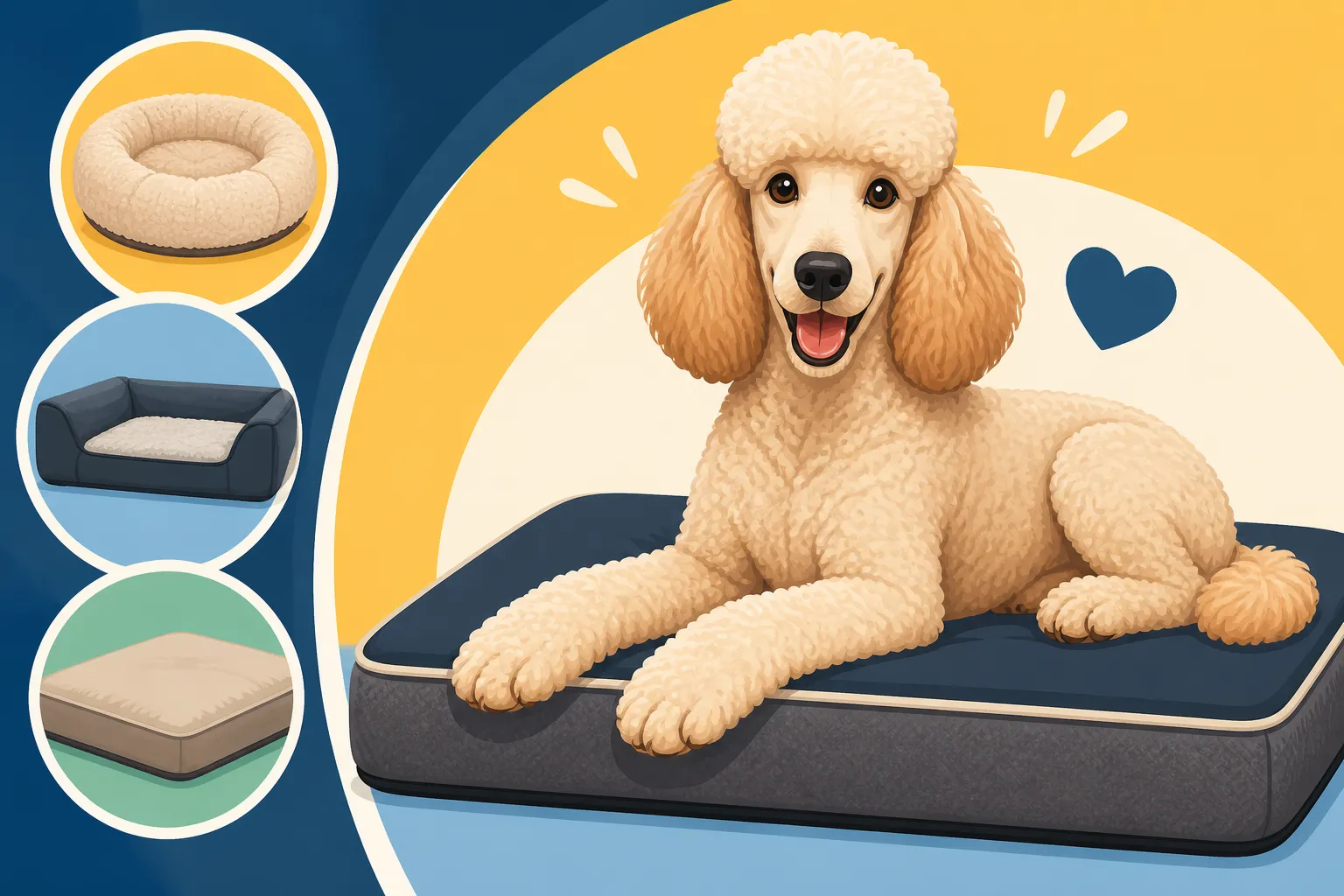
Beds That Suit a Standard Poodle
Finding the perfect bed for your Standard Poodle can feel like an endless quest, especially when you consider their unique blend of elegance, energy, and sometimes, a surprising sensitivity. Many Poodle owners struggle to find a bed that offers both the plush comfort their dog deserves and the durable support their long, athletic bodies truly need. This guide will walk you through everything you need to know to choose a bed that will become your Standard Poodle's favorite sanctuary, ensuring restful sleep and protecting their long-term health.
Understanding Your Standard Poodle's Sleep Needs
Standard Poodles aren't just large dogs; they are active, intelligent, and often very bonded to their families. Their physical structure and personality play a huge role in what makes a bed truly "suit" them. It’s not just about fitting their size; it’s about accommodating their typical behaviors, their natural athleticism, and even guarding against potential health issues down the line.
Size and Support Requirements
A Standard Poodle can weigh anywhere from 40 to 70 pounds or more and stand over 15 inches tall at the shoulder, with some reaching much taller. This isn't a tiny lap dog, so a small, flimsy bed simply won't do. They need ample space to stretch out fully, turn around comfortably, and sprawl. Imagine trying to sleep curled up in a tiny ball every night if you prefer to spread out—it’s just not comfortable!
Beyond size, proper support is absolutely critical. Standard Poodles have a lean, athletic build, but like many larger breeds, they can be prone to joint issues as they age, such as Poodle Hip Dysplasia by Size. A bed that sags in the middle or offers no cushioning from the hard floor can exacerbate these problems or even contribute to their development over time. Look for beds with high-density foam or memory foam, designed to distribute weight evenly and relieve pressure points. This kind of support helps maintain spinal alignment and keeps their joints comfortable, whether they’re a spry puppy or a senior Poodle who needs a bit more help with comfort.
Common Poodle Sleeping Positions
Observe your Standard Poodle when they're truly relaxed and falling asleep. Do they curl up tightly in a little donut? Do they sprawl out completely on their back, legs in the air, belly exposed? Or do they stretch out on their side, perhaps with their head resting on something? Many Poodles are natural sprawlers, taking up quite a bit of real estate when they’re in a deep sleep.
If your Poodle loves to stretch, a rectangular or oval bed with plenty of open space is ideal. If they tend to curl up, a rounder or more enclosed bed with bolsters might offer that sense of security they crave. Some Poodles love to rest their heads, much like a human uses a pillow, so a bed with a raised edge or bolster can be a huge bonus. Paying attention to these subtle cues will guide you toward a bed shape that feels instinctively right for your individual dog, ensuring they get the deep, restorative sleep they need after a day of being a busy Poodle.
Temperature Regulation and Comfort
Poodles have a dense, single coat that, while non-shedding, can trap heat. This means temperature regulation is an important consideration for their bed, especially if you live in a warmer climate or if your home tends to get stuffy. A bed made from breathable materials can prevent overheating, making for a much more comfortable sleep.
Think about fabrics like canvas, cotton blends, or even specialized cooling fabrics. Avoid overly plush, synthetic fleece materials that might feel soft but can quickly become too warm. Elevated beds, which we'll discuss later, are excellent for promoting airflow. On the flip side, if your home is chilly or your Poodle has a very short clip, a slightly cozier, insulated bed might be appropriate, or you might consider adding a soft blanket for them to burrow into. The goal is to provide a consistent, comfortable temperature so they aren't constantly shifting to find a cool spot or shivering through the night.
Types of Beds for Standard Poodles
The market is overflowing with dog beds, and it can be overwhelming to sift through all the options. For a Standard Poodle, the focus should always be on durability, size, and most importantly, support. Let's explore the types that tend to work best for our elegant companions.
Orthopedic Beds for Joint Health
Orthopedic beds are often considered the gold standard for Standard Poodles, and for good reason. These beds are specifically designed to provide superior support for joints and bones. They typically feature thick, high-density foam or medical-grade memory foam, similar to what you'd find in human mattresses. This kind of foam molds to your Poodle's body, distributing their weight evenly and alleviating pressure points on hips, elbows, and shoulders.
Even if you have a young, spry Poodle, investing in an orthopedic bed can be a proactive measure. It helps preserve joint health and can potentially delay the onset or severity of age-related conditions. For older Poodles, or those dealing with conditions like Arthritis in a Twelve-Year-Old Poodle, an orthopedic bed isn't just a luxury; it's a necessity for pain management and improved quality of life. The relief it provides can be immense, allowing them to rest more deeply and wake up feeling less stiff. Look for beds with a substantial thickness – at least 4-6 inches for a Standard Poodle – to ensure the foam doesn't compress too much under their weight.
Bolster Beds for Security and Head Support
Bolster beds are characterized by their raised edges or "bolsters" that create a secure, den-like feeling. Many dogs, Poodles included, instinctively love to curl up against something or rest their heads on a raised surface. These beds cater perfectly to that natural desire. The bolsters provide a sense of security, making your Poodle feel safe and cozy, much like they might have felt snuggled up with littermates.
These raised edges also serve a practical purpose: they offer excellent head and neck support. If your Poodle likes to snooze with their head propped up, a bolster bed acts like a built-in pillow, keeping their spine aligned and comfortable. When choosing a bolster bed for a Standard Poodle, ensure the central sleeping area is still large enough for them to stretch out if they choose. Some Poodles will curl up against a bolster for a while and then stretch out into the open space, so flexibility in sleeping posture is key. You can find a great variety of these on pet supply sites like Chewy, offering different styles and colors to match your home decor.
Crate Beds and Mats
If your Standard Poodle is crate-trained, a comfortable and appropriately sized crate bed or mat is non-negotiable. A crate should be a safe, comfortable den, not a bare, hard prison. The right bedding transforms a metal box into a cozy retreat. For Crate Size for Each Poodle Variety, you’ll want to ensure the bed fits snugly without bunching up, leaving enough room for your Poodle to stand, turn around, and lie down.
Crate mats are often thinner than freestanding beds but still offer cushioning. Look for durable, washable options, as accidents can happen, especially with puppies or senior dogs. Some crate mats have a non-slip bottom to prevent them from sliding around. For maximum comfort, you can even find orthopedic crate beds that provide excellent support within the confines of the crate. A comfortable crate encourages your Poodle to view it as their personal space, making crate time a positive experience rather than a stressful one.
Elevated and Cooling Beds
Elevated beds, often called "cot-style" beds, are fantastic for Standard Poodles, especially those who tend to run warm or live in warmer climates. These beds feature a sturdy frame that lifts a mesh or fabric sleeping surface several inches off the ground. The elevation allows air to circulate freely around and under your Poodle, preventing heat buildup and keeping them cool.
Beyond cooling, elevated beds can also be beneficial for joint health by evenly distributing weight and eliminating pressure points that can occur on solid surfaces. They're also incredibly durable, often made with chew-resistant fabrics and sturdy metal or PVC frames. Many are easy to clean – a quick wipe down or hose off is usually all it takes. For Poodles who enjoy being outdoors, an elevated bed on a patio or deck offers a clean, cool place to relax without getting dirty or lying on hot concrete. While they might not have the plushness of a memory foam bed, the airflow they provide can be a game-changer for a comfortable snooze, particularly after a session of Daily Work for a Poodle's Body and Mind.
Factors to Consider When Choosing a Poodle Bed
Picking a bed isn't just about what looks nice; it's a practical investment in your Standard Poodle's comfort and health. There are several key elements you need to weigh to ensure you're making the best choice for both of you.
Durability and Washability
Standard Poodles are not typically destructive chewers, but they are still active dogs. You need a bed that can stand up to their size, their occasional nesting habits, and regular use. Look for beds with robust seams, heavy-duty zippers (if they have a removable cover), and resilient fabrics. A flimsy bed will quickly flatten, tear, or become lumpy, rendering it useless. Investing a little more upfront in a well-constructed bed often saves money in the long run, as you won't be replacing it every few months.
Washability is perhaps even more crucial. Poodles, with their luxurious coats, can track in dirt, shed a bit of dander, or simply make a bed smell "doggy" over time. A bed with a removable, machine-washable cover is a blessing. Even better are beds where the entire bed can be washed, or at least easily wiped down. Regular cleaning not only keeps the bed hygienic but also extends its life and keeps your home smelling fresh. Imagine trying to clean a massive, non-washable bed after a muddy adventure – it's a nightmare! Check the washing instructions carefully before you buy.
Material and Hypoallergenic Qualities
The material of the bed is important for both comfort and your Poodle's health. For the inner filling, as discussed, high-density or memory foam offers the best support. Avoid beds filled with cheap polyester batting or cedar chips, which can clump, flatten, and offer minimal support over time.
For the outer cover, consider your Poodle's skin and coat. Poodles can be prone to allergies and skin sensitivities, so choosing a hypoallergenic cover material can prevent irritation. Natural fibers like cotton are often breathable and less likely to cause issues than some synthetic blends. Velvet or micro-suede can be very comfortable, but ensure they are durable and easy to clean. If your Poodle has Poodle Allergies and Skin Reactions, opting for organic cotton or even a cooling gel-infused fabric can make a big difference in their overall comfort and prevent flare-ups. A healthy dog, supported by good nutrition like that from Ollie, and a comfortable, clean bed, will be a happier dog all around.
Placement and Environment
Where you plan to put the bed in your home is another critical factor. Does your Poodle like to be right in the middle of the action, or do they prefer a quiet corner? Many Standard Poodles thrive on being close to their family, so a bed in a common living area might be appreciated. However, ensure it’s not in a high-traffic zone where they might be constantly disturbed.
Consider temperature variations in different parts of your home. A sunny spot might be lovely in winter but too hot in summer. A drafty hallway won't be comfortable year-round. If your Poodle has multiple favorite sleeping spots, you might even consider getting two different types of beds – perhaps an orthopedic bed for the main sleeping area and a lighter, more portable mat for a secondary spot. The bed should always be on an even surface, away from direct heat sources like radiators or cold drafts from windows. Think about how the bed fits into your overall living space, ensuring it provides both comfort for your Poodle and convenience for you.
Budget and Longevity
Dog beds come in a vast price range, from under $50 to several hundred dollars. While it's tempting to go for the cheapest option, remember that a Standard Poodle is a substantial dog, and a cheap bed often means cheap materials and poor construction. Such beds will quickly break down, requiring frequent replacement, which ends up costing more in the long run.
Think of a dog bed as an investment in your Poodle's health and happiness. A high-quality orthopedic bed might have a higher initial cost, but its durability and the support it provides can contribute to fewer vet visits for joint issues, potentially saving you money on treatments that pet insurance like Healthy Paws might cover down the line. Weigh the cost against the expected lifespan of the bed and the benefits it offers. Reading reviews from other Standard Poodle owners can give you valuable insight into a bed's true longevity and comfort. Sometimes, paying a bit more upfront for quality really does pay off, leading to years of comfortable snoozing for your beloved Poodle.
Making the Bed a Cozy Sanctuary
Once you've chosen the perfect bed, the next step is to introduce it to your Poodle and ensure it becomes their cherished private space. This isn't just a piece of furniture; it's a cornerstone of their well-being.
Introducing a New Bed
Bringing home a new dog bed is exciting for us, but for your Poodle, it's a new item in their territory. Don't just plonk it down and expect them to immediately understand it's theirs. Instead, make the introduction a positive experience. Place the bed in its intended spot and let your Poodle explore it on their own terms. Avoid forcing them onto it.
You can encourage them with treats or praise when they sniff or step onto it. Toss a favorite toy onto the bed, or even put a familiar blanket that smells like them (or you) on it. For some Poodles, a simple "go to bed" cue, reinforced with a tasty treat, can quickly associate the new bed with positive feelings. Make sure the bed is in a calm, accessible location. It might take a few days, but with patience and positive reinforcement, your Standard Poodle will soon understand that this plush new spot is their very own, a place where they can feel safe, relax, and truly unwind.
Maintaining Cleanliness and Freshness
Even the best bed in the world won't be a sanctuary if it's dirty and smelly. Regular maintenance is key to ensuring your Poodle's bed remains a welcoming haven. As mentioned, washability is crucial, so take advantage of those removable, machine-washable covers. Establish a routine – perhaps once a week or every two weeks, depending on how quickly it gets dirty – to strip the cover and toss it in the laundry.
Between washes, you can vacuum the bed surface to remove loose hair and dirt. Spot-clean any small messes immediately. For deeper odors that penetrate the foam, some beds allow you to wipe down the inner core. Ensure everything is thoroughly dry before reassembling the bed to prevent mildew. Regular cleaning not only keeps the bed hygienic but also prevents allergens from building up, which is especially important if your Poodle or anyone in your household has sensitivities. A clean, fresh bed promotes better sleep and overall health, ensuring your Poodle is always comfortable and happy, ready for another day of being your amazing companion.
| Bed Type | Key Features | Pros | Cons | Ideal For |
|---|---|---|---|---|
| Orthopedic Bed | High-density or memory foam, thick cushioning | Excellent joint support, pressure relief, durable | Can be more expensive, heavier, may retain heat (check material) | Senior Poodles, Poodles with joint issues, preventative care for all ages |
| Bolster Bed | Raised padded edges, central sleeping area | Sense of security, head and neck support, cozy | Central area might be too small for extreme sprawlers if bolsters are too wide | Poodles who like to curl or rest their heads, insecure dogs |
| Crate Bed/Mat | Fits inside a crate, varied thickness, often non-slip | Creates a comfortable den, keeps crate hygienic, often washable | Less plush than freestanding beds, limited space | Crate-trained Poodles, travel |
| Elevated/Cooling | Raised off the ground, mesh or fabric surface, sturdy frame | Excellent airflow and cooling, durable, easy to clean, prevents ground contact | Less plush/soft, some Poodles prefer a solid surface, not for burrowing | Warm climates, outdoor use, Poodles who overheat easily, chewers |
Disclaimer
This article is for general informational purposes only and does not constitute professional advice. Laws, prices and regulations vary by location and change over time. Consult a qualified professional for guidance on your specific situation.