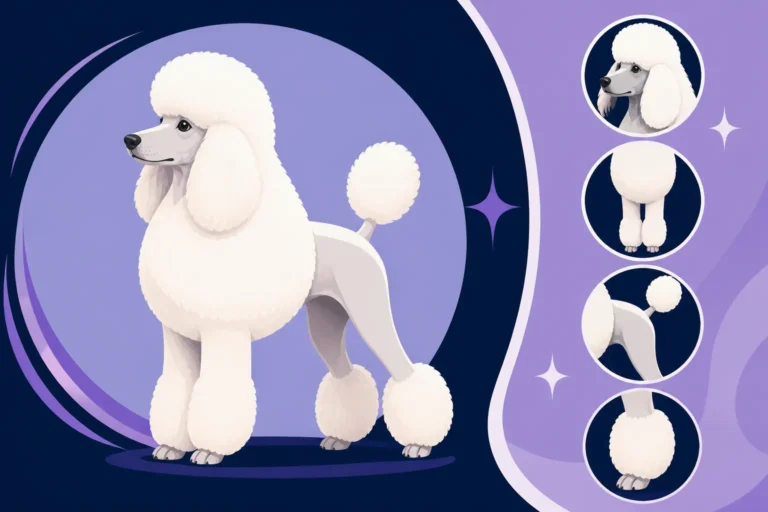
The Poodle’s Standing in AKC Registrations
It can be truly bewildering to look at rankings of popular dog breeds and see Poodles, once the darlings of America, appearing further down the list. Many Poodle enthusiasts feel a pang of confusion, wondering if this reflects a decline in the breed's intrinsic value or simply a shift in public perception. This guide aims to clarify what these AKC registration numbers really mean and put the Poodle's current standing into perspective.
Understanding AKC Registrations and the Poodle's Historical Context
When you see headlines about the "most popular dog breeds," these rankings are almost always based on the number of new registrations recorded by the American Kennel Club (AKC) in a given year. It's a snapshot, a moment in time, reflecting how many purebred puppies of a specific breed were individually registered with the AKC. It's not a count of every living dog or every dog bred, but rather the ones whose breeders and owners chose to register them officially.
What AKC Registration Numbers Actually Tell Us
AKC registration numbers primarily reflect the activity within the purebred dog fancy and consumer demand for specific purebreds from AKC-registered parents. A high ranking often indicates a breed that's currently trendy, or one that has a long-standing, widespread appeal. It can tell us which breeds are being actively bred by AKC-compliant breeders and which ones prospective owners are seeking out through those channels.
However, these numbers don't tell the whole story. They don't capture the vast number of dogs that might be purebred but aren't registered, or the increasing popularity of mixed breeds. For a dedicated Poodle owner, their beloved companion's place on a national list rarely impacts the joy and companionship that Poodle brings into their home. Whether your Poodle is number one or number fifty on a list, their individual personality and loyalty remain unchanged. These lists are more a gauge of the breeding world's pulse than a definitive measure of a breed's quality or desirability.
The Poodle's Rise to American Popularity
There was a time when the Poodle reigned supreme, holding the top spot in AKC registrations for over two decades, from the mid-1960s well into the 1980s. This wasn't by accident; the Poodle had an incredible combination of intelligence, elegance, and a seemingly non-shedding coat that appealed to a broad range of people. They were seen as sophisticated companions, excelling in obedience, conformation, and even performance sports.
The image of the Poodle was everywhere, from Hollywood movies to advertisements. People were drawn to their regal appearance and their sharp minds. Breeders worked diligently to produce healthy, well-tempered Poodles in all three sizes – Standard, Miniature, and Toy – each finding their niche. This era cemented the Poodle's reputation as a versatile and highly desirable breed, a legacy that continues to influence perceptions today, even if the raw registration numbers have shifted. It was a golden age for the breed, showcasing its adaptability and charm to a global audience.
The Poodle's Modern Standing in the AKC Ranks
Today, the Poodle's position in the AKC rankings is different, but it's important to understand why and what that truly signifies. While no longer topping the charts, the Poodle consistently remains a strong contender, often placing within the top 10 to 15 breeds, which is still incredibly respectable when you consider the sheer number of recognized breeds. This sustained presence speaks volumes about the breed's enduring qualities, even amidst shifting trends and new canine fads.
Why the Poodle's Ranking Has Shifted Over Time
Several factors have contributed to the Poodle's movement down the popularity ladder since its peak. One significant reason is the natural ebb and flow of public interest. Just like fashion or music, certain dog breeds rise and fall in popularity over time. New breeds gain recognition, and older, less common breeds see a resurgence, constantly changing the landscape of canine preferences.
Another undeniable factor is the immense popularity of "Doodle" crosses. Many people seeking a dog with a Poodle's coat characteristics and intelligence, but with a different "look" or perceived temperament, opt for a Goldendoodle, Labradoodle, or other Poodle mix. While these dogs inherit many wonderful Poodle traits, they are not registered as Poodles with the AKC, thus their popularity doesn't contribute to the purebred Poodle's registration numbers. This phenomenon has arguably drawn a considerable segment of the dog-owning public away from purebred Poodles, directly impacting their standing. If you're curious, you can learn more about Why the Poodle Fell From First Place.
Deciphering the Nuances of Current Registration Data
It's crucial not to mistake a lower numerical ranking for a decline in the Poodle's quality, health, or desirability. A breed's position on the AKC list is more a reflection of broad market trends and public perception than it is a judgment on the breed itself. For many dedicated Poodle enthusiasts and breeders, a slightly lower ranking can even be seen as a positive, reducing the risk of overbreeding and maintaining a focus on responsible practices.
A breed that is not in the absolute top spot might actually benefit from less pressure from puppy mills and unscrupulous breeders looking to cash in on fleeting popularity. It allows reputable breeders to continue their work with integrity, focusing on the health, temperament, and conformation of their lines, without the overwhelming demand that can sometimes lead to shortcuts. So, while the numbers may look different, the core essence of the Poodle—its intelligence, elegance, and loving nature—remains absolutely unchanged. You'll still find plenty of quality Poodle products on sites like Chewy, catering to their specific needs.
The Impact of "Doodle" Popularity on Purebred Poodles
The rise of "designer dogs," particularly those bred with Poodles, has been one of the most significant shifts in the dog world in recent decades. While these crosses often introduce many wonderful dogs into loving homes, they have undeniably changed the landscape for purebred Poodles and their AKC registration numbers. It's a complex topic with various angles to consider.
The Poodle's Role in the Doodle Phenomenon
The Poodle is, without a doubt, the foundation of the entire "Doodle" craze. People were drawn to the Poodle's remarkable non-shedding, hypoallergenic-friendly coat and its high intelligence. Breeders started crossing Poodles with other popular breeds like Labradors, Golden Retrievers, and others, hoping to combine the desirable traits of both parents. This led to a huge demand for these Poodle crosses.
This decision to use the Poodle as the parent breed for so many crosses speaks volumes about the Poodle's inherent positive qualities. Its trainability, often ranking as the second smartest dog breed, combined with its unique coat, made it the ideal candidate for creating these hybrid dogs. Whether you're interested in The Poodle Behind Every Doodle or Why Doodles Use Poodles as a Parent, it's clear the Poodle's genetics are highly sought after. This demand, while flattering to the Poodle's reputation, directly impacts the purebred numbers, as many of these Poodle parents come from excellent lines but their offspring are not Poodles themselves.
How Doodle Demand Affects Purebred Poodle Registrations
The popularity of Doodles directly impacts the AKC registration numbers for purebred Poodles in a few key ways. Firstly, a large segment of the potential dog-owning public who might have once sought a purebred Poodle now considers a Doodle. This diverts demand away from purebred Poodle puppies.
Secondly, many Poodles used as breeding stock for Doodles may themselves be AKC registered, but their offspring, being mixed-breed, cannot be AKC registered as Poodles. This means that while Poodles are still being bred, a significant portion of the Poodle population's genetic contribution isn't reflected in the purebred Poodle registration statistics. The focus shifts, and with it, the numbers. This dynamic changes how the breed is perceived in terms of numerical popularity, even as its genetic influence expands dramatically across the canine world. Understanding How the Doodle Boom Affected Poodle Breeding gives more insight into this trend.
| AKC Popularity Factor | Poodle's Peak Popularity (Mid-20th Century) | Poodle's Modern Standing (Current) |
|---|---|---|
| Primary Appeal | Elegance, Intelligence, Non-Shedding Coat | Same, plus "Doodle" foundation |
| Ranking | Consistently #1 | Consistently in Top 10-15 |
| Competition | Fewer recognized breeds, less hybrid demand | Many breeds, huge hybrid demand |
| Breeding Focus | Purebred conformation & performance | Purebred quality & hybrid breeding |
| Public Perception | The ultimate family and show dog | Smart, elegant, and "Doodle parent" |
What the AKC Ranking Means for Poodle Owners and Enthusiasts
So, if the AKC ranking isn't the sole measure of a Poodle's worth, what does it truly mean for those who cherish this breed or are considering bringing one into their home? It's about shifting focus from raw numbers to intrinsic value, and understanding the dedication of those who continue to champion the purebred Poodle.
Quality Over Quantity: The Focus of Reputable Poodle Breeders
For responsible Poodle breeders, the AKC ranking is far less important than the quality of the individual dogs they produce. These breeders are meticulously focused on health testing, temperament, and conformation to the breed standard. They invest countless hours and resources into ensuring their puppies are healthy, well-socialized, and true to the Poodle's remarkable characteristics. They understand that a healthy, happy Poodle is the best advertisement for the breed, regardless of its national popularity score.
When you're looking for a Poodle, a reputable breeder will be transparent about their health testing protocols and willing to discuss the lineage of their dogs. They'll prioritize placing their puppies in appropriate homes over simply moving units. This unwavering commitment to excellence is what truly safeguards the future of the breed, far more than any fluctuating statistic. It's why resources like What a Poodle Breeder Must Test For are so vital. You'll find these dedicated individuals prioritize things like Finding a Poodle Breeder Who Tests and ensuring the lifelong well-being of their Poodles, rather than chasing trends. Even if their puppies cost more, as discussed in What Reputable Standard Poodle Breeders Charge, it's for good reason.
Finding Your Poodle Regardless of Ranking
If you're dreaming of a Poodle, the national AKC ranking really shouldn't be a primary concern. Instead, your focus should be on finding a well-bred puppy or an adult dog from a responsible source. Whether that's a reputable breeder who prioritizes health and temperament, or a dedicated Poodle rescue organization, the goal is to find a companion that fits your lifestyle and will thrive in your home.
The Poodle's enduring traits – its keen intelligence, playful spirit, elegant appearance, and low-shedding coat – are what make it such a beloved breed. These qualities aren't diminishing, even if new registrations are spread across more breeds. Many rescues, for instance, have wonderful Poodles of all sizes looking for homes. They can offer invaluable insights into the dog's personality and needs, ensuring a great match. Reputable rescues are diligent, often asking about your experience with grooming and how you plan to care for the dog's coat, just as a good breeder would. You might even find some essential supplies for your new companion at Chewy. Remember, the true measure of a breed's success isn't its numerical ranking, but the love and joy it brings to its human families.
Disclaimer
This article is for general informational purposes only and does not constitute professional advice. Laws, prices and regulations vary by location and change over time. Consult a qualified professional for guidance on your specific situation.