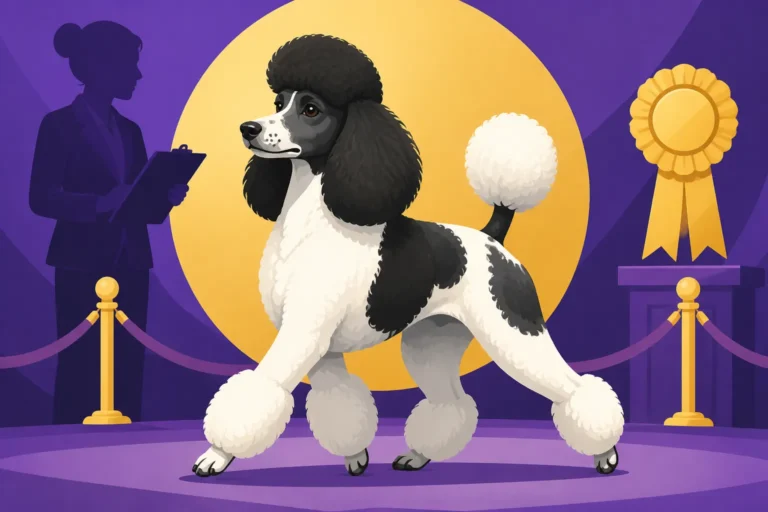
The Year the AKC Recognized the Poodle
Many Poodle enthusiasts and owners often delve into the fascinating history of this sophisticated breed, curious about its journey to formal recognition in the United States. Understanding when and how the Poodle gained its official standing isn't just a historical footnote; it highlights the dedication of early fanciers to preserve the breed's unique characteristics and ensure its future. This guide will explore the pivotal year the Poodle was recognized by the American Kennel Club, shedding light on its profound impact and the legacy it forged.
The Poodle's Journey to American Kennel Club Recognition
Before any breed can truly establish itself within a national registry like the American Kennel Club (AKC), it typically undergoes a significant journey, often spanning continents and centuries. The Poodle's story is no different, rooted in a working past far removed from the glamorous show rings many associate with the breed today.
From European Water Dog to American Shores
The Poodle's origins trace back to Europe, specifically to Germany where its name, "Pudel," meaning "to splash in water," clearly points to its initial purpose as a robust water retriever. These early Poodles were not the delicate, highly coiffed creatures we often envision; they were strong, intelligent dogs bred to plunge into icy waters to retrieve downed fowl for hunters. Their dense, curly coats, which are non-shedding and water-resistant, were perfect for this demanding task. Over time, the breed migrated to France, where it truly flourished and became closely associated with French nobility and performance, further cementing its image.
When Poodles first arrived on American shores, they were still primarily seen for their working abilities or as beloved companions rather than show dogs. They were practical animals, valued for their intelligence and loyalty. The concept of formal breed standards and organized dog shows was still nascent in the burgeoning United States, but as interest in purebred dogs grew, so did the need for a standardized system.
The Founding of the AKC and Early Breed Registrations
The American Kennel Club itself was established in 1884, driven by a growing desire among dog fanciers to create a structured system for breeding, registering, and exhibiting purebred dogs. Before the AKC, records were often informal, leading to inconsistencies and sometimes outright fraud regarding a dog's lineage. The club's mission was to promote the study, breeding, exhibiting, and advancement of purebred dogs, and to maintain their registries. This meant setting clear rules, establishing judging criteria, and meticulously recording pedigrees.
For a breed to be recognized by the AKC, it had to demonstrate a sufficient population, a consistent type, and a group of dedicated breeders committed to preserving its unique characteristics. This process was crucial for ensuring the integrity of purebred dogs and providing a framework for responsible breeding practices. Without this formal recognition, a breed would struggle to gain widespread acceptance, participate in organized competitions, or have its lineage reliably tracked. The foundation of the AKC marked a new era for dog breeding and showing in America, paving the way for many beloved breeds to find their official place.
The Pivotal Year: 1887
For the Poodle, that pivotal moment of official recognition by the American Kennel Club arrived in 1887. This was a significant milestone, marking the breed's formal acceptance into the purebred dog community in the United States. From this point forward, Poodles could be officially registered with the AKC, their pedigrees meticulously documented, and their presence solidified in the nascent world of American dog shows.
This recognition meant several important things for the Poodle. Breeders now had a clear standard to work towards, ensuring consistency in conformation and temperament. It provided a platform for Poodle owners to exhibit their dogs in sanctioned events, from conformation to obedience trials. More importantly, it helped to elevate the breed's profile, moving it from a relatively niche working dog or companion to a celebrated and respected member of the purebred dog fancy. This official stamp of approval laid the groundwork for the Poodle's eventual rise to immense popularity, influencing its development and ensuring its place in American canine history.
Why AKC Recognition Matters for a Breed
AKC recognition isn't just a certificate; it's a foundational pillar that supports a breed's health, integrity, and future. For dedicated breeders and owners, it provides a crucial roadmap and a sense of collective purpose.
Standardizing the Poodle Breed
One of the primary benefits of AKC recognition is the establishment of a detailed written breed standard. This standard is essentially the blueprint for the ideal Poodle, outlining everything from physical appearance—like coat texture, eye shape, ear set, and tail carriage—to temperament and gait. It serves as a guiding document for breeders, helping them make informed decisions to produce dogs that conform to the breed's historical type and purpose. For instance, the standard describes the desired "proud carriage" and "springy gait" of a Poodle, reflecting its athletic heritage. If you're curious about these specific details, you might want to read more about The Poodle the Standard Describes.
Without a standardized guide, breeds can diverge significantly over time, losing characteristics that define them. The Poodle standard ensures that whether you're looking at a Standard, Miniature, or Toy, you're seeing a dog that fundamentally adheres to the same core Poodle traits, even with size variations. This consistency is vital for maintaining the breed's identity and health across generations.
Promoting Responsible Breeding and Health
AKC registration demands that dogs be purebred, meaning their lineage can be traced back through generations of registered Poodles. This structured approach inherently encourages more responsible breeding practices. Breeders aiming for AKC registration and show eligibility are generally more inclined to prioritize the health and genetic soundness of their breeding stock. They are expected to conduct health screenings for common Poodle ailments, such as hip dysplasia, eye conditions like Progressive Retinal Atrophy, and metabolic diseases like Addison's. Learning about What a Poodle Breeder Must Test For is crucial for anyone considering adding a Poodle to their family.
This emphasis on health testing is a stark contrast to unregulated breeding, which often leads to the proliferation of genetic diseases and dogs with compromised well-being. AKC recognition helps distinguish reputable, ethical breeders from those solely motivated by profit, such as puppy mills, who often neglect health and temperament in favor of mass production. It provides a level of accountability that is invaluable to the long-term health of the breed.
Opening Doors to Competition and Community
Beyond the serious aspects of breeding, AKC recognition opens up a vibrant world of organized activities and community for Poodle owners. Registered Poodles can participate in a wide array of AKC events, from the elegance of conformation shows, where dogs are judged against the breed standard, to the excitement of performance events. Poodles, with their renowned intelligence and athleticism, truly shine in activities like obedience, rally, agility, and even dock diving. It's truly amazing to see a Poodle excel in these different disciplines, showcasing their versatility and eagerness to please. For more on this, check out Dog Sports a Poodle Excels At.
These events aren't just about winning ribbons; they foster a strong sense of community among Poodle enthusiasts. Owners connect, share knowledge, and support each other, creating a network that benefits both the dogs and their human companions. Local and national Poodle clubs play a vital role in organizing these events, educating the public, and advocating for the breed's welfare. This sense of belonging enriches the Poodle ownership experience immeasurably, solidifying the breed's place in the hearts of many. And for getting all those performance and grooming supplies, many owners turn to reliable sources like Chewy for their needs.
The Different Poodle Sizes and Their Path to the Ring
One of the most distinctive aspects of the Poodle breed is its presentation in three distinct sizes, all recognized under a single breed standard by the AKC. This unique characteristic often sparks questions, but it's a testament to the breed's adaptability and historical development.
One Breed, Three Sizes: Standard, Miniature, and Toy
It's a common misconception that Standard, Miniature, and Toy Poodles are separate breeds. The American Kennel Club, along with most international kennel clubs, recognizes them as three varieties of the same breed, distinguished solely by their height at the shoulder. The Standard Poodle is the oldest of the three, historically serving as a duck retriever. The Miniature and Toy varieties were developed later through selective breeding, primarily to create smaller companion dogs suitable for different lifestyles, often desired by city dwellers or those wanting a less imposing dog. This fascinating process of intentional size reduction is detailed further in Why the Poodle Was Bred Down in Size.
The official AKC height cut-offs are:
- Standard Poodle: Over 15 inches at the shoulder.
- Miniature Poodle: 10 inches and under 15 inches at the shoulder.
- Toy Poodle: Under 10 inches at the shoulder.
These precise measurements are critical, especially for competition. A Poodle falling even a fraction outside its designated size range could be disqualified in the conformation ring. You can explore these measurements in more detail by looking at Height Limits That Divide the Three Poodles. Despite their size differences, all three varieties share the same elegant conformation, intelligent expression, and distinctive curly coat, embodying the core Poodle essence.
Early Show Ring Presence
In the early days of dog showing in America, following AKC recognition in 1887, all three Poodle sizes slowly but surely established their presence in the show ring. The Standard Poodle, with its impressive stature and athletic grace, was often the first to capture attention. As the Miniature and Toy varieties became more refined and popular as companions, they too entered the competitive arena, charming judges and audiences with their diminutive size and undeniable Poodle spirit.
The evolution of the Poodle's iconic clips played a significant role in their show ring appeal. The elaborate "Continental clip," with its shaved body and dramatic pom-poms on the joints and tail, originated from practical working cuts designed to protect vital organs in cold water, eventually transforming into a high-fashion statement that accentuated the Poodle's elegant structure. This historical transformation from utility to artistry is a fascinating read in The Poodle Clip That Became a Fashion Statement. Breeders and handlers dedicated countless hours to perfecting their Poodles' appearance and training, ensuring they presented themselves impeccably.
The Poodle's Standing in AKC Registrations
Since their official recognition, Poodles have consistently ranked among the most popular breeds in AKC registrations. They saw incredible surges in popularity, particularly in the mid-20th century, where they often held the top spot for many years. Their intelligence, versatility, and non-shedding coats made them highly sought after by families and individuals alike.
While their position in the top ten has fluctuated over the decades, the Poodle's enduring appeal remains strong. This sustained popularity is a testament to the breed's remarkable qualities and the dedicated efforts of breeders to maintain their health and temperament. The AKC's system of registration and events has provided the framework for this sustained interest, allowing new generations of Poodles to find their way into loving homes and competitive careers. For a deeper dive into their historical ranking, take a look at The Poodle's Standing in AKC Registrations. Whether you're a competitor or just a loving owner, you can find a huge variety of Poodle supplies, from grooming tools to high-quality food, on sites like Chewy.
Beyond AKC Recognition: The Poodle's Enduring Legacy
AKC recognition in 1887 was a monumental step, but the Poodle's story didn't end there. It marked the beginning of a vibrant chapter, solidifying the breed's place in American hearts and homes, and ensuring its characteristics would be preserved for future generations.
The Poodle's Reputation and Intelligence
Long before official recognition, the Poodle was admired for its keen intellect. This intelligence is not just anecdotal; Poodles consistently rank among the most intelligent dog breeds, often second only to the Border Collie in studies measuring canine intelligence. Their problem-solving abilities are legendary, and they learn new commands with remarkable speed, often in just a few repetitions. This high level of intelligence means a Poodle requires more than just physical exercise; their minds need to be engaged daily. Left unstimulated, a Poodle can quickly become bored, leading to mischievous or destructive behaviors. This aspect of their character is what makes them such versatile partners in dog sports and working roles, but also requires a committed owner. It’s worth exploring Poodle Intelligence and Coren's Ranking to truly appreciate their mental prowess.
Their sharp minds, combined with their eager-to-please nature, make them highly trainable. They excel in advanced obedience, complex trick training, and even service dog work. This reputation for smarts has undoubtedly contributed to their enduring popularity, as owners appreciate a dog that can truly be a partner in various activities.
Maintaining the Breed's Integrity
Despite the breed's long history and robust AKC framework, maintaining the Poodle's integrity is an ongoing endeavor. Dedicated breeders continue to work tirelessly to uphold the breed standard, focusing on health, temperament, and conformation. This includes vigilant health testing to screen for genetic conditions that, unfortunately, can affect even the most well-bred lines.
In recent decades, the rise of "Doodle" crosses (Poodle mixes) has brought both attention and challenges to the purebred Poodle community. While Doodles have introduced many people to the Poodle's desirable traits, they sometimes overshadow the purebred Poodle itself. It's a complex dynamic, but it also underscores the enduring appeal of the Poodle's coat, intelligence, and temperament. For those interested in the impact of these trends, The Poodle Behind Every Doodle offers an insightful perspective. For purebred enthusiasts, the focus remains steadfast on preserving the Poodle as it was recognized by the AKC – a breed of exceptional grace, intelligence, and distinct character. This involves careful selection of breeding pairs and adherence to the established standard to ensure the Poodle's future generations remain true to their heritage.
A Companion for Life
Ultimately, beyond all the history, the show rings, and the detailed standards, the Poodle's most enduring legacy is its role as a loving, loyal companion. Whether a majestic Standard, a spirited Miniature, or a charming Toy, Poodles are known for forming deep bonds with their families. They are often described as "Velcro dogs," happy to follow their humans from room to room, eager to be involved in whatever the day holds. Their sensitive and intuitive nature makes them wonderful confidantes, and they thrive on interaction and affection.
Poodles are remarkably adaptable, fitting into various living situations from spacious homes to city apartments, provided their exercise and mental stimulation needs are met. They are known for their playful spirit, often retaining a puppy-like exuberance well into their senior years. While every individual dog is unique, the core Poodle character is one of devotion, intelligence, and joy. Owning a Poodle is a commitment to a partner who will enrich your life in countless ways. If you're wondering if this incredible breed is the right fit for your home and lifestyle, Whether a Poodle Fits the Life You Have can offer further guidance. And of course, keeping them happy and healthy means stocking up on their favorite treats, toys, and grooming essentials, which is something Chewy makes incredibly easy to do.
| Poodle Variety | AKC Height Standard (At Shoulder) | Original Purpose (Broad) | Key Characteristics |
|---|---|---|---|
| Standard | Over 15 inches | Water Retriever | Elegant, athletic, highly intelligent, often reserved with strangers |
| Miniature | 10 to 15 inches | Truffle Hunter, Companion | Agile, lively, devoted, good for active families |
| Toy | Under 10 inches | Lap Dog, Companion | Delicate, charming, alert, ideal for smaller living spaces |
Disclaimer
This article is for general informational purposes only and does not constitute professional advice. Laws, prices and regulations vary by location and change over time. Consult a qualified professional for guidance on your specific situation.