Why Doodle Breeders Choose Poodles
When you look at the landscape of designer dog breeds, it's impossible to ignore the sheer dominance of the "Doodle." From Goldendoodles to Labradoodles, Bernedoodles to Schnoodles, it seems like nearly every beloved breed has been crossed with a Poodle. This can be a bit confusing if you're new to the dog world, or even if you're a long-time Poodle lover wondering why your elegant, intelligent companion is always the other half of these trendy crosses. This guide will walk you through the very specific, highly desirable traits that Poodles bring to the table, making them the consistent choice for breeders aiming to create popular hybrid dogs.
The Marvelous, Minimal-Shedding Poodle Coat
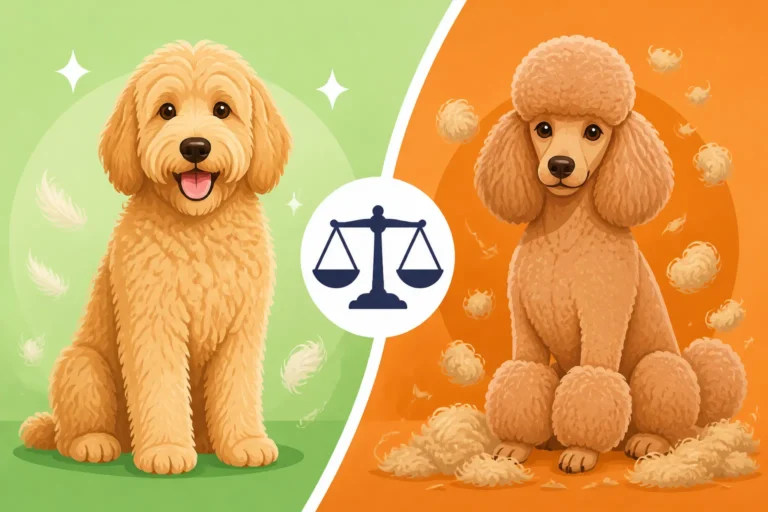
One of the most significant reasons Poodles are chosen for Doodle breeding is, without a doubt, their iconic coat. Many prospective dog owners are hoping for a dog that sheds less, or one that might be more suitable for family members with allergies. While no dog is truly 100% hypoallergenic, the Poodle's coat is about as close as you can get, and this trait is often what breeders are trying to impart to their Doodle offspring.
Understanding the Poodle's Unique Hair Follicle
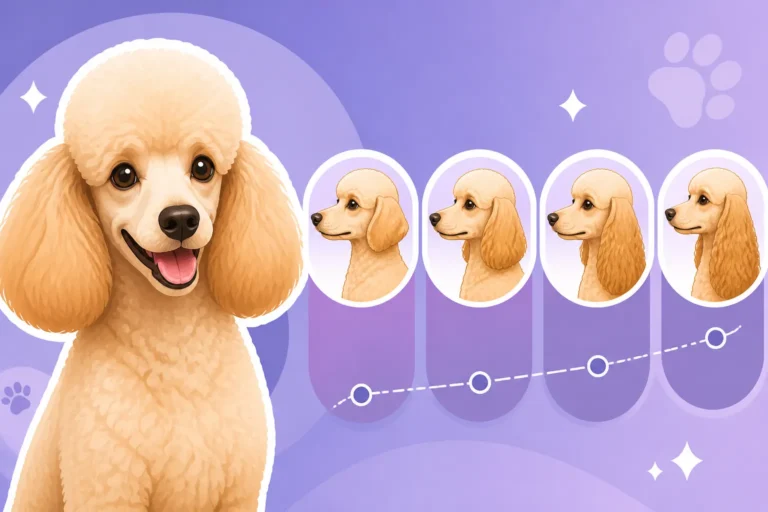
Unlike many breeds that have a double coat consisting of a soft undercoat and coarser guard hairs, Poodles possess a single layer of dense, curly hair. This isn't "fur" in the traditional sense; it's hair that behaves much like human hair. It grows continuously, rather than shedding seasonally or blowing its coat in clumps all over your furniture. This is a fundamental distinction and a huge draw. People often find they are less reactive to a Poodle's dander – the tiny flakes of skin that attach to shed hair – because there's simply less shed hair to carry it around your home. For many seeking a cleaner house or relief from sniffles, this is a game-changer. It's why people often ask, Why Poodles Are Called Non-Shedding.
The reason for this lies in the hair follicle itself. Poodle hair follicles typically have a longer anagen (growth) phase and a shorter telogen (resting) phase compared to breeds that shed profusely. This means the hair stays attached to the follicle for a longer period before it eventually falls out. When it does fall, the curls often trap the loose hair within the coat itself, preventing it from floating around your house. Of course, this trapped hair means frequent brushing is essential to prevent painful matting, a lesson many Doodle owners quickly learn.
The Allergy-Friendly Appeal for Doodles
When you combine a Poodle with a shedding breed like a Labrador Retriever or a Golden Retriever, the goal is often to produce puppies that inherit the Poodle's lower-shedding, allergy-friendly coat. While it's never a guarantee – genetics are a roll of the dice in mixed breeds, and some Doodles will shed more than others – the Poodle parent significantly increases the likelihood of this desirable trait appearing in the offspring.
For families where allergies have historically prevented dog ownership, a Doodle offers a ray of hope. While a breeder can't guarantee a non-shedding or hypoallergenic pup, the Poodle's genetic contribution dramatically improves the chances. This is why you often see "F1b" Doodles (a first-generation Doodle bred back to a Poodle) advertised, as this increases the Poodle genetics and, theoretically, the likelihood of a more Poodle-like, less shedding coat. The Poodle's coat structure is simply a golden ticket for those hoping to combine the temperament of another breed with the practical benefits of reduced shedding. You can learn more about this by researching Whether a Poodle Suits an Allergy Sufferer. If you're looking for specific grooming tools that can help manage these coats, particularly for Doodles, resources like Chewy offer a wide array of slicker brushes, combs, and detangling sprays tailored for curly, non-shedding hair types.
Intelligence and Trainability: The Poodle's Sharp Mind
Beyond their impressive coats, Poodles are renowned for their exceptional intelligence and eagerness to please. This isn't just a charming trait; it's a highly practical one that makes them outstanding candidates for breeding dogs intended to be family companions, service animals, or therapy dogs.
A Breed That Learns at Lightning Speed
Poodles consistently rank among the most intelligent dog breeds, often placing second only to the Border Collie in studies on canine intelligence. What does this mean in practical terms? It means Poodles are quick learners, often grasping new commands and concepts in just a few repetitions. They are highly biddable, meaning they genuinely enjoy working with their human companions and thrive on mental stimulation. This inherent drive to learn and cooperate is a huge asset for Doodle breeders.
When you cross a Poodle with another intelligent and biddable breed, like a Labrador, you significantly increase the chances of producing highly trainable puppies. This is particularly appealing to families who want a dog that will be relatively easy to house train, teach basic obedience, and potentially even engage in advanced dog sports or therapy work. A smart, responsive dog integrates more smoothly into a family's life, leading to fewer behavioral challenges and a more harmonious home environment. This inherent ability to learn quickly is often discussed when looking at Training the Second Smartest Dog Breed.
More Than Just "Smart": The Poodle's Working Ethic
It's not just about raw intelligence; it's about the Poodle's application of that intelligence. Poodles were originally bred as water retrievers, a job that required problem-solving, focus, and a strong partnership with their handler. This working dog heritage translates into a natural desire to have a "job" and to please. This is why you see Poodles excelling in everything from agility to obedience, and it's a trait that transfers beautifully to Doodles.
Breeders look for this quality because it means the Doodle puppies they produce are more likely to inherit that "can-do" attitude. They're often more receptive to training, more adaptable to new situations, and less prone to stubbornness or disinterest. This makes the training process, which can be daunting for new dog owners, a far more rewarding experience. However, it's a double-edged sword: a smart Poodle or Doodle needs that mental engagement, or they can become bored and develop undesirable behaviors. You can explore how to channel this intelligence effectively in resources like Keeping a Poodle Mind Occupied. If you are looking for engaging toys to keep a Poodle or Doodle busy, Chewy offers a fantastic selection of puzzle toys and interactive feeders that stimulate their clever minds.
Versatility in Size and Temperament
Another significant advantage of using Poodles in hybrid breeding programs is the incredible versatility they offer in terms of size and, often, a generally agreeable temperament. Poodles come in three distinct size varieties, allowing Doodle breeders to essentially customize the expected size of their mixed-breed puppies.
Customizing Doodle Sizes Through Poodle Variety
The Poodle breed officially recognizes three sizes: Toy, Miniature, and Standard.
- Toy Poodles are typically under 10 inches tall and weigh 4-6 pounds.
- Miniature Poodles stand between 10 and 15 inches tall, usually weighing 10-15 pounds.
- Standard Poodles are over 15 inches tall (often 22-27 inches) and can weigh anywhere from 40 to over 70 pounds.
This genetic range is invaluable to Doodle breeders. Want a compact companion perfect for apartment living? Breed a Toy Poodle with a Cavalier King Charles Spaniel to get a Cavapoo. Looking for a medium-sized dog that's still robust but not overwhelming? A Miniature Poodle crossed with a Schnauzer results in a Schnoodle. And, of course, the ever-popular Goldendoodle or Labradoodle usually involves a Standard Poodle, yielding a large, active family dog.
This ability to tailor the size of the offspring based on the Poodle parent is something few other breeds can offer. It means breeders can cater to a wider market of prospective owners, from those living in smaller urban homes to those with large suburban yards. Understanding these size divisions is key to appreciating the Poodle's utility in breeding, and you can delve deeper into it by reading Standard, Miniature and Toy Poodles.
A Generally Agreeable and Adaptable Nature
Beyond size, Poodles are generally known for their affectionate, loyal, and adaptable temperaments. They are highly people-oriented dogs who thrive on companionship and become deeply bonded with their families. While individual personalities always vary, the Poodle breed standard describes them as active, intelligent, and elegant, often with a proud carriage. They are typically not aggressive, though they can be reserved with strangers.
When breeding Doodles, combining this generally amenable Poodle temperament with the traits of another breed often results in well-rounded puppies. For instance, a Golden Retriever brings its classic friendly and outgoing nature, and when combined with a Poodle, the resulting Goldendoodle often exhibits a wonderful blend of both: affectionate, playful, smart, and eager to please. The goal is to produce a dog that is not only smart and low-shedding but also has a stable, friendly disposition that makes them wonderful family members. This harmonious temperament is a trait that owners truly value, and it's a major reason for the Poodle's consistent selection. You can understand more about what makes them so emotionally intelligent in Poodle Temperament and Sensitivity.
Here's a quick look at why these Poodle traits are so prized in the world of Doodles:
| Poodle Trait | Primary Benefit for Doodle Breeding | Impact on Doodle Owners |
|---|---|---|
| "Hair" Coat | Reduced shedding, often less dander, perceived as "hypoallergenic" | Cleaner homes, potential for allergy sufferers to own a dog, less vacuuming. |
| High Intelligence | Quick to learn, highly trainable, keen to please | Easier house training, obedience, potential for advanced tasks/sports. |
| Versatile Size Range | Ability to create Toy, Miniature, or Standard Doodles | Options for various living situations (apartments to large homes). |
| Affectionate Temperament | Generally friendly, loyal, adaptable nature | Stable, loving family companions, good with children and other pets. |
| Working Dog Ethos | Strong drive to engage and perform tasks, focus on handler | More responsive pets that thrive on interaction and mental challenges. |
In essence, the Poodle's combination of a unique coat, sharp intellect, flexible sizing, and pleasing disposition makes them the ideal genetic partner for creating hybrid dogs that fulfill many of the modern pet owner's desires. Whether it's for a potential allergy solution or a highly trainable family friend, the Poodle's contributions are undeniable. If you're considering a Doodle, understanding the Poodle half of their heritage is crucial for knowing what qualities you might be welcoming into your home. Just like any new pet, researching their specific needs for grooming supplies, food, and toys is important, and sites like Chewy can be a great starting point for stocking up. When comparing Doodles to purebred Poodles, it's also worth investigating How a Poodle Differs From a Doodle to understand the nuances of each.
Disclaimer
This article is for general informational purposes only and does not constitute professional advice. Laws, prices and regulations vary by location and change over time. Consult a qualified professional for guidance on your specific situation.