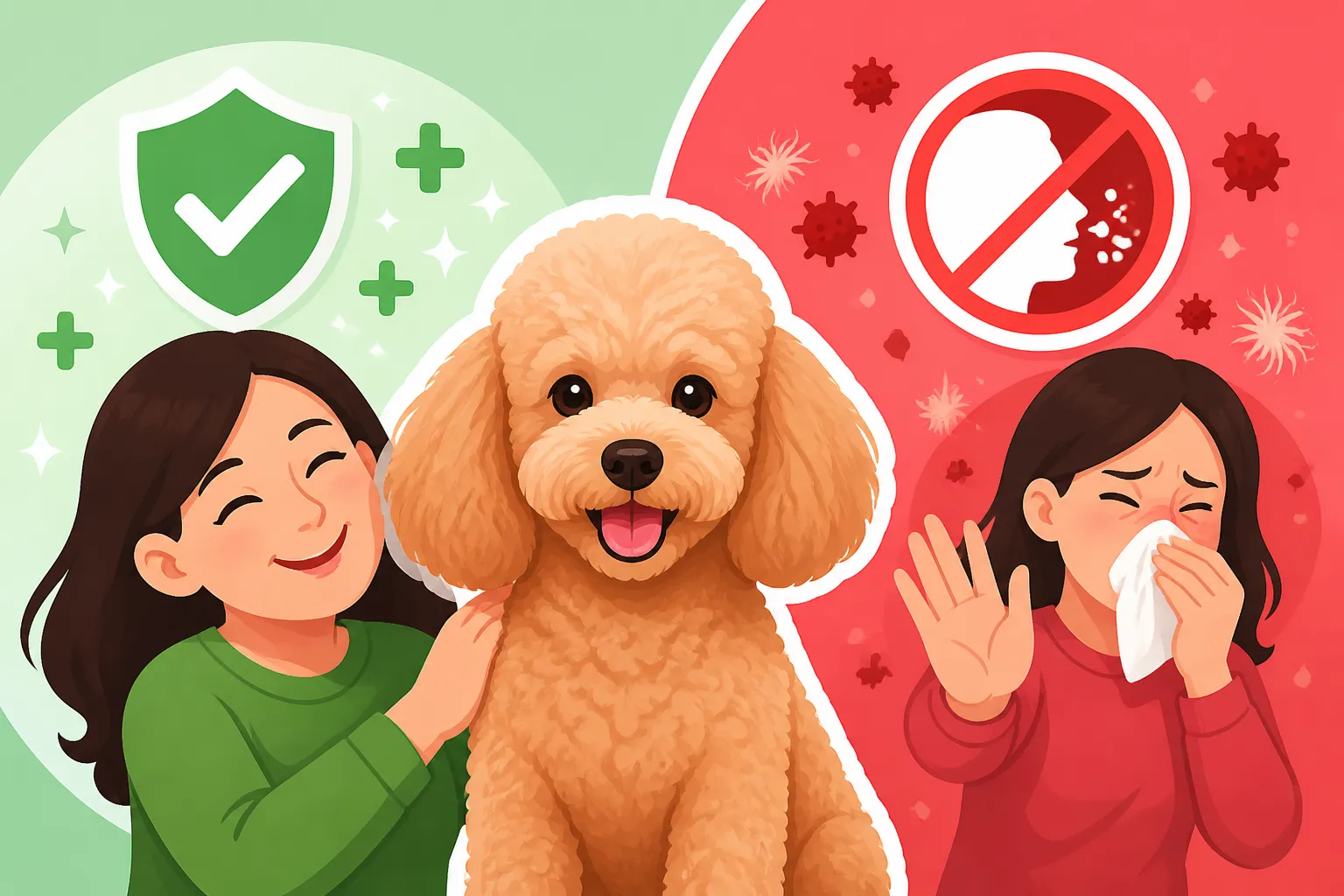
Whether a Poodle Suits an Allergy Sufferer
The dream of owning a dog can feel out of reach when you or a loved one suffers from pet allergies. It's a common frustration, the longing for canine companionship warring with the reality of itchy eyes, sneezing fits, and skin rashes. Many people turn to the Poodle, hearing whispers of their "hypoallergenic" qualities, hoping this elegant breed is the answer to their dilemma. This guide is going to walk you through what "hypoallergenic" actually means in the context of Poodles, why they often work out for allergy sufferers, and what practical steps you absolutely must take to ensure a harmonious, sniffle-free home life with your curly-coated companion.
Understanding Pet Allergies Beyond "Hair"
When we talk about pet allergies, the common misconception is that it's all about the hair. People often assume that if a dog sheds less, it automatically means fewer allergens. While a Poodle's non-shedding coat is a huge part of why they're often recommended, it's not the full story. Understanding what truly triggers allergic reactions is key to knowing whether a Poodle can fit into your life.
The Real Culprit: Dander and Saliva
The truth is, it's not the hair itself that most people are allergic to. It's specific proteins found in a dog's dander (tiny flakes of skin), saliva, and urine. These microscopic particles become airborne and settle on surfaces throughout your home. When a dog licks itself, the saliva dries and becomes airborne, carrying those proteins. When they scratch or move, dander flakes off and disperses into the environment. Every dog, regardless of breed, produces dander and saliva. This is a fundamental biological fact. So, no dog is truly 100% "hypoallergenic" in the sense that they produce zero allergens. The term is more about how much allergen is released into the environment and how easily it disperses.
Even with a Poodle, you're going to encounter these allergens. They lick their paws, they scratch an itch, and their skin renews itself just like any other animal. The difference, however, lies in how those allergens interact with their unique coat. You might notice, for example, that some people are more reactive to a dog after it's licked them. This is a classic sign that saliva proteins are a significant trigger. Understanding this helps manage expectations; a Poodle isn't a magic wand, but rather a breed that, due to its physical characteristics, significantly reduces allergen exposure.
Why the Poodle Coat Makes a Difference
Here's where the Poodle's distinctive coat becomes a game-changer for allergy sufferers. Poodles don't have a double coat like many shedding breeds, and their hair grows continuously, much like human hair. Instead of shedding loose hair all over your furniture and floor, the Poodle's shed hair tends to get caught within its dense, curly coat.
Think of it like this: A dog with a typical shedding coat acts like a dander and hair dispenser, constantly releasing these allergens into the air and onto every surface it touches. A Poodle, on the other hand, essentially acts as its own filter. The shed hairs, along with the dander clinging to them, remain trapped in the curls. This means less dander and hair are released into your home environment. While you'll still need to deal with those trapped allergens, it's a controlled release during grooming sessions rather than a continuous dusting. This is also why Poodles are often called Why Poodles Are Called Non-Shedding. While not entirely accurate (all hair eventually detaches), the way their coat holds onto it is the crucial factor. This unique hair type is Why Poodles Have Hair Rather Than Fur, which contributes to their reputation for being allergy-friendly.
Managing Allergies with a Poodle in Your Home
Even with a Poodle, vigilance and a consistent routine are your best friends in keeping allergy symptoms at bay. Simply owning a Poodle isn't enough; you need to actively manage the environment and your dog's coat to minimize allergen exposure. This requires commitment, but it's entirely doable, and many allergy sufferers live very comfortably with their Poodles.
Grooming as Your First Line of Defense
This cannot be stressed enough: regular, thorough grooming is paramount for allergy sufferers with Poodles. Because their shed hair and dander get trapped in their curls, these allergens must be physically removed. If you neglect grooming, all those trapped allergens build up, and when you finally do brush, you'll release a concentrated burst of dander that could trigger a severe reaction.
- Brushing Frequency: Aim to brush your Poodle at least every other day, and ideally daily, especially if they have a longer coat. This isn't just a quick surface brush; you need to Line Brushing a Poodle Explained to ensure you're getting down to the skin and removing all the loose hair and dander. Using a good slicker brush and a metal comb, available at retailers like Chewy, will be essential. This regular brushing is key to preventing mats and reducing allergen load, as highlighted in How Often a Poodle Must Be Brushed.
- Bathing Routine: Regular bathing helps wash away dander and saliva proteins from the coat. Bathe your Poodle every 2-4 weeks, using a hypoallergenic or mild shampoo specifically designed for dogs. Make sure to rinse thoroughly to avoid skin irritation. After the bath, Bathing and Drying a Poodle properly is crucial. A high-velocity dryer will help blow out loose hair and dander, minimizing what stays in the house. This also makes the coat easier to comb through. Using a gentle Shampoo and Conditioner for a Poodle Coat can make a big difference in maintaining skin health and minimizing dry, flaky dander.
- Professional Grooming: Many Poodle owners find immense value in professional grooming every 4-6 weeks. A professional groomer has the tools and expertise to give your Poodle a thorough bath and clip, removing a significant amount of allergens. You can discuss different Choosing a Clip for a Pet Poodle with your groomer; a shorter clip often means less maintenance and fewer places for allergens to accumulate between grooms. While this adds to the overall cost, as explored in What Grooming Adds to a Poodle's Lifetime Cost, it can be a non-negotiable expense for allergy sufferers. You might even consider setting up a dedicated Setting Up a Poodle Grooming Corner at Home if you plan to do some maintenance yourself.
Environmental Control: Keeping Your Home Allergy-Friendly
Beyond grooming your Poodle, you need to turn your home into an allergy-fighting fortress. This means adopting habits and making a few strategic investments to keep airborne allergens to a minimum.
- Designated Dog-Free Zones: Consider making your bedroom a "dog-free zone." This allows the allergy sufferer a sanctuary where they can sleep and breathe without a constant presence of pet allergens. Keep the door closed, and don't let your Poodle on the bed or furniture in this room.
- HEPA Filters: Invest in high-quality HEPA air purifiers for key rooms, especially bedrooms and living areas. These devices can capture airborne dander and other allergens, significantly improving air quality. Regularly changing your HVAC system's air filter to a high-efficiency particulate air (HEPA) filter is also a smart move.
- Cleaning Regimen: Vacuum frequently with a vacuum cleaner equipped with a HEPA filter. Damp mop hard floors to pick up settled dander without kicking it back into the air. Wash dog beds, blankets, and your Poodle's toys regularly. Consider removing carpets where possible, opting for hard flooring that's easier to clean.
- Handwashing: Make a habit of washing your hands immediately after petting your Poodle. This simple act can prevent you from inadvertently transferring allergens to your face, eyes, and mouth.
By combining diligent grooming with meticulous home cleaning, you create an environment where the Poodle's low-shedding qualities can truly shine and provide relief for allergy sufferers.
What to Consider Before Bringing a Poodle Home
While Poodles offer a promising solution for many allergy sufferers, it's vital to approach this decision with careful consideration and realistic expectations. You're not just getting a dog; you're adopting a lifestyle that prioritizes allergy management.
| Aspect | Consideration for Allergy Sufferers |
|---|---|
| Allergen Source | Poodles still produce dander and saliva; the benefit is less dispersal, not no production. |
| Individual Reactions | Everyone's allergies are different. Reaction to one Poodle doesn't guarantee reaction to all. |
| Grooming Commitment | Non-negotiable regular brushing and bathing are critical to keeping allergens trapped and removed. |
| Environmental Control | Home cleaning, air purification, and designated dog-free zones are essential complements to grooming. |
| Cost | Factor in professional grooming, quality air filters, and potentially allergy medications. What Grooming Adds to a Poodle's Lifetime Cost is substantial. |
| Breed Temperament | Poodles are intelligent, active, and sensitive. Ensure their personality matches your family beyond just their coat type. |
Spending Time with Poodles of Different Lines
Before you commit to a Poodle, the most important step you can take is to spend extended time with Poodles. Don't just meet one Poodle for five minutes. Ask breeders if you can visit their home (if they're comfortable and you're prepared to clean up afterwards!), spend time with the adult dogs, and perhaps even rub a towel on a Poodle and then expose yourself to that towel later.
Different Poodles, even within the same size variety, can produce varying levels of allergens. Some allergy sufferers report reacting less to a particular Poodle than others. This could be due to subtle genetic differences or even environmental factors. It's also wise to test your reaction to different Poodle sizes, as a Standard Poodle's larger surface area could theoretically produce more dander, though it's still trapped in the coat. This trial period is your best indicator of whether a Poodle truly suits your specific allergy profile. Reputable breeders understand this concern and should be willing to work with you on these visits. You might also want to gauge your reaction to Poodles with different coat textures, though the core non-shedding trait remains.
Preparing for Ongoing Management and Potential Challenges
Bringing a Poodle into an allergy-sensitive home isn't a "set it and forget it" solution. It requires ongoing commitment and preparation for potential challenges. You'll need to establish a strict grooming schedule and stick to it, whether you do it yourself or rely on professional groomers. For instance, skipping a week of brushing can quickly lead to mats that trap even more dander, which then requires more intensive grooming or even a shave down, releasing a flood of allergens.
Be prepared for the financial aspect of this commitment. Regular professional grooming, high-quality shampoos, detangling sprays (Chewy offers a wide range of these products), and replacement filters for air purifiers and vacuums can add up. It’s also important to remember that some Poodles themselves can suffer from allergies, such as Environmental Allergies in a Poodle, which can impact their skin health and dander production. A healthy dog's coat and skin will produce less irritating dander than one suffering from skin issues.
Finally, manage your expectations. There might still be days when your allergies flare up, perhaps during seasonal changes when environmental allergens are high, or if your Poodle has a minor skin irritation. Having over-the-counter allergy medication on hand for humans can provide relief on these rare occasions. With careful planning, consistent effort, and a realistic understanding of pet allergies, a Poodle can indeed be a wonderful, loving companion for many allergy sufferers, bringing joy without the constant sniffles.
Disclaimer
This article is for general informational purposes only and does not constitute professional advice. Laws, prices and regulations vary by location and change over time. Consult a qualified professional for guidance on your specific situation.