Standard, Miniature and Toy Poodles
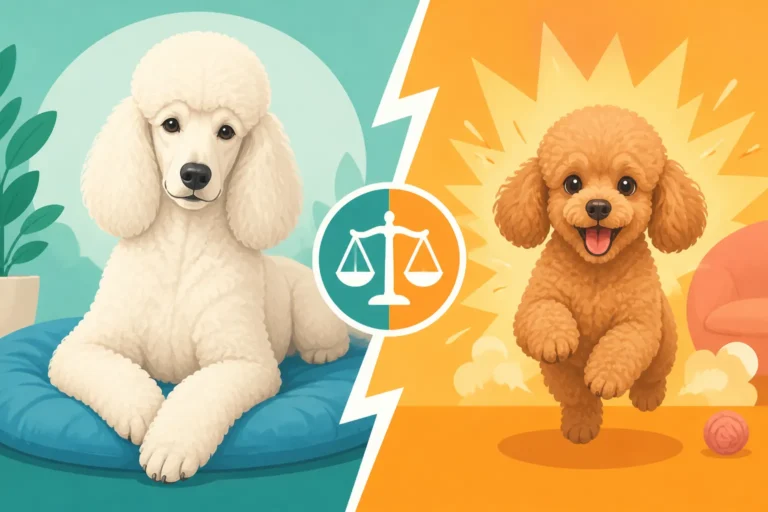
One of the biggest questions aspiring Poodle owners face isn't just if a Poodle is right for them, but which size Poodle truly fits their life. It's a common misconception that a Poodle is a Poodle, regardless of their stature. However, Standard, Miniature, and Toy Poodles, while sharing that unmistakable Poodle charm, have distinct differences in temperament, exercise needs, health predispositions, and even daily care that can significantly impact your experience. This guide will walk you through the nuances of each size, helping you understand their unique characteristics and decide which one will thrive best in your home.
The Historical Journey of Poodle Sizes
The Poodle's history is fascinating, marked by its evolution from a robust working dog to the sophisticated companion we know today. Understanding this journey helps us appreciate why we have the distinct sizes we do. It wasn't just about making them smaller; it was about adapting them to different roles and environments.
From Waterfowl Retriever to Companion
Believe it or not, the Poodle's ancestors were strong, athletic water retrievers, primarily used by hunters to fetch game from icy waters. The word "Poodle" itself likely comes from the German "Pudel," meaning "to splash." These dogs needed to be hardy, intelligent, and have a thick, curly coat that could protect them from the cold. The original Poodles were similar in size to what we now call Standard Poodles, built for endurance and resilience. They weren't delicate creatures; they were working dogs with a job to do.
Their intelligence and eagerness to please quickly made them popular beyond the hunting grounds. People recognized their trainability and unique appearance, and they began to find roles as performers in circuses and as beloved companions in noble households. This shift in role began to influence breeding, as there was less emphasis on purely retrieving capabilities and more on their adaptability and charming personality.
How the Miniature and Toy Poodles Emerged
As Poodles transitioned from the field to more domestic settings, particularly in Europe, there became a desire for smaller versions. This wasn't just a whim; it was a practical response to changing lifestyles. People living in cities or smaller estates still adored the Poodle's intelligence and non-shedding coat, but a large Standard Poodle wasn't always feasible. Thus, breeders carefully selected smaller individuals within litters, gradually, over generations, developing the Miniature Poodle.
The Toy Poodle followed a similar path, further miniaturized to become a fashionable lapdog for royalty and the aristocracy. These tiny companions were perfect for urban living, could be easily carried, and required less space and food. It's important to remember that these smaller sizes weren't created through cross-breeding with other small dogs; they were developed solely from the Poodle gene pool, which is why they retain the classic Poodle traits and conformation, just scaled down. This intentional breeding down in size created the distinct categories we recognize today, each with its own charm and suitability for different homes.
Defining the Sizes: What the Standard Says
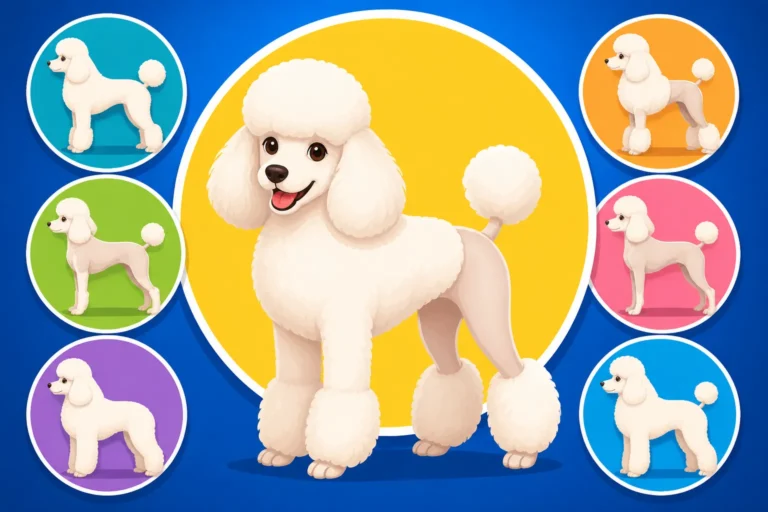
When we talk about Standard, Miniature, and Toy Poodles, we're not just using casual descriptors. These are defined categories with specific size requirements set by kennel clubs around the world. These standards are what breeders aim for and what judges look for in the show ring, but they also give us a good benchmark for what to expect in terms of physical stature for a pet.
Standard Poodles: The Original Athlete
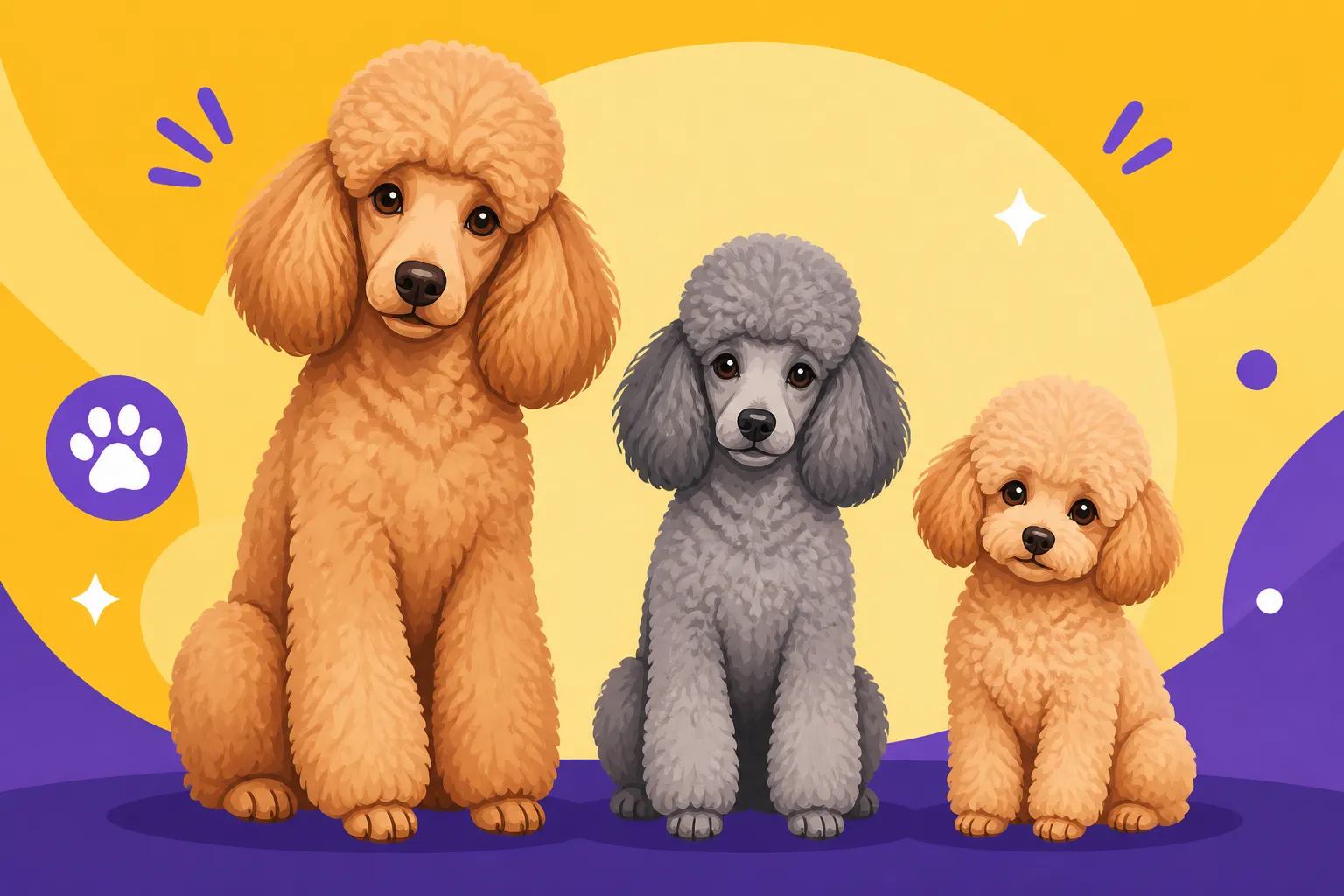
The Standard Poodle is the largest of the three varieties, a truly magnificent and athletic dog. According to most kennel club standards, a Standard Poodle must be over 15 inches tall at the shoulder. There's no upper limit, but most typically fall in the range of 20 to 27 inches, with some males even topping 28 inches. Their weight can vary significantly with height and build, generally ranging from 40 to 70 pounds, or even up to 80 pounds for a particularly robust male.
These are not dainty dogs by any means. They possess a noble carriage, a long elegant neck, and a balanced, muscular body built for active pursuits. Historically, their strong build and stamina were essential for their work as water retrievers. Today, while many are cherished companions, their physical capabilities still shine through in dog sports like agility, obedience, and even dock diving. When you see a Standard Poodle, you're looking at the closest modern descendant of those original working Poodles. You can learn more about their health considerations in Bloat and the Deep Standard Poodle Chest or Addison's Disease in Standard Poodles.
Miniature Poodles: The Versatile Middle Child
Falling perfectly between the Standard and Toy Poodles, the Miniature Poodle offers a fantastic blend of both worlds. The official standard states that a Miniature Poodle must be 10 inches or taller, but not exceeding 15 inches at the shoulder. This precise Height Limits That Divide the Three Poodles means they are small enough to be portable and suitable for apartment living, yet large enough to enjoy more vigorous activities and feel substantial under hand.
Miniature Poodles usually weigh between 10 and 15 pounds. Their slightly more compact size compared to the Standard doesn't diminish their Poodle elegance or intelligence. They are often described as spirited and lively, retaining much of the Standard's athleticism in a smaller package. They can excel in many of the same dog sports, just at a different scale. Their versatility makes them a popular choice for families looking for an intelligent, active dog that's not quite as demanding in terms of space as a Standard.
Toy Poodles: Compact Charm and Energy
The Toy Poodle is the smallest of the three recognized varieties, defined as being 10 inches or under at the shoulder. While there's no official lower limit, healthy Toy Poodles generally stand between 6 to 9 inches tall. Their weight is typically between 4 and 6 pounds, though some can be a tiny bit smaller or larger depending on their bone structure and individual genetics. These tiny Poodles are indeed "toys" in the best sense of the word—designed to be companions.
Despite their diminutive size, Toy Poodles are not fragile dolls. They are surprisingly robust and full of energy, with a lively, mischievous personality that belies their small stature. They carry themselves with the same proud elegance as their larger cousins, just in a miniature form. Their portability makes them ideal for urban dwellers, travelers, or those seeking a true lap companion. However, their small size does come with specific considerations, particularly regarding delicate bones and temperature regulation. For more on their health, consider reading Toy Poodle Kneecaps and Windpipes or Blood Sugar Crashes in a Toy Poodle Puppy.
| Poodle Size | Height at Shoulder (Approx.) | Weight (Approx.) | Key Characteristics |
|---|---|---|---|
| Standard | 15 – 28 inches | 40 – 80 pounds | Athletic, majestic, robust, high stamina |
| Miniature | 10 – 15 inches | 10 – 15 pounds | Versatile, energetic, balanced, adaptable |
| Toy | 6 – 10 inches | 4 – 6 pounds | Petite, spirited, intelligent, portable |
Beyond the Tape Measure: Character and Temperament Differences
While all Poodles share core breed traits like intelligence, loyalty, and a certain dignified air, it's a common mistake to assume their personalities are identical regardless of size. Just like people, individual dogs have unique temperaments, but size can often influence general trends in behavior and how those traits manifest.
Do Size Differences Affect Temperament?
In a broad sense, yes, size can subtly influence temperament. Standard Poodles, being the largest, often exhibit a calm dignity and an impressive presence. They can be incredibly gentle and patient, especially with children, but they possess a strong protective instinct rooted in their history as working dogs. They are highly intelligent and often have a strong desire to please, making them extremely trainable. However, their size can make them appear more intimidating, even if their heart is pure gold.
Miniature Poodles often strike a balance. They tend to have the vivaciousness of a smaller dog combined with the steady composure of a larger one. They are alert, playful, and very intelligent, often adapting well to various situations. They can be a bit more spirited than Standards but are generally less prone to the "nervous" stereotype sometimes unfairly associated with small breeds. They are eager to learn and can be quite clever at getting their way!
Toy Poodles, on the other hand, are renowned for their lively and affectionate personalities. They often have a big dog attitude in a small package, full of confidence and zest for life. They are incredibly devoted to their families and thrive on companionship, often becoming "Velcro dogs" who want to be involved in everything. While incredibly intelligent like all Poodles, their small stature can sometimes lead owners to skip certain training aspects, which can result in a tiny tyrant if not properly managed. Remember, a Toy Poodle is still a Poodle and needs mental stimulation and training, not just cuddles.
Energy Levels and Exercise Needs by Size
The energy requirements also vary considerably across the sizes, and it's something future owners really need to consider. A common pitfall is underestimating the exercise needs of Poodles, especially the larger ones.
Standard Poodles are high-energy dogs. They were bred to work all day, and while modern Standards might not be retrieving ducks, they still need significant daily exercise to be happy and well-behaved. This often means long walks, vigorous play sessions, or engaging in dog sports. An hour or two of active exercise, broken up throughout the day, is usually a minimum. They thrive on having a job to do, whether that's advanced obedience, agility, or even just being your hiking buddy. Without enough physical and mental outlets, a bored Standard Poodle can become destructive or vocal. Consider Daily Exercise for a Standard Poodle for more specifics.
Miniature Poodles have moderate to high energy levels. They can often get sufficient exercise with a good 30-45 minute walk once or twice a day, plus some playtime in the yard or indoors. They're usually quite happy with a brisk walk, a game of fetch, or a run at the dog park (if well-socialized). Their size makes them a bit easier to exercise in smaller spaces compared to a Standard, but they still need regular activity to prevent boredom and maintain their lean physique. They are robust enough for many adventures but can also be content with a cozy evening on the couch.
Toy Poodles, despite their small size, are quite energetic! They might not need to run miles, but they have bursts of energy and love to play. Multiple short walks throughout the day, combined with indoor games and puzzle toys, are usually sufficient. A 15-20 minute walk twice a day, plus some enthusiastic indoor play, can keep them well-exercised. Owners must be careful not to over-exercise tiny puppies, as their developing bones and joints are vulnerable. It's easy to dismiss their exercise needs because they're small, but a bored Toy Poodle can develop undesirable behaviors, like excessive barking or destructive chewing, just like a bigger dog. Find out more at Daily Exercise for a Toy Poodle.
Socialization Across the Poodle Varieties
Socialization is critical for all Poodles, regardless of size, but the context and focus might shift slightly. A well-socialized Poodle is a confident, happy dog, whereas a poorly socialized one can become fearful, anxious, or reactive.
Standard Poodles benefit immensely from early and consistent socialization. Exposing them to a wide variety of people, places, sounds, and other dogs from a young age helps them develop into well-adjusted adults. Given their size, it's especially important that they learn appropriate manners around strangers and other animals. A pushy or ill-mannered Standard Poodle can be a handful due to their strength and stature, so early training is paramount. They generally enjoy interacting with people and other dogs, thriving in environments where they feel secure and have clear boundaries.
Miniature Poodles also need comprehensive socialization. Their "middle child" status sometimes means they can be overlooked in this regard. They need exposure to various situations, just like their larger counterparts, to ensure they don't become overly timid or yappy. They typically enjoy interacting with other dogs and people, and their size makes it easier to take them to more places, which can facilitate broader socialization experiences. It's important to ensure they are comfortable around both large and small dogs, preventing them from developing fear or aggression.
Toy Poodles absolutely require diligent socialization. Owners sometimes make the mistake of overprotecting their tiny Poodle, carrying them everywhere and limiting their interaction with the outside world. This can lead to a fearful, snappy, or overly vocal dog. It’s crucial that Toy Poodles meet various people, experience different environments, and learn to interact appropriately with other dogs (especially larger ones, under strict supervision). Puppy classes and carefully managed playdates are invaluable. While their delicate structure means protecting them from rough play, it doesn't mean sheltering them from all social interaction.
Health Considerations Unique to Each Poodle Size
While Poodles as a breed share some common genetic predispositions, the specific health concerns often vary significantly based on size. This is a critical area for prospective owners to understand, as it directly impacts the potential for veterinary expenses and the dog's quality of life. Understanding Why Poodle Health Splits by Size is key.
Standard Poodle Health Concerns
Standard Poodles, being larger, are prone to certain conditions more commonly seen in big dogs. One of the most urgent and life-threatening is Bloat (Gastric Dilatation-Volvulus or GDV). This condition involves the stomach filling with gas and twisting, cutting off blood supply. Due to their deep chest conformation, Standard Poodles are at a higher risk. Symptoms include unproductive retching, a distended abdomen, restlessness, and pain. It requires immediate emergency veterinary intervention. Prophylactic gastropexy, a surgery to tack the stomach in place, is often recommended by vets and breeders to prevent this condition. Emergency Signs of Poodle Bloat is a must-read for Standard Poodle owners.
Another significant concern is Addison's Disease (Hypoadrenocorticism). This autoimmune disorder, where the adrenal glands don't produce enough hormones, is disproportionately common in Standard Poodles. Symptoms can be vague and mimic other conditions, earning it the nickname "the great pretender." These can include lethargy, vomiting, diarrhea, loss of appetite, and weakness. Early diagnosis and lifelong medication can manage it effectively, but an Addisonian crisis is a medical emergency. Diagnosing Addison's in a Standard Poodle is something every owner should be aware of.
Beyond these, Standard Poodles can also be susceptible to Hip Dysplasia, though less so than some giant breeds, and Sebaceous Adenitis (SA), a skin condition unique to the breed, causing hair loss and scaling. Good breeders will screen for these conditions, and knowing What a Poodle Breeder Must Test For is vital when choosing a puppy.
Miniature Poodle Health Concerns
Miniature Poodles generally share some of the robust health of the Standard but also inherit some predispositions of smaller dogs. They are less prone to bloat than Standards, but still at a higher risk than Toy Poodles.
A primary concern for Miniatures is Progressive Retinal Atrophy (PRA), an inherited eye disease that causes gradual degeneration of the retina, leading to blindness. DNA tests are available, allowing responsible breeders to screen their breeding stock and avoid passing on the gene. Regular eye examinations are also important as they age. Progressive Retinal Atrophy in Miniature Poodles delves deeper into this condition.
They can also be prone to Luxating Patella (slipping kneecaps), though perhaps not as frequently as Toy Poodles. This is where the kneecap temporarily dislocates, causing a skip in their step or lameness. Mild cases can be managed, but severe cases may require surgery.
Idiopathic Epilepsy, meaning seizures with no known cause, can also be seen in Miniature Poodles. If your Miniature Poodle experiences seizures, your vet will likely perform diagnostics to rule out other causes before diagnosing idiopathic epilepsy, which is then managed with medication. Idiopathic Epilepsy in Miniature Poodles provides more insight.
Toy Poodle Health Concerns
Toy Poodles, due to their very small size, have a different set of primary health concerns, often related to their delicate bones and metabolism.
Luxating Patella is very common in Toy Poodles. Their small kneecaps can easily slip out of place, causing pain and lameness. It can range from mild, intermittent skipping to severe, constant lameness requiring surgical correction. This is why careful observation of their gait and limiting high-impact activities in puppyhood is often advised. Understanding the Grades of Patellar Luxation in a Toy Poodle can help owners monitor their pet.
Another significant concern is Tracheal Collapse. Their delicate windpipes can weaken and flatten, leading to a characteristic "honking" cough, especially when excited, pulling on a collar, or during exercise. Using a harness instead of a collar is often recommended to reduce pressure on the trachea. The Honking Cough of a Toy Poodle describes the symptoms.
Toy Poodles, especially as puppies, are susceptible to Hypoglycemia (low blood sugar), particularly if they go too long without eating or are stressed. This can be very dangerous for tiny puppies and requires immediate intervention with a sugar source. Owners of Toy Poodle puppies should always have a glucose gel on hand. Signs of Low Blood Sugar in a Toy Poodle Puppy is crucial reading for new puppy parents.
All three sizes are also prone to certain conditions like Thyroid Disease and dental disease, but these tend to be more general Poodle traits or common in small breeds respectively. It's why Poodle Lifespan Across the Three Sizes can vary significantly depending on genetics and care.
Living with Each Poodle Size: Lifestyle and Practicalities
Bringing a Poodle into your home means committing to their well-being, and the practicalities of daily life can look quite different depending on which size you choose. From how much space they need to how you groom and feed them, each variety has unique considerations.
Space Requirements and Housing
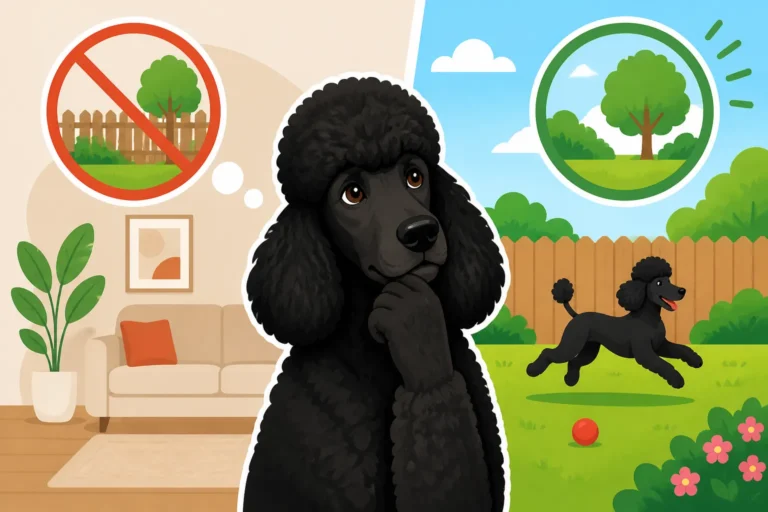
This is one of the most immediate differences. A Standard Poodle, with its impressive size and energy, generally thrives with more space. While they can adapt to apartment living if their exercise needs are rigorously met, they truly appreciate a fenced yard where they can run and play freely. Imagine a full-grown Standard Poodle zooming around your living room; it requires quite a bit of clear space! They need room to stretch out, turn around comfortably in their crate or bed, and move without constantly bumping into furniture or people.
Miniature Poodles are wonderfully adaptable. Their moderate size makes them excellent candidates for apartment living, provided they get their daily walks and mental stimulation. They don't require vast acres to be happy, but they still benefit from regular outdoor access. They fit comfortably in most home environments, from a cozy condo to a larger house with a yard. Their crate can be a manageable size, and they don't take up an entire sofa.
Toy Poodles are, predictably, the most space-efficient. They are perfectly suited for apartment or small home living and can get much of their exercise indoors through play. A small dog bed or carrier fits easily in tight spaces. However, their small size doesn't mean they don't need any space. They still need room to zoom around, play with toys, and have their own quiet retreat. While they can thrive in urban environments, it's essential to ensure they don't become couch potatoes; they still need outdoor adventures, even if they're shorter walks around the block.
Grooming Demands and Coat Care by Size
Ah, the Poodle coat! This is perhaps the most defining characteristic of the breed and a major consideration for all three sizes. Poodles are renowned for their non-shedding, curly coats, which makes them a popular choice for allergy sufferers. However, "non-shedding" absolutely does not mean "maintenance-free."
Regardless of size, a Poodle's coat grows continuously and will mat severely without regular grooming. This means brushing to the skin several times a week, if not daily, and professional grooming every 4-8 weeks. Matting is not just unsightly; it can be painful, pulling on the skin and leading to skin infections.
For a Standard Poodle, the sheer volume of coat means grooming is a significant time commitment. Brushing out a full-coated Standard can take a good hour or more per session, especially if you want to maintain a longer clip. Professional grooming costs for Standards are the highest due to the size of the dog and the amount of work involved. Many Standard Poodle owners learn to do some grooming at home between professional visits to manage the coat and reduce costs. Find essential tools in Grooming Tools a Poodle Owner Must Buy.
Miniature Poodles have less coat by volume, so brushing sessions are shorter, typically 30-45 minutes a few times a week. Professional grooming appointments might also be a bit less expensive and quicker than for a Standard. Their size makes them a bit easier to handle on a grooming table at home, making DIY maintenance more feasible for some owners.
Toy Poodles have the least amount of coat, making brushing sessions relatively quick – 15-20 minutes every other day. However, their coat can still mat just as easily, particularly in friction areas like armpits, behind the ears, and around their delicate joints. While their professional grooming bills are the lowest of the three, consistent grooming is still essential. Some owners find the tiny nooks and crannies of a Toy Poodle harder to navigate with larger grooming tools, so specialized smaller brushes and combs are often necessary. Why Poodles are Called Non-Shedding further explains this unique coat.
Feeding and Nutrition for Each Poodle Variety
Feeding a Poodle isn't just about throwing kibble in a bowl; it's about providing appropriate nutrition for their size, energy level, and growth stages. Calorie needs vary drastically.
Standard Poodles, with their larger body mass and higher energy output, require significantly more food than their smaller counterparts. Feeding a high-quality large-breed formula, especially during puppyhood, is often recommended to support proper bone and joint development and prevent too-rapid growth. Portion control is still important to avoid obesity, but their daily intake will be substantial. Owners of Standards often buy large bags of dog food, possibly from retailers like Chewy, to manage costs. Remember, a Standard Poodle's rapid growth means their nutritional needs are critical in their first year. Feeding a Standard Poodle for a Month gives a good overview of the commitment.
Miniature Poodles have moderate dietary needs. They require a balanced diet appropriate for medium-sized, active dogs. Again, a good quality food is paramount. Portion sizes will be smaller than a Standard's but larger than a Toy's. They typically do well on standard adult dog formulas once they've finished their growth stage. Monitoring their weight is important, as excess weight can strain their joints.
Toy Poodles require the least amount of food by volume, but their nutritional needs are no less important. Small breed formulas are often recommended, particularly for puppies, as these are formulated with higher calorie density per bite to meet their fast metabolism and may have smaller kibble sizes for their tiny mouths. Due to their predisposition to hypoglycemia, especially as puppies, regular, well-portioned meals are critical. Overfeeding, even by a tiny amount, can quickly lead to obesity in such small dogs. Buying smaller bags of specialized food, perhaps from Chewy's selection for small breeds, can be a practical choice. For more detail, check out Feeding a Poodle by Size.
Choosing the Right Poodle Size for Your Home
Deciding which Poodle size is best for you and your family involves more than just admiring their looks. It’s a thoughtful process of matching a dog's needs and characteristics with your lifestyle, commitment, and resources. No single size is "better" than another; it's about finding the right fit.
Matching a Poodle to Your Family Dynamics
Consider your household structure. If you have very young children, a Toy Poodle might be too delicate for accidental rough handling. A Miniature or Standard might be a more robust choice. A Standard Poodle can be an amazing family dog, often incredibly patient and gentle, but their size means they could inadvertently knock over a small child in their excitement. Miniature Poodles are often seen as ideal family dogs, being sturdy enough for children yet not overwhelming in size. For families with older, respectful children, any Poodle size can integrate wonderfully.
Think about other pets in your home. A Standard Poodle generally gets along well with other dogs, but their play style can be too boisterous for a tiny Toy Poodle. Conversely, a tiny Toy Poodle might feel intimidated or easily injured by a large, clumsy Standard. If you have existing small pets, like cats or other small dogs, a Miniature or a well-socialized Toy might integrate more smoothly. Always consider the potential size disparity and ensure that interactions are supervised, especially in the early stages.
Your own activity level is crucial. If you're an avid hiker or jogger, a Standard Poodle could be your perfect companion, thriving on long excursions. If you prefer brisk walks and some indoor playtime, a Miniature Poodle might be ideal. For those who enjoy shorter strolls and plenty of couch cuddles, a Toy Poodle can be a wonderful fit, but remember they still need their bursts of energy met. Don't assume a small dog is a low-energy dog.
Commitment to Training and Mental Stimulation
All Poodles are highly intelligent, and this means they require significant mental stimulation, regardless of size. This isn't a suggestion; it's a non-negotiable part of Poodle ownership. A bored Poodle is a mischievous Poodle, and their intelligence means they can invent their own (often undesirable) ways to entertain themselves.
Standard Poodles excel in advanced obedience, agility, rally, and even scent work. They thrive on learning new things and solving problems. Regular training sessions, even just 15-20 minutes daily, are vital to keep their minds engaged. This commitment needs to be lifelong.
Miniature Poodles also love to learn and can participate in almost any dog sport or activity a Standard can, just scaled for their size. They are often quick learners and eager to please, making them a joy to train. Puzzle toys, interactive games, and learning new tricks are excellent ways to keep them mentally sharp.
Toy Poodles, despite their size, are just as intelligent and need just as much mental stimulation as their larger relatives. Don't fall into the trap of thinking a small dog doesn't need formal training. They can learn an impressive array of tricks and excel in modified agility or obedience. Ignoring their mental needs can lead to behavioral issues like excessive barking or anxiety. Even a simple game of "find the treat" hidden around the house can be incredibly engaging for them.
Financial Considerations for Each Size
The financial commitment for a Poodle also scales with size, affecting everything from initial purchase price to ongoing care. This is an important, often overlooked, aspect of responsible pet ownership.
The initial purchase price for a well-bred Poodle puppy from a reputable breeder can vary, but generally, Standard Poodles might command a higher price due to the breeder's larger investment in health testing, food, and space for the litter. Toy Poodles also often carry a premium due to their popularity and the smaller litter sizes they tend to have. Miniature Poodles often fall somewhere in the middle. Remember, a higher price usually reflects the breeder's commitment to health testing and ethical breeding practices, which can save you money (and heartache) in the long run.
Ongoing costs, however, are where the size differences become most apparent. Standard Poodles consume more food, require larger medications (if applicable), and their professional grooming costs are significantly higher due to the time and product involved. Vet bills for procedures like bloat surgery can also be astronomical. What Grooming Adds to a Poodle's Lifetime Cost is an eye-opener.
Miniature Poodles have moderate ongoing costs. Food bills are less than a Standard's, but more than a Toy's. Grooming is less expensive than a Standard's but still a regular expense. Vet care, generally, falls in the middle ground.
Toy Poodles have the lowest food costs and typically the lowest grooming costs. However, their specific health predispositions, like luxating patella surgery or managing tracheal collapse, can still lead to significant veterinary expenses. Emergency sugar gel, available from retailers like Chewy, is a cheap but essential item for a Toy Poodle puppy. Therefore, while daily maintenance might be less, emergency funds or pet insurance are just as crucial for a Toy as for a Standard.
The 'Moyen' or 'Klein' Poodle: An Unofficial Size
Beyond the three widely recognized Poodle sizes, there's another "unofficial" category that often sparks curiosity: the Moyen, or Klein, Poodle. This size is formally recognized in some European countries but not by the American Kennel Club (AKC) in the United States.
What is a Moyen Poodle?
The term "Moyen" is French for "medium," and "Klein" is German for "small." Both refer to a Poodle size that falls between the Miniature and the Standard, typically standing between 15 and 20 inches tall at the shoulder. This size perfectly bridges the gap, offering a Poodle that is larger than a Miniature but not quite as large or imposing as a full-sized Standard. They often weigh between 20 and 30 pounds.
In countries where they are recognized, such as Germany and France, the Moyen is considered a distinct fourth size. Breeders often aim for this specific stature, believing it offers an ideal temperament and physical presence for many families—large enough to be a sturdy companion for outdoor activities, but small enough to be comfortable in smaller living spaces. They share all the classic Poodle traits: intelligence, elegance, and the signature curly coat, just in this intermediate package. You might hear people discuss The Moyen or Klein Poodle in Europe when looking for this particular size.
Registration and Recognition Challenges
The primary challenge for Moyen Poodles, especially in North America, is their lack of official recognition. The AKC, for example, only recognizes the Standard, Miniature, and Toy varieties. This means that a Poodle falling into the Moyen size category would typically be registered as a small Standard Poodle or a large Miniature Poodle, depending on where its height falls relative to the 15-inch cutoff.
This lack of official category can sometimes create confusion for breeders and owners. If a breeder aims for Moyen size, they are still breeding dogs within the existing Standard or Miniature gene pools. For a dog that measures 16 inches, for instance, it would be registered as a Standard Poodle, even if its parents were both on the smaller side of the Standard range. This doesn't make them any less purebred or healthy, but it means they won't have a distinct "Moyen" designation on their official registration papers in the US. Potential buyers should be aware that while "Moyen" is a descriptive term for a preferred size, it's not a separate breed class in all regions.
Debunking Myths About Poodle Size and Health
There are many misconceptions floating around about Poodles, and some of them specifically relate to their size and perceived health. It's important to separate fact from fiction to make informed decisions and provide the best care for your Poodle, no matter their stature.
Is One Size Inherently Healthier?
This is a common question, and the answer is not a simple "yes" or "no." It's a myth that one Poodle size is inherently healthier than the others across the board. Each size has its own set of common health predispositions, as we've discussed.
For example, while Toy Poodles might be prone to patellar luxation and tracheal collapse, they are much less likely to experience bloat or Addison's Disease, which are major concerns for Standards. Conversely, Standards rarely deal with hypoglycemia as adults, a potential issue for tiny Toy Poodles, but they face their own unique challenges. Miniature Poodles often represent a good balance, but they have their own concerns like PRA and epilepsy.
The most critical factor in a Poodle's health, regardless of size, is responsible breeding. A Poodle from health-tested parents with a solid pedigree is always more likely to be healthier than one from a backyard breeder or a puppy mill, regardless of whether it's a Toy or a Standard. Good breeders perform genetic testing for conditions relevant to their specific size variety. Therefore, focusing on finding a reputable breeder who prioritizes health, rather than assuming one size is universally superior, is the best approach. What a Poodle Breeder Must Test For covers this thoroughly.
Do All Poodle Sizes Share Risks?
While all Poodles are of the same breed, and thus share some general Poodle traits, the idea that all Poodle sizes share all the same health risks is largely a myth. As highlighted earlier, many health conditions are size-specific or have a higher prevalence in certain sizes due to genetics, conformation, or lifestyle factors associated with that size.
For instance, the deep chest of a Standard Poodle makes it more susceptible to bloat, a risk not significantly present in Toy Poodles. The delicate bone structure of a Toy Poodle contributes to a higher incidence of luxating patella and tracheal collapse, conditions that are less prevalent or severe in Standards. Conditions like Addison's Disease are heavily concentrated in the Standard Poodle lines, while Progressive Retinal Atrophy is more common in Miniatures.
However, there are some health considerations that can affect all Poodle sizes, albeit sometimes with varying severity or presentation. For example, Thyroid Disease in Poodles can affect any Poodle, as can certain allergies or dental issues. Dental disease, for instance, can be more severe and happen earlier in smaller breeds like Toy Poodles, but it's a concern for all Poodles if not properly managed.
Understanding that "a Poodle is a Poodle" doesn't mean their health profiles are identical is essential. It means recognizing the specific vulnerabilities of each size and choosing a Poodle that aligns with your capacity to manage those specific potential health challenges. This nuanced understanding allows owners to provide targeted preventive care and be prepared for the specific health issues their Poodle variety might face. Why Size Changes Which Diseases a Poodle Gets provides further information on this subject.
Disclaimer
This article is for general informational purposes only and does not constitute professional advice. Laws, prices and regulations vary by location and change over time. Consult a qualified professional for guidance on your specific situation.