Feeding a Standard Poodle Puppy
Bringing home a Standard Poodle puppy is an absolute joy, a whirlwind of fluffy excitement and boundless energy. But beneath all that cuteness lies a complex nutritional challenge: these aren't just any puppies. Standard Poodles are a large, fast-growing breed, and feeding them correctly from day one is paramount to their long-term health, helping them avoid issues like developmental orthopedic diseases. This comprehensive guide will walk you through everything you need to know to nourish your Standard Poodle puppy, from choosing the right food to managing portions and tackling common feeding dilemmas.
Understanding Your Standard Poodle Puppy's Unique Nutritional Needs
Standard Poodle puppies grow at an astonishing rate, sometimes seemingly overnight. This rapid development, combined with their eventual large size, means their nutritional requirements are distinct from smaller breeds or even adult Poodles. Getting it wrong during this critical period can have lifelong consequences, which is why a thoughtful approach to their diet is so important.
Rapid Growth and Development
Imagine building a skyscraper without the right scaffolding and materials – that's what happens if your Standard Poodle puppy's diet isn't perfectly balanced. Their bones, joints, muscles, and organs are developing at an incredible pace, and this intense period demands specific nutrients. During their first year, Standard Poodle puppies will reach almost their adult height and a significant portion of their adult weight. This rapid growth phase is exciting to watch, but it also makes them particularly susceptible to developmental orthopedic diseases (DODs) if their diet isn't carefully managed.
You might be thinking, "More food equals bigger dog, right?" Not exactly! Overfeeding, especially with high-calorie or calcium-rich foods not formulated for large breeds, can cause bones and cartilage to grow too quickly and unevenly. This can lead to conditions like hip and elbow dysplasia, osteochondritis dissecans (OCD), and other painful joint issues down the line. It's a delicate balance, and it's why we emphasize "controlled growth" rather than simply "fast growth." The goal is a steady, healthy rate of development, not a sprint to adult size. This is a topic we delve into more in Why a Standard Poodle Puppy Should Grow Slowly.
Large Breed Puppy Formulas: Why They Matter
Walk into any pet store or browse online retailers like Chewy or Amazon, and you'll see a dizzying array of puppy foods. But for your Standard Poodle, not all puppy foods are created equal. Large breed puppy formulas are specifically designed to support the unique needs of puppies like Poodles, Great Danes, Labradors, and German Shepherds. The key differences lie in their precise nutrient profiles, particularly calcium, phosphorus, and calorie density.
Standard puppy foods often have higher levels of calcium and phosphorus, which are essential for bone growth. However, for a rapidly growing large breed, too much of these minerals can actually be detrimental, promoting excessively fast bone growth that outpaces the development of supporting structures. Large breed formulas maintain a slightly lower, carefully controlled calcium-to-phosphorus ratio and reduced calorie density. This helps to slow down the growth rate just enough to allow bones and joints to mature properly, reducing the risk of those aforementioned DODs. It’s not about restricting food, but about providing the right kind of nutrition for their specific developmental trajectory. You can find more detailed information on this in Large Breed Formula for a Standard Poodle Puppy.
Choosing the Right Food for Your Standard Poodle Puppy
Selecting the perfect food for your Standard Poodle puppy can feel like a daunting task with so many options available. It's not just about what tastes good to them, but what will fuel their vigorous growth and sustain their health for years to come.
Deciphering Ingredient Lists
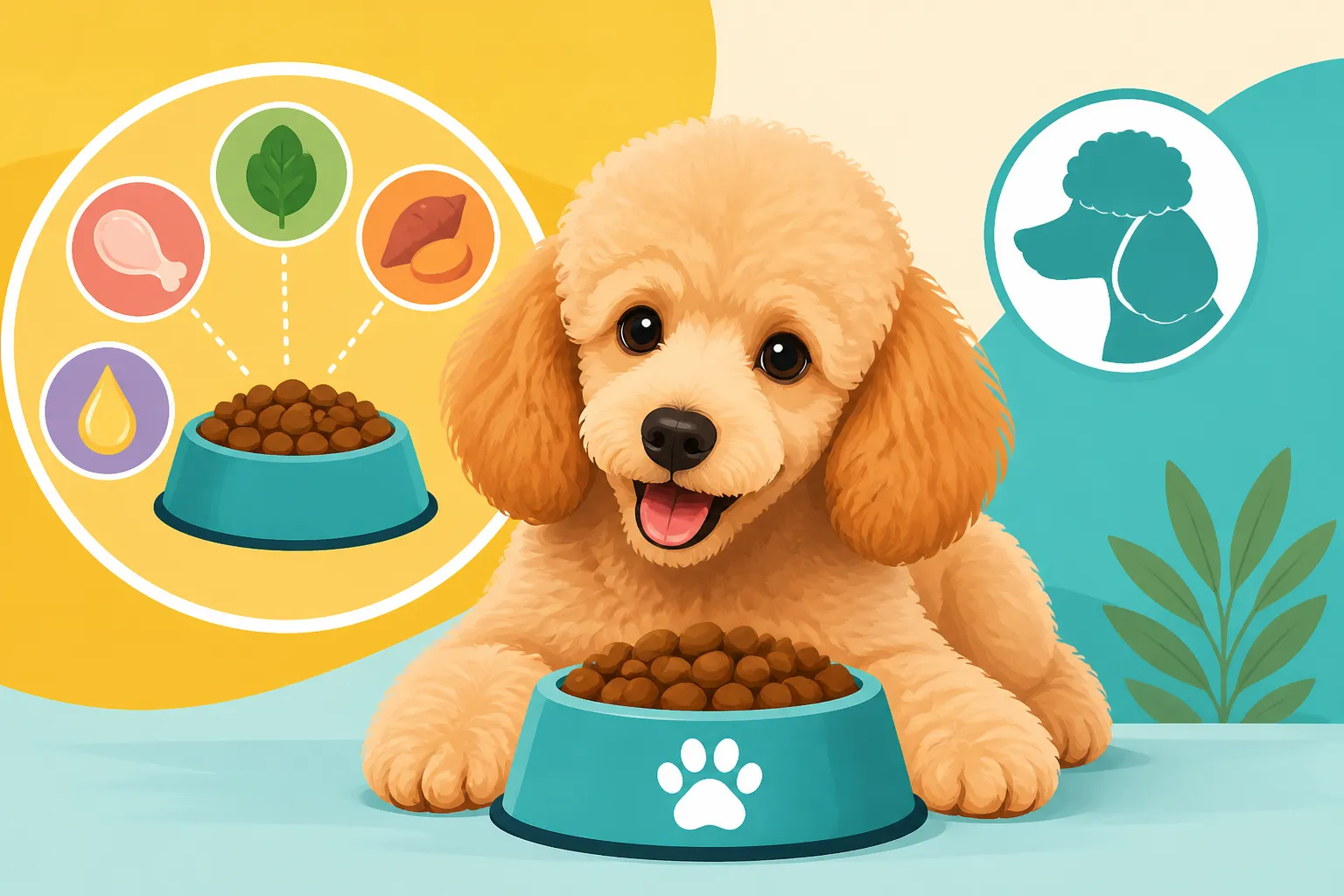
Navigating a pet food ingredient list can feel like reading a foreign language, but understanding a few key principles will empower you to make informed choices. The first five to seven ingredients make up the bulk of the food, so pay close attention to these. Look for:
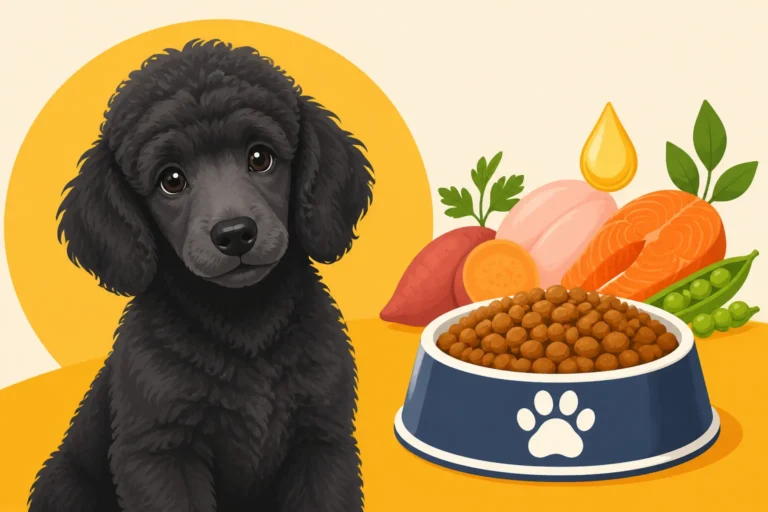
- Named Meat Sources First: The first ingredient (and ideally the second or third as well) should be a specific, named meat protein, such as "chicken meal," "lamb," "beef," or "salmon." Avoid vague terms like "meat meal" or "poultry by-product" as the primary protein source, as these can be less digestible and of lower quality. Meat meals (like "chicken meal") are often excellent, as the water has been removed, making them a concentrated source of protein.
- Whole Grains or Complex Carbohydrates: Ingredients like brown rice, oats, barley, or sweet potatoes provide sustained energy and fiber. While some trends promote grain-free diets, current research suggests that unless your Poodle has a confirmed grain allergy, grain-inclusive diets are generally safe and often beneficial. The concern regarding grain-free diets and certain heart conditions in some breeds is a serious one, so always discuss this with your vet.
- Healthy Fats: Look for sources like chicken fat, salmon oil, or flaxseed. These provide essential fatty acids (Omegas 3 and 6) crucial for skin and coat health, brain development, and overall inflammation management.
- Fruits and Vegetables: Ingredients like blueberries, apples, carrots, spinach, and peas add vitamins, minerals, and antioxidants.
- Avoid Excessive Fillers: Ingredients like corn, wheat, and soy aren't inherently bad, but if they appear as the first few ingredients, it might indicate a lower quality food where protein content is lacking. Also, steer clear of artificial colors, flavors, and excessive preservatives.
A high-quality food will clearly list its protein, fat, and fiber percentages, along with specific nutrient levels for calcium and phosphorus. Always check the "guaranteed analysis" to ensure it meets large breed puppy guidelines. When in doubt, a quick chat with your veterinarian is invaluable.
Dry Kibble, Wet Food, or Fresh/Raw Diets
The choice of food type often comes down to personal preference, budget, and what your puppy thrives on. Each has its pros and cons for a growing Standard Poodle.
- Dry Kibble: This is the most common and often the most economical choice.
- Pros: Convenient, easy to store, generally more affordable, and the crunchiness can help scrape plaque off teeth (though this is minimal). Many high-quality large breed puppy kibbles are readily available on platforms like Chewy and Amazon, offering a wide selection.
- Cons: Can be less palatable for some dogs, and the moisture content is low, meaning your puppy will need to drink plenty of water. It's crucial to select a kibble formulated for large breed puppies, as discussed above.
- Wet Food: Typically comes in cans or pouches.
- Pros: Highly palatable, excellent for hydration due to high moisture content, and can be easier to digest for some puppies.
- Cons: Significantly more expensive than kibble, less convenient to store once opened, and doesn't offer the same dental benefits as kibble (minimal as they are). It's rarely fed as a sole diet for large breed puppies due to cost and the sheer volume needed to meet caloric requirements. Often used as a topper for kibble.
- Fresh/Prepared Diets: These range from lightly cooked, human-grade meals (like those offered by Ollie) to raw food diets.
- Pros: Often highly palatable, made with whole, recognizable ingredients, and some owners report improved coat condition and digestion. Ollie, for example, delivers customized, portion-controlled fresh meals right to your door, taking a lot of the guesswork out of balanced nutrition.
- Cons: Generally the most expensive option. Raw diets carry potential risks of bacterial contamination (for both dog and humans) and require meticulous balance to ensure complete nutrition, especially for a growing puppy. Improperly balanced raw diets can lead to severe nutrient deficiencies or excesses, particularly dangerous for large breed puppies during critical bone development. If considering a fresh or raw diet, always consult with a veterinary nutritionist to ensure it's balanced for a large breed puppy.
Ultimately, the best food is one that is complete and balanced for large breed puppies, that your Poodle puppy enjoys, and that fits your lifestyle and budget. Don't be afraid to try a few different highly-rated options from a reputable source like Chewy or Amazon to see what works best, always transitioning gradually.
Portion Control and Feeding Schedule
One of the biggest mistakes new Standard Poodle puppy owners make is free-feeding or guessing portion sizes. Due to their rapid growth and susceptibility to orthopedic issues, precise portion control and a consistent feeding schedule are non-negotiable for a Standard Poodle puppy.
Calculating the Right Amount
Most large breed puppy foods come with a feeding guide on the bag, usually based on your puppy's current weight and age. This is your starting point, but it's crucial to remember that it's just a guide. Every puppy is an individual, and their metabolism and activity levels will vary.
- Start with the Guideline: Measure food precisely. Don't just scoop! A kitchen scale is your best friend for accuracy.
- Monitor Body Condition: This is the most important indicator. You should be able to easily feel your puppy's ribs with light pressure, but not see them prominently. When viewed from above, there should be a visible waistline behind the ribs. When viewed from the side, their abdomen should tuck up slightly, not hang low. If you're struggling to feel their ribs, they're likely getting too much. If ribs are very visible or they look too thin, they might need a bit more.
- Adjust for Activity: A super active puppy might need slightly more than the bag recommends, while a more relaxed one might need less. Daily exercise for a Standard Poodle is significant, and it impacts their caloric needs.
- Regular Vet Check-ups: Your veterinarian will assess your puppy's growth rate and body condition at each check-up and can provide tailored advice on adjusting food amounts. They can help you determine if your puppy is growing at a healthy pace, neither too fast nor too slow. This proactive monitoring is key to preventing problems later on. We touch on similar concepts for adult dogs in Portion Control for a Poodle.
Establishing a Consistent Schedule
A consistent feeding schedule is beneficial for several reasons: it aids digestion, helps with potty training, and prevents anxiety around meal times.
- Puppies 8-12 Weeks Old: Typically need 3-4 meals per day. Their tiny stomachs can't handle large quantities at once, and their blood sugar can drop if they go too long between meals.
- Puppies 3-6 Months Old: Can usually transition to 3 meals per day.
- Puppies 6-12 Months Old: Many can move to 2 meals per day. Some larger breeds may benefit from staying on 3 meals until closer to a year old, especially if they are highly active or prone to gulping their food.
Stick to the same times each day as much as possible. This routine helps their digestive system regulate and makes it easier for you to predict when they'll need to go potty. Always feed meals in a quiet, consistent spot away from distractions.
The Dangers of Overfeeding and Underfeeding
While underfeeding a puppy can lead to malnutrition and stunted growth, overfeeding a Standard Poodle puppy is arguably the more common and dangerous mistake, largely due to the risk of developmental orthopedic diseases.
- Overfeeding Risks:
- Developmental Orthopedic Diseases (DODs): As mentioned, excess calories and certain nutrients can cause bones and joints to grow too rapidly, leading to issues like hip dysplasia, elbow dysplasia, and osteochondritis dissecans (OCD). These conditions are painful, often require expensive surgery, and can lead to lifelong arthritis.
- Obesity: Starting life overweight predisposes a puppy to being overweight as an adult, which brings a host of health problems like diabetes, heart disease, and increased joint strain.
- Underfeeding Risks:
- Malnutrition and Stunted Growth: Not getting enough calories or essential nutrients can hinder proper development, leading to a smaller, weaker dog with compromised immune function.
- Nutritional Deficiencies: Lack of specific vitamins or minerals can cause various health issues, though this is less common with commercially prepared, complete large breed puppy foods.
The goal is healthy, steady growth. It's better for a Standard Poodle puppy to be slightly lean during their growth phase than chunky. Your vet is your best resource for monitoring their progress and ensuring they are on the right track.
Addressing Common Feeding Challenges
Even with the best intentions and the perfect food, feeding a Standard Poodle puppy can present a few hurdles. They have personalities, after all, and sometimes that personality extends to their eating habits!
Picky Eaters and Food Refusal
Standard Poodles generally aren't known for being picky, but sometimes a puppy might turn up their nose at mealtime. This can be worrying, especially if you're concerned about their growth.
- Rule Out Medical Issues First: If your puppy suddenly stops eating or is consistently refusing meals, the first step is always a vet visit. Pain, illness, or even dental issues can cause appetite loss.
- Stick to a Schedule: Free-feeding can create a picky eater because the food is always available, making it less appealing. Offer food for 15-20 minutes, then pick it up, even if they haven't eaten. Don't offer anything else until the next mealtime. A hungry puppy will eventually eat.
- Avoid Constant Switching: Don't fall into the trap of constantly changing foods to entice them. This can lead to digestive upset and reinforce picky behavior. Once you find a suitable food, stick with it.
- Make Mealtime Appealing: A little warm water or low-sodium broth mixed into kibble can enhance the aroma and texture. You can also try a small amount of wet food (like Ollie's fresh meals as a topper) to make the kibble more enticing, but keep it a small addition, not a replacement for their balanced kibble.
- Exercise Before Meals: A good play session or walk before mealtime can stimulate appetite. Daily Exercise for a Standard Poodle is crucial for their overall well-being, including appetite.
- Limit Treats: If your puppy is filling up on treats between meals, they won't be hungry for their main food. Keep treats minimal and low-calorie, as discussed in Treats and a Poodle's Waistline.
Preventing Resource Guarding
Resource guarding is when a dog becomes possessive of their food, toys, or even people. It's a natural canine behavior, but it needs to be managed in puppies to prevent aggression later on. A Standard Poodle puppy can learn early that human interaction around their food bowl is a positive thing.
- Positive Association: While your puppy is eating, approach the bowl, drop in an even higher-value treat (like a tiny piece of cooked chicken or cheese), and then calmly walk away. Repeat this regularly. This teaches them that your approach means good things happen, not that you're going to take their food.
- Hand Feeding: Occasionally hand-feed a portion of their meal. This builds trust and teaches them that good things come from your hands.
- "Trade Up": If you need to take something away (like a forbidden object), offer a more appealing trade. For example, if they have a sock, offer a delicious treat, and when they drop the sock, immediately give them the treat.
- Avoid Confrontation: Never punish a puppy for growling or guarding. This can escalate the behavior and teach them to skip the warning signs and go straight to biting. Instead, focus on positive reinforcement and management.
- Crate Feeding: Some puppies do well being fed in their crate, giving them a secure, private space to eat without feeling threatened.
By starting these positive interactions early, you can help your Standard Poodle puppy develop a healthy, trusting relationship with you around their food.
Switching Foods Safely
Whether you're transitioning from the breeder's chosen food or changing to a new formula, it's essential to do so gradually to avoid upsetting your puppy's sensitive digestive system. An abrupt change can lead to diarrhea, vomiting, or a lack of appetite.
Follow these steps for a smooth transition, typically over 7-10 days:
| Day | Old Food | New Food |
|---|---|---|
| 1-2 | 75% | 25% |
| 3-4 | 50% | 50% |
| 5-6 | 25% | 75% |
| 7+ | 0% | 100% |
- Observe Closely: During this transition, watch your puppy for any signs of digestive upset (loose stools, vomiting, gas). If you notice issues, slow down the transition and keep them on the current mix for an extra day or two until symptoms resolve.
- Consistency is Key: Stick to one new food at a time. Don't introduce other new foods or treats during the transition period.
- Consult Your Vet: If digestive issues persist despite a slow transition, consult your veterinarian. There might be an underlying sensitivity or a need for a specific dietary recommendation.
Remember, a slow and steady approach is always best when it comes to changing your Standard Poodle puppy's diet.
Important Considerations Beyond the Bowl
Feeding your Standard Poodle puppy isn't solely about the food itself. There are other crucial elements that contribute to their overall health and well-being, from ensuring proper hydration to understanding the impact of treats and even the type of bowl they eat from.
Water Intake and Hydration
Just like us, water is absolutely essential for your Standard Poodle puppy. It plays a vital role in every bodily function, from digestion and nutrient absorption to temperature regulation and organ health. Puppies, especially active ones like Poodles, can become dehydrated quickly.
- Always Available: Fresh, clean water should be available to your puppy at all times. Use a sturdy bowl that won't tip over easily.
- Multiple Bowls: Consider having multiple water bowls in different areas of the house, especially if you have a large home or multi-level living. This encourages more frequent drinking.
- Cleanliness Matters: Wash water bowls daily to prevent bacterial growth.
- Monitor Intake: Pay attention to how much your puppy is drinking. Excessive thirst or significantly reduced drinking can be signs of underlying health issues and warrant a vet visit.
- After Exercise: Offer water breaks during and after vigorous play or training sessions.
Proper hydration is just as important as proper nutrition for your growing Poodle puppy.
Treats and Supplements: Use Them Wisely
Treats are wonderful tools for training and bonding, but they need to be chosen and given judiciously for a Standard Poodle puppy. Supplements, on the other hand, are often unnecessary if your puppy is on a high-quality, balanced large breed puppy food.
- Treats:
- Keep Them Small: Break treats into pea-sized pieces, especially for training. Your puppy doesn't know the difference between a big treat and a small one; they only care about the reward.
- Low Calorie: Opt for low-calorie options to avoid contributing to unwanted weight gain, which, as we discussed, is a risk for their developing joints. Small pieces of cooked lean meat or plain vegetables like carrots or green beans can be excellent, healthy choices.
- Account for Them: Remember that treats contribute to your puppy's daily caloric intake. If you're using a lot of treats, you may need to slightly reduce their meal portions to maintain their ideal body condition. This is similar to considerations for adult Poodles, as discussed in Treats and a Poodle's Waistline.
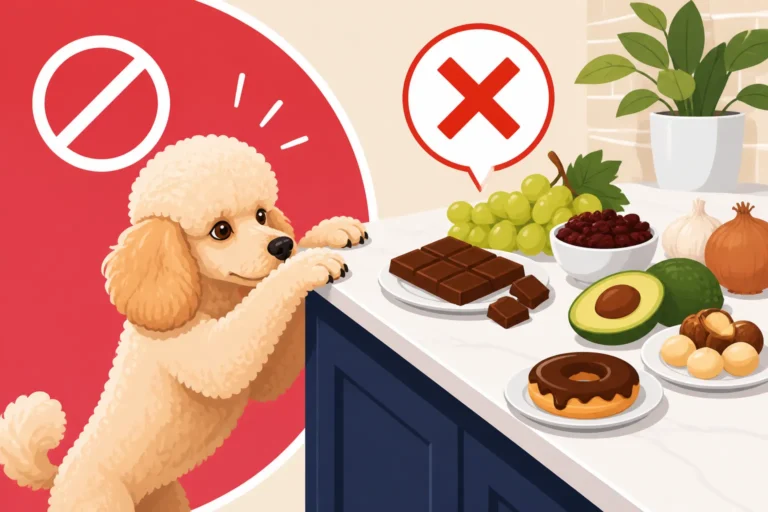
- Avoid Human Food Scraps: Many human foods are toxic to dogs (e.g., chocolate, grapes, onions), and even safe foods can be too rich, leading to digestive upset or encouraging begging behaviors. Be particularly vigilant about what a counter-surfing Poodle must not reach.
- Supplements:
- Generally Unnecessary: If your Standard Poodle puppy is eating a complete and balanced large breed puppy formula from a reputable brand, they are getting all the nutrients they need for healthy growth. Adding extra vitamins, minerals, or joint supplements without veterinary guidance can actually be harmful, leading to imbalances or toxicities.
- Consult Your Vet: If your vet identifies a specific deficiency or health concern, they may recommend a targeted supplement. Never give supplements without professional advice. For example, excess calcium can be very detrimental to a growing large breed puppy's bones.
Bowl Height and Bloat Risk
Gastric Dilatation-Volvulus (GDV), commonly known as bloat, is a life-threatening condition where the stomach fills with gas and twists. Standard Poodles, with their deep chests, are at a higher risk for bloat. The question of whether elevated food bowls contribute to or prevent bloat has been a long-standing debate among veterinarians and researchers.
- Current Research: Older recommendations often suggested elevated bowls to reduce bloat risk. However, more recent studies have indicated that elevated food bowls might increase the risk of bloat in large and giant breeds. The exact reasons aren't fully understood, but it's thought that an elevated position might encourage faster eating and air gulping.
- Veterinary Consensus: The current veterinary consensus generally recommends feeding Standard Poodles, especially puppies, from bowls placed on the floor.
- Other Risk Factors: Regardless of bowl height, there are other factors that influence bloat risk that you can manage:
- Avoid Fast Eating: Use slow-feeder bowls (available on Amazon or Chewy) or spread food out on a baking sheet to encourage slower eating.
- Avoid Exercise Around Meals: Do not let your puppy engage in vigorous exercise or play for at least an hour before and two hours after eating.
- Smaller, More Frequent Meals: As discussed, feeding 2-3 smaller meals per day instead of one large meal can help reduce risk.
- Stress: High stress levels can be a contributing factor.
- Genetics: If your puppy's parents or close relatives have bloated, your puppy's risk is higher.
It's always best to discuss your specific concerns with your veterinarian, who can provide the most up-to-date recommendations based on your individual puppy's health and history. You can learn more about this serious condition in Bloat and the Deep Standard Poodle Chest and Bowl Height and Standard Poodle Bloat Risk.
Proper nutrition and care in puppyhood lay the foundation for a long, healthy, and happy life for your Standard Poodle. By being diligent and informed, you're giving your furry companion the best possible start.
Disclaimer
This article is for general informational purposes only and does not constitute professional advice. Laws, prices and regulations vary by location and change over time. Consult a qualified professional for guidance on your specific situation.