Bloat and the Deep Standard Poodle Chest
There are few things more terrifying for a Standard Poodle owner than the sudden, silent threat of bloat. One moment your vibrant, goofy companion is perfectly fine, and the next, they could be fighting for their life. This comprehensive guide is here to unravel the complexities of Gastric Dilatation-Volvulus (GDV), or "bloat," helping you understand why your beloved Standard Poodle is at risk, how to recognize the urgent signs, and what life-saving steps you need to take.
Understanding Gastric Dilatation-Volvulus (GDV) in Standard Poodles
When we talk about "bloat" in dogs, especially in breeds like our wonderful Standard Poodles, we're almost always referring to something far more sinister than a simple tummy ache or gas. We're talking about Gastric Dilatation-Volvulus, or GDV. This isn't just discomfort; it's a rapidly progressing, life-threatening condition that requires immediate emergency veterinary intervention. The speed at which it strikes and the severity of its progression are what make it so utterly frightening for Poodle parents.
Why Standard Poodles Are at Higher Risk Due to Conformation
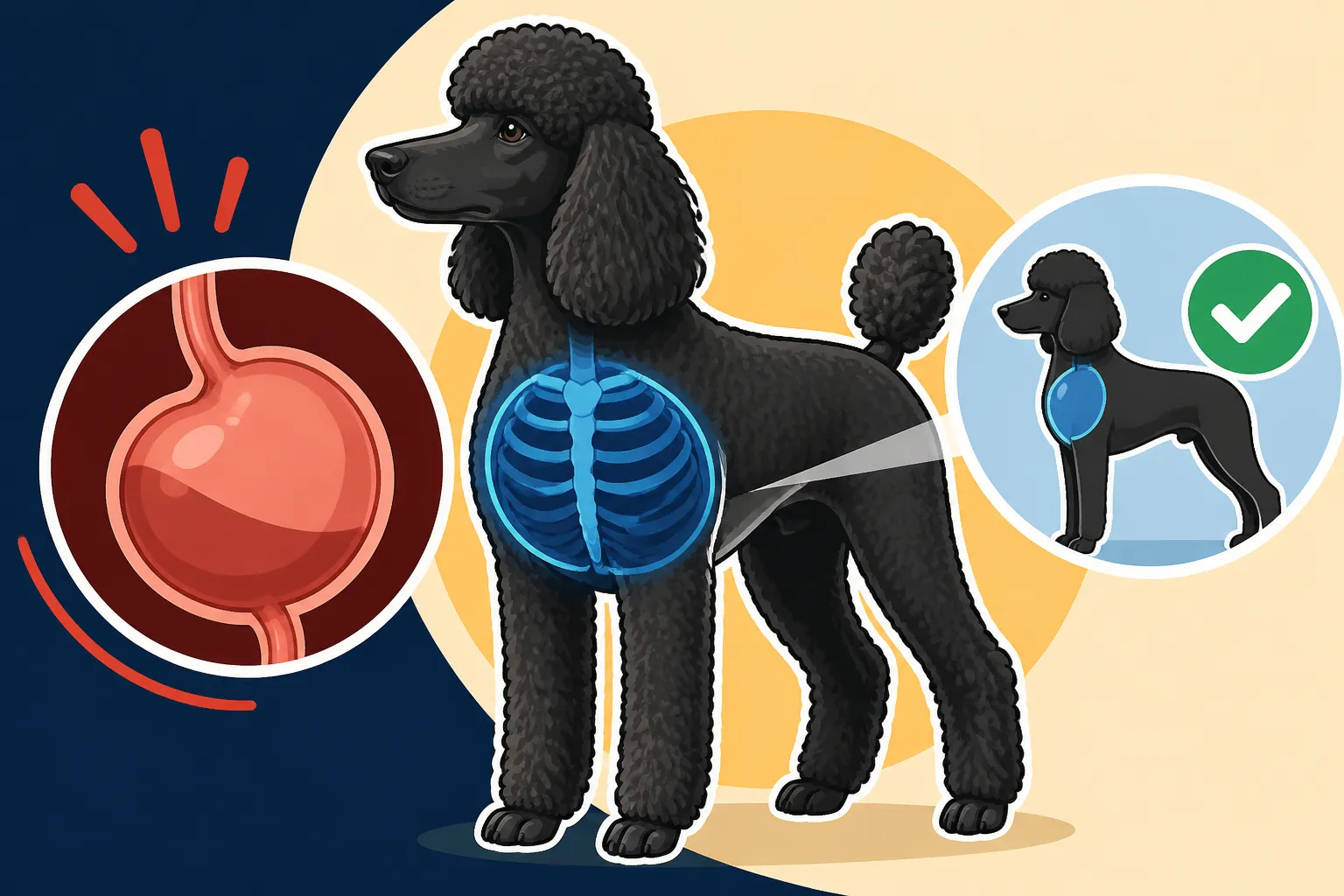
The heartbreaking truth is that Standard Poodles are predisposed to GDV due to their unique physical conformation. Their elegant, deep chests, while beautiful and characteristic of the breed, unfortunately create a larger space where the stomach can twist. Imagine a long, narrow balloon. If it inflates in a large, open box, it has plenty of room to shift and contort. This is a simplified way to visualize what happens inside your Poodle's chest cavity. The depth of their chest, combined with a relatively loose attachment of the stomach to the body wall, means that when the stomach fills with gas and fluid, it can more easily rotate on its axis.
This anatomical quirk is why you’ll often hear discussions about breed-specific health issues. For example, while all Poodles are generally robust, the larger sizes have particular concerns. You might explore topics like Standard Poodle Diseases Miniatures Rarely Get to understand how size impacts susceptibility to certain conditions. It's a cruel twist of fate that a trait so admired in the breed standard also contributes to this critical risk. Knowing this predisposition isn't meant to cause constant anxiety, but rather to empower you with knowledge to be extra vigilant and prepared.
The Two Stages: Dilation and Volvulus
GDV doesn't just happen all at once; it typically unfolds in two critical stages, though they can occur almost simultaneously. First, there's the gastric dilation, which is the "bloat" part. This is when the stomach rapidly fills with gas, food, and fluid, causing it to swell dramatically. The gas can come from swallowed air, fermentation of food, or even a sudden release from the bloodstream. This distension alone is painful and puts immense pressure on surrounding organs, the diaphragm, and major blood vessels.
Then comes the more dangerous stage: volvulus, which means twisting. Once dilated, the stomach can rotate, usually clockwise, sealing off both the entrance (esophagus) and exit (duodenum). This twisting traps the gas and fluid inside, making it impossible for your Poodle to relieve the pressure by vomiting or burping. More critically, the twisted stomach cuts off its own blood supply and can also impede blood flow back to the heart, leading to shock, organ damage, and eventually, death, if not treated immediately. This is why discussions around Gastric Torsion Risk in a Standard Poodle are so vital for every owner. It's not just about a swollen belly; it's about a rapidly deteriorating internal crisis.
The Urgency and Severity of the Condition
The phrase "time is of the essence" couldn't be more appropriate when dealing with GDV. From the onset of symptoms, you typically have a window of mere hours, often referred to as the "golden hour," before irreversible damage occurs. The blocked blood flow quickly causes stomach tissue to die (necrosis), and without adequate circulation, the dog rapidly goes into shock. This shock can lead to multi-organ failure.
The pain your Poodle experiences is immense, even if they try to hide it, a trait sometimes seen in the stoic The Poodle Character. Their body goes into overdrive trying to compensate, but it's a losing battle without intervention. This isn't a wait-and-see situation. It’s an immediate, lights-and-sirens emergency. Every minute counts, and understanding the terrifying speed of this condition is the first step in being prepared to act decisively.
Recognizing the Early Warning Signs of Bloat
One of the cruelest aspects of bloat is how suddenly it can appear and how easily early signs might be misinterpreted, especially if you're not specifically looking for them. As Poodle owners, we pride ourselves on being attuned to our dogs' subtle cues, but with bloat, those subtle cues quickly escalate into undeniable emergencies. Catching it early can significantly improve the outcome, so vigilance is absolutely key.
Subtle Indicators Versus Obvious Ones
Initially, your Poodle might only show very subtle signs that could be mistaken for general discomfort, a mild stomach upset, or even just being a bit "off." They might seem a little restless, perhaps pacing more than usual, or shifting positions frequently. You might notice them repeatedly looking at their flank, as if uncomfortable. They might drool a bit more, or act unusually quiet and withdrawn, which for a naturally affectionate breed, can be a red flag. These are the kinds of signs that prompt a concerned "Are you okay, buddy?" from a watchful owner.
However, bloat progresses quickly. These subtle signs rapidly give way to more alarming, obvious symptoms. The most classic and urgent signs include unproductive retching or dry heaving – your Poodle tries to vomit but nothing comes up, or only a small amount of foamy saliva. Their abdomen will visibly swell and become taut, like a drum. They may whine, groan, or snap if you try to touch their belly. Their breathing might become rapid and shallow. Knowing Emergency Signs of Poodle Bloat is not just helpful, it's a critical skill for any Standard Poodle owner.
The "Gut Feeling" Owners Often Get
It's amazing how often owners tell stories of simply having a "gut feeling" that something was terribly wrong, even before the more overt symptoms appeared. This intuition is invaluable. You know your Poodle better than anyone. You know their normal energy levels, their typical behaviors, and their usual quirks. If your Poodle, who is normally glued to your side, suddenly retreats and acts unusually subdued or anxious, pay attention. If they refuse a favorite treat or a walk, and that’s highly out of character, take it seriously.
Many Poodles are also incredibly sensitive creatures, and they might react to their internal distress in ways that are unique to their personality. Some might become clingy, others withdrawn. Some might try to hide their pain, as discussed in Reading Pain in a Sensitive Poodle, while others might vocalize more. Trust your instincts. If that little voice in your head is telling you something is off, don't dismiss it.
What to Look For: Restlessness, Pacing, Unproductive Retching
Let's break down the key symptoms to watch for:
- Restlessness and Pacing: Your Poodle just can't get comfortable. They might get up, lie down, get up again, pace circles, or constantly reposition themselves. This isn't just a dog trying to find a comfy spot; it's a dog in distress, unable to escape profound internal pressure and pain.
- Unproductive Retching/Dry Heaving: This is perhaps the most hallmark sign. Your Poodle will make repeated attempts to vomit, often with a strained, uncomfortable posture, but nothing comes up, or only a small amount of white foam or mucus. This indicates that the stomach is twisted, blocking the normal pathways.
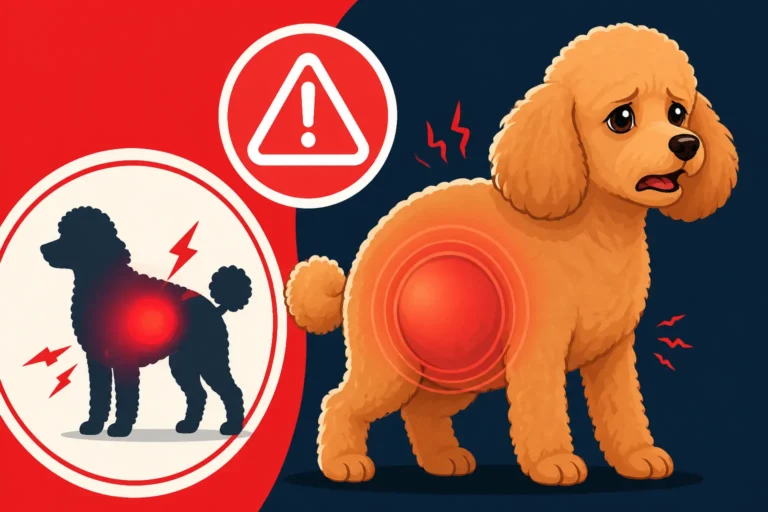
- Distended Abdomen: Your dog's belly will appear visibly swollen, particularly on the left side, and feel hard and tight to the touch. It might sound hollow if you gently tap it, like a drum. This distension can develop very quickly, sometimes within minutes.
- Pain and Discomfort: Your Poodle might moan, groan, or cry if you gently press on their abdomen. They might be reluctant to move or lay down. They might stand with an arched back or in a hunched position, trying to alleviate pressure.
- Other Potential Signs: Excessive drooling, pale gums, rapid shallow breathing, a weak pulse, and ultimately, collapse, are all signs of a rapidly worsening situation and shock.
It's critical to note that these symptoms can progress from subtle to severe in a frighteningly short amount of time. If you observe any combination of these signs, especially unproductive retching and abdominal distension, do not delay. This is an immediate trip to the emergency veterinarian.
Immediate Action: What to Do When Bloat Strikes
The moment you suspect bloat, your mindset must shift from concern to urgent action. This isn't a time for second-guessing or "seeing if it gets better." This is a full-blown emergency where every single second literally counts towards your Poodle's survival. Your speed and clear-headedness can be the difference between life and death.
The Critical "Golden Hour" – Emergency Vet is Paramount
Veterinarians often talk about the "golden hour" in GDV cases. This is the crucial timeframe, roughly 60 minutes, from the onset of the volvulus (twisting) during which surgical intervention is most likely to be successful and damage to the stomach and other organs minimized. While it’s not a hard-and-fast rule, and dogs can sometimes survive longer, delaying action significantly reduces their chances. This isn't a scare tactic; it's a stark reality.
As soon as you notice any serious bloat symptoms like unproductive retching or a distended abdomen, your absolute priority is to get your Poodle to the nearest emergency veterinary hospital. Do not waste time trying home remedies, trying to induce vomiting, or calling multiple clinics for advice. Just go. If your regular vet isn't open or equipped for emergency surgery, know where your closest 24-hour emergency clinic is before you ever need it. Have their number programmed into your phone and know the fastest route. This preparation is a vital component of responsible Standard Poodle ownership.
First Aid at Home: Focusing on Safe Transportation
While there’s very little effective "first aid" you can perform at home for bloat beyond getting your Poodle ready for transport, your actions during this brief period are still important. The goal is to minimize stress and get them safely to the hospital.
First, stay calm. Your Poodle will pick up on your anxiety, which can elevate their heart rate and worsen their condition. Speak in soothing tones, even as you're moving quickly. If your Poodle is large or in pain, they might be difficult to move. Use a blanket or a stretcher (even a sturdy piece of plywood) if necessary to lift them carefully, supporting their abdomen. Avoid unnecessary jostling or rough handling, as any pressure on the distended stomach can increase discomfort or worsen the twist. Do not attempt to give them anything by mouth – no water, no food, no medications – as this could be extremely dangerous if their esophagus is compromised or if they need immediate anesthesia upon arrival. Your focus is solely on efficient, safe travel.
Communication with the Vet on the Way
As you are literally on your way to the emergency clinic, call ahead if possible. This isn't a step to delay your departure, but rather one to execute while you're already in motion. Inform the veterinary staff that you are bringing in a Standard Poodle with suspected GDV. Give them a brief rundown of the symptoms you've observed and how long they've been present.
This crucial phone call allows the emergency team to prepare for your arrival. They can ready an exam room, gather the necessary equipment for immediate assessment and stabilization, and ensure the surgical team is on standby. When you pull up, they'll be ready to whisk your Poodle directly into triage, potentially saving precious minutes that could be life-saving. Knowing what a vet checks on a seriously ill Poodle, and giving them that heads-up, makes a profound difference. Remember, the clock is ticking, and seamless communication with the veterinary team is part of your emergency response.
Veterinary Diagnosis and Emergency Treatment
Once you arrive at the emergency veterinary hospital, things will move very quickly. The veterinary team will understand the urgency and will immediately begin working to diagnose and stabilize your Poodle. It's a whirlwind of activity, and it can be incredibly stressful to watch, but remember that every action they take is designed to save your dog's life.
Initial Assessment and Stabilization
The moment your Poodle enters the emergency room, the veterinary staff will perform a rapid, focused assessment. They'll check vital signs like heart rate, respiratory rate, gum color (to assess circulation and shock), and capillary refill time. They'll palpate the abdomen to confirm distension and tenderness. At this point, if GDV is suspected, they will immediately initiate shock treatment. This typically involves placing an intravenous (IV) catheter, usually in a large vein, to administer fluids rapidly.
These IV fluids are critical for combating shock, which is often present due to the impaired blood flow caused by the twisted stomach. They may also administer pain medication, as bloat is extremely painful, and antibiotics to prevent bacterial translocation from the compromised gut. Oxygen therapy might also be started to help with breathing difficulties. All of these steps are aimed at stabilizing your Poodle and getting them into the best possible condition before further diagnostic tests or surgery. It's a coordinated effort to support their body as it fights this life-threatening event.
X-rays to Confirm GDV
While clinical signs are often highly suggestive of GDV, an X-ray is the definitive diagnostic tool. The veterinary team will take radiographs of your Poodle's abdomen, typically from different angles. What they are looking for is a very specific image: a stomach that is greatly distended with gas and, crucially, a characteristic "double bubble" or "Smurf hat" sign, which confirms the stomach has twisted upon itself. This distinctive pattern is indicative of gastric volvulus.
Without this twist, it would simply be gastric dilation, which is still serious but generally less immediately life-threatening and may not require emergency surgery in the same way. The X-ray provides the surgeons with a clear picture of what they are dealing with and helps them plan the surgical approach. It also helps rule out other abdominal emergencies, though with a Standard Poodle showing classic bloat symptoms, GDV is always at the top of the list.
Decompression: Gastric Tube or Trocarization
Once GDV is confirmed, the immediate next step is to decompress the stomach – to relieve the immense pressure caused by the trapped gas and fluid. This can be attempted in two main ways:
- Gastric Tube: The vet will attempt to pass a tube down your Poodle's esophagus and into the stomach. This is often done while your dog is sedated but awake, or under light anesthesia. If successful, the tube allows the trapped gas and fluid to escape, providing immediate relief from the pressure. This can sometimes allow the stomach to untwist on its own, though surgery is still almost always required to check for damage and perform a gastropexy to prevent recurrence.
- Trocarization: If a gastric tube cannot be passed (because the twist is too severe or the Poodle's condition is too unstable for even light sedation and manipulation), the vet may perform trocarization. This involves carefully inserting a large-bore needle or trocar directly through the body wall into the stomach from the outside. This releases the gas, which is often done with an audible whoosh. While effective for immediate decompression, it’s a temporary measure and carries risks, including puncturing other organs or causing abdominal wall contamination.
Both decompression methods are critical life-saving steps, but they are not a cure. They simply buy time, making your Poodle more stable for the definitive surgical repair.
Pre-Surgical Considerations
After initial stabilization and decompression, your Poodle will be prepared for surgery. This involves a series of critical pre-surgical considerations. Blood tests, including a complete blood count (CBC), chemistry panel, and electrolyte check, are essential to assess organ function, hydration, and overall health. An electrocardiogram (ECG) might be performed to check for cardiac arrhythmias, which are common complications of GDV due to the impact on circulation.
The veterinary team will discuss the prognosis, risks of surgery, and estimated costs with you. This is a tough conversation, often happening under immense emotional distress. It's a good idea to have considered pet insurance like Healthy Paws long before an emergency strikes, as the cost of GDV surgery and critical care can be substantial, often ranging from several thousands of dollars. Having insurance can alleviate some of that financial burden, allowing you to focus purely on your Poodle's well-being. Once you consent to surgery, your Poodle will be fully anesthetized, and the surgical site will be meticulously prepared.
The Surgical Procedure: Gastropexy and Beyond
The surgical intervention for GDV is a complex and highly skilled procedure. It’s not just about untwisting the stomach; it's about addressing any damage, ensuring viability, and most importantly, taking steps to prevent a recurrence, which is terrifyingly common without preventative measures.
What Gastropexy Is and Why It's Performed
The cornerstone of surgical treatment for GDV, beyond untwisting the stomach, is a procedure called a gastropexy. This elective procedure is also often performed preventatively in at-risk breeds. During a gastropexy, the surgeon permanently attaches a section of the stomach wall to the abdominal wall. Think of it like suturing the stomach to prevent it from rotating again. This attachment does not prevent the stomach from dilating (filling with gas), but it does prevent the life-threatening volvulus (twisting).
There are several techniques for gastropexy, including incisional, circumcostal, and laparoscopic (minimally invasive) gastropexy. The choice often depends on the surgeon's preference and the patient's condition. For a Poodle owner, understanding Whether a Standard Poodle Should Have a Gastropexy is a crucial part of managing their breed-specific risks. Many owners opt for a prophylactic gastropexy during spay/neuter surgery or as a standalone procedure if their Poodle is considered high-risk, as it dramatically reduces the chance of fatal recurrence.
Repairing the Stomach Torsion
Once under anesthesia, the surgeon makes an incision in the abdomen. The first and most critical step is to manually untwist the stomach. This is often done by carefully rotating it back to its normal anatomical position. As the stomach untwists, the pressure on blood vessels is released, and blood flow can begin to be restored. This is a delicate process, as the stomach can be very fragile at this point.
While untwisting, the surgical team is also meticulously assessing for other immediate dangers, such as a ruptured spleen or significant internal bleeding, which can sometimes occur secondary to the torsion. Once untwisted, the stomach is thoroughly inspected for any signs of damage.
Assessing Stomach and Spleen Viability
After the stomach is repositioned, the surgeon carefully inspects the entire stomach wall, particularly the areas where the blood supply was cut off. They're looking for signs of necrosis (dead tissue), which might appear black, gray, or visibly unhealthy. If there are areas of dead tissue, these must be surgically removed (partial gastrectomy) to prevent rupture and peritonitis (infection of the abdominal cavity), which would be fatal. This decision is critical and can significantly impact the complexity and recovery of the surgery.
The spleen is also closely examined. Because the spleen is anatomically connected to the stomach by blood vessels, it often becomes congested or damaged during a GDV episode. In some cases, if the spleen is severely damaged, enlarged, or has irreparable torsion of its own blood supply, it may need to be removed (splenectomy). This adds another layer of complexity to an already serious surgery. The extent of this damage often dictates the long-term prognosis.
Post-Operative Care and Potential Complications
Following surgery, your Poodle will require intensive post-operative care in the veterinary hospital, often in an intensive care unit (ICU). This usually involves several days of hospitalization. Monitoring includes:
- Pain Management: Continuous pain relief is crucial for comfort and recovery.
- Intravenous Fluids: To maintain hydration and support organ function.
- Electrolyte Monitoring: GDV can cause significant electrolyte imbalances that need careful correction.
- Cardiac Monitoring: Arrhythmias are a common and serious post-operative complication. An ECG will be used to watch for irregular heartbeats.
- Monitoring for Peritonitis: Signs of infection or leakage from the gut are watched closely.
- Feeding: Small, frequent meals are typically introduced slowly as the stomach begins to heal.
Potential complications during this recovery period are numerous and serious, including cardiac arrhythmias, peritonitis, further stomach necrosis, acute kidney injury, pancreatitis, and pneumonia. While the surgery itself addresses the immediate threat, the post-operative period is equally critical for survival. Owners of Poodles who undergo this surgery often attest to the incredible dedication of the veterinary staff, and the relief of seeing their dog slowly, painstakingly recover. This extensive care underscores why emergency bills can be so high, making robust pet insurance, such as through Healthy Paws, an invaluable investment for any Standard Poodle owner.
Preventative Measures to Reduce GDV Risk
While bloat can feel like a random, terrifying event, there are a number of proactive steps Poodle owners can take to significantly reduce their beloved companion's risk. These measures often revolve around diet, feeding habits, and activity levels, all aimed at creating a less volatile environment within your Poodle's digestive system.
Dietary Management: Meal Frequency, Food Type, Bowl Height
Dietary management is one of the most emphasized aspects of GDV prevention, and for good reason. How, what, and when your Poodle eats can all play a role.
- Meal Frequency: Instead of feeding one large meal a day, break your Poodle's daily food allowance into two or three smaller meals. This prevents the stomach from becoming overly distended at one time, which can reduce the likelihood of it twisting. Imagine trying to spin a partially filled balloon versus a fully inflated one – the latter is much easier to get moving. For active Standard Poodles, splitting meals can also help with energy regulation. You might also consider exploring various Feeding Habits That Raise Poodle Bloat Risk to ensure you're avoiding common pitfalls.
- Food Type: While specific food ingredients causing bloat are still debated, some studies suggest that foods with high fat content listed among the first four ingredients, or those with citric acid as a preservative, might be associated with increased risk. Conversely, foods with meat meal (like lamb meal, chicken meal) listed among the first few ingredients might have a protective effect. Always choose a high-quality kibble. If you have a gulping Poodle, a slow feeder bowl can also be incredibly helpful.
- Bowl Height: This is a surprisingly controversial topic! For many years, it was widely believed that elevated food bowls reduced bloat risk. However, recent large-scale studies have indicated the opposite – that elevated bowls might actually increase the risk of GDV, particularly in large and giant breeds. The theory is that eating from an elevated bowl might encourage faster eating and swallowing more air. Therefore, it's generally recommended to feed your Standard Poodle from a bowl placed on the floor. This flies in the face of older advice, so it's a good example of how scientific understanding evolves. For more specific guidance, you could look into Bowl Height and Standard Poodle Bloat Risk.
Exercise Timing Relative to Meals
Another critical preventative measure involves managing your Poodle's activity around meal times. Vigorous exercise, especially after a large meal, is a significant risk factor for GDV. Imagine a full stomach sloshing around, potentially bouncing and twisting inside the abdominal cavity – not ideal.
- Before Meals: It's perfectly fine, and even encouraged, to exercise your Standard Poodle before meals. A good run or a stimulating walk will help them work up an appetite and burn off energy.
- After Meals: The golden rule here is to allow at least one hour before and two hours after eating for rest. This means no strenuous exercise, no rough play, and ideally, no excessive excitement. A calm walk on a leash immediately after eating is generally okay for relieving themselves, but avoid anything that causes them to pant heavily, jump, or roll around. This allows their stomach to digest food in a stable, settled state. It's a simple, yet highly effective behavioral change that can drastically lower the risk.
Stress Reduction
While perhaps less direct than dietary factors, stress can play a role in a dog's overall well-being and digestive health. High levels of stress can lead to changes in gut motility and increased air swallowing. Standard Poodles, with their intelligent and often sensitive nature, can be prone to stress or anxiety in certain situations.
Ensuring your Poodle has a consistent routine, a safe and comfortable environment, and ample mental and physical stimulation can contribute to a calm demeanor. Things like puzzle toys can keep their minds engaged, as discussed in Keeping a Poodle Mind Occupied. If your Poodle suffers from separation anxiety or other forms of chronic stress, addressing these issues with a qualified behaviorist and appropriate management strategies can indirectly reduce their GDV risk. A relaxed dog is generally a healthier dog.
Prophylactic Gastropexy
For many owners of at-risk breeds like the Standard Poodle, the most definitive preventative measure is a prophylactic gastropexy. This is the same surgical procedure performed during an emergency bloat case, but it's done electively, before bloat ever occurs.
- When to Consider It: Many veterinarians recommend performing a prophylactic gastropexy at the time of spaying or neutering, particularly for Standard Poodle puppies and young adults. Since your Poodle will already be under anesthesia for desexing, it’s a convenient time to add the gastropexy, minimizing the number of anesthetic events. Discussions on topics like Desexing Timing Across the Three Poodle Sizes might influence when this preventative surgery can be scheduled. For older Poodles who are intact, a standalone laparoscopic gastropexy (which is less invasive and has a faster recovery time) is an excellent option.
- Why Consider It: The cost of a prophylactic gastropexy is significantly less than emergency GDV surgery, and the recovery is typically much smoother. More importantly, it provides immense peace of mind, knowing that the most life-threatening aspect of bloat—the twisting—has been virtually eliminated. While the stomach can still dilate, it won't twist, giving you more time to get to a vet for decompression if necessary. This preventative surgery is a strong recommendation for all Standard Poodles by many veterinary specialists, offering a definitive solution to a devastating problem.
Life After Bloat: Recovery and Long-Term Management
Surviving bloat surgery is a monumental achievement, a testament to swift action and skilled veterinary care. However, the journey doesn't end when your Poodle comes home. The recovery period is crucial, and long-term management is essential to ensure they regain their strength and to minimize any lingering effects.
Hospital Stay and Monitoring
After emergency GDV surgery, your Standard Poodle will typically remain hospitalized for several days, often 2-5 days, in an intensive care unit (ICU) setting. This extended stay is critical for monitoring for the myriad of potential post-operative complications we discussed earlier, especially cardiac arrhythmias. The veterinary team will continuously monitor their vital signs, administer pain medication, IV fluids, and antibiotics, and gradually reintroduce food and water.
During this time, the surgical incision site will be closely watched for any signs of infection or dehiscence (opening). The staff will also be observing your Poodle's demeanor, appetite, and bathroom habits to ensure they are recovering well and that their digestive system is starting to function normally. It’s a period of intense vigilance, and while you’ll be anxious to bring your Poodle home, the professional monitoring they receive during this critical window is absolutely invaluable for their recovery. The financial aspect of this intensive care can be a heavy burden, so it's during times like these that a robust pet insurance plan, such as one from Healthy Paws, truly demonstrates its value by helping cover these significant costs.
At-Home Recovery: Pain Management, Restricted Activity
Once your Poodle is cleared to come home, you'll be responsible for continuing their recovery under veterinary guidance. This period typically lasts for several weeks and requires dedication and patience.
- Pain Management: Your Poodle will likely come home with several medications, including pain relievers and possibly antibiotics. It’s crucial to administer these exactly as prescribed to keep them comfortable and aid healing. Don't skip doses, even if your Poodle seems to be feeling better.
- Restricted Activity: This is paramount. For at least 2-4 weeks (or as advised by your vet), your Poodle’s activity must be severely restricted. No running, jumping, rough play, or going up/down stairs. Leash walks for bathroom breaks only are the rule. The gastropexy site needs time to heal and form a strong adhesion. Too much activity too soon could disrupt this healing and compromise the integrity of the attachment. This can be challenging with an energetic Standard Poodle, so creative mental stimulation like puzzle toys or gentle training sessions focusing on calm behaviors can be helpful. Remember, Why a Poodle Needs a Job Rather Than a Walk applies here, focusing on low-impact mental enrichment.
- Wound Care: You'll need to monitor the surgical incision daily for redness, swelling, discharge, or any signs of infection. Prevent your Poodle from licking or chewing the incision, using an Elizabethan collar (cone) if necessary.
Dietary Adjustments
After GDV surgery, your Poodle's digestive system will be sensitive. Your vet will provide specific dietary instructions, but generally, it involves:
- Gradual Reintroduction: Starting with small, frequent meals of a bland, easily digestible diet. This might be prescription gastrointestinal food or a home-cooked bland diet (like boiled chicken and rice).
- Continued Prevention: Once fully recovered, you will revert to the preventative feeding strategies discussed earlier: multiple small meals a day, feeding from a floor-level bowl, and avoiding vigorous exercise around meal times. Your vet might also recommend a specific type of food or brand known for its digestibility. It's a lifelong commitment to these habits.
Psychological Impact on Both Dog and Owner
Surviving bloat is a traumatic experience for both your Poodle and you, their human.
- For Your Poodle: They have endured immense pain, a major surgery, and a stressful hospital stay. Some Poodles might be a bit more reserved or anxious for a while, while others might bounce back quickly. They might associate certain smells or sounds with their hospital experience. Be patient, offer plenty of comfort and positive reinforcement, and help them feel safe and loved as they recover.
- For You, the Owner: The emotional toll of witnessing your dog in distress and facing such a critical emergency cannot be overstated. Many owners experience anxiety, guilt, and even PTSD-like symptoms after such an ordeal. It’s normal to be hyper-vigilant about every little burp or tummy rumble afterward. Give yourself grace, talk about your feelings with supportive friends, family, or online communities, and remember that you did everything right by acting quickly. Seeing your Poodle back to their old self is the greatest reward.
Dispelling Common Myths and Misconceptions
When a life-threatening condition like bloat is involved, it's easy for myths and misinformation to circulate, often fueled by good intentions but lacking scientific basis. As responsible Poodle owners, it's vital to rely on evidence-based advice to make the best decisions for our dogs. Let's clear up some common misconceptions about GDV.
Elevated Bowls Myth
This is perhaps the most persistent and widely believed myth regarding bloat prevention. For many years, veterinary advice, even from reputable sources, suggested that elevated food bowls could reduce the risk of bloat in deep-chested breeds. The theory was that it would reduce air swallowing and make eating more comfortable.
However, modern research, including large-scale epidemiological studies, has largely debunked this. In fact, some studies, such as one published by the Purdue University School of Veterinary Medicine, actually found a higher risk of GDV in large and giant breeds that ate from elevated bowls. The current hypothesis is that eating from a raised position might encourage a dog to gulp more air. Therefore, the prevailing recommendation today is to feed your Standard Poodle from a bowl placed on the floor. It's a clear example of how veterinary science evolves, and why staying updated on guidelines is important.
Eating Speed Versus Bloat
Another common belief is that simply eating too fast directly causes bloat. While rapid ingestion of food can certainly lead to swallowing excess air, which contributes to gastric dilation, it's not the sole cause, nor does it guarantee a twist. Many dogs are fast eaters, and while it's wise to mitigate air swallowing, it's more about the overall picture.
To address fast eating and minimize air intake, many veterinarians recommend using slow feeder bowls. These bowls have various ridges and obstacles that force your Poodle to eat around them, slowing down their mealtime significantly. Another strategy is to spread their kibble out on a flat baking sheet or scatter it on the floor, making them "hunt" for their meal. These methods not only slow down eating but can also provide a bit of mental enrichment for your intelligent Poodle.
The Idea That Bloat Only Happens After Exercise
This is another dangerous oversimplification. While vigorous exercise immediately after a meal is a significant risk factor and should absolutely be avoided, bloat can occur at any time, under various circumstances. Some Poodles have bloated while resting calmly in their crates, others during the middle of the night, hours after their last meal.
The combination of a full stomach, gas accumulation, and sudden movements is considered particularly risky, but it's not the only scenario. Stress, genetic predisposition, and even individual stomach motility can play a role. Therefore, while restricting activity post-meal is crucial, it's important not to assume your Poodle is "safe" just because they haven't exercised recently. Continuous vigilance for symptoms, regardless of recent activity, remains essential.
Disclaimer
This article is intended for informational purposes only and does not constitute medical advice. If you suspect your Standard Poodle is experiencing bloat or any other medical emergency, seek immediate veterinary attention. Always consult with a qualified veterinarian for any health concerns or before making any decisions about your dog's care.