Portion Control for a Poodle
One of the trickiest parts of being a Poodle parent is figuring out just how much food to put in their bowl. It’s easy to feel lost with conflicting advice or vague feeding charts, and the worry of overfeeding and its health consequences is a real one. This guide is designed to cut through the confusion and provide you with actionable, empathetic strategies for mastering portion control, ensuring your Poodle stays healthy and happy for years to come.
Understanding Your Poodle's Unique Needs
It's tempting to think that all dogs need the same approach to feeding, but Poodles, with their distinct sizes, energy levels, and even genetic predispositions, are far from a one-size-fits-all situation. What works for a bustling Standard Poodle might be far too much for a petite Toy Poodle, and what sustains a young, active dog could lead to weight gain in a senior who prefers naps to long walks. Recognising these individual differences is the first step in successful portion control.
The very nature of Poodles means they're intelligent and often highly food-motivated, which can make managing their intake even more critical. They’re quick to learn routines, including those around meal times, and a Poodle who knows exactly when and how much food to expect can be a much happier and healthier companion. Conversely, inconsistent feeding can lead to anxiety and overeating.
Variety Matters: Standard, Miniature, and Toy Differences
The Poodle breed famously comes in three distinct sizes: Standard, Miniature, and Toy. This isn't just a matter of aesthetics; it dictates vastly different metabolic rates and caloric requirements. A Standard Poodle, often weighing upwards of 40 pounds, has a much larger lean muscle mass and requires significantly more calories to maintain its body functions and energy than a Toy Poodle, who might weigh a mere 5-10 pounds. Feeding a Toy Poodle the same quantity or calorie-dense food designed for a Standard could quickly lead to obesity.
Consider a Standard Poodle who loves to romp and play fetch for an hour daily. Their energy output is substantial, and their nutritional needs reflect that. Now, picture a Miniature Poodle who enjoys a brisk walk around the block and some indoor playtime; their needs will be less than the Standard, but more than a Toy who might get most of their exercise trotting around the living room. It's crucial to look beyond the "Poodle" label and factor in their specific size.
For example, a bag of kibble might suggest a portion based on "dog weight," but it might not differentiate between a high-energy working breed of 50 pounds and a more sedentary 50-pound Poodle. As Poodles are known for their athleticism but also their capacity to be couch potatoes, it’s vital to assess your own Poodle's specific activity levels within their size category. You'll find more insights on this in What a Poodle Should Weigh by Variety.
Age and Activity Level: The Changing Plate
A Poodle's life isn't static, and neither should their food intake be. A growing Poodle puppy, especially a Standard, is a calorie-burning machine, needing frequent meals packed with nutrients to support rapid bone and muscle development. These high-growth phases demand careful attention to diet, as both underfeeding and overfeeding can cause issues. Too much too fast for a large breed puppy can even contribute to orthopaedic problems.
As a Poodle matures into adulthood, their growth plateaus, and their energy needs typically stabilize, albeit still influenced by their daily exercise. A spayed or neutered Poodle often has a lower metabolic rate and may require a slight reduction in calories to prevent weight gain. Then, as they enter their golden years, senior Poodles tend to become less active, their metabolism slows further, and they might require fewer calories, often from specially formulated senior diets that are easier on their joints and kidneys. You can learn more about how calorie needs shift in Calorie Needs of a Senior Poodle.
Think of it like this: a Poodle puppy needs fuel for constant building, a young adult needs fuel for maintenance and activity, and a senior needs less fuel for a slower pace of life. A Poodle who engages in demanding dog sports like agility or dock diving will naturally need more fuel than one who is a beloved lap companion. Adjusting their portions is an ongoing process throughout their life, not a one-time decision.
The Perils of Overfeeding: More Than Just a Round Tummy
Overfeeding your Poodle might seem harmless – after all, who can resist those pleading eyes? But the truth is, excess weight carries a serious health burden, transforming minor nuisances into chronic conditions. It's a silent killer that can drastically shorten your Poodle's lifespan and diminish their quality of life. The long-term consequences of even a few extra pounds can be profound and costly, both for your Poodle's well-being and your wallet.
Poodles are generally a healthy breed, but like all dogs, they are susceptible to issues exacerbated by obesity. From aching joints to struggling organs, the effects ripple through their entire system. Understanding these risks can be a powerful motivator to maintain strict portion control and keep your Poodle at a healthy weight.
Health Risks of Poodle Obesity
Obesity in Poodles, regardless of their size, can open the door to a host of debilitating health problems. One of the most common issues linked to excess weight is joint stress. A Toy Poodle with even a couple of extra pounds can put immense pressure on their delicate joints, potentially worsening conditions like Luxating Patella in Toy and Miniature Poodles or contributing to early-onset arthritis. For Standard Poodles, obesity can exacerbate Poodle Hip Dysplasia by Size and lead to significant pain and reduced mobility, which then creates a vicious cycle of less activity and more weight gain.
Beyond musculoskeletal issues, obesity significantly increases the risk of metabolic and endocrine disorders. Diabetic Poodles are often overweight, and managing their blood sugar becomes a much harder task when they are carrying extra fat. Heart and respiratory diseases can also be worsened by obesity, as the heart has to work harder to pump blood through a larger body, and excess fat can restrict lung function. Furthermore, overweight Poodles are at a higher risk for certain cancers and can experience complications during surgery, including difficulties with anesthesia.
Another serious concern, particularly for Standard Poodles, is the increased risk of Gastric Torsion Risk in a Standard Poodle, commonly known as bloat. While not directly caused by obesity, a Poodle who is overweight or eats too quickly might be at a higher risk if combined with other factors like a deep chest. Keeping your Poodle at an ideal weight is one crucial step in a multi-faceted approach to bloat prevention. The impact of obesity is far-reaching, affecting nearly every bodily system. For a full picture, you can also refer to Poodle Obesity and Its Consequences.
Behavioral Impacts and Quality of Life
It's not just physical health that suffers from overfeeding; a Poodle's mental well-being and overall quality of life can also take a hit. An overweight Poodle often has less energy, which means they're less enthusiastic about walks, playtime, and training sessions. This reduction in activity can lead to boredom, frustration, and a lack of mental stimulation, which for an intelligent breed like the Poodle, can manifest as undesirable behaviours.
Imagine a Poodle who once loved to chase a ball but now gets winded after a few steps, or one who used to greet visitors with a bounce but now struggles to get up from their bed. Their joy in life’s simple pleasures can diminish. They might become more lethargic, withdrawn, or even irritable due to discomfort. Their ability to interact with other dogs or participate in activities they once loved becomes limited, leading to social isolation.
Furthermore, overfeeding can reinforce begging behaviors, creating a difficult dynamic in the household. A Poodle who constantly receives extra food, whether from their bowl or table scraps, learns that persistence pays off. This can lead to stress for both the dog and the owner, as the Poodle might become fixated on food, while the owner grapples with guilt or frustration. A healthy weight supports a Poodle who is active, engaged, and a true joy to be around, rather than one burdened by physical limitations and an insatiable appetite.
Decoding Food Labels and Portion Guidelines
Walking down the pet food aisle or browsing an online store can be overwhelming. There are endless brands, formulas, and claims, all with seemingly different feeding instructions. It’s easy to feel lost amidst the jargon and tiny print. However, understanding how to read and interpret these labels is a crucial skill for any Poodle owner committed to responsible portion control. They offer a starting point, but rarely the final answer for your unique companion.
The truth is, while manufacturers provide guidelines, they are often generalized and designed to cover a broad range of dogs within a certain weight bracket. Your Poodle is an individual, and their needs will always be more specific than a chart can fully capture. Learning to go beyond the bag and tailor portions to your Poodle’s reality is key.
Manufacturer Recommendations: A Starting Point, Not Gospel
Every bag or can of dog food comes with a feeding guide, usually presented as a table recommending a certain amount of food per day based on your dog's weight. This is your initial reference point, but it's vital to treat it as just that – a starting point. These guidelines are often calculated for an "average" adult dog with "average" activity levels, and they tend to err on the side of slightly more food than less, to ensure dogs don't go hungry and to account for varying metabolisms.
For instance, a bag of kibble might suggest feeding 1 to 1.5 cups per day for a dog weighing 10-20 pounds. If you have a 12-pound Toy Poodle who gets limited exercise, feeding the higher end of that range could quickly lead to weight gain. Conversely, if you have an energetic 18-pound Miniature Poodle who is constantly on the go, the lower end might leave them feeling hungry. It's also important to note that these recommendations are for the total daily amount, which should then be divided into two or more meals.
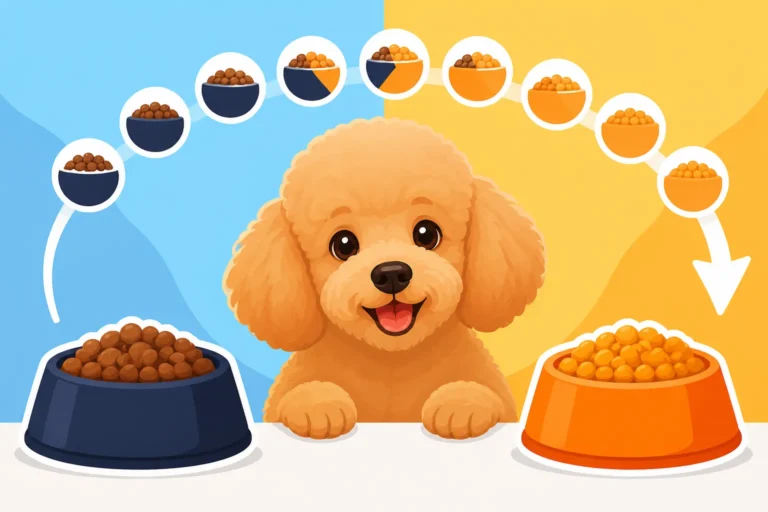
Always remember that these recommendations are based on the specific calorie density of that particular food. If you switch brands or formulas, even if the bag size or kibble shape looks similar, the caloric content can vary significantly. What was one cup of an old food might be vastly different in calories to one cup of a new food. Always re-check the label and adjust accordingly when making a change. Many popular brands found on sites like Chewy.com provide detailed caloric information per cup or can, which is invaluable.
Wet vs. Dry Food: Different Densities, Different Portions
The type of food you choose for your Poodle – dry kibble, wet food, or a combination – will profoundly impact how you measure and portion it. Dry kibble is typically much more calorie-dense by volume compared to wet food. A single cup of kibble can contain hundreds of calories, whereas a can of wet food, which is largely water, might have a similar caloric value but a much larger physical volume.
This means you cannot simply swap a "cup of kibble" for a "cup of wet food" and expect the same nutritional outcome. If your Poodle eats a mix of both, you need to calculate their daily caloric needs and then divide those calories appropriately between the dry and wet components. For example, if your Poodle needs 500 calories per day, and their kibble provides 350 calories per cup, while their wet food is 150 calories per can, you might give them one cup of kibble and one can of wet food.
Wet food can be a great option for Poodles who need to lose weight, as its higher moisture content can make them feel fuller on fewer calories. It can also be more palatable for picky eaters or older Poodles with dental issues. However, if solely feeding wet food, the sheer volume can be surprising compared to kibble. When exploring fresh food options like those offered by Ollie, pay close attention to their personalized portioning guides, which account for the specific caloric density of their recipes.
Specialty Diets and Prescription Formulas
Sometimes, a Poodle's health needs go beyond general wellness, requiring a specialty or prescription diet. These diets are formulated to address specific conditions like allergies, kidney disease, joint support, or significant weight loss. When your veterinarian prescribes such a food, their portion recommendations are often much more precise and critical.
For example, a weight-loss diet will have significantly fewer calories per cup or can, designed to help your Poodle shed pounds safely. Feeding more than the recommended amount on a prescription weight-loss diet will negate its purpose entirely. Similarly, a diet for kidney disease might have restricted protein and phosphorus, and precise portioning ensures your Poodle receives the correct balance of nutrients without exacerbating their condition.
In these cases, the feeding guidelines provided by your vet are paramount. Do not adjust these portions without consulting them first. These diets are medications in themselves, and proper dosing (portioning) is key to their effectiveness. Always double-check with your vet if you're unsure, especially if you're mixing prescription foods with other treats or supplements, as these extra calories can quickly add up and undermine the therapeutic benefits of the specialty diet. Whether Prescription Diets Suit a Poodle offers more detailed information on this topic.
Practical Strategies for Accurate Portioning
Once you understand the 'why' behind portion control and how to read food labels, the next step is implementing practical, consistent strategies in your daily routine. This isn't just about pouring food into a bowl; it's about precision, consistency, and mindful feeding. Small changes in how you measure and deliver food can make a huge difference in your Poodle's long-term health and weight management.
Many Poodle owners unintentionally overfeed simply because they're not using the right tools or following a strict routine. It's easy to eyeball a portion or assume a scoop holds a certain amount, but these habits can lead to significant caloric creep over time. Let's make sure you're set up for success.
The Importance of Measuring Tools
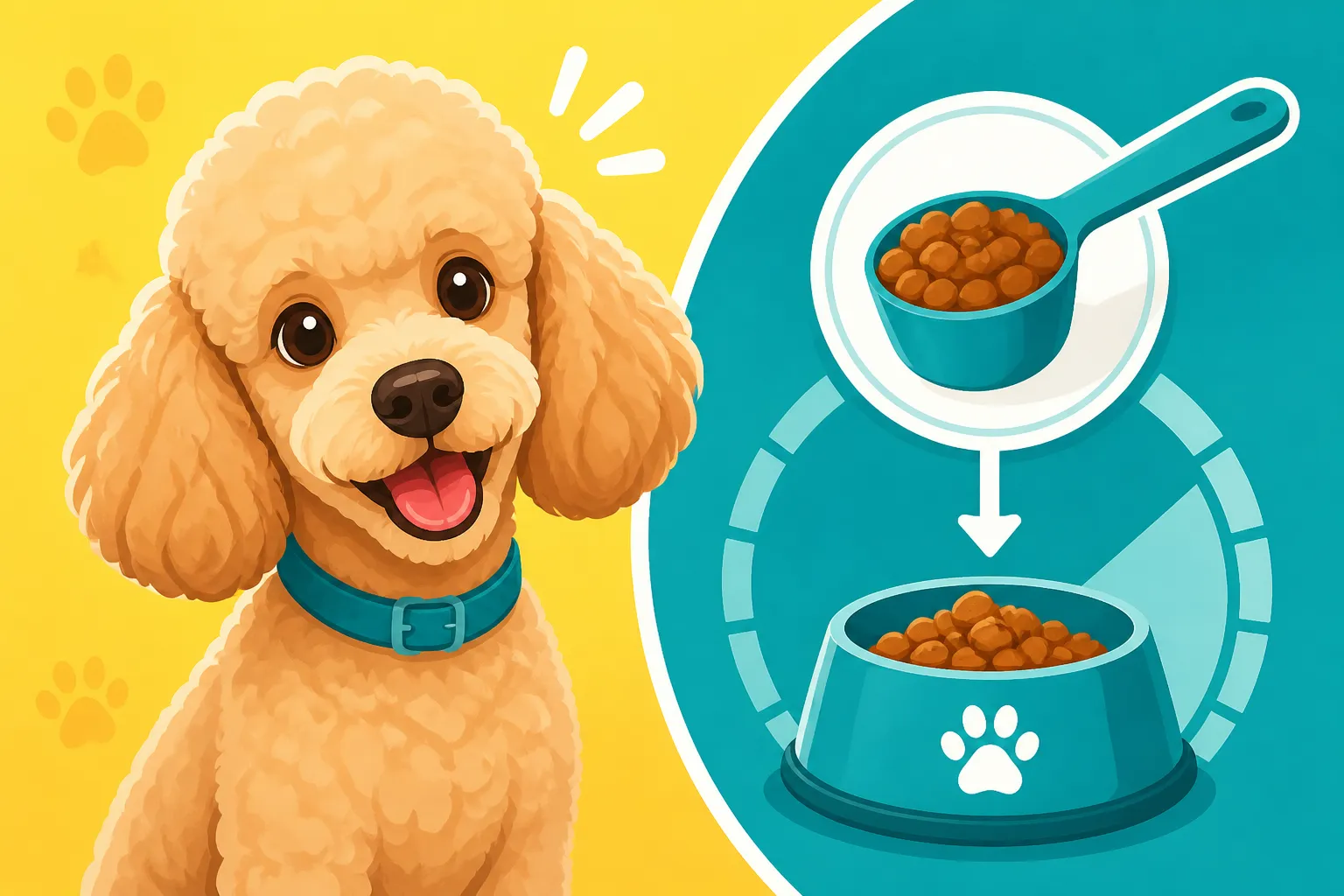
One of the biggest culprits in accidental overfeeding is the lack of accurate measuring. A generic plastic scoop that came with a bag of food might look like one cup, but it's often inaccurate and inconsistent. Even your kitchen measuring cups can vary slightly, and if you're packing down kibble or leaving it loose, the actual volume and weight can change significantly from day to day.
The most accurate method for portioning dry kibble is to use a digital kitchen scale. This allows you to measure food by weight (grams or ounces), which is far more precise than volume. Food manufacturers often list the recommended portion size in grams, and this removes all guesswork. For example, if a bag recommends 100 grams for your Poodle's ideal weight, you weigh out exactly 100 grams. This eliminates discrepancies from different kibble sizes, densities, or how tightly you pack a cup. You can find reliable digital kitchen scales easily on Amazon, and they're a small investment with a huge payoff for your Poodle's health.
For wet food, using a measuring cup is generally sufficient, as the density is more consistent, but again, a scale can provide ultimate precision, especially if you're using only part of a can. Whatever method you choose, consistency is paramount. Use the same tool, measure the same way, every single time. As discussed in Weighing a Poodle's Meals, this precision ensures your Poodle gets exactly what they need.
Creating a Consistent Feeding Routine
Poodles thrive on routine, and meal times are no exception. Establishing a consistent feeding schedule not only helps regulate their metabolism but also reduces anxiety and begging behaviors. Feeding your Poodle at the same times each day, typically two meals for adult dogs, helps their digestive system work efficiently and signals to them when to expect food, reducing stress around mealtime.
For a Standard Poodle, for example, two meals a day spaced 10-12 hours apart is usually ideal. This helps manage hunger and can be a component in reducing bloat risk, as large, infrequent meals are sometimes associated with a higher risk. A Toy Poodle puppy, on the other hand, might need three or four smaller meals a day to prevent Hypoglycemia in a Toy Poodle Puppy. As they grow, you'll gradually reduce this to two meals.
The routine isn't just about when they eat, but how they eat. Always feed your Poodle in a quiet, consistent location, away from distractions. If you have multiple pets, feed them separately to prevent food guarding or one dog from eating another's portion. Consistency creates predictability, which in turn leads to a calmer, more satisfied Poodle who isn't constantly worried about when their next meal will arrive.
Incorporating Treats and Supplements into the Daily Calorie Count
This is where many Poodle parents (myself included!) unintentionally derail their portion control efforts. Treats are wonderful for training, bonding, and showing affection, but their calories must be factored into your Poodle's total daily intake. A handful of training treats here, a dental chew there, and a few pieces of cheese as a reward can quickly add up to hundreds of extra calories, especially for a smaller Poodle.
A good rule of thumb is that treats should not account for more than 10% of your Poodle's daily caloric intake. If your Toy Poodle needs 250 calories a day, their treats should collectively be no more than 25 calories. This means those tiny training treats are your best friend! Look for Low Calorie Treats for a Poodle or break larger treats into small pieces. Carrots, green beans, or small bits of plain cooked chicken can also make excellent low-calorie rewards.
Similarly, any supplements you give your Poodle, especially those that come in chewable forms or are mixed with food, might contain calories. Always check the label. If you're giving your Poodle a daily joint supplement, for example, ensure you know its caloric value and adjust their main meal portion slightly if needed. It's a meticulous process, but it's essential for maintaining a healthy weight. You can find many suitable low-calorie options and check nutritional info for supplements on sites like Chewy.com or Amazon.
Monitoring Your Poodle's Body Condition
Portion control isn't a set-it-and-forget-it system. Your Poodle's needs will fluctuate with their age, activity, and overall health. This means you need to become adept at regularly assessing their body condition. Far more informative than just watching the number on the scale, a physical examination of your Poodle's frame tells you if your portioning efforts are hitting the mark. This is an ongoing conversation between you, your Poodle, and your veterinarian.
It's surprisingly easy for weight gain to creep up on a Poodle, especially with their dense, curly coat that can hide a multitude of sins. Many owners are shocked to learn their Poodle is overweight because they "look fine" under all that fluff. Learning to feel beyond the coat is a vital skill for every Poodle guardian.
The Rib Test and Tuck-Up Check
The "rib test" is one of the most fundamental ways to assess your Poodle's body condition. You should be able to easily feel your Poodle's ribs when you run your hands along their sides, much like feeling the knuckles on your hand. You shouldn't be able to see them protruding, but you should definitely feel them with gentle pressure, without having to dig. If you have to press hard to feel the ribs, your Poodle is likely carrying too much weight. If the ribs are visibly prominent, they might be too thin. This skill is critical, as detailed in Feeling Ribs Through a Poodle's Coat.
Another key indicator is the "tuck-up." When looking at your Poodle from the side while they're standing, their abdomen should tuck up visibly from the bottom of their rib cage to their hind legs. There should be a noticeable upward slope. If their underside hangs down or appears flat and parallel to the ground, they are likely overweight. A well-conditioned Poodle, particularly a Standard, will have a graceful, athletic tuck-up. A Toy Poodle might have a slightly less pronounced tuck, but it should still be evident.
Here's a quick guide to body condition scoring:
| Score | Description | Ribs | Waist/Tuck-Up | Appearance | Action |
|---|---|---|---|---|---|
| 1 | Emaciated | Ribs, spine, pelvic bones easily visible | Severe abdominal tuck, severe hourglass | Very thin, loss of muscle mass | Urgent vet consultation |
| 2 | Very Thin | Ribs easily visible, spine and pelvis prominent | Marked abdominal tuck, prominent hourglass | Noticeable waist, little body fat | Increase portions, vet check |
| 3 | Ideal | Ribs easily felt, not visible | Good abdominal tuck, visible waist | Well-proportioned, athletic | Maintain current portions |
| 4 | Overweight | Ribs felt with moderate pressure | Slight abdominal tuck, barely visible waist | Rounder, some fat over hips and base of tail | Decrease portions, increase exercise |
| 5 | Obese | Ribs difficult to feel under fat | No abdominal tuck, no waist | Very round, heavy fat deposits over body | Significant portion reduction, vet consultation |
Recognizing Subtle Signs of Weight Gain or Loss
Beyond the physical checks, observing your Poodle's behavior and energy levels can provide early clues about their weight. If your Poodle, who was once a bouncy, enthusiastic walker, starts lagging behind or getting winded easily, it could be a sign of extra pounds. A noticeable decrease in their desire to play or engage in their favorite activities might also point to weight gain, as the added effort becomes too much.
Conversely, if your Poodle seems unusually hungry, restless, or you notice them starting to look bony, they might be losing too much weight. Their coat condition can also sometimes be an indicator; a dull, flaky coat could signal nutritional deficiencies, which might be linked to underfeeding or an unbalanced diet. Regular grooming sessions are an excellent opportunity to perform these checks, as you're already handling their body.
Keep a journal of your Poodle’s weight, energy levels, and food intake, especially if you’re trying to manage their weight. Even small changes, like a slight increase in their appetite or a day of reduced activity, can be important pieces of the puzzle. Being observant and proactive allows you to make minor adjustments to their portions before a small issue becomes a significant problem.
When to Adjust and When to Consult a Professional
Portion control is a dynamic process, not a static rule. Your Poodle's body is constantly adapting, and their nutritional needs will change throughout their life. It's up to you, as their dedicated caregiver, to recognize these shifts and make appropriate adjustments. However, there are times when changes go beyond simple tweaks and warrant the expert advice of a veterinary professional. Knowing when to act on your own and when to seek help is crucial for your Poodle's ongoing health.
Never underestimate the value of your veterinarian as a partner in your Poodle's health journey. They have the medical knowledge and diagnostic tools to accurately assess your Poodle's needs and identify any underlying conditions that might be affecting their weight.
Adapting Portions for Life Changes
Life is full of changes, and your Poodle experiences them just like you do. As they transition from a puppy to an adult, and then into their senior years, their caloric requirements will shift dramatically. A young Standard Poodle puppy needs ample food for bone and muscle growth, but once they reach maturity (usually around 18-24 months for Standards, earlier for Toys and Miniatures), their growth slows, and you'll need to transition them to an adult formula with adjusted portions. You can find more details about this in When a Standard Poodle Changes Kibble.
Similarly, if your Poodle is spayed or neutered, their metabolism typically slows down, and they'll likely require slightly fewer calories to maintain their weight. Ignoring this change can lead to gradual weight gain. A Poodle who becomes significantly more or less active, perhaps due to a change in your lifestyle, the introduction of another pet, or an injury, will also need their food intake re-evaluated. A particularly hot summer might mean less outdoor exercise, requiring a temporary reduction in food.
Even seemingly minor events, like a short illness that reduces their appetite, can necessitate temporary adjustments. Always return to their regular portions once they've recovered and their activity levels normalize. Pay close attention to your Poodle’s energy levels, coat condition, and the rib/tuck-up tests as your primary guides for these adjustments.
Working with Your Vet for a Tailored Plan
There are definitely times when it's best to bring in the pros. If you've been diligently monitoring your Poodle's body condition and adjusting their portions, but they're still gaining or losing weight despite your best efforts, it's time for a veterinary visit. Persistent weight issues can sometimes be a symptom of an underlying medical condition, such as Thyroid Disease in Poodles or other metabolic disorders. Your vet can perform diagnostic tests to rule out any health problems that might be affecting their weight.
For Poodles who are significantly overweight or obese, your vet can help create a structured weight loss plan. This often involves calculating a precise caloric target, recommending a specific weight-management diet, and setting realistic goals for weight loss. They can also advise on safe exercise routines that won't put undue strain on your Poodle's joints. Trying to implement drastic calorie restrictions on your own can be dangerous and lead to nutrient deficiencies.
Similarly, if your Poodle is underweight and you can't seem to get them to gain, a vet visit is essential. They can check for parasites, dental issues that make eating painful (Why Small Poodles Lose Teeth Early), or other health problems. Your vet is your best resource for creating a tailored, safe, and effective nutrition plan for your Poodle, ensuring they receive the proper care for their unique needs throughout their entire life.
Disclaimer
This article is for general informational purposes only and does not constitute professional advice. Laws, prices and regulations vary by location and change over time. Consult a qualified professional for guidance on your specific situation.