Trimming the Hair Around a Poodle’s Eyes
It’s a familiar sight for many Poodle parents: that gorgeous, curly coat growing a little too enthusiastically around the eyes, sometimes obscuring those soulful gaze or even poking into the delicate eye itself. This guide isn't just about aesthetics; it's about making sure your Poodle can see clearly, stays comfortable, and avoids irritating infections by showing you how to safely and effectively trim the hair around their eyes at home.
The Hidden Hazards of Untrimmed Eye Hair in Poodles
Many new Poodle owners, and even some seasoned ones, underestimate just how quickly the hair around their Poodle's eyes can grow and start to cause problems. It’s not just about looking a bit shaggy; those long strands can become a real health and comfort issue for your beloved companion. We often see the results of this neglect at the groomer, or worse, at the vet.
Obstructed Vision and Safety Risks
Imagine trying to navigate your day with a curtain constantly falling over your eyes. That's essentially what a Poodle experiences when the hair around their eyes grows too long. Their field of vision becomes impaired, making it harder for them to see where they're going, identify toys, or even recognize you clearly. This isn't just an inconvenience; it's a safety hazard. A Poodle with obstructed vision might misjudge a step, bump into furniture, or even struggle to see obstacles outdoors, leading to falls or injuries. I’ve heard countless stories of Poodles becoming more clumsy or hesitant, all because they simply couldn't see past their own fringe. It’s a completely preventable issue that impacts their quality of life. Think about a game of fetch: if they can’t track the ball properly, the joy of the game diminishes.
Irritation, Infections, and Tear Stains
Beyond poor vision, those unruly hairs constantly brushing against the eye can cause significant irritation. Just like a stray eyelash bothering your own eye, a Poodle’s long facial hair can scratch the cornea, leading to pain, redness, and even serious eye conditions. This irritation is often compounded by moisture. Poodles are prone to Why a Poodle's Eyes Weep, and when tears and discharge get trapped in long hair, it creates a damp, warm environment—a perfect breeding ground for bacteria and yeast. This can result in painful eye infections, often requiring veterinary intervention with antibiotics or anti-fungal treatments. The trapped moisture also oxidizes, leading to those stubborn, reddish-brown Tear Staining Around a Poodle's Eyes that are so common, especially in lighter-colored Poodles. While tear staining isn't always a health crisis, it's a strong indicator that moisture is sitting on the skin and hair, which can lead to problems. It’s a vicious cycle where irritation leads to more weeping, which then leads to more irritation.
Hygiene Challenges and Matting
The hair around a Poodle's eyes also acts like a magnet for debris. Dust, dirt, tiny bits of food, and even pollen can get caught in the damp, matted hair, creating a crusty, uncomfortable mess. This build-up not only looks unpleasant but can also harbor bacteria, increasing the risk of infection. If left untrimmed, this hair can quickly mat into a solid, painful clump, pulling on the delicate skin around the eyes. Anyone who has ever tried to detangle a mat near an eye knows how challenging and stressful it can be for both the dog and the owner. These mats can be incredibly painful, making the dog averse to any handling of their face, which in turn makes future grooming even harder. Regular trimming is key to preventing these dense, uncomfortable mats and maintaining overall facial hygiene. The Poodle Coat and Why It Never Stops Growing means constant vigilance is needed to prevent these issues from escalating.
Assembling Your Essential Poodle Eye Trimming Kit
Before you even think about picking up scissors near your Poodle's eyes, you absolutely must have the right tools on hand. This isn't a task for kitchen shears or dull blades. Safety is paramount here, not just for your Poodle's eyes but also for your peace of mind. Investing in good quality, appropriate tools will make the process smoother, safer, and far less stressful for everyone involved. You can often find these specialized tools on platforms like Amazon or through pet supply retailers like Chewy.
Safety Scissors and Fine-Toothed Comb
The most critical tool for trimming around your Poodle's eyes is a pair of blunt-nosed grooming scissors. These scissors are specifically designed with rounded tips to prevent accidental pokes or cuts if your Poodle suddenly moves. Never, ever use sharp-tipped scissors for this delicate area. While they might be great for other parts of the coat, the risk of injury around the eyes is simply too high. Look for a pair that fits comfortably in your hand, allowing for steady, precise movements. Along with your safety scissors, a small, fine-toothed comb is indispensable. This comb will allow you to separate and lift the hair away from the eye, giving you a clear view of what you're cutting and ensuring you only snip the excess strands. It also helps to brush hair downwards and away from the eye, checking for any stray bits that need attention.
Styptic Powder and Good Lighting
Even with the utmost care, minor nicks can sometimes happen, especially if your Poodle is particularly wiggly. Having styptic powder on hand is a must. This powder quickly stops bleeding from small cuts, providing immediate relief and peace of mind. It’s a small investment that can save you a lot of worry. Simply apply a tiny pinch to any cut, and it will usually staunch the flow right away. Another often-overlooked but crucial element is good lighting. Trying to trim around the eyes in dim light is asking for trouble. Position yourself and your Poodle in a well-lit area, perhaps near a window during the day or under a bright lamp. This will ensure you can clearly see the hair you need to trim and avoid any sensitive areas. A well-lit workspace reduces shadows and helps you be more precise, making the whole experience safer for your Poodle.
Grooming Table or Stable Surface and Treats
While not strictly a "trimming tool," a stable surface is essential for proper positioning and safety. A dedicated grooming table with a grooming arm and loop is ideal, as it keeps your Poodle steady and prevents them from jumping down. If you don't have a grooming table, a sturdy, non-slip surface at a comfortable height – like a kitchen counter covered with a bath mat – can work. The key is to have your Poodle at a height where you don't have to bend uncomfortably, which can make your hands less steady. And let's not forget the power of positive reinforcement! High-value treats are your best friend here. Use them generously before, during, and after the trimming process to create a positive association. A delicious reward after each small step can make a huge difference in your Poodle's willingness to cooperate. Positive reinforcement is crucial for Training a Poodle to Enjoy Grooming and making face handling a pleasant experience.
| Tool Category | Specific Tool | Purpose | Safety Consideration |
|---|---|---|---|
| Cutting & Shaping | Blunt-Nosed Scissors | Safely trim hair around eyes and face. | Rounded tips prevent accidental pokes; always use caution. |
| Preparation & Guiding | Fine-Toothed Comb | Separate hair, lift for cutting, check for stray strands. | Use gently to avoid pulling delicate skin. |
| Emergency Prep | Styptic Powder | Stops bleeding from minor nicks or cuts. | Apply sparingly; keep out of eyes. |
| Comfort & Restraint | Grooming Loop (if on table) | Keeps dog steady on grooming table. | Ensure proper fit; never leave unattended. |
| Lighting | Bright, Even Light Source | Ensures clear visibility of hair and eye area. | Avoid harsh glare that could bother the dog's eyes. |
| Reinforcement | High-Value Treats | Rewards cooperation and builds positive associations. | Choose small, easy-to-swallow treats. |
A Gentle, Step-by-Step Approach to Trimming Your Poodle's Eye Area
Trimming around your Poodle’s eyes might seem intimidating at first, but with patience, the right technique, and a calm demeanor, it’s a task you can absolutely master. The goal isn't perfection, especially when you're starting out, but rather safety and comfort for your Poodle. Remember, slow and steady wins the race, and a fearful Poodle is much harder to groom than a confident one.
Preparing Your Poodle for the Trim
Before you even pick up the scissors, prepare your Poodle. This means ensuring they are calm and comfortable. If they’re full of zoomies, a quick walk or play session can help burn off some energy. Start by gently handling their face and muzzle, praising them for their cooperation. Practice holding their head steady with one hand while using the other to mimic combing and touching around their eyes. This desensitization is key for Teaching a Poodle to Tolerate Face Trimming. Make sure their face is clean and dry; any crust or debris should be gently wiped away with a damp cloth or pet-safe eye wipe beforehand. A damp face makes hair harder to cut and can introduce bacteria. Some Poodles respond well to a quick brush-out of their entire face and head first, which can help them settle into the grooming routine. Think of it as a warm-up, building trust before the main event.
The Comb-and-Cut Technique for Safety
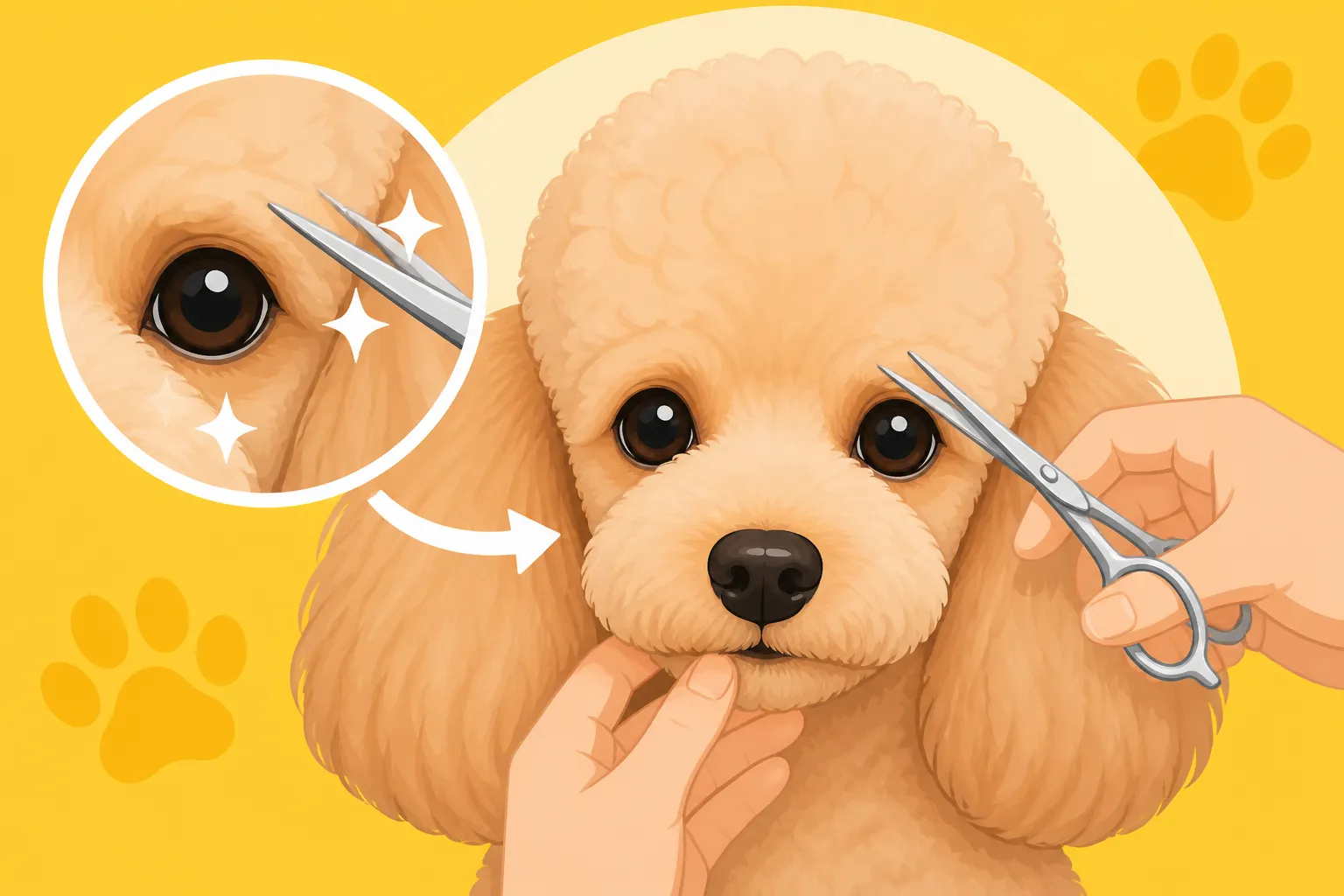
This technique is the safest way to trim around the eyes and minimizes the risk of accidentally poking your Poodle. With one hand, gently but firmly hold your Poodle’s muzzle, keeping their head stable. Use your fine-toothed comb to carefully comb the hair downwards and away from the eye. This separates the long strands and allows you to see exactly how much needs to be trimmed. Once combed, place the blunt-nosed scissors parallel to the skin, with the blunt tips pointing away from the eye. Only snip the very ends of the hair that extends past the natural outline of the eye socket or that might poke into the eye. Work in very small increments, literally hair by hair, if needed. Never cut a large chunk at once. After each small cut, use your comb again to brush the hair away and check your work. Repeat this process for both eyes, always keeping the scissors parallel to the skin and pointing away from the eye. Imagine you're sculpting, not chopping.
Addressing the Bridge of the Nose and Outer Corners
Don't forget the hair on the bridge of the nose, between the eyes. This area often collects debris and can also grow quite long, connecting the hair from both eyes. Use your comb to lift this hair straight up, then trim it carefully with your blunt-nosed scissors, again keeping the tips away from the eyes. For the outer corners of the eyes, where hair can sometimes grow long and catch moisture, gently comb the hair downwards and trim just enough to clear the area, preventing it from drooping into the eye or creating a moist pocket. Throughout this process, speak in a calm, soothing voice and offer treats frequently. If your Poodle shows signs of stress or discomfort – pulling away, whining, or trying to nip – take a break. Push too hard, and you risk making future grooming sessions even more difficult. A few short, positive sessions are far better than one long, traumatic one. Consider their whole grooming routine, from Desensitizing a Poodle to Clippers to bathing, as interconnected steps in building tolerance.
Beyond the Trim: Maintaining Clarity and Comfort
Trimming the hair around your Poodle's eyes isn't a one-and-done deal. It's an ongoing part of their regular grooming routine. Because The Poodle Coat and Why It Never Stops Growing, you'll need to stay on top of it to ensure their comfort and prevent the issues we've discussed. Consistent maintenance is the secret to a happy, clear-eyed Poodle.
Establishing a Regular Trimming Schedule
How often you need to trim will depend on how fast your Poodle’s hair grows and your preferred style. For many Poodles, a quick touch-up around the eyes every 2-4 weeks is sufficient. Some owners find that a small trim in between professional grooming appointments keeps things tidy. If you prefer a very clean, defined look, you might find yourself doing it more frequently. The best approach is to observe your Poodle. Are the hairs starting to curl back into their eyes? Is tear staining becoming more noticeable? Are they squinting or rubbing their face more often? These are all signs it’s time for a trim. Incorporating it into a weekly or bi-weekly routine, even if it's just a quick comb and check, can make the actual trimming much less daunting. Consistency not only maintains the look but also reinforces your Poodle's acceptance of face handling.
Daily Eye Cleaning and Checks
Between trims, daily eye care is incredibly important. Use a soft, damp cloth or a pet-specific eye wipe to gently clean away any discharge or debris that accumulates around the eyes. Always wipe away from the eye, using a fresh part of the cloth for each eye to prevent spreading any potential infection. Regular cleaning helps reduce tear staining and prevents crusty build-up that can harden and become difficult to remove. This daily ritual also gives you an opportunity to check for any signs of irritation, redness, excessive tearing, or cloudiness in the eyes. Catching these issues early can prevent them from escalating into more serious problems. If you notice persistent redness, thick discharge, or if your Poodle is pawing at their eyes, it's always best to consult your veterinarian. Remember that Poodle Ears, Eyes and Nails all require dedicated, routine care.
The Role of Overall Health and Nutrition
While external care is vital, your Poodle's internal health also plays a significant role in eye comfort and tear staining. A balanced, high-quality diet can contribute to overall wellness, which in turn can sometimes lessen issues like excessive tearing or skin irritations around the eyes. For instance, some Poodle owners find that certain ingredients in commercial foods can exacerbate tear staining, though this varies greatly by individual dog. Exploring options like those from Ollie that focus on fresh, whole ingredients can be beneficial for their general health and coat condition, which might indirectly impact eye health. Keeping your Poodle at a healthy weight, providing them with Daily Work for a Poodle's Body and Mind, and ensuring they have a clean living environment all contribute to a robust immune system and overall vitality. When your Poodle is healthy from the inside out, they’re better equipped to handle external factors, including the constant growth of that unique Poodle coat.
Disclaimer
This article is for general informational purposes only and does not constitute professional advice. Laws, prices and regulations vary by location and change over time. Consult a qualified professional for guidance on your specific situation.