Indoor Work for a Poodle on a Wet Day
There’s nothing quite as frustrating as waking up to a downpour when you have an energetic Poodle ready for their morning adventure. That sudden shift from planned outdoor romps to being stuck inside can leave both you and your clever companion feeling a bit stir-crazy. This guide is here to rescue your rainy days, offering a wealth of engaging, enriching, and downright fun indoor activities to keep your Poodle’s brilliant mind and active body happy, no matter the weather.
When Outdoor Plans Are Drenched: The Poodle's Indoor Needs
Poodles, regardless of their size, are highly intelligent dogs with a surprising amount of energy. They were originally bred as water retrievers, which means they have a natural drive for work, problem-solving, and physical activity. When a scheduled walk, park visit, or training session gets rained out, that energy and mental capacity doesn't just disappear. It often manifests as boredom, restlessness, or even destructive behavior if not channeled appropriately.
Why a Poodle Gets Bored Quickly
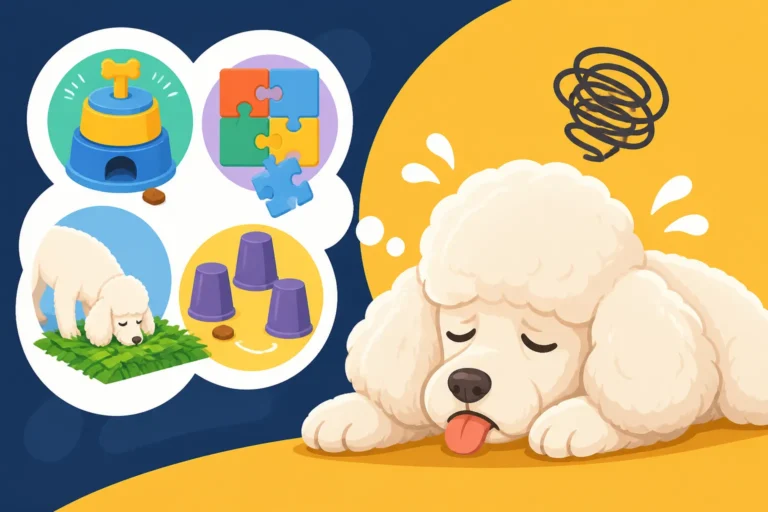
If you've ever lived with a Poodle, you know they're not content to just nap all day. Their keen minds are constantly seeking out new information, challenges, and ways to interact with their environment. Dr. Stanley Coren famously ranked them as the second most intelligent dog breed, and anyone who's tried to outsmart a Poodle can attest to that! This high intelligence means they can quickly master new skills, but also means they bore easily if not given enough to do. A lack of mental stimulation can be just as tiring for a Poodle as a long run, if not more so, because it uses a different part of their brain. This is why you might find your Poodle staring intently out the window or nudging your hand for attention – they're craving engagement. You can learn more about Why a Bright Poodle Gets Bored.
The Consequences of an Unoccupied Poodle
An unoccupied Poodle isn't just a sad Poodle; it can be a disruptive Poodle. Imagine all that intelligence and energy with no outlet. They might start "redecorating" your sofa cushions, investigating the contents of your trash can, or finding novel ways to get your attention, like incessant barking or demanding nudges. This isn't out of spite; it's simply their way of coping with unmet needs. Redirecting this energy into constructive indoor activities is not only good for their well-being but also for the peace of your home. It's about preventing the common issues that arise when a Poodle feels underemployed, which can sometimes lead to What an Unexercised Poodle Does to the House.
Unleashing Their Inner Genius: Mental Stimulation Games
Mental stimulation is paramount for Poodles, especially when physical exercise is limited. These games tap into their problem-solving abilities and natural drives, providing a satisfying "workout" for their brains.
Interactive Puzzle Toys and Slow Feeders
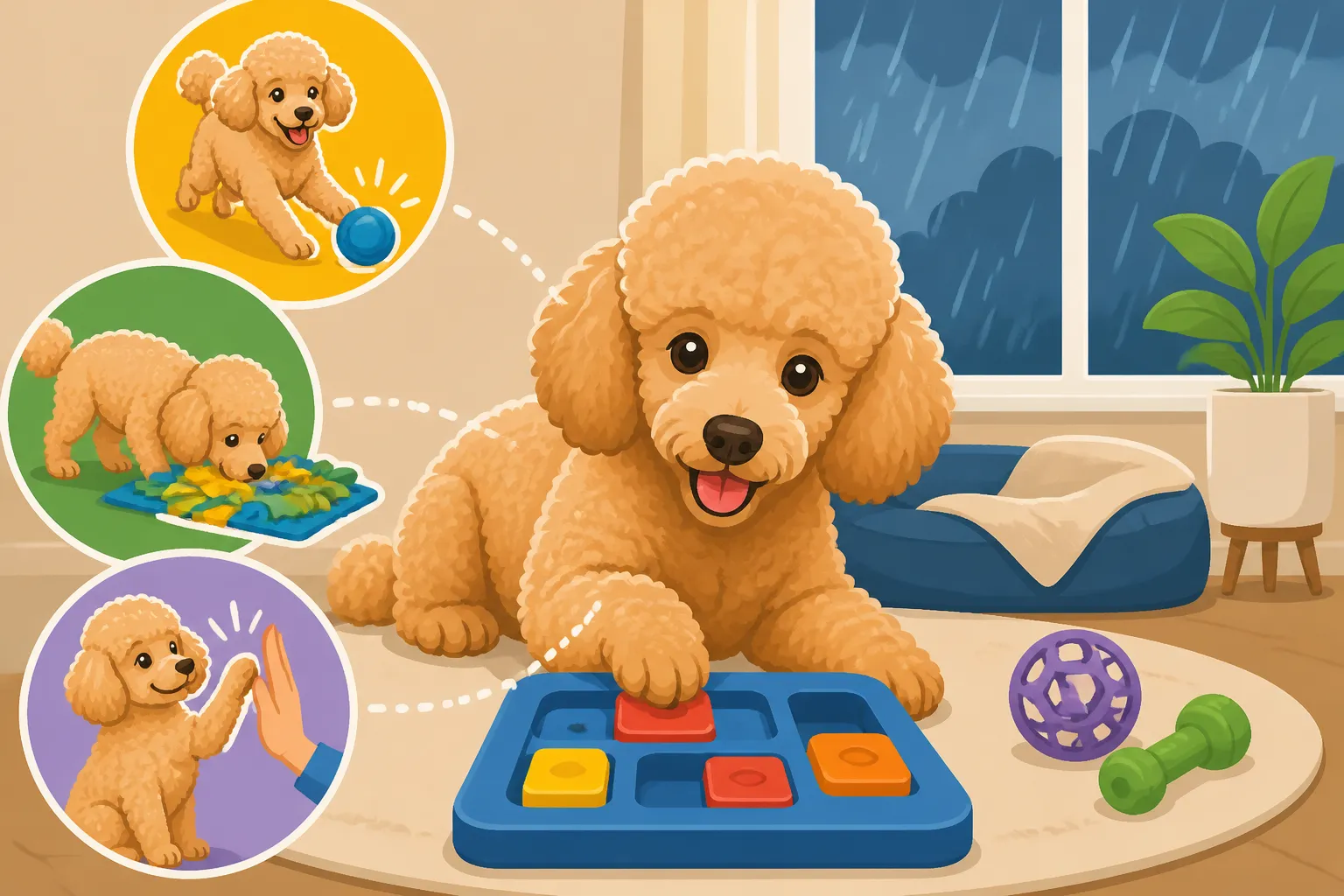
Puzzle toys are a Poodle owner's best friend on a rainy day. These come in countless varieties, from simple treat-dispensing balls to multi-stage challenges that require your Poodle to push levers, lift lids, or slide panels to get their reward. The goal is to make them think and work for their food or treats, rather than simply gulping them down. I often pick up a variety of these from places like Chewy, ensuring I have a few different difficulty levels on hand to keep things fresh. You can stuff these with kibble, healthy wet food, or even special fresh food options like those from Ollie to make them even more enticing.
Starting with easier puzzles helps build confidence, and you can gradually introduce more complex ones as your Poodle masters the challenge. Remember to supervise your Poodle, especially with new toys, to ensure they're using it as intended and not trying to chew through it! Rotate these toys to keep them novel; a toy that hasn't been seen in a week feels like a brand new discovery to your clever companion. This kind of engagement is fantastic for Keeping a Poodle Mind Occupied.
Engaging Nose Work and Scent Games
Poodles possess an incredible sense of smell, often underestimated due to their flashy looks. Nose work capitalizes on this natural ability and can be incredibly tiring for them, both mentally and physically. It’s essentially a treasure hunt for dogs, using their noses to find hidden treats or toys. You don't need fancy equipment to start; just some high-value treats and a few hiding spots.
Begin with simple hiding games: let your Poodle watch you hide a treat under a cup, then encourage them to find it. As they get the idea, increase the difficulty by hiding treats in different rooms, under blankets, or inside cardboard boxes. You can even invest in a snuffle mat, which is a fabric mat with many crevices designed to hide kibble or treats, forcing your Poodle to snuffle around to find their meal. Amazon has a great selection of these. These Scent Games That Stretch a Poodle's Mind are fantastic for all Poodle sizes and ages, and older Poodles especially benefit from the low-impact mental exercise. You'll be amazed at how satisfied and sleepy your Poodle becomes after just 15-20 minutes of intense sniffing.
Learning New Tricks and Commands
Poodles are absolute sponges when it comes to learning. A rainy day is the perfect opportunity to teach a new trick or refine an existing command. They thrive on positive reinforcement and genuinely enjoy the process of working with you. Think beyond "sit" and "stay." How about teaching them to weave through your legs, spin in a circle, or even "put their toys away" in a basket? These types of activities provide a structured outlet for their intelligence and strengthen your bond.
Break down complex tricks into small, achievable steps. For example, to teach "put away," start by rewarding them for picking up a toy, then for taking a step towards the basket with it, and so on. Keep sessions short, fun, and end on a high note. Even 5-10 minute sessions throughout the day can make a huge difference in keeping their minds engaged. There are countless online resources and videos demonstrating Trick Training a Poodle that can give you inspiration. This focused interaction is invaluable for Poodles, who are highly sensitive and crave partnership.
| Activity Type | Example Activities | Benefits for Poodles | Key Supplies Needed |
|---|---|---|---|
| Mental Puzzles | Snuffle mats, treat-dispensing toys, puzzle feeders | Boosts problem-solving, prevents boredom, slows eating | Puzzle toys, snuffle mats, treats/kibble |
| Nose Work | Scent hunts, "find it" games, hide-and-seek | Engages natural instincts, mentally tiring, low impact | High-value treats, hidden spots, boxes |
| Learning & Training | New tricks, obedience refreshers, cooperative care | Intellectual stimulation, strengthens bond, builds confidence | Treats, clicker, familiar objects |
| Indoor Agility | Couch jumps, tunnel crawls, weave poles (DIY) | Physical exercise, coordination, focus, fun | Pillows, blankets, chairs, broomsticks |
Burning Energy Indoors: Creative Exercise Alternatives
While mental stimulation is crucial, Poodles still need to move their bodies. When outdoor runs are impossible, you need creative ways to get them exercising safely indoors.
Indoor Fetch and Chase Games
Depending on the size of your Poodle and the layout of your home, indoor fetch can be a great way to burn off some steam. For Toy and Miniature Poodles, a hallway can become a mini-track for retrieving soft toys or balls. For Standard Poodles, you might need a larger open space like a living room cleared of obstacles. Always use soft, lightweight toys that won't damage furniture or walls.
Avoid slippery floors which can cause injury. Carpeted areas are ideal. You can also incorporate short bursts of "hide and seek" where you hide in another room and call your Poodle to find you. This adds a mental component to the physical activity, making it even more satisfying. Remember, even short, vigorous bursts of activity can be effective. If your Poodle loves to retrieve, this activity taps right into their natural inclinations.
DIY Indoor Agility Course
You don't need a professional agility course to bring some of that fun indoors. You can create a simple, safe setup using household items. Lay broomsticks across stacks of books or low boxes for jumps (keep them very low to avoid injury, especially if you have a young or older Poodle). Drape blankets over chairs to create tunnels. Use cushions or small stools for your Poodle to weave around.
Guide your Poodle through the course with treats and praise, making it a positive and exciting experience. This not only provides physical exercise but also works on their coordination, focus, and ability to follow directions. It's a fantastic way to engage their entire being. Just ensure everything is stable and won't tip over, protecting your Poodle from bumps and scrapes. Even a Toy Poodle needs daily exercise and can enjoy a scaled-down indoor course.
Active Training Sessions and Interactive Play
Beyond formal tricks, you can turn routine commands into active games. For instance, instead of just a "stay," have your Poodle "stay" while you walk around them, then reward them with a toss of a toy. Practice a rapid-fire series of "sit, down, stand" commands. Incorporate movements like "come" from a distance, or "find your toy" where you hide a favorite toy and encourage them to locate it.
Consider investing in durable interactive toys. Some toys are designed to be tugged or thrown, which can provide a good physical release. Just make sure the toys are appropriate for your Poodle's size and chewing habits. Some Poodles are quite particular about their toys, so having a selection ready from a retailer like Amazon that offers a wide range is a good idea. For super chewers, look for Toys a Bored Poodle Cannot Destroy to ensure safety and longevity. These active play sessions not only tire them out but also reinforce their training in a fun, low-pressure environment.
Making Everyday Tasks Engaging: Grooming and Training Sessions
Poodles require consistent grooming, and this can actually be turned into an enriching indoor activity. Cooperative grooming and advanced training, which are often overlooked as "fun," can be incredibly stimulating.
Cooperative Grooming as Bonding Time
Grooming is a non-negotiable part of Poodle ownership, but it doesn't have to be a chore. A rainy day offers the perfect opportunity to turn grooming into a positive, bonding experience. Instead of rushing through it, use the time to practice cooperative care. This means teaching your Poodle to willingly participate in their grooming routine, rather than just tolerating it.
Focus on slow, gentle brushing sessions. Reward them heavily for holding still, allowing you to touch their paws, or calmly accepting a comb through their coat. Work on one small area at a time. This kind of mindful grooming builds trust and helps desensitize them to the tools and sensations. You can practice gently cleaning their ears, trimming their nails, or brushing their teeth – all vital parts of their care that can become positive interactions. This approach can even make future professional grooming visits less stressful for your Poodle.
Advanced Obedience and Proofing
Your Poodle probably knows the basic commands, but do they know them under distraction? A rainy day is excellent for "proofing" their obedience. This means practicing commands in new environments with new distractions – even if that "new environment" is just a different room in your house, and the "distraction" is a family member watching TV or another pet moving around.
Work on duration and distance with commands like "stay" or "down." Can your Poodle hold a "stay" while you walk out of the room for a minute? Can they "come" from across the house when you call? Challenge them by introducing novel objects or sounds while they perform a command. This kind of focused work is mentally demanding and helps solidify their understanding of commands, making them more reliable in real-world situations. It’s a great way to put their high intelligence to work without needing to step outside.
Learning Household Chores as Tricks
Poodles are so intelligent that they can often be taught to perform useful "chores" around the house. Think of it as advanced trick training with a practical application! Teaching your Poodle to fetch specific items, like bringing you their leash or a slipper, can be incredibly rewarding for both of you. You can teach them to "help" unload laundry by pulling items out of a basket (if they're not prone to chewing them, of course!).
These activities require multiple steps and a good understanding of object recognition, providing deep mental engagement. It’s also a wonderful way to showcase their problem-solving skills. Just be patient, break the task into very small steps, and reward enthusiasm. Who knew cleaning up could be a game? This kind of interactive training contributes directly to their overall enrichment and can be an enjoyable way to spend a long, wet afternoon indoors, solidifying their role as a truly integrated family member.
Creative Outlets and Enrichment
Beyond structured games and training, providing creative outlets and general enrichment helps keep a Poodle content and prevents boredom from creeping in.
Chewing and Licking Outlets
Chewing and licking are natural, self-soothing behaviors for dogs. Providing appropriate outlets for these instincts is crucial for a Poodle's mental well-being, especially when they're cooped up indoors. Look for durable chew toys made from rubber or nylon. For licking, fill a KONG or similar toy with peanut butter (xylitol-free!), plain yogurt, or pureed pumpkin, then freeze it. A lick mat, which is a textured silicone mat designed for spreading soft foods, can also provide a long-lasting and calming activity.
These activities can keep your Poodle happily occupied for a significant amount of time, reducing anxiety and preventing them from turning their attention to inappropriate items around the house. Always choose chew items that are safe and appropriate for your Poodle's size and chewing strength to avoid choking hazards or broken teeth. A good selection of chews can be found on Chewy or at your local pet store.
Auditory and Visual Stimulation
While we don't want to overstimulate our Poodles, thoughtful use of media can provide a change of pace. Some dogs enjoy specific TV channels or YouTube videos designed for canine viewers, often featuring other dogs, nature scenes, or calming music. These can provide a gentle form of visual and auditory stimulation, breaking up the monotony of a quiet house.
For auditory enrichment, consider playing classical music or special "calming dog music" playlists. These can help create a soothing atmosphere, particularly if your Poodle is prone to anxiety during storms or when cooped up. Observe your Poodle's reaction; if they seem stressed or uninterested, it's best to turn it off. The goal is gentle engagement, not overwhelm.
Rotating Toys and Novelty
Even the best toys lose their appeal if they're always available. One simple yet effective strategy to combat indoor boredom is to rotate your Poodle's toys regularly. Keep a selection of toys out for a few days, then put them away and bring out a different set. This makes old toys feel new again and maintains your Poodle's interest.
You can also introduce novelty in other ways. Change up the furniture arrangement slightly (if safe), or introduce a new scent by spraying a safe, diluted essential oil (like lavender, specifically formulated for pets) on a blanket or toy. Even a new cardboard box can become an exciting "cave" or an object to tear apart (again, if safe and supervised!). Poodles thrive on variety and challenge, so a little creativity on your part can go a long way in keeping them engaged and happy on those dreary, wet days indoors.
Disclaimer
This article is for general informational purposes only and does not constitute professional advice. Laws, prices and regulations vary by location and change over time. Consult a qualified professional for guidance on your specific situation.