What an Unexercised Poodle Does to the House
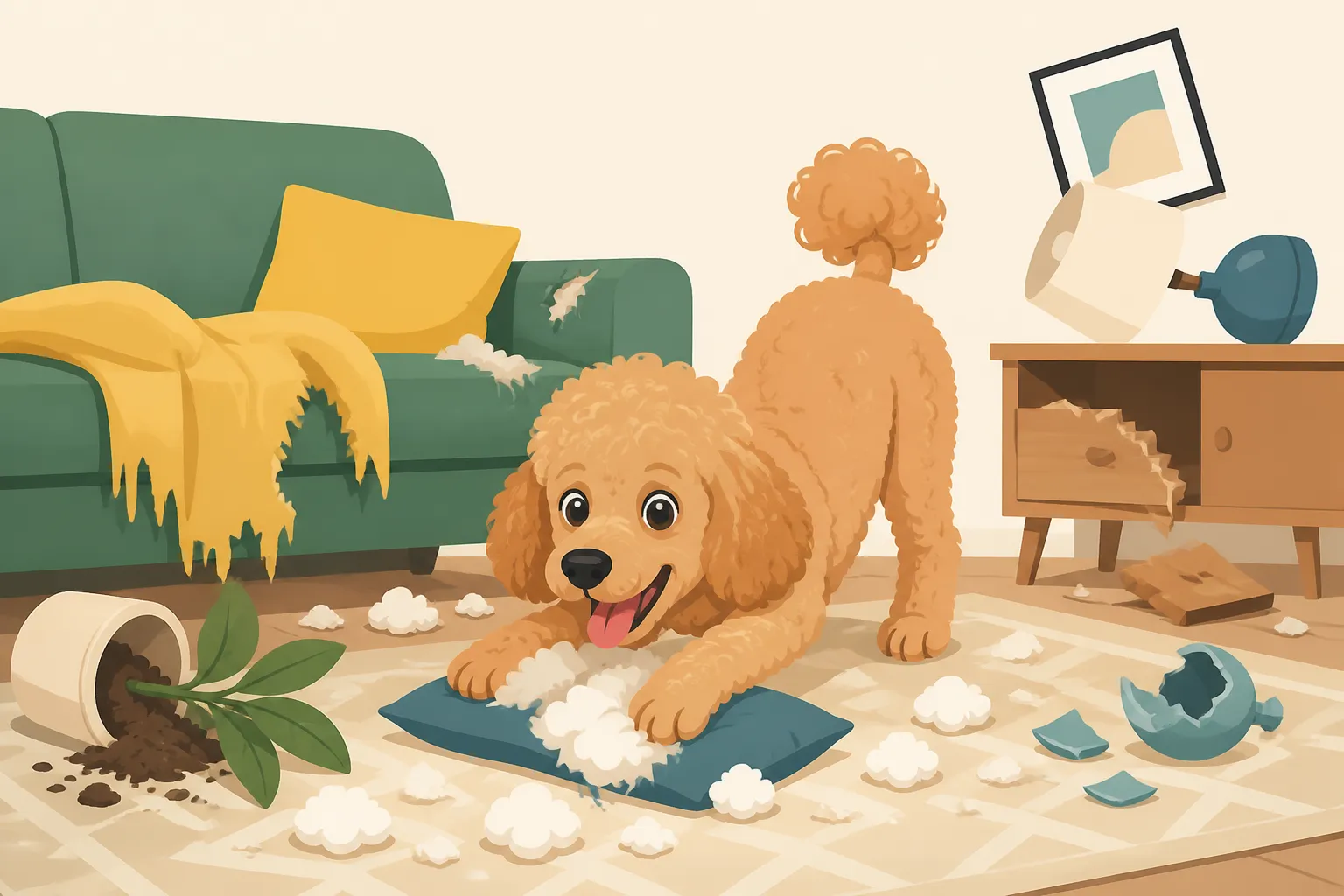
There are few things more disheartening than walking into your home after a long day, only to find that your beloved Poodle has redesigned your sofa with their teeth, or that your favorite pair of shoes has become a new chew toy. This isn't naughtiness; it's almost always a direct cry for help, a clear sign that your Poodle's natural energy and brilliant mind aren't being adequately engaged. This guide will delve deep into the common, often destructive, behaviors born from an unexercised Poodle and provide actionable strategies to turn that pent-up energy into happy, harmonious living.
Understanding Your Poodle's Innate Needs
Many people look at a Poodle's elegant clip and assume they're a delicate, aristocratic lapdog. While they certainly have their moments of regal poise, beneath that meticulously groomed coat beats the heart of a robust, intelligent working dog. Ignoring this fundamental truth is often the root cause of domestic chaos.
The Poodle's Working Dog Heritage
Let's cast our minds back a few centuries, shall we? The Poodle, or "Pudel" as they were known in their German origins, means "to splash in water." These weren't dogs bred for dainty walks through palace gardens, but rather for retrieving waterfowl from icy European lakes. They needed stamina, agility, and a keen focus to do their job effectively. This history is etched into their very being, regardless of their modern-day size. They were athletes, thinkers, and partners in a demanding task. This means they are inherently built to move, to use their bodies, and to solve problems. When we deny them that outlet, it doesn't just disappear; it finds other, less desirable, ways to manifest itself, often right there in your living room.
Think about it: a dog bred to spend hours swimming and searching is not going to be content with a quick trot around the block once a day. They possess a deep well of energy that needs to be tapped. If that energy isn't channeled into appropriate activities, it builds up like pressure in a teapot, eventually boiling over into behaviors that can feel frustrating and confusing for owners who don't understand the underlying drive.
Beyond the Pretty Haircut: Poodle Intelligence
It’s widely acknowledged that Poodles are one of the smartest dog breeds out there. Canine intelligence expert Stanley Coren even ranked them as the second most intelligent breed. This isn't just a fun fact; it's a critical aspect of their care. A smart dog isn't necessarily an easy dog if that intelligence isn't properly engaged. In fact, a highly intelligent dog who is bored can be far more destructive and inventive in their mischief than a less intelligent one.
An unexercised Poodle isn't just physically restless; their minds are also buzzing, looking for something, anything, to do. Imagine being locked in a room with nothing to stimulate your brain – you'd start finding ways to entertain yourself, even if it meant taking apart the furniture. Your Poodle is no different. They don't just need physical exertion; they crave mental puzzles, learning new things, and having a "job" to do. If you're wondering What a Poodle Does When Its Brain Is Idle, the answer often involves your most valuable possessions. Their cleverness, which makes them so trainable and wonderful companions, can also be their undoing if left untapped. They learn quickly, yes, but they also learn bad habits quickly if those habits provide the stimulation they're missing.
Different Sizes, Similar Needs
While a Standard Poodle is a much larger and more powerful dog than a Toy Poodle, the underlying need for exercise and mental stimulation remains consistent across all three varieties. The intensity and duration might differ, but the principle does not.
A Standard Poodle requires robust physical activity. They have long legs, deep chests, and are built for endurance. Neglecting a Standard Poodle's exercise needs is like trying to bottle up a force of nature. They need ample space to run and opportunities to truly stretch their legs and lungs.
Miniature Poodles, while smaller, are still incredibly athletic. They may not need to run for miles, but they still have plenty of energy to burn. They often possess the same drive and intelligence as their larger cousins, just in a more compact package.
Even Toy Poodles, despite their diminutive size, are not content to be mere purse accessories. They are energetic and playful, needing regular walks, playtime, and mental challenges. Don't let their small stature fool you into thinking they don't need to move their bodies and use their brains. A lack of activity can turn a charming little companion into a yappy, destructive terror. Regardless of size, every Poodle needs deliberate, consistent outlets for their energy and intellect.
The Manifestations of Under-Exercise: What You'll See at Home
When a Poodle's physical and mental needs aren't met, they don't just sit quietly and sulk. Instead, that pent-up energy and intelligence will find an outlet, often in ways that are frustrating, costly, and disruptive to your home life. It’s important to understand that these behaviors aren’t spiteful; they are symptoms of an underlying issue.
The Chewing and Destruction Epidemic
This is perhaps the most common and visible sign of an unexercised Poodle. When boredom sets in, a Poodle's natural instinct to explore with their mouth, combined with their strong jaws, can lead to absolute devastation. It starts subtly, perhaps with a discarded slipper, but can quickly escalate.
I've heard countless stories: Poodles who've chewed through drywall, stripped wallpaper, gnawed on table legs, or systematically demolished every single item of furniture in a room. They might target personal items like eyeglasses or remote controls, not because they're being "bad," but because these items often carry your scent and offer interesting textures. A Poodle left alone for hours with nothing to do will turn to whatever provides stimulation. The satisfying crunch of a chair leg, the ripping sound of fabric, or the challenge of dissecting a cushion can be incredibly rewarding for a bored dog. They are literally making their own fun, and unfortunately, your home decor often pays the price. This destructive chewing isn't just annoying; it can be dangerous if they ingest something harmful.
Excessive Barking and Howling
A Poodle with too much energy and an idle mind can become incredibly vocal. They might bark incessantly at anything and everything: squirrels outside the window, the mail carrier, leaves blowing down the street, or even just the subtle creaks and groans of an old house. This isn't always about guarding; it's often a release valve for pent-up frustration and a desperate attempt to get attention.
Imagine your Poodle sitting there, day after day, with a head full of intelligence and a body full of unused energy. That energy has to go somewhere, and barking can be an easy, albeit disruptive, outlet. This kind of barking can quickly lead to strained relationships with neighbors, especially if you live in an apartment or close-knit community. It's not just "alert barking" anymore; it becomes a constant, grating noise that signals anxiety, boredom, and a desperate need for interaction. You might even notice a distinct shift in their bark – from an alert "woof" to a more frantic, high-pitched, or mournful howl.
Unruly Behavior and Zoomies Indoors
Ever witnessed your Poodle suddenly transform into a furry tornado, tearing through the house at top speed, bouncing off furniture, and skidding across floors? These "zoomies," or Frenetic Random Activity Periods (FRAPs), while sometimes amusing, can become a constant, disruptive force when a Poodle is under-exercised.
This isn't just a burst of playful energy; it's often an explosion of energy that has been suppressed for too long. They might jump on guests, counter-surf with alarming frequency, or constantly pester you for attention in overly boisterous ways. They might nip at your heels, demand play in an insistent manner, or simply be unable to settle down, even when you're trying to relax. A Poodle who hasn't had adequate physical and mental exercise will struggle to regulate their energy levels, leading to an almost constant state of restlessness. This makes them difficult to live with, as they can inadvertently knock over children, break items, or simply make it impossible for anyone to have a moment of peace.
Digging, Scratching, and Other "Un-Poodle-Like" Habits
You might think digging is a retriever thing or a terrier thing, but a Poodle can surprise you. A bored Poodle might start digging at carpets, creating unsightly holes, or scratching relentlessly at doors, particularly if they're trying to get to another part of the house or out into the yard. This can quickly ruin flooring and doorframes.
Beyond these, an unexercised Poodle might develop other odd habits. They might pace endlessly, chew on their own paws, or excessively lick themselves, leading to skin irritations and hot spots. Some may even become more prone to resource guarding or general anxiety, as their undirected energy translates into a heightened state of stress. They might become pushy, demanding attention in ways that are hard to ignore, or develop a habit of stealing items to encourage you to chase them. These are all desperate attempts to self-entertain or communicate their deep-seated frustration.
Strategies to Prevent Home Havoc: Exercise Solutions
The good news is that most destructive and unruly behaviors stemming from under-exercise are entirely preventable and treatable with the right approach. It all boils down to understanding and meeting your Poodle's innate needs for physical and mental activity.
Tailored Physical Exercise for Each Poodle Size
Physical exercise is non-negotiable for a Poodle. The key is to tailor it to their size and individual stamina.
For Standard Poodles, think big, think far. These dogs can be fantastic running partners once they're fully grown and have been cleared by a vet. Long, brisk walks, hikes, or even jogs are excellent. Off-leash time in a secure area where they can truly gallop and play fetch is invaluable. Many Standard Poodles adore swimming, which is a fantastic full-body workout. Aim for at least 60-90 minutes of dedicated vigorous exercise daily, broken into multiple sessions. Don't forget that Daily Exercise for a Standard Poodle is more than just a quick trip around the block.
Miniature Poodles still need a good workout. While they might not keep pace with a marathon runner, brisk walks of 30-45 minutes, twice a day, are usually a minimum. They excel at games of fetch in a yard or at a park and love to dart around. Agility training or fast-paced games can be wonderful for them.
Toy Poodles may be small, but they aren't sedentary. They still need at least 30 minutes of intentional activity daily. This could be two good walks, exploring new scents, or dedicated playtime in a secure area. Indoor games of fetch or hide-and-seek can also help burn off some energy, especially on bad weather days. You might be surprised at how much Daily Exercise for a Toy Poodle they truly need. It's often more than owners assume.
Mental Stimulation is Just as Crucial
Remember that Poodles are highly intelligent. Physical exercise alone won't tire their brains. You need to provide opportunities for them to think, problem-solve, and learn.
- Puzzle Toys: These are lifesavers. Toys that dispense treats as your Poodle manipulates them can keep their minds occupied for extended periods. Brands like Kong and Nina Ottosson (available on Amazon or Chewy) offer a wide range of difficulty levels. Start simple and work your way up. These are especially great for when you need to leave them alone for a bit.
- Training Sessions: Poodles love to learn! Short, fun training sessions (5-10 minutes, several times a day) are incredibly stimulating. Teach new tricks, refine existing commands, or practice complex sequences. This engagement strengthens your bond and wears them out mentally.
- Scent Work: This taps into their natural instincts. Hide treats around the house or yard and encourage your Poodle to sniff them out. This is mentally exhausting and incredibly rewarding for them. There are entire sports dedicated to this, and even simple versions at home can make a huge difference. Nose Work as Exercise for a Poodle can really help drain that mental energy.
- Interactive Games: Instead of just throwing a ball, make fetch more of a game. Hide-and-seek with you, or even teaching them to put their toys away, can be mentally engaging.
Structured Play and Socialization
Social interaction and structured play are vital for a well-adjusted Poodle.
- Dog Parks: If your Poodle enjoys the company of other dogs and is well-socialized, a dog park can be a fantastic way to burn energy. Just be mindful of size differences, especially with Miniature and Toy Poodles, and ensure the park is safe.
- Playdates: Arranging playdates with compatible dogs can offer a more controlled social outlet. This allows them to wrestle, chase, and engage in species-specific play that you might not be able to replicate.
- Classes and Sports: Poodles excel in dog sports like agility, obedience, rally, and even dock diving. These activities provide a fantastic outlet for both physical energy and mental prowess. Enrolling in an Agility Club Fees for a Poodle class, for instance, provides structured learning and a consistent outlet. Even if you're just Starting a Poodle in Agility as a hobby, the benefits for their well-being are immense.
The Importance of a Consistent Routine
Dogs thrive on routine, and Poodles are no exception. A predictable schedule for walks, meals, training, and play helps them understand what to expect and when. This reduces anxiety and can prevent those desperate, destructive outbursts that often occur when a dog feels uncertain or neglected. Try to walk and feed your Poodle at roughly the same times each day. This consistency provides a sense of security and helps regulate their internal clock, making them less likely to feel anxious or bored.
Integrating Exercise into a Busy Life
Let's be real: life gets hectic. It's easy to feel guilty when you can't dedicate hours to your Poodle's exercise every single day. But the good news is, you don't always need huge blocks of time. It's about smart planning and consistency.
Short Bursts of Activity Throughout the Day
Instead of trying to squeeze in one massive, two-hour exercise session that feels impossible to maintain, aim for several shorter, impactful bursts of activity.
- Morning Wake-Up: Even 15-20 minutes of brisk walking or active play first thing in the morning can set a positive tone for the day. It helps drain some of that overnight energy and gives their brain something to chew on before you head out.
- Lunchtime Lunge: If you work from home, a quick 15-minute walk or a focused training session during your lunch break can make a huge difference in breaking up their day and preventing boredom from building.
- Evening Wind-Down: A longer walk or dedicated play session in the evening can help burn off any residual energy, making them more likely to settle down and relax with you as the day ends.
- Micro-Training Moments: Throughout the day, ask for a "sit" before a meal, a "stay" while you open the door, or practice a new trick for a few minutes while waiting for your coffee to brew. These tiny mental engagements add up.
Remember, consistency trumps intensity when it comes to long-term well-being. A few short, purposeful sessions are far better than sporadic, overwhelming ones.
Utilizing Professional Help
There's no shame in admitting you need a little help to ensure your Poodle's needs are met, especially on days when your schedule is simply overwhelming.
- Dog Walkers: A professional dog walker can be a godsend. They can provide a midday walk, ensuring your Poodle gets a potty break and some physical activity while you're at work. Look for walkers who understand Poodle energy and are willing to engage them mentally, not just physically. You might be surprised at how many options are available for Dog Walkers and a Standard Poodle, even in smaller communities.
- Doggy Daycare: For highly social Poodles, a reputable doggy daycare can be an excellent option. It provides hours of supervised play and interaction with other dogs, often resulting in a happily exhausted Poodle at the end of the day. Ensure the daycare is clean, well-staffed, and screens dogs for temperament.
- Pet Sitters: If you're away for extended periods, a pet sitter who comes to your home can maintain your Poodle's routine and provide familiar comfort, ensuring they get their usual walks and mental games.
Maximizing Indoor Mental Engagement
Even on rainy days or when your outdoor time is limited, you can still provide valuable mental stimulation indoors.
- Mealtime Challenges: Ditch the plain bowl! Use slow feeder bowls, snuffle mats, or interactive feeder toys for every meal. This turns eating into a puzzle, engaging their brain and slowing them down. For example, if you use a high-quality food like Ollie, you can portion it into a puzzle feeder for a brain-stimulating meal. This is a great way to put Feeders That Make a Poodle Think for Dinner into practice.
- Rotating Toys: Don't leave all your Poodle's toys out all the time. Rotate them every few days or weekly. This keeps things fresh and exciting, making old toys feel new again. Consider a toy bin from Chewy to keep them organized and easy to rotate.
- New Tricks and Skills: Poodles love to learn. Teach them advanced tricks like "spin," "weave," or how to identify specific toys by name. These activities burn mental energy effectively. They thrive on the challenge and the positive reinforcement.
- Indoor Agility: You don't need fancy equipment. Set up a simple obstacle course with cushions to jump over, blankets to tunnel under, and chairs to weave through. Make it a fun, engaging game.
- Interactive Play: Instead of passively throwing a toy, engage in active play. Tug-of-war (with rules), hide-and-seek, or even just chasing a laser pointer (with a physical "catch" at the end) can be surprisingly tiring.
Remember, a Poodle with an occupied mind is a much calmer and more well-behaved Poodle. Think of it this way: Why a Poodle Needs a Job Rather Than a Walk is because their intelligence demands purpose.
Here’s a quick overview of how exercise needs and consequences often break down by Poodle size:
| Poodle Size | Daily Exercise Goal (Active) | Mental Stimulation Need | Common Unexercised Behaviors | Prevention Strategy |
|---|---|---|---|---|
| Standard | 60-90+ mins (vigorous) | Very High | Destructive chewing, excessive barking, intense zoomies, digging, door scratching | Long walks/runs, hiking, swimming, complex puzzle toys, advanced training, dog sports (agility, obedience) |
| Miniature | 30-60 mins (brisk) | High | Persistent barking, moderate chewing, nipping for attention, indoor pacing | Brisk walks, fetch, scent games, trick training, interactive toys, playdates |
| Toy | 20-30 mins (moderate) | Moderate to High | Yappy barking, destructive chewing (small items), indoor zoomies, anxious licking | Shorter walks, indoor games, beginner trick training, small puzzle feeders, regular handling practice |
By understanding your Poodle's deep-seated needs for both physical exertion and mental engagement, you can prevent the frustrating behaviors that arise from under-exercise. It's not about simply "tiring them out"; it's about enriching their lives and allowing them to thrive as the intelligent, athletic companions they were truly meant to be. A happy Poodle makes for a happy home, and that starts with meeting their foundational needs.
Disclaimer
This article is for general informational purposes only and does not constitute professional advice. Laws, prices and regulations vary by location and change over time. Consult a qualified professional for guidance on your specific situation.