Poodles in Circuses and Performance
For many, the image of a Poodle conjures up notions of elegance and perhaps a bit of fussiness, but few truly grasp the breed's astonishing history as a natural-born performer. If you've ever wondered how these refined dogs became synonymous with the big top and dazzling acts, you're not alone. This guide delves deep into the Poodle's incredible legacy in circuses, stage performances, and modern dog sports, exploring the unique traits that made them canine superstars and how that history continues to shape the breed today.
The Poodle's Surprising Origins as a Working Dog
It’s easy to look at a perfectly coiffed Poodle and imagine them reclining on velvet cushions, but their history is far from sedentary. Before they ever stepped paw into a spotlight, Poodles were robust, intelligent working dogs, specifically bred for retrieving waterfowl. This practical background laid the groundwork for their future performance careers, instilling in them a keen intellect, boundless energy, and an eagerness to please that is still very much part of their DNA.
From Waterfowl Retriever to Stage Performer
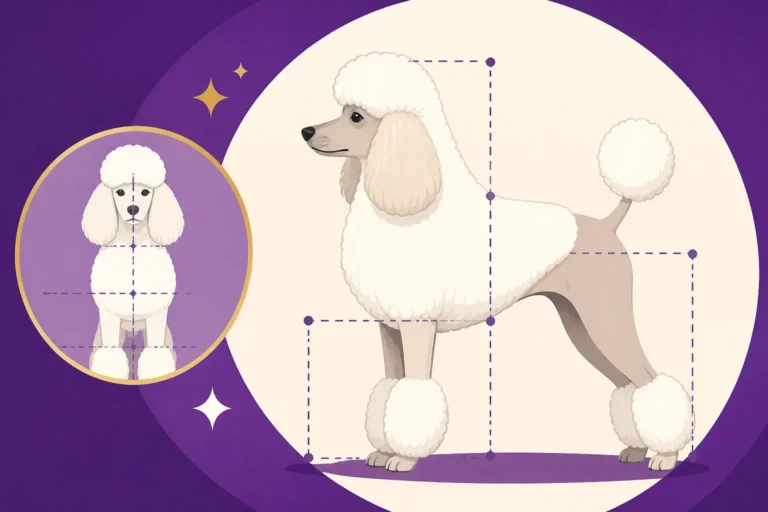
Imagine the chilly European waters of centuries past, where hunters relied on dogs to plunge in and fetch downed ducks. The Poodle, whose name "Pudel" in German actually means "to splash," was designed for this job. Their dense, curly coat, which many today associate with high maintenance grooming, was originally a protective barrier against cold water. Why the Poodle's Name Means to Splash delves into this fascinating linguistic origin. The distinctive "Poodle clip" with its tufts and shaved areas wasn't just for show; it was a functional haircut. Shaving certain areas reduced drag in the water, while leaving hair on joints and the chest protected vital organs from the cold. This blend of intelligence, athleticism, and a strong work ethic meant Poodles were always looking for a job to do, and when the hunting fields became less prominent, new opportunities arose.
This innate drive for engagement, combined with their striking appearance, made them prime candidates for entertainment. It wasn't a huge leap from retrieving a duck to catching a ball, or from navigating icy waters to performing a complex sequence of tricks. Their biddability and desire to please their human companions meant they thrived on interaction and direction. Early performers quickly recognized this potential, seeing past the working dog exterior to the clever, adaptable creature within.
Early European Circus and Street Acts
As the Poodle’s reputation for intelligence grew, so did their presence in the nascent world of entertainment. Long before modern circuses, Poodles were mainstays in European street performances and traveling shows. Think of quaint village squares, bustling markets, or traveling fairs where a charismatic performer and their exceptionally talented Poodle would draw a crowd. These weren't elaborate, multi-ring spectacles; they were intimate, charming displays of canine cleverness and agility.
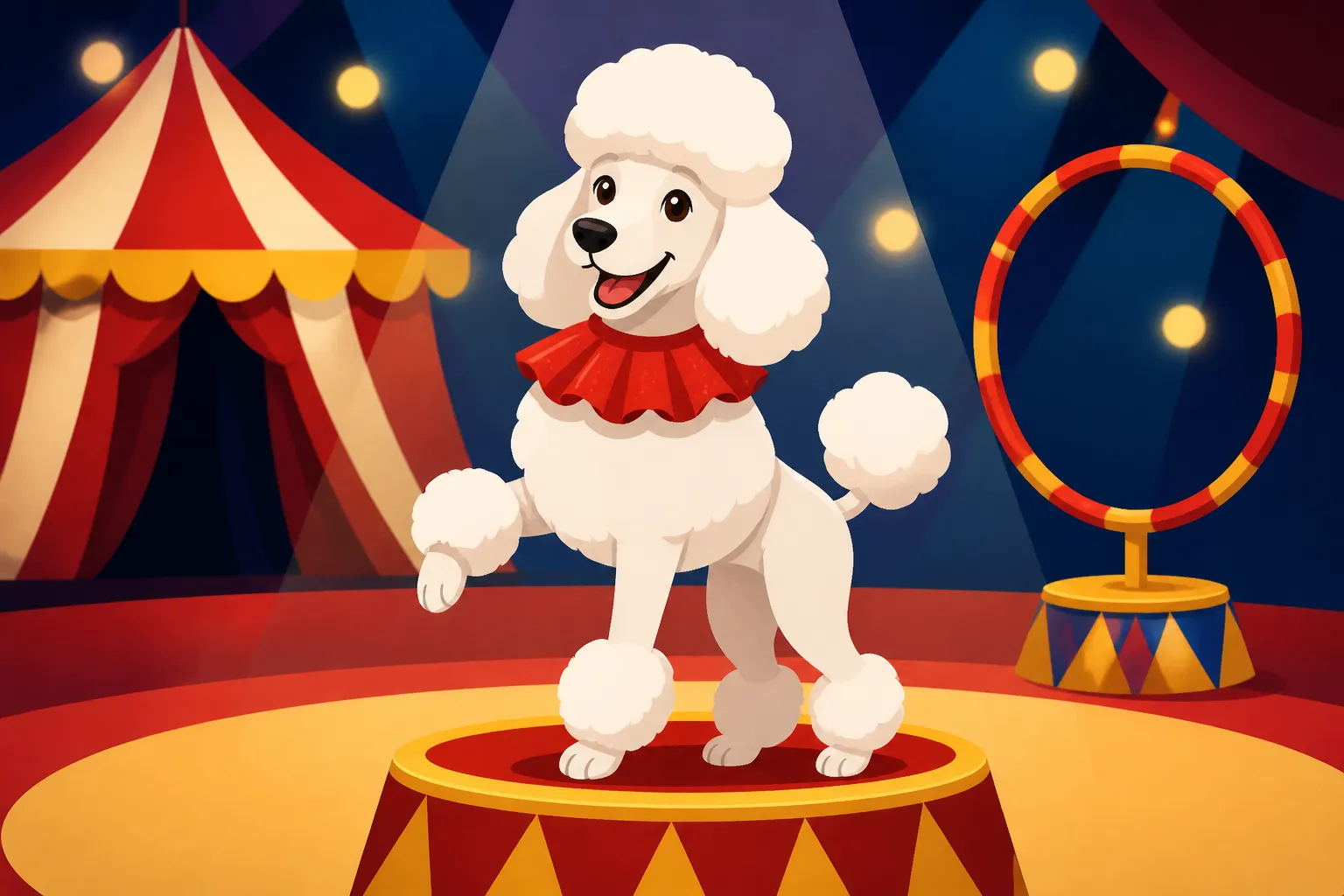
The acts often featured Poodles performing feats like walking on their hind legs, balancing objects, jumping through hoops, or even enacting short, comedic skits. These early performances highlighted the Poodle's natural grace and remarkable capacity for learning. Poodles in Painting and Advertising shows just how ingrained this image became in popular culture, often depicting Poodles in various stages of performance. Their distinctive appearance, even with simpler trims than today's elaborate show clips, made them instantly recognizable and added to their theatrical appeal. It was during this time that the Poodle truly solidified its image as a versatile and entertaining companion, laying the groundwork for its eventual rise to stardom under the big top.
Why Poodles Excel in Performance Roles
There's a reason Poodles weren't just a fleeting fad in the performance world; they genuinely possess a unique combination of traits that make them exceptional. It’s not just about looking good; it’s about their whole package: brains, brawn, and personality.
Unmatched Intelligence and Trainability
Anyone who has lived with a Poodle knows they are incredibly smart. They aren't just "smart" in a general sense; they are problem-solvers, quick learners, and possess an almost uncanny ability to anticipate what you want. This mental prowess is perhaps their greatest asset in performance. Dr. Stanley Coren’s ranking of dog intelligence often places the Poodle very high, sometimes second only to the Border Collie, for its working and obedience intelligence. The Poodle's Place in Dog Intelligence dives deeper into what this means.
This high intelligence translates directly into trainability. Poodles can pick up new commands in a remarkably short number of repetitions. For a performer, this is invaluable. Imagine needing to teach a Poodle a brand new, intricate trick in a matter of days before a show. Other breeds might struggle, but a Poodle often rises to the challenge, not just learning the steps, but understanding the sequence and the cue with remarkable speed. Their ability to retain information and perform complex routines reliably makes them a trainer's dream. However, this intelligence comes with a caveat: a bored Poodle is a destructive Poodle, so keeping their minds active is crucial. Why a Bright Poodle Gets Bored explores this very issue.
Athleticism, Agility, and Grace
Beyond their brains, Poodles are also incredibly athletic. Don't let the show clips fool you; beneath all that fluff is a dog built for movement. They are agile, possessing a lithe build, strong hindquarters, and a springy gait. This physical aptitude makes them ideal for acts requiring jumping, balancing, and intricate footwork. They can leap through hoops, walk tightropes, and perform intricate dance steps with an almost balletic grace.
Their strong retrieving instinct, honed over centuries as water dogs, also contributes to their enthusiasm for tasks involving objects, whether it's catching a prop or carrying a basket. A Poodle's body is engineered for dynamic movement, allowing them to execute daring feats with precision and elegance. This combination of physical prowess and a natural desire to engage makes them captivating to watch, capable of transforming simple tricks into artistic displays.
The Poodle Personality: Eager to Please and a Showman at Heart
A Poodle's temperament is arguably as important as its intelligence and athleticism for its success as a performer. They are often described as "people dogs," deeply bonded to their families and possessing a strong desire to please. This eagerness to work with their handler makes them incredibly responsive and motivated during training and performances. They thrive on attention and praise, soaking up applause like sunshine.
Moreover, Poodles often have a natural showman's flair. They seem to understand when they are the center of attention and can carry themselves with a certain theatrical confidence. They're not shy, retiring dogs; many Poodles genuinely enjoy being in the spotlight. This inherent charisma, combined with their responsiveness, creates a powerful connection with the audience, making their performances not just technically impressive, but emotionally engaging. They're dogs who seem to say, "Look what I can do for you!" and people can't help but be charmed. The Poodle Character further delves into these beloved personality traits.
Training Poodles for the Stage
Training a Poodle for performance is a deeply rewarding experience, but it’s not without its nuances. Their intelligence, while a huge advantage, also means they can get bored easily or even try to outsmart you! Effective training hinges on understanding their unique psychological makeup.
Positive Reinforcement and Mental Stimulation
The absolute cornerstone of Poodle performance training is positive reinforcement. These sensitive dogs wilt under harsh correction. They thrive on praise, high-value treats (Chewy has a fantastic selection of small, soft training treats that Poodles adore), and enthusiastic encouragement. When a Poodle knows they've done something right and are rewarded for it, they are eager to repeat the behavior and build upon it. They learn best when training feels like a fun game rather than a chore.
Because of their high intelligence, mental stimulation is as important as physical exercise during training. Repetitive drills can quickly lead to boredom and a Poodle "checking out." Varying exercises, introducing new challenges, and using puzzle toys can keep their minds engaged and prevent them from getting stale. Short, frequent training sessions are often more effective than long, drawn-out ones, especially when teaching intricate routines. This approach not only builds their repertoire of tricks but also strengthens the bond between dog and handler, which is crucial for seamless stage performances. Training the Second Smartest Dog Breed offers more insights into working with their exceptional intellect.
Mastering Complex Routines and Cues
Training for the stage means going beyond basic obedience; it involves teaching complex sequences of behaviors. This is where a Poodle's ability to link multiple cues and actions shines. Trainers will often break down a grand trick into smaller, manageable steps, teaching each component individually before chaining them together. For example, teaching a Poodle to jump over an object, then spin, then bow, might involve three separate training phases before they are linked into one fluid act.
The subtlety of cues is also critical. On stage, hand signals, verbal prompts, or even slight body movements from the handler must be almost imperceptible to the audience. Poodles are incredibly attuned to their handlers, often reading micro-expressions and subtle shifts in posture. This sensitivity, combined with their intelligence, allows them to respond to these nearly invisible cues, creating the illusion that they are performing entirely on their own initiative. Poodle Obedience and Rally Titles gives a glimpse into the precision Poodles can achieve in formal obedience, a skill that translates beautifully to stage work.
Desensitization to Lights, Sounds, and Crowds
Performing under bright lights, with loud music, and in front of an enthusiastic audience is a far cry from a quiet training session in the backyard. Therefore, desensitization is a vital part of preparing a Poodle for the stage. This involves gradually exposing them to elements of a performance environment in a positive way.
Starting with low-level distractions, like unfamiliar sounds or gentle applause recordings, and slowly increasing the intensity can help build a Poodle's confidence. Practicing in different locations, with varying levels of noise and lighting, helps them generalize their training. For instance, rehearsing parts of an act in a park with children playing nearby or in a local community hall can simulate the real-world chaos of a performance venue. The goal is for the Poodle to remain focused on their handler and their routine, regardless of external stimuli. This careful preparation ensures that when the curtain rises, the Poodle is not only physically ready but mentally resilient enough to shine.
Beyond the Big Top: Modern Poodle Performance Roles
While the traditional circus might conjure images of bygone eras, the Poodle’s performance legacy is far from over. Their innate talents have simply found new arenas, adapting to modern sensibilities and dog sports. Today, Poodles are stars in a variety of competitive and recreational activities that showcase their intelligence, athleticism, and cooperative spirit.
Dog Sports: Agility, Obedience, and Rally
Poodles, in all three sizes – Standard, Miniature, and Toy – are highly successful in competitive dog sports. Their combination of speed, agility, and mental acuity makes them formidable competitors. In agility, Poodles race through obstacle courses, weaving poles, leaping hurdles, and navigating tunnels with breathtaking precision and speed. Their springy gait and eagerness to respond to their handler's cues are perfectly suited for this dynamic sport.
Obedience and Rally competitions are other areas where Poodles truly shine. These sports demand flawless execution of commands, both on and off-leash, often performed in complex sequences. A Poodle's desire to please and their rapid learning curve mean they can master intricate routines and perform them with remarkable consistency. Dog Sports a Poodle Excels At provides a broader overview of the many disciplines where Poodles truly stand out.
| Performance Trait | Description | Benefit in Performance |
|---|---|---|
| Intelligence | High capacity for learning and problem-solving. | Quick mastery of complex tricks and routines. |
| Trainability | Eagerness to please and responsiveness to cues. | Reliable execution under pressure; strong handler bond. |
| Athleticism | Agile, strong, and graceful physical build. | Excellent for jumps, balances, and dynamic movements. |
| Temperament | Confident, outgoing, loves attention. | Natural showmanship; unflappable in front of crowds. |
| Endurance | Good stamina for sustained effort. | Can perform long routines or multiple shows. |
Therapy and Service Work
While not "performance" in the theatrical sense, therapy and service work heavily rely on a Poodle's ability to "perform" specific tasks consistently and reliably under various, often distracting, conditions. Their calm demeanor, high intelligence, and empathetic nature make them excellent candidates. A therapy Poodle might perform a gentle "lap visit" for a patient in a hospital, while a service Poodle might retrieve objects, open doors, or provide stability for someone with mobility issues.
This role requires immense focus, a solid temperament, and the ability to ignore extraneous stimuli, much like a stage performer needs to ignore audience noise. The consistency with which a Poodle can perform these vital tasks, coupled with their comforting presence, makes them invaluable partners. Poodles in Guide and Service Work highlights their significant contributions in these life-changing roles. Their natural ability to connect with people and their desire to make a positive impact often come through beautifully in this kind of 'performance'.
Trick Training for Fun and Camaraderie
For many Poodle owners, performance isn't about professional competition or a career on stage; it's about building a stronger bond with their dog and having fun. Trick training, whether it's teaching a simple "shake a paw" or an elaborate routine of spins, bows, and "play dead," taps into the Poodle's natural love of learning and showing off. It’s an accessible way for any Poodle to be a star in their own home.
Resources like Chewy offer not just great training treats but also a wealth of information and toys that can aid in trick training, from clickers to interactive puzzles that reward cleverness. This kind of casual performance training helps keep a Poodle’s active mind occupied and prevents boredom-related behaviors. It reinforces the Poodle's reputation as an intelligent, engaging companion and provides endless opportunities for interaction and shared joy. Trick Training a Poodle offers practical advice on getting started with this rewarding activity.
The Enduring Legacy of Poodles in Performance
The Poodle's journey from waterfowl retriever to circus star, and now to a versatile companion in modern dog sports, is a testament to the breed's incredible adaptability and enduring appeal. Their history in performance has left an indelible mark, shaping perceptions and contributing to their unique place in the canine world.
Shaping Public Perception of the Poodle
For centuries, the Poodle's presence on stage and in the ring heavily influenced public perception. While some might have seen them as "fussy" because of their elaborate clips, many more were captivated by their intelligence, grace, and endearing personality. Why Poodles Appear in Circus Acts examines how their frequent presence in entertainment cemented their image as clever and charming. This visibility helped to define the breed as one of the smartest and most trainable, shattering any notions of them being merely decorative.
The showmanship inherent in many Poodles, likely fostered through generations of performance, also contributes to their confident and sometimes playful demeanor. This image, though sometimes leading to misunderstandings about their practical abilities, ultimately served to highlight their extraordinary capabilities and cemented their status as much more than just a pretty face. It's a perception that still resonates today when people see a Poodle master a complex obedience routine or soar over agility jumps.
Influence on Breeding and Temperament
The emphasis on performance traits over generations naturally influenced Poodle breeding. Breeders, whether consciously or unconsciously, often selected for dogs that displayed high intelligence, biddability, athleticism, and a stable, outgoing temperament. These qualities, so crucial for a successful performer, became deeply ingrained within the breed standard.
Even today, reputable Poodle breeders prioritize temperament and intelligence, knowing that a Poodle's well-rounded character is what truly makes them special. While the extreme demands of circus life have faded, the core traits that made Poodles thrive in those environments – their keen minds, their athletic build, and their desire to engage – remain defining characteristics of the breed. This legacy ensures that Poodles continue to be not just beautiful companions, but active, intelligent partners ready for any challenge you present them.
A Modern Performer for Every Home
Today, the spirit of the Poodle performer lives on in countless homes, even if it's just doing tricks for treats in the living room. Their history has shown us that these dogs are capable of astonishing feats, not just physical ones, but also in their capacity for learning, loyalty, and companionship. Whether you're looking for an agility champion, a therapy dog, or simply a clever companion who can learn a dozen tricks, the Poodle's performance heritage means they are inherently well-equipped to excel.
Their past in circuses and on stage speaks volumes about their versatility and charm. It reminds us that behind every elegant Poodle lies a deeply intelligent, athletic, and enthusiastic partner, eager to learn and to share joy with their human family. The Poodle isn't just a dog that can perform; it's a dog that truly loves to.
Disclaimer
This article is for general informational purposes only and does not constitute professional advice. Laws, prices and regulations vary by location and change over time. Consult a qualified professional for guidance on your specific situation.