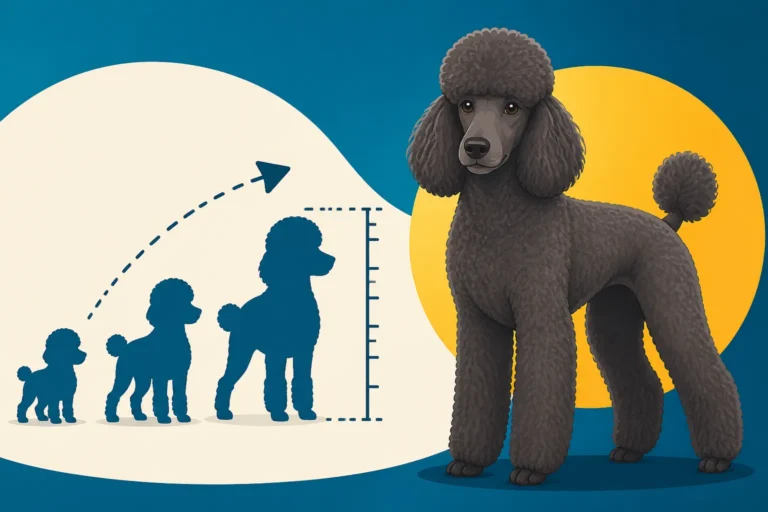
The Poodle Character
It's easy to look at a Poodle, with their often meticulously groomed coats and aristocratic bearing, and assume they're nothing more than a pampered show dog. But for those of us who live with these incredible canines, we know that beneath that elegant exterior lies a complex, deeply intelligent, and wonderfully quirky personality. This guide will take you beyond the stereotypes and into the heart of the Poodle character, helping you understand what truly makes them tick, their unique needs, and how to nurture their best qualities.
Beyond the Fluff: The Poodle's Deeply Sensitive Nature
Poodles aren't just intelligent; they are profoundly sensitive, often to a degree that surprises new owners. This isn't a weakness, but a core aspect of their personality that shapes every interaction and experience. Understanding this sensitivity is key to building a strong, trusting relationship with your Poodle.
Reading a Poodle's Emotional Cues
Poodles often get a bad rap for being "snooty" or "aloof," but beneath that elegant coat is a deeply feeling, highly perceptive dog. They pick up on human emotions with uncanny accuracy. If you're stressed, they know. If you're sad, they'll often try to comfort you. This isn't just a trick; it's a fundamental part of their being, allowing them to form incredibly tight bonds with their families.
Many owners describe their Poodles as "empathetic." They don't just react to your tone of voice; they respond to your entire demeanor. A sharp word isn't just a sound to them; it's a perceived rejection that can genuinely hurt their feelings. This sensitivity is why positive reinforcement training is so crucial for them; it respects their emotional depth and fosters a joyful learning environment.
Their emotional landscape is rich, and misunderstanding it can lead to misinterpretations. What might look like stubbornness could actually be anxiety or confusion. What appears to be "sulking" might be a Poodle genuinely feeling down or overwhelmed by a situation. Learning to recognize Reading Pain in a Sensitive Poodle is vital for truly understanding their needs and responding appropriately.
They often communicate their feelings through subtle body language – a slight head tilt, a softening of the eyes, a gentle nudge. Learning to read these nuanced signals will deepen your bond and help you understand their needs long before they escalate into more obvious, or even problematic, behaviors. It’s a language worth learning.
The Impact of Environment and Handling
Because Poodles are so sensitive, their environment and how they are handled profoundly shape their character. A Poodle raised in a chaotic, inconsistent, or harsh household can become timid, anxious, or even reactive. They thrive on routine, predictability, and gentle guidance, feeling most secure when they know what to expect from their world and their people.
Traditional, force-based training methods are particularly detrimental to Poodles. They don't respond well to intimidation or punishment. Instead of learning, they often shut down, become fearful, or develop avoidance behaviors that can be incredibly hard to undo. Owners often wonder Why Harsh Handling Breaks a Poodle – it's because their emotional processing is so finely tuned.
Conversely, Poodles that are raised with kindness, clear boundaries, and positive reinforcement blossom. They become confident, eager-to-please companions who are joyful participants in family life. Their intelligence makes them quick learners, but their sensitivity means they must feel safe, respected, and understood throughout the entire learning process.
Think of it like this: a Poodle is a finely tuned instrument. You wouldn't bang on a violin to make it play a beautiful melody; you'd use a delicate touch. The same goes for their temperament. Consistent, patient, and loving handling brings out their best qualities, fostering a resilient, confident, and incredibly happy dog.
The Poodle's Unrivaled Intelligence: A Gift and a Challenge
The Poodle's intelligence is legendary, consistently ranking among the smartest dog breeds. While this makes them incredibly trainable, it also comes with its own set of responsibilities for owners. A smart dog is a demanding dog, and understanding this is crucial for a harmonious household.
Understanding Their Quick Learning Curve
It's no secret that Poodles consistently rank among the most intelligent dog breeds. Stanley Coren's famous ranking places them second only to the Border Collie in terms of working and obedience intelligence. This isn't just about learning tricks; it's about their cognitive ability to understand complex commands, solve problems, and even anticipate your next move before you've fully thought it through.
This means they can learn a new command in as few as five repetitions, which is astounding. You might find yourself saying a new cue only a handful of times before your Poodle performs it flawlessly. This speed of learning is incredibly rewarding for owners interested in advanced obedience, dog sports, or even therapy work. It’s why Why Poodles Learn a Cue in Five Repetitions is so often discussed among Poodle enthusiasts.
However, this intelligence isn't always convenient. Poodles are not robots. They learn quickly, but they also learn strategically. They might learn to open doors, figure out puzzle toys in record time, or even understand which behaviors get them attention (positive or negative). They're constantly assessing, observing, and adapting to their environment and the people within it.
This also means they quickly learn your patterns and shortcuts. If you're inconsistent with a command, they'll learn the loophole. If they discover a way to get what they want that doesn't involve following your specific instruction, they'll often take it. Their cleverness can sometimes feel like they are Why a Poodle Invents Its Own Shortcuts to bypass your rules.
The Boredom Factor and Its Consequences
A Poodle with an idle mind is often a destructive Poodle. Their intelligence is a demanding trait; it requires constant engagement and mental stimulation. If they don't have appropriate outlets for their mental energy, they will absolutely create their own, and trust me, you probably won't like their chosen activities. This is precisely What a Poodle Does When Its Brain Is Idle.
Common signs of Poodle boredom include excessive barking, destructive chewing (especially on furniture or shoes), digging, counter-surfing, or even self-mutilation like excessive licking of their paws. They aren't doing these things to be "bad" or spiteful; they're simply trying to entertain their powerful brains and burn off pent-up mental energy.
This is why simple walks, while good for physical exercise, are rarely enough for a Poodle. They need mental challenges: puzzle toys, scent work, training sessions, or engaging dog sports. Interactive toys from reputable retailers like Chewy can be a lifesaver for busy owners, offering a constructive outlet for their innate problem-solving skills.
Investing in mental enrichment isn't a luxury; it's a necessity for a happy and well-adjusted Poodle. Regular short training sessions, even just 10-15 minutes a few times a day, can be more tiring for their brains than an hour-long walk. It helps keep them engaged, focused, and out of trouble, preventing many common behavioral issues.
The "Velcro" Poodle: Loyalty and the Risks of Over-Attachment
Poodles are celebrated for their unwavering loyalty and deep affection for their families. They often embody the true meaning of a companion animal, but this intense devotion also means owners need to be mindful of fostering independence to prevent over-attachment.
The Poodle's Deep Bond with Their People
Poodles are renowned for forming incredibly strong, almost inseparable bonds with their human families. They often become what is affectionately known as "Velcro dogs," preferring to be in the same room, if not directly next to or on you, at all times. This isn't just a quirky habit; it's a deep-seated desire for connection and companionship that stems from their sensitive and intelligent nature.
This means you'll often find your Poodle following you from room to room, settling at your feet while you work, or attempting to join you on the sofa (or even in the bathroom!). They thrive on being part of the action, observing, and participating in family life. For many owners, this constant companionship is one of the most endearing qualities of the breed; asking Why a Poodle Follows You to the Bathroom is a common, often chuckled-over, question among Poodle people.
This intense loyalty makes them wonderful, devoted pets. They are typically eager to please their chosen people and will work hard to understand what you want from them. This bond is built on trust and mutual respect, and once forged, it's incredibly strong and enduring. They truly see themselves as integral members of your pack.
However, this strong attachment also means that they can be prone to specific challenges if not managed carefully. It's a testament to their love, but it also requires thoughtful management from the owner's side to ensure it's a healthy relationship for both dog and human, balancing affection with necessary independence.
Navigating Separation Anxiety
The flip side of such intense loyalty is the potential for separation anxiety. Because Poodles love being with their people so much, being left alone can be a genuinely distressing, even panic-inducing, experience for them if they aren't properly acclimated. This isn't just a dog "misbehaving"; it's a genuine panic response rooted in their deep attachment.
Signs of separation anxiety can range from mild distress, like whining, pacing, or obsessive self-grooming, to severe behaviors such as destructive chewing (especially around exits like doors and windows), inappropriate urination or defecation, excessive barking, or even frantic attempts to escape their confinement. It's heartbreaking to witness and incredibly stressful for both dog and owner. Owners who've experienced it know exactly What a Panicking Poodle Does to the Door when left alone.
Proactive measures are absolutely key. From puppyhood, Poodles need to learn that being alone is okay and not a cause for alarm. This means starting with very short, incremental periods of alone time and gradually increasing the duration. Positive crate training can provide a safe, secure den for them, and offering engaging, long-lasting toys, like those found on Chewy, before you leave can also help create a positive association with your departure.
For adult Poodles exhibiting signs of separation anxiety, it's crucial to consult with a professional certified dog trainer or a veterinary behaviorist. They can help develop a desensitization and counter-conditioning plan to help your Poodle cope. Consistently leaving quietly, returning calmly, and avoiding making departures and arrivals a huge, emotional event can also help Teaching a Poodle That Leaving Is Ordinary rather than a crisis.
The Poodle as a Communicator: Barking, Alerts, and Vocalizations
Poodles are not shy about communicating, often using their voices to express themselves or alert their families. Understanding the nuances of their vocalizations, from alert barks to demand barks, is crucial for harmonious living.
The Poodle's Alerting Instinct
Poodles, across all three sizes, are known for being excellent watchdogs. This isn't necessarily a guard dog instinct, like a Rottweiler or German Shepherd, but rather a strong, inherent alerting behavior. They are incredibly observant and will usually let you know if someone is approaching the house, a leaf blows suspiciously past the window, or even if the mail carrier is just walking up the path. They consider it their job to inform you.
This innate desire to alert their family is deeply ingrained in the breed's history. After all, they were originally bred as working dogs, and part of that job would have involved being aware of their surroundings and signaling their human partners to anything unusual. For many owners, a Poodle's alert bark is a welcome signal, providing an early warning system for visitors or potential issues.
The challenge lies in teaching them when to stop barking. An uncontrolled alert bark can quickly become a nuisance, especially in close living quarters or apartment buildings. The goal isn't to silence them completely, but to teach them to bark a few times to alert you, and then to quiet down on command. Unmanaged, Poodle Alarm Barking can escalate quickly.
Managing this involves identifying the specific triggers, praising quiet behavior, and teaching a "quiet" cue. Sometimes, simply going to investigate whatever they're barking at, thanking them for their alert, and then redirecting them to a different, calmer activity can be effective. Consistency is key, as with all Poodle training, because their intelligence means they'll quickly pick up on any inconsistencies in your responses.
Nuisance Barking and How to Address It
While alert barking is a natural and often useful Poodle trait, continuous or inappropriate barking is often a symptom of an underlying issue rather than just a "noisy" dog. Common reasons for nuisance barking in Poodles include boredom, anxiety (especially separation anxiety), attention-seeking, frustration, or even underlying medical issues that need veterinary attention.
If your Poodle barks incessantly at every squirrel, passing car, or sound, it's essential to first identify the root cause. Are they getting enough mental and physical exercise throughout the day? Are they feeling anxious when left alone, or are they simply seeking interaction? Addressing these foundational needs is almost always the first and most effective step.
For Poodles who bark excessively at the window, managing their access to visual stimuli can be very effective. Curtains, frosted window film, or even strategically placed furniture can reduce their triggers. For Poodles barking for attention, ignoring the barking (as long as it's not destructive or anxiety-driven) and generously rewarding quiet behavior is vital to teach them a more desirable communication method.
Consistency is paramount. Everyone in the household needs to be on the same page regarding how to respond to barking. Using tools like puzzle feeders or long-lasting chews (many great, durable options are available from Chewy) to keep them occupied can also help reduce boredom barking. Remember, punishment rarely works for sensitive Poodles and can often worsen anxiety-related barking. Learning to manage Quieting a Poodle That Barks at the Window will significantly improve household peace.
The Social Poodle: Interactions with the World
A Poodle's social nature is often misunderstood, seen as either overly outgoing or aloof. In reality, their interactions are typically a nuanced blend of intelligence, sensitivity, and their inherent desire to assess situations before diving in.
Poodles and Strangers: Reserved or Welcoming?
Poodles tend to be somewhat reserved with strangers. This isn't typically aggression or fear, but rather a thoughtful, cautious approach. They'll often observe new people quietly, from a slight distance, before deciding if they're worthy of their trust and affection. This characteristic is a hallmark of the breed's discerning nature; they don't give their affection freely to just anyone.
Early and consistent socialization is absolutely critical to ensure a Poodle grows into a well-adjusted adult who is confident and polite around new people. Without proper, positive exposure to various sights, sounds, and types of people during their critical puppy socialization window, they can easily become overly wary, timid, or even reactive out of uncertainty. Socializing a Poodle Before It Turns Wary cannot be overstated.
When a Poodle decides to accept a stranger, they might offer a polite sniff, a gentle tail wag, or even a soft lean against their leg. Don't always expect an exuberant, jumpy greeting; Poodles are often too dignified for such displays, preferring a more understated acknowledgment. They choose their friends carefully, and once you're in their circle, you're usually in for life.
If your Poodle is overly fearful or reactive towards strangers, it's important to seek professional help from a certified dog trainer or behaviorist. This could be a sign of inadequate socialization or a deeper anxiety issue that needs specific intervention. Positive reinforcement methods focusing on building confidence and creating positive associations are always the most effective and humane approach for this sensitive breed.
Children and Other Pets in a Poodle Household
Poodles can be wonderful family dogs, especially with children, provided that both the dog and the children are taught how to interact respectfully and safely. Their playful nature and high intelligence make them excellent companions for kids who understand how to be gentle and kind, often engaging in games and antics with youthful family members.
It's vital to supervise all interactions between Poodles and young children, always. Teach children to respect the dog's space, especially when eating, sleeping, or enjoying a quiet moment. A Poodle might retreat or offer subtle warning signals if overwhelmed, and children need to understand and respect these boundaries. Teaching Children to Handle a Toy Poodle is especially important given the smaller size and potential fragility of the smaller varieties.
When it comes to other pets, Poodles generally integrate well into multi-pet households, particularly if introduced properly and gradually. Their retrieving instinct means they might enjoy playing chase with a cat, but typically without malice or harmful intent. Many Poodles live happily with other dogs, cats, and even smaller pets, often forming surprisingly strong bonds across species. A gradual A Poodle Puppy Meeting the Resident Dog approach ensures harmony.
Their intelligence means they often adapt quickly to the dynamics and hierarchy of a multi-pet home. However, individual personalities vary, and some Poodles might have a stronger prey drive than others, or a preference for being the sole canine companion. Always introduce new pets slowly and under close supervision, ensuring everyone in the household, furry or otherwise, feels safe and comfortable during the transition.
The Energetic and Playful Poodle: Exercise and Mental Stimulation
Beneath their often-regal exterior, Poodles are active, athletic dogs that need regular exercise and, just as importantly, significant mental stimulation. Ignoring these needs can lead to a restless, bored, and potentially destructive Poodle.
Daily Exercise Needs by Poodle Size
Despite their elegant appearance, Poodles are active dogs that require regular physical exercise. The amount and intensity of this exercise vary significantly depending on their size, but the fundamental need for activity is consistent across all varieties. Underestimating their energy levels is a common mistake for new owners, leading to restless behavior.
A Toy Poodle might be satisfied with a couple of brisk 15-20 minute walks a day, plus some enthusiastic indoor play sessions. Their small size doesn't mean they're couch potatoes; they still need to stretch their legs, explore their surroundings, and engage their senses. Consistent Daily Exercise for a Toy Poodle is crucial for both their physical health and mental well-being.
Miniature Poodles fall in the middle, generally requiring 30-45 minutes of moderate exercise daily, perhaps split into two sessions. They often enjoy longer walks, enthusiastic games of fetch in the yard, or even a good run at a secure dog park if they're well-socialized and comfortable in that environment.
Standard Poodles are the true athletes of the family. They need a minimum of 60-90 minutes of vigorous exercise every single day, often more, especially when young. This could include long, brisk walks, runs alongside a bike, swimming (which they typically adore, being water retrievers), or active games of fetch. A bored or under-exercised Standard Poodle can easily become destructive, excessively vocal, or problematic in other ways. Knowing How Far a Standard Poodle Should Walk can help you plan your routine.
The Importance of Play and Mental Games
As highly intelligent dogs, physical exercise alone is often not enough for a Poodle. They need their brains worked just as much, if not more, than their bodies. Without adequate mental stimulation, even a well-exercised Poodle can become bored, restless, and prone to creating their own (often undesirable) entertainment. This is why Why Walking Alone Bores a Poodle is a concept many owners struggle to grasp.
Incorporate interactive play into their daily routine. Games like fetch, hide-and-seek, or even teaching new tricks are fantastic ways to combine physical activity with mental engagement. Poodles excel in a wide array of dog sports, including agility, obedience, rally, and even dock diving or scent work, which can be immensely rewarding for both dog and owner. Dog Sports a Poodle Excels At showcases their versatility.
Puzzle toys, snuffle mats, and food-dispensing toys are excellent for mental enrichment, especially on days when weather limits outdoor activities or when you need to keep them occupied independently. Retailers like Chewy offer a fantastic selection of these types of enrichment toys, catering to different challenge levels and helping to stave off boredom.
Short, fun training sessions scattered throughout the day can also be incredibly stimulating. Teaching new commands, refining old ones, or even practicing silly tricks keeps their minds sharp and strengthens your bond. Remember, a tired Poodle, both physically and mentally, is almost always a happy, well-behaved, and content Poodle.
Training the Poodle: Leveraging Intelligence and Nurturing Sensitivity
Training a Poodle is a rewarding experience, but it requires an approach that respects their unique blend of high intelligence and deep sensitivity. The methods you choose will profoundly impact their willingness to learn and their overall character development.
Positive Reinforcement: The Only Way to Train a Poodle
Given the Poodle's remarkable intelligence and profound sensitivity, positive reinforcement is not just the preferred training method; it's truly the only consistently effective and humane way to train them. Force, intimidation, or harsh corrections will almost always backfire, leading to a shut-down, anxious, or resistant Poodle who has lost trust in their handler.
Poodles respond incredibly well to rewards – whether it's high-value treats (think small, soft, smelly ones that vanish quickly), enthusiastic praise, a favorite toy, or even a game of tug. They are inherently eager to please their beloved owners and quickly learn what behaviors earn them these desirable outcomes. Their speed of learning means you'll see results quickly with consistent positive methods, making training a joyful experience.
This approach builds trust and strengthens the bond between you and your Poodle, creating a willing partner in the learning process rather than a reluctant one. They don't just perform the behavior; they understand why they're doing it and genuinely enjoy participating, which is a key difference. Trying to mend things later and Rebuilding Trust With a Frightened Poodle is a far more arduous journey.
Tools like clickers can be incredibly effective with Poodles because of their precision and the way they clearly mark the exact moment of desired behavior. They quickly associate the click with a reward, making the learning process even faster and clearer for their intelligent minds, allowing them to pinpoint what you're asking of them.
Essential Early Training and Socialization
Early training and socialization are paramount for Poodles, even more so than for many other breeds, due to their combined intelligence and sensitivity. The period between 8 and 16 weeks of age is often referred to as a critical socialization window, where puppies learn about the world and form their lifelong impressions. Positive experiences during this time are invaluable.
Puppy classes are highly recommended. These provide a controlled, safe environment for your Poodle puppy to meet other dogs and people, experience new sounds and surfaces, and begin learning basic manners and obedience cues. It's not just about formal obedience; it's about building confidence, preventing fear-based behaviors, and setting a strong foundation for future learning. Understanding What a Poodle Puppy Should Meet by Sixteen Weeks is crucial.
House training and crate training should also begin immediately upon bringing your Poodle home. Poodles are generally fastidious and catch on quickly with consistent effort, but a strict schedule is key. Their sensitive bladder size (especially for Toy Poodles) means frequent potty breaks are absolutely essential, and patience is required. House Training a Toy Poodle is often a rapid success story with consistent effort.
Beyond formal training, make a conscious effort to expose your Poodle to as many positive experiences as possible: different people (wearing hats, glasses, with beards), various sounds (traffic, vacuums, children playing), and diverse environments (parks, pet-friendly stores, quiet neighborhoods). Each positive encounter helps them develop into a confident, resilient, and well-adjusted adult Poodle.
Poodle Quirks and Unique Traits: What Makes Them, Them
Beyond their intelligence and sensitivity, Poodles possess a collection of unique quirks and traits that make them truly stand out. From their playful antics to their deep-rooted heritage, these characteristics define the essence of the Poodle character.
The "Clown" of the Canine World
For all their regal appearance and often serious demeanor, Poodles have a wonderfully playful and often goofy side that endears them deeply to their families. They are frequently described as the "clowns" of the dog world, capable of charming and often hilarious antics that will make you laugh out loud. This lighthearted, playful spirit usually lasts well into their senior years.
They absolutely love to play games, chase toys with exuberant abandon, and engage in silly, interactive sessions with their people. You might find your Poodle doing sudden "zoomies" around the house, presenting you with a treasured (or sometimes completely random) object from around the home, or trying to initiate a game of tag in the yard. This lightheartedness is a delightful contrast to their sometimes serious and observant nature.
This playful nature also makes them fantastic candidates for trick training. Their intelligence means they pick up complex tricks quickly, and their desire to engage and entertain their people makes them enthusiastic participants. Teaching them to "bow," "spin," "weave through your legs," or "play dead" can be a wonderful, engaging bonding experience. Trick Training a Poodle is an area where they truly shine and connect with their inner performer.
Don't let their dignified, sophisticated look fool you. Beneath that dense, curly coat is a dog that loves to have fun, thrives on positive interaction, and genuinely loves to make you smile. They will often go to surprisingly great lengths to achieve that shared moment of joy and connection with their beloved human companions.
The Water Dog Instinct: From Hunting to Play
It's easy to forget, given their elegant show clips and often pampered image, that Poodles were originally bred as robust, resilient water retrievers. Their very name, "Pudel," comes from the old German word "puddeln," meaning "to splash." This deep-seated heritage is very much alive in their character today, manifesting in a strong love for water and a natural retrieving drive.
Many Poodles are natural, enthusiastic swimmers and will eagerly dive into lakes, ponds, or even just a backyard kiddie pool with joyous abandon. Their dense, curly coat is surprisingly water-resistant, providing excellent insulation in cold water, allowing them to remain comfortable even during prolonged water activities. If you have access to safe swimming spots, it's a fantastic way to exercise their bodies and minds. Water Work and the Poodle is something they naturally excel at and often thoroughly enjoy.
Their retrieving instinct is also incredibly strong. They love to carry things in their mouths, whether it's a favorite plush toy, a stick from the yard, or even the mail from the mailbox. This makes them excellent candidates for games of fetch and can even be channeled into useful tasks like bringing in the newspaper (if you still get one!) or carrying their own leash on a walk. Teaching a Poodle to Fetch and Deliver is often a surprisingly easy skill to instill.
This historical heritage reminds us that Poodles are not just pretty faces; they are capable, athletic dogs with a rich working history. Embracing these natural instincts through appropriate activities, whether it's dock diving, field training, or simply enthusiastic games of fetch, will make your Poodle a much happier, more fulfilled, and well-rounded companion.
Understanding the Poodle Character: A Snapshot
To help summarize the rich and multifaceted character of the Poodle, here’s a quick overview of their defining traits and what they mean for you as an owner.
| Trait | Description | Implications for Owners |
|---|---|---|
| Intelligence | Highly intelligent, quick learners, adept problem-solvers. | Needs consistent mental enrichment; prone to boredom and destructive behavior if under-challenged. |
| Sensitivity | Deeply emotional, perceptive, responsive to tone and human mood. | Requires positive, gentle reinforcement; harsh methods cause shutdown, fear, or anxiety. |
| Loyalty | Forms strong bonds with family, often exhibiting "Velcro dog" tendencies. | Prone to separation anxiety if not trained to cope with alone time from a young age. |
| Alertness | Excellent watchdogs, vocal about perceived threats or visitors. | Needs consistent training to manage nuisance barking; consistency is key to control. |
| Reserved | Cautious and observational with strangers, assesses before engaging. | Crucial to provide early, positive socialization to prevent timidity or wariness. |
| Playfulness | Goofy, fun-loving, enjoys interactive games and social engagement. | Benefits greatly from interactive play, trick training, and engaging dog sports. |
| Water Dog | Strong natural retrieving and swimming instincts from their heritage. | Loves water activities and fetch; great outlet for high physical and mental energy. |
Disclaimer
This article is for general informational purposes only and does not constitute professional advice. Laws, prices and regulations vary by location and change over time. Consult a qualified professional for guidance on your specific situation.