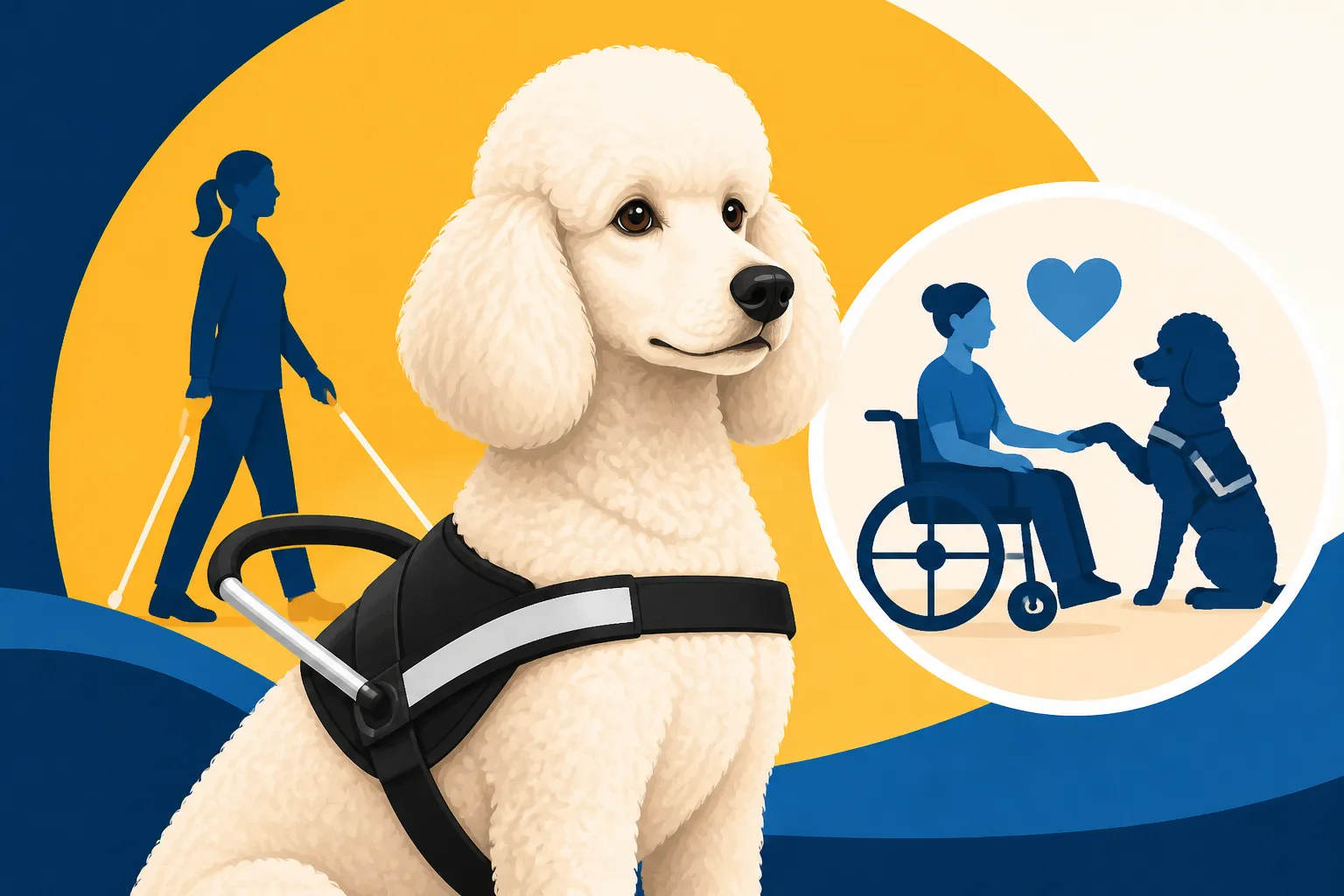
Poodles in Guide and Service Work
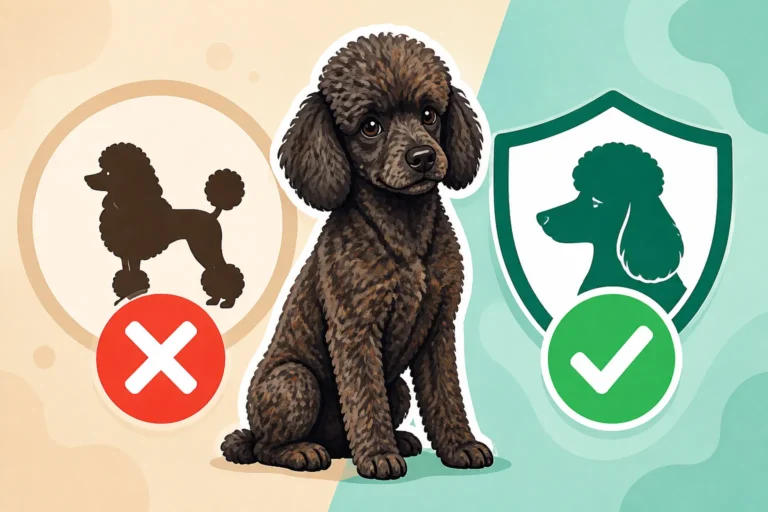
It’s easy to look at a Poodle, with their fancy clips and often aristocratic air, and think they're just pretty faces meant for the show ring or pampered laps. But that couldn't be further from the truth. These highly intelligent, deeply empathetic dogs possess a remarkable suite of qualities that make them absolutely outstanding in critical roles, offering life-changing support and independence. This guide is dedicated to shedding light on the incredible Poodles who dedicate their lives to guide and service work, helping us understand why they're not just capable, but truly excel.
Beyond the Show Ring: Why Poodles Excel as Service Dogs
The image of a Poodle often brings to mind perfectly coiffed show dogs, prancing around a ring with an air of superiority. While they certainly can rock a show clip, this perception completely overshadows their rich history as working dogs and their incredible suitability for tasks that demand far more than just good looks. When you strip away the fluff, you find a dog with a powerful brain, a sensitive heart, and a body built for purpose. It’s no wonder they are increasingly chosen for roles that require unwavering focus, adaptability, and a deep connection with their human partners. They truly embody the phrase "brains and beauty."
The Poodle's Unmatched Intelligence and Trainability
Anyone who has spent time with a Poodle quickly realizes just how sharp they are. They consistently rank among the most intelligent dog breeds, often second only to the Border Collie in many assessments. This isn't just about learning tricks quickly; it translates into an exceptional ability to understand complex commands, problem-solve on the fly, and generalize learned behaviors to new situations. For a service dog, this cognitive prowess is invaluable. They need to not only learn a vast vocabulary of cues but also interpret situations, make independent decisions, and adapt when things don't go exactly as planned.
Think about a guide dog navigating a busy city street. It's not just about stopping at curbs. It's about recognizing when a car is turning, identifying obstacles like scaffolding or an open manhole, and safely guiding their handler around them, sometimes anticipating dangers before the human even perceives them. This level of discernment requires intelligence, not just rote memorization. Poodles are known for their ability to read their handlers and the environment, often appearing to anticipate needs. Their desire to please, coupled with their sharp minds, makes them incredibly eager students, soaking up new information and refining their skills with impressive speed. This innate drive to learn and perform makes the training process, while still intensive, a much smoother journey. For more on their intellectual capabilities, check out The Poodle's Place in Dog Intelligence.
Temperament: Calmness, Focus, and Empathy
Intelligence alone isn't enough for a service dog. They also need a rock-solid temperament: calm, focused, and resilient in the face of distractions. Poodles, particularly Standard Poodles, typically possess these traits in spades. They are generally known for their dignified demeanor and their ability to remain composed in novel and stimulating environments. A service dog cannot be easily startled or distracted by squirrels, loud noises, or other dogs. They must maintain their focus on their handler and the task at hand, regardless of what's happening around them.
Furthermore, Poodles are incredibly empathetic and sensitive dogs. They form deep bonds with their handlers, often becoming exceptionally attuned to their emotional and physical states. This sensitivity is crucial for tasks like medical alert, where a dog might need to detect subtle changes in blood sugar, heart rate, or an impending seizure. They don't just perform tasks; they anticipate needs and offer comfort and support, often with an almost uncanny intuition. While they can be reserved with strangers, this trait often works in their favor, as it means they are less likely to be overly friendly or distracted by passersby, allowing them to remain dedicated to their handler. Their inherent Poodle Temperament and Sensitivity is a huge asset.
The Hypoallergenic Coat Advantage
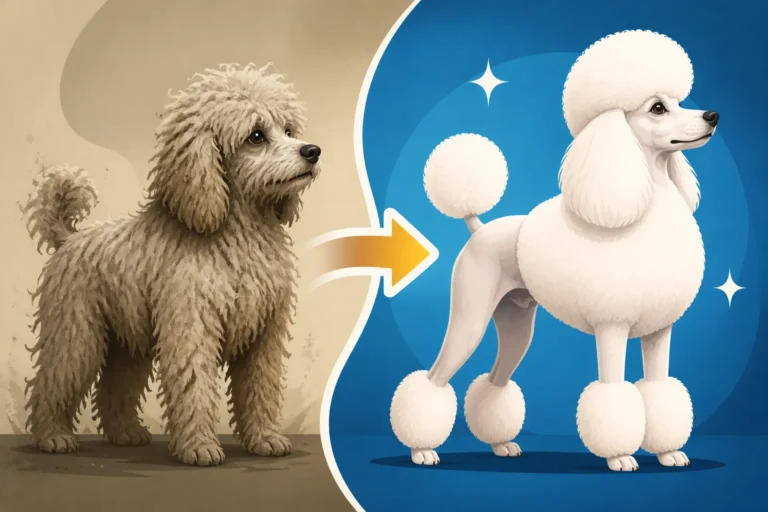
One of the most widely recognized benefits of the Poodle's coat is its hypoallergenic nature. While no dog is 100% hypoallergenic, Poodles shed minimally and produce less dander, making them a fantastic choice for individuals with allergies or asthma. This is a huge factor when considering a service dog, as the dog will be living in close quarters with its handler, often sharing beds and being present in homes and public spaces where allergies could be a serious concern. The Poodle's coat, which is technically hair rather than fur, continuously grows and requires regular grooming to prevent matting.
This means that while they don't shed tumbleweeds of hair, they do need consistent care to keep their coat healthy and manageable. Many service dog organizations opt for a shorter, low-maintenance clip for their Poodles to ensure comfort and ease of care for the handler, who may have mobility or dexterity challenges. Keeping their coat in good condition is vital not only for hygiene but also for the dog's comfort and ability to work effectively without skin irritation or uncomfortable mats. Regular brushing, even with a short clip, is still a must, and many owners find great grooming tools, from brushes to shampoos, on sites like Chewy.
Diverse Roles: Where Poodles Make a Difference
Poodles, thanks to their remarkable combination of intelligence, temperament, and coat, are not limited to just one type of service work. They shine in a wide array of roles, adapting their natural abilities to meet the unique needs of individuals with different disabilities. Their versatility is truly impressive, allowing them to provide independence and safety across various life situations.
Guide Dogs for the Blind
When people think of guide dogs, breeds like Labradors and Golden Retrievers often come to mind first. However, Standard Poodles have proven themselves to be exceptional guide dogs. Their intelligence allows them to quickly learn complex navigation routes, identify obstacles, and make safe decisions in dynamic environments. Their sturdy build, particularly that of a Standard Poodle, provides the physical support needed for a handler to lean on and follow confidently. They possess the stamina required for long walks and public outings, maintaining focus and concentration for extended periods.
Furthermore, their keen senses and alert nature mean they are quick to detect changes in their surroundings, whether it's an approaching curb, an unexpected obstacle, or a shift in traffic patterns. The bond between a guide dog and its handler is incredibly profound, built on trust and mutual reliance. A Poodle's natural desire to bond closely with its human partner strengthens this connection, making them not just a tool for navigation, but a truly devoted companion and protector. Learning about Training the Second Smartest Dog Breed gives insight into the foundation for such critical work.
Hearing Dogs and Alert Poodles
For individuals who are deaf or hard of hearing, Poodles can be invaluable as hearing dogs. In this role, their primary job is to alert their handler to important sounds they might otherwise miss. This could include a ringing doorbell, a smoke alarm, a crying baby, or even someone calling their name. The dog is trained to respond to each specific sound by making physical contact with their handler and then leading them to the source of the sound. The smaller Poodle sizes, such as Miniatures and Toys, are often excellent choices for this role due to their portability and ability to work discreetly in various home environments.
Their natural alertness and quick learning ability make them fast responders to auditory cues. The Poodle's sensitivity to their handler's needs also means they are often very effective at gauging when an alert is truly urgent versus a routine sound. Imagine missing the smoke alarm while sleeping; a hearing Poodle could be the difference between safety and danger. Products like puzzle toys available on Chewy can help keep their alert minds sharp when not actively working.
Medical Alert and Mobility Assistance
Poodles also excel in medical alert roles, where they are trained to detect subtle physiological changes that might precede a medical event. This can include diabetic alert dogs, who detect changes in blood sugar levels through scent, or seizure alert dogs, who can sometimes predict an impending seizure. Their keen sense of smell and their deep connection with their handlers allow them to pick up on these minute shifts, providing crucial early warnings that can allow their handler to take preventive measures or seek safety.
For mobility assistance, particularly for individuals with balance issues or who need light support, a Standard Poodle's strength and stable gait can be incredibly helpful. While they may not be suitable for heavy bracing like some larger breeds, they can assist with steadying a person, retrieving dropped items, or opening doors. Their careful and methodical nature means they approach these tasks with precision. What Owning a Poodle Actually Demands truly highlights the commitment required for these partnerships.
The Journey to Becoming a Service Poodle
Becoming a service dog is no easy feat. It's a lengthy and intensive process that starts from puppyhood and involves countless hours of training, socialization, and evaluation. For Poodles, while their natural aptitudes give them a head start, the journey still demands dedication, patience, and a carefully structured program to ensure they are fully prepared for the immense responsibilities they will carry.
Early Socialization and Puppy Foundations
The foundation of any successful service dog begins very early in life. Poodle puppies destined for service work undergo extensive socialization from a young age. This means exposing them to a vast array of sights, sounds, smells, people, and environments in a positive and controlled manner. They need to learn to be comfortable and confident in everything from bustling airports and crowded grocery stores to quiet medical offices and residential neighborhoods. Early exposure helps them develop resilience and prevents them from becoming fearful or reactive, traits that would disqualify them from service work.
During this crucial period, basic obedience is also instilled. They learn commands like "sit," "stay," "come," and "down" with impeccable reliability. Potty training is paramount, as is crate training, which provides them with a safe, comfortable space and teaches them to settle quietly when needed. These foundational skills are not just about manners; they are about building a dog's confidence, teaching them how to learn, and establishing a strong working relationship with their trainers and future handler. You can read more about building confidence and stability in Socializing a Poodle Before It Turns Wary. Providing enriching toys and durable chews, which can often be found on Chewy, is also a key part of their developmental stages.
Advanced Task Training and Public Access
Once the basic foundations are firmly in place, the Poodle moves on to specialized task training. This is where they learn the specific skills required for their intended service role. For a guide dog, this involves complex navigation, obstacle avoidance, and intelligent disobedience (refusing a command if it would put the handler in danger). For a medical alert dog, it’s about detecting specific scents or physiological changes. Each task is broken down into small, achievable steps, reinforced with positive methods, and practiced extensively until it is performed reliably under all conditions.
Parallel to task training is public access training. This involves teaching the Poodle how to behave appropriately in all public settings where they will accompany their handler. This means ignoring distractions, walking politely on a leash, settling quietly under tables, and refraining from sniffing merchandise or greeting strangers. Service dogs have legal rights to accompany their handlers in public, but with those rights comes the responsibility of impeccable behavior. This phase often involves mock scenarios and real-world outings with experienced trainers to ensure the Poodle is unflappable and focused, no matter the environment. The process of Training a Poodle That Outthinks You becomes crucial here, as their intelligence can lead them to try shortcuts.
The Importance of a Specialized Breeder
The journey to becoming a service Poodle often begins long before a puppy is even born. Reputable breeders who specifically breed for service or working lines play a critical role. They select breeding pairs not just for health and conformation, but primarily for temperament, trainability, and genetic stability. They conduct extensive health testing to screen for common Poodle ailments, ensuring that the puppies have the best possible chance at a long, healthy working life. This careful selection minimizes the risk of inherited health issues that could prematurely end a service dog's career.
These breeders also prioritize early neurological stimulation and early socialization practices for their puppies, giving them a head start in developing into resilient and confident adults. They understand the specific qualities needed for a service dog – a calm confidence, a biddable nature, and a strong work ethic. Choosing a puppy from such a breeder is paramount, as it sets the stage for success. Knowing What a Poodle Breeder Must Test For is essential for anyone considering a Poodle for service work, or even as a pet.
Choosing the Right Poodle for Service Work
Deciding to bring a service dog into your life, especially a Poodle, is a monumental decision. It requires careful consideration, not just of the dog's abilities, but also how their specific size, health, and personality will integrate into your life and address your unique needs. It's about finding the perfect partner to enhance your independence and quality of life.
Matching Size to Role Requirements
Poodles come in three distinct sizes: Standard, Miniature, and Toy. Each size offers unique advantages for different service roles.
- Standard Poodles: These are the largest, typically standing over 15 inches at the shoulder. Their size and strength make them ideal for roles requiring more physical assistance, such as guide work, light mobility support, or retrieving heavier items. They have excellent stamina and a calm, steady presence that can be very reassuring. However, their larger size means they take up more space, which can be a consideration in tight public areas or small living spaces.
- Miniature Poodles: Ranging from 10 to 15 inches tall, Miniatures strike a wonderful balance. They are large enough to be substantial, yet small enough to be highly portable and less imposing in public. This makes them excellent for hearing assistance, medical alert, or psychiatric service, where close proximity and discreet work are often preferred. They are still strong enough to retrieve smaller items and have excellent endurance.
- Toy Poodles: The smallest of the varieties, under 10 inches, Toy Poodles are perfect for tasks requiring extreme portability and discretion. They excel as medical alert dogs where their handler needs constant, close contact, or as hearing dogs in a home setting. Their small stature means they can easily accompany their handler everywhere, including in restrictive travel situations. However, their delicate build means they are not suitable for any mobility tasks involving bracing or pulling.
It's about finding the size that best supports your specific needs without adding unnecessary challenges. Thinking about Why Size Changes Which Diseases a Poodle Gets can also inform the decision, as some health concerns are more prevalent in certain sizes.
Health Clearances and Longevity
A service dog is a long-term commitment, and their health is paramount. No one wants to invest years of training and emotional attachment only to have a dog's career cut short by preventable health issues. This is why thorough health clearances from a reputable breeder are non-negotiable. Poodles, like all purebreds, are prone to certain genetic conditions, such as hip dysplasia, eye diseases like Progressive Retinal Atrophy (PRA), Addison's disease, and Von Willebrand's disease.
A responsible breeder will screen their breeding stock for these conditions through genetic testing and evaluations (like OFA for hips/elbows and CERF for eyes). They should be transparent about the health history of their lines and provide documentation. Choosing a Poodle from health-tested parents significantly increases the likelihood of a dog having a long, healthy working life. A healthy Poodle can serve for many years, providing invaluable support and companionship, which makes the initial investment in a well-bred puppy more than worth it. You can explore Genetic Panels for the Three Poodle Sizes to understand the range of tests available.
The Dedicated Handler-Poodle Partnership
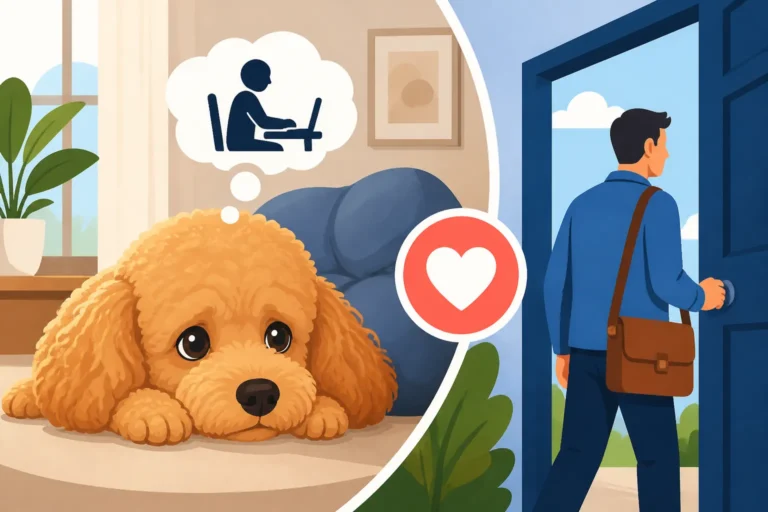
Ultimately, the success of a service Poodle partnership hinges on the bond and dedication between the handler and the dog. While the dog is a highly trained professional, they are also a living, feeling creature who thrives on connection, routine, and care. The handler must be committed to maintaining the dog's training, continuing their education, and providing for all their physical and emotional needs. This includes regular grooming, appropriate nutrition (many turn to Chewy for specialized diets), consistent exercise, and ongoing veterinary care.
It's a two-way street: the Poodle provides unparalleled service, and the handler provides a loving, stable home and continues to reinforce the dog's training and confidence. It's a relationship built on trust, respect, and deep understanding, where the Poodle often becomes more than just a service animal—they become an extension of their handler, a confidant, and an irreplaceable member of the family. This extraordinary partnership is what truly allows Poodles to shine in their vital roles.
Disclaimer
This article is for general informational purposes only and does not constitute professional advice. Laws, prices and regulations vary by location and change over time. Consult a qualified professional for guidance on your specific situation.