Height Limits That Divide the Three Poodles
One of the most common questions and sources of confusion for anyone looking into Poodles, or even just admiring them, revolves around their sizes. Is there a "miniature standard"? What about a "royal" Poodle? And don't even get me started on "Moyens"! It can feel like navigating a secret language trying to understand where one Poodle size officially ends and another begins. This guide is here to untangle that, laying out the clear, recognized height limits for Standard, Miniature, and Toy Poodles, and why these divisions are so important for owners and enthusiasts alike.
The Official Poodle Sizes: A Clear Definition
When we talk about Poodle sizes, we're talking about specific measurements established by kennel clubs around the world. These aren't just arbitrary numbers; they define the breed's distinct varieties, each with its own history, characteristics, and practical considerations for ownership. Understanding these official definitions is the first step in appreciating the wonderful diversity within the Poodle breed.
Standard Poodles: The Original Retriever
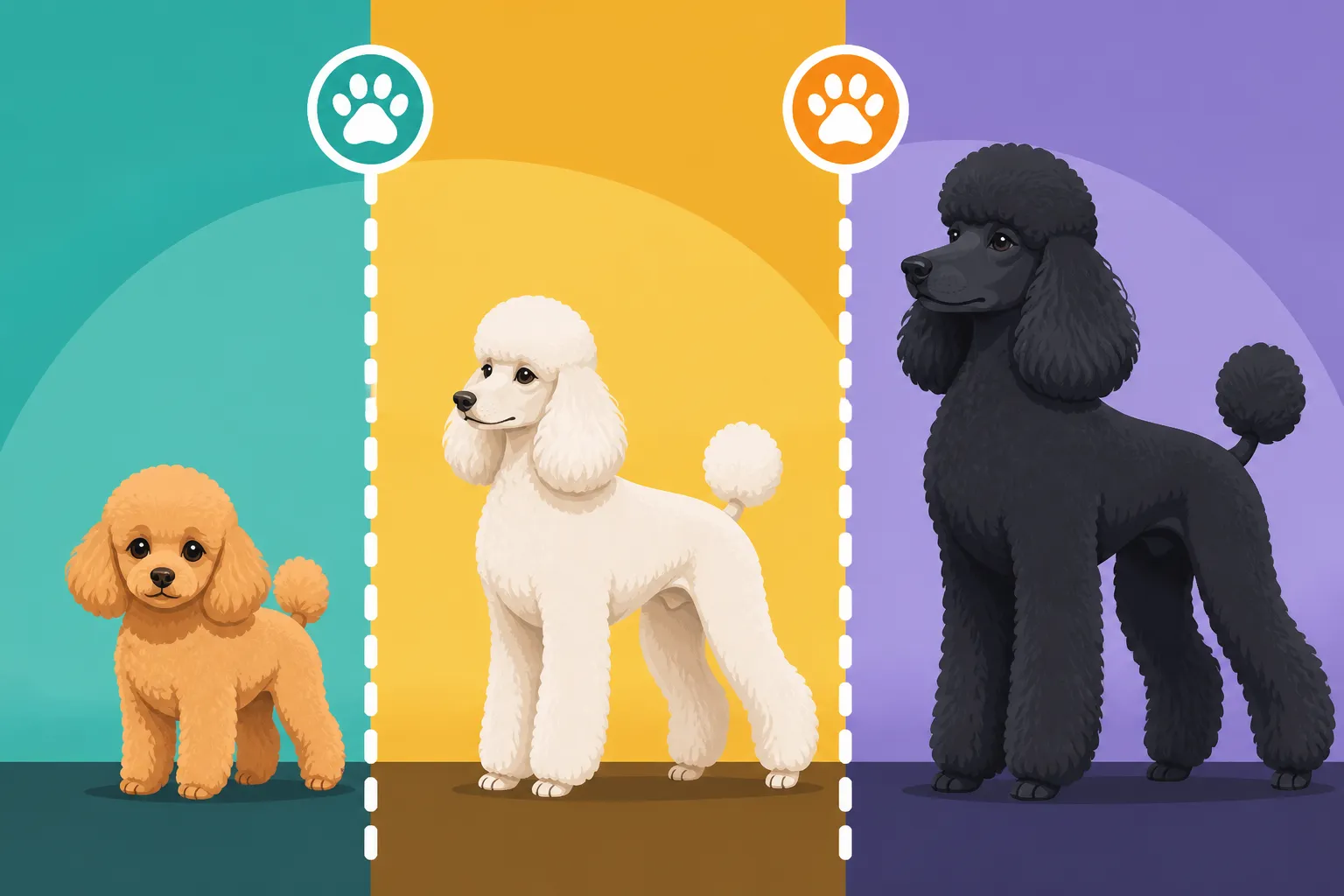
The Standard Poodle is the grand patriarch of the Poodle family, the original working dog from which all other sizes were eventually derived. These magnificent dogs are defined primarily by their height. For kennel clubs like the American Kennel Club (AKC) and the Fédération Cynologique Internationale (FCI), a Standard Poodle must be at least 15 inches tall at the highest point of the shoulder (the withers). There's typically no upper height limit, though most Standards fall into a range that makes them both powerful and agile.
Historically, these Poodles were bred for retrieving waterfowl, often in cold, harsh conditions. Their larger size allowed them to navigate marshy terrain, possess the stamina for long hunts, and have the strength to carry sizable game. This heritage means today's Standards retain that athletic build and impressive presence, standing tall and proud. Their substantial size means they have a significant stride and can cover ground with remarkable efficiency, a testament to their past as vigorous working dogs.
Miniature Poodles: The Perfect Mid-Size
The Miniature Poodle is the bridge between the robust Standard and the diminutive Toy. They were selectively bred from Standards to create a smaller, more manageable companion while retaining the Poodle's signature intelligence and elegance. According to official breed standards, a Miniature Poodle measures over 10 inches but under 15 inches at the withers. This specific range makes them a fantastic choice for many households, offering a blend of sturdy companionship without the sheer physical demands or space requirements of a Standard.
Miniatures carry themselves with the same confident air as their larger cousins, often possessing the same playful spirit and eagerness to learn. Their size makes them more adaptable to various living situations, from spacious homes to larger apartments, provided they get sufficient exercise. They are often perceived as robust enough to handle active families, yet compact enough to be easily transportable for adventures or vet visits. They embody the Poodle's refinement in a truly accessible package.
Toy Poodles: The Lap-Sized Companion
At the smallest end of the spectrum, we find the delightful Toy Poodle. These tiny Poodles were specifically bred down in size to be companion animals, fitting perfectly into laps and lavish urban lifestyles. The breed standard for a Toy Poodle dictates that they must be 10 inches or under at the withers. While they might be small in stature, they are enormous in personality, often brimming with confidence and an almost audacious charm.
Toy Poodles were once popular among nobility and in city dwellings where larger dogs were impractical. Their small size makes them incredibly portable, fitting into carriers for travel and often finding a comfortable spot curled up next to their human. Despite their delicate appearance, a well-bred Toy Poodle is not inherently fragile. They are active, intelligent, and just as keen on training and playtime as their larger relatives, though their exercise needs are naturally different. It's important to remember that their small size doesn't make them less of a dog; they require the same dedication to care, training, and socialization as any other Poodle.
Why These Height Limits Matter for Poodle Owners
Understanding the official height limits isn't just about winning ribbons in the show ring, though it's certainly a factor there. For everyday Poodle owners, these distinctions have tangible implications for everything from breed recognition to health expectations and daily care. Knowing where your Poodle falls within these official categories helps you anticipate certain needs and challenges.
Understanding Breed Standards and Registration
Breed standards are like the blueprint for a purebred dog, meticulously detailing what the ideal representative of that breed should look, act, and even move like. Height is a non-negotiable part of this blueprint for Poodles. Major kennel clubs, such as the AKC in the United States or The Kennel Club (KC) in the UK, use these height limits for registration and to ensure integrity within breeding programs. If a Poodle falls outside the accepted height range for its registered variety, it might not be eligible for conformation shows, even if it's otherwise a perfectly healthy and beautiful dog.
For breeders, adhering to these standards is crucial for maintaining the breed's characteristics and lineage. Reputable breeders will always breed within the established size categories, aiming for offspring that fit these dimensions. This ensures that when you get a "Standard" Poodle, it truly is a Standard Poodle, not a larger Miniature or an undersized Royal. It gives prospective owners a clear expectation of what their puppy will mature into, which is especially important for long-term planning regarding space, exercise, and even food.
Health Implications by Size
One of the most critical reasons these size divisions matter is the correlation between Poodle size and certain prevalent health conditions. While Poodles are generally a healthy breed, specific issues tend to show up more frequently in one size variety than another. This isn't a hard and fast rule, but it's a strong trend that wise Poodle owners should be aware of. You can learn more about this by reading Why Poodle Health Splits by Size.
For example, Standard Poodles, with their deep chests, are unfortunately more prone to Gastric Dilatation-Volvulus (GDV), often called bloat, which is a life-threatening condition. They also have a higher incidence of Addison's Disease, an autoimmune disorder. On the other end of the spectrum, Toy Poodles, due to their smaller, more delicate bone structure, are more susceptible to conditions like luxating patella (slipping kneecaps) and collapsing trachea, a respiratory issue often characterized by a distinctive honking cough. They can also be prone to Hypoglycemia in a Toy Poodle Puppy if not fed frequently enough in their early months. Miniature Poodles, while still susceptible to some breed-specific issues like idiopathic epilepsy, often sit in a "sweet spot" with a slightly lower incidence of the severe conditions seen in either extreme. Knowing your Poodle's size helps you and your veterinarian be proactive about potential health concerns.
Practical Considerations for Daily Living
Beyond health and show rings, height and size profoundly impact the day-to-day reality of living with a Poodle. Everything from how much food they eat to how much space they need and even the cost of routine services can vary dramatically between the sizes. These are the kinds of practical details that can make or break a happy ownership experience.
Consider daily exercise: a Standard Poodle requires significant outdoor activity, often needing an hour or more of vigorous movement daily. You can explore Daily Exercise for a Standard Poodle for more details. In contrast, a Toy Poodle can often meet its exercise needs with shorter walks and indoor play, a topic covered in Daily Exercise for a Toy Poodle. Grooming is another huge factor; while all Poodles need regular grooming, the sheer volume of coat on a Standard Poodle means longer brushing sessions, more shampoo, and higher professional grooming costs compared to a Toy Poodle. Checking Professional Grooming Costs by Poodle Size will give you an idea of the varying expenses. Even finding a crate or dog bed can be a size-specific challenge. For anything from extra-large orthopedic beds to tiny travel carriers, online retailers like Chewy offer a vast array of options to fit every Poodle size, ensuring comfort and convenience for your furry friend no matter their dimensions.
The "Moyen" or "Klein" Poodle: A European Nuance
The term "Moyen Poodle" or "Klein Poodle" often pops up in discussions about Poodle sizes, adding another layer of confusion for those accustomed to the Standard, Miniature, and Toy classifications. This "fourth" size isn't officially recognized by many major kennel clubs in North America, but it holds a legitimate place in Europe.
Defining the In-Between Size
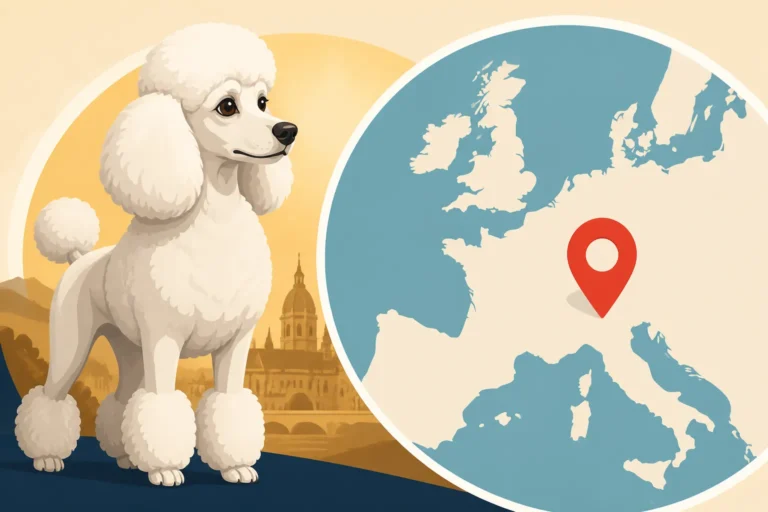
In Europe, particularly in countries like France and Germany, the Poodle breed is traditionally divided into four size categories, not three. The "Moyen" (French for "medium") or "Klein" (German for "small") Poodle fills the gap between the Miniature and Standard Poodles. Typically, a Moyen Poodle stands between 15 and 20 inches at the shoulder. This size range places them right at the lower end of the Standard Poodle classification in countries that only recognize three sizes, or sometimes just slightly above the Miniature cutoff.
Many enthusiasts of the Moyen Poodle describe them as having the best of both worlds: a robust build reminiscent of the Standard, but in a slightly more compact and manageable size than the largest Standards. They are often praised for their versatility, being large enough for active pursuits but not so large that they overwhelm smaller living spaces or require extensive accommodations for travel.
Why the Discrepancy in Recognition
The reason for the difference in recognition largely comes down to historical classifications and national kennel club traditions. While European kennel clubs have maintained four distinct Poodle sizes, American and British kennel clubs, for example, merged what would be the Moyen into either the Miniature or Standard categories over time. A Poodle that would be considered a Moyen in Europe is generally registered as a Miniature or a small Standard Poodle in North America, depending on where its height falls within the 10-15 inch or 15-inch-and-up categories.
This discrepancy can lead to some misunderstandings and even frustration for owners who specifically seek a Moyen Poodle in regions where it's not a recognized class. It doesn't mean the dog isn't a purebred Poodle, but simply that its classification aligns with the local kennel club's established structure. It's a fascinating example of how cultural and historical factors can shape breed standards globally. You can delve deeper into this topic by reading The Moyen or Klein Poodle in Europe.
Finding a "Moyen" and What to Expect
If you're in North America and looking for a "Moyen" Poodle, you'll likely be searching for a Poodle that falls at the larger end of the Miniature spectrum (closer to 15 inches) or the smaller end of the Standard spectrum (just over 15 inches). It's crucial to work with a reputable breeder who prioritizes health and temperament, regardless of what they call the size of their Poodles. Always inquire about health testing for the parents, which is vital for all Poodles, regardless of their specific size.
Be aware that puppies marketed specifically as "Moyen Poodles" by breeders in non-Moyen-recognizing countries might sometimes come with a higher price tag due to their perceived rarity or novelty, but they will still be registered as either a Miniature or a Standard based on their mature height. It's important to understand that while the size might be appealing, the official classification remains one of the established three. Focus on finding a healthy, well-socialized Poodle from a breeder transparent about their dogs' lineage and health clearances, and remember that Chewy offers a wide range of products for all Poodle sizes, whether you call them Standard, Miniature, Toy, or somewhere in between.
How Breeders Work with Height and Size
Breeding dogs to specific height standards is a meticulous and complex endeavor. Reputable Poodle breeders invest significant time and effort into understanding genetics, lineage, and the characteristics of their breeding stock to produce puppies that meet the desired size, health, and temperament standards. It's far more than just pairing two Poodles together.
Breeding for Size and Type
For a breeder aiming to consistently produce Poodles within a particular size category (Standard, Miniature, or Toy), the selection of breeding pairs is paramount. They will consider the height of both parent dogs, their ancestors, and the historical trend of their lines. Genetic markers and pedigree research play a significant role in predicting the likely size of offspring. It's not uncommon for breeders to specialize in one size variety to maintain consistency in their program, focusing on health and conformation specific to that group.
Beyond just height, breeders are also looking for "type" – the overall look, structure, and movement that defines the Poodle breed. This means selecting dogs that are not just the right size, but also possess the correct coat texture, elegant proportions, and classic Poodle expression. This holistic approach ensures that the Poodles produced are not just correctly sized, but also true to the breed's ideal. This diligence in selecting breeding stock is a hallmark of responsible breeding practices, and it's what ensures the health and quality of the Poodles we welcome into our homes. For a deeper dive into what ethical breeders consider, check out What a Poodle Breeder Must Test For.
Predicting a Poodle Puppy's Adult Height
One of the most exciting, yet sometimes nerve-wracking, aspects of bringing home a Poodle puppy is wondering just how big they'll get. While breeders can make educated guesses, predicting an exact adult height for a Poodle puppy isn't an exact science, as genetics can sometimes throw a curveball. Most breeders will base their predictions on the size of the puppy's parents, grandparents, and other dogs in their pedigree. They'll also observe the puppy's growth rate and sometimes use formulas based on paw size or weight at certain ages, though these are approximations.
It's common for Poodle growth to be quite rapid initially, then slow down. Standard Poodles, for example, often do most of their growing in their first year. Toy Poodles can reach their adult height much sooner. Even with the best predictions, a puppy might grow a little taller or shorter than anticipated. This is simply the nature of living creatures and something to be prepared for. Embracing the slight variations is part of the joy of puppy ownership. For more detailed information on predicting adult size, read Predicting an Adult Poodle's Height.
When a Poodle Falls Between Sizes
Sometimes, despite a breeder's best efforts and careful planning, a Poodle might mature to a height that places it right on the cusp between two official size categories, or even slightly outside the recognized range. For example, a Poodle intended to be a Miniature might mature at 15.5 inches, technically making it a small Standard. Or a Toy Poodle might grow to 10.5 inches, putting it just over the Toy limit.
These "in-between" Poodles are no less wonderful or less purebred than their perfectly categorized counterparts. While they might not be ideal for the conformation show ring, they make equally loving, intelligent, and healthy companions. For a pet owner, a Poodle that's a touch taller or shorter than the official guidelines makes absolutely no difference to their ability to bring joy and companionship into a home. It simply means they might have a unique charm! The most important thing is that the Poodle comes from health-tested parents and has a good temperament, which are qualities independent of a precise inch measurement.
The Impact of Size on Poodle Temperament and Lifestyle
It's a common assumption that a dog's size dictates its personality or how it fits into a household. While there are some practical differences in how we manage dogs of different sizes, the core Poodle temperament generally shines through, regardless of whether they're tiny or towering. However, lifestyle choices and expectations often shift significantly with size.
Do Temperaments Differ by Size?
The Poodle is renowned for its exceptional intelligence, trainability, and often a quirky sense of humor. These traits are deeply ingrained in the breed's character, regardless of its size. Whether you have a Standard, Miniature, or Toy Poodle, you can generally expect a dog that is bright, eager to please, and deeply devoted to its family. They are all highly sensitive animals who thrive on positive reinforcement and can shut down if handled harshly.
However, perceived differences in temperament often arise from how humans interact with dogs of varying sizes. A Toy Poodle might be more prone to being babied, carried everywhere, and perhaps not given the same rigorous training or socialization as a Standard. This can sometimes lead to what's known as "small dog syndrome," where a dog becomes overly yappy or nippy due to a lack of boundaries, not because of its inherent nature. A well-socialized and properly trained Poodle of any size will typically display the breed's characteristic confidence and joyful spirit. Whether Size Changes a Poodle's Character is a fascinating read on this topic.
Matching Poodle Size to Your Life
Choosing the right Poodle size isn't just about what's cutest; it's about finding the best fit for your home, lifestyle, and capabilities. This is where practicality truly meets passion. A Standard Poodle, with its impressive size and substantial energy levels, thrives in a home where it can have ample space, regular vigorous exercise, and a "job" to do, whether that's advanced training, dog sports, or long hikes. They might not be the ideal choice for a small apartment with minimal outdoor access, though exceptions exist for highly dedicated owners.
On the other hand, a Toy Poodle is incredibly adaptable to apartment living and urban environments. Their exercise needs are easily met with shorter walks and indoor play, and their portability makes them wonderful travel companions. Miniature Poodles often offer a fantastic compromise, being robust enough for active families but small enough to be less demanding on space than a Standard. Ultimately, Whether a Poodle Fits the Life You Have depends on an honest assessment of your home, your schedule, and your commitment to meeting the specific needs of each size.
Grooming and Care Considerations Across Sizes
While all Poodles demand significant grooming due to their continuously growing, non-shedding coats, the sheer scale of the task (and expense) shifts dramatically with size. The fundamental techniques of grooming remain the same across all varieties – line brushing to the skin, careful bathing, thorough drying, and regular clipping – but the time commitment and product usage increase exponentially with larger dogs.
A Toy Poodle can often be brushed and bathed in a fraction of the time it takes for a Standard Poodle. The cost of professional grooming appointments, shampoos, conditioners, and even the necessary grooming tools will naturally be higher for a Standard due to the larger amount of coat and longer working hours required. You can learn more about proper brushing techniques in Brushing a Poodle to the Skin and get a sense of the time commitment involved by reading How Long Brushing a Standard Poodle Takes. Even mundane items like nail clippers or dental chews from Chewy will come in specific sizes tailored to ensure safety and effectiveness for your Poodle, whether you're tending to tiny Toy Poodle paws or sturdy Standard Poodle nails. Regardless of size, all Poodles benefit from consistent care, which is crucial for their health, comfort, and signature good looks.
| Poodle Size | Height at Withers | Approximate Weight | Typical Lifespan | Common Health Concerns | Living Space Suitability | Grooming Demands (Time/Cost) |
|---|---|---|---|---|---|---|
| Toy | 10 inches and under | 4-8 pounds | 10-18 years | Luxating patella, collapsing trachea, hypoglycemia, dental disease | Apartments, small homes, highly portable | Moderate to High (less time per session, more frequent clips) |
| Miniature | Over 10 inches, under 15 inches | 10-15 pounds | 10-18 years | Idiopathic epilepsy, luxating patella, eye conditions | Apartments, homes, adaptable | High (significant coat, regular brushing/clipping) |
| Standard | 15 inches and over | 40-70 pounds (females), 60-80 pounds (males) | 10-15 years | Bloat (GDV), Addison's Disease, hip dysplasia, sebaceous adenitis | Homes with yards, active lifestyles | Very High (long sessions, higher professional fees) |
Note: Lifespan can vary greatly by individual Poodle. More details can be found in Poodle Lifespan Across the Three Sizes.
Disclaimer
This article is for general informational purposes only and does not constitute professional advice. Laws, prices and regulations vary by location and change over time. Consult a qualified professional for guidance on your specific situation.