Why a Working Poodle Was Clipped at All
Have you ever looked at a Poodle, perhaps one decked out in a fancy show clip with those characteristic puffs of hair, and wondered who first thought that was a good idea? It's easy to assume such elaborate grooming is purely for aesthetics, a relic of aristocratic whims. But the truth is far more practical, rooted in the breed's original, demanding job as a water retriever. This guide will dive deep into the fascinating history behind the Poodle's unique clip, revealing how every shaved section and every fluffy pompom once served a vital purpose for a hard-working dog.
The Poodle's Original Job: A Water Retriever
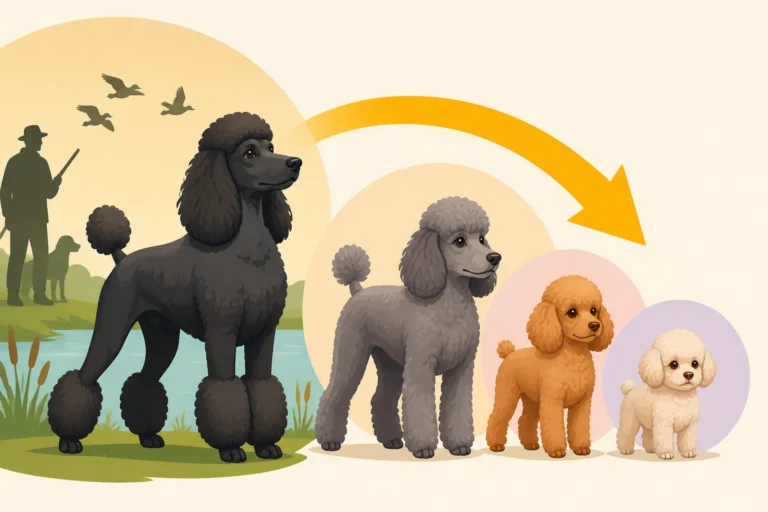
Before Poodles graced European palaces or impressed audiences in circuses, they were tough, athletic working dogs. Their name itself, deriving from the German word "Pudel" meaning "to splash," gives us a huge hint about their intended purpose. These weren't dainty lapdogs; they were hardy water dogs, bred to plunge into icy lakes and muddy rivers to retrieve waterfowl for hunters.
From German Water Dog to French Icon
The Poodle's ancestry is often debated between Germany and France, but regardless of its precise origin point, its role was clear: to retrieve. Imagine the scene: a hunter waiting by a marshy lake, and a Poodle, eager and focused, ready to spring into action. These dogs needed to be agile, strong swimmers, and possess a thick, curly coat that could protect them from the elements while allowing for efficient movement. They had to be smart enough to understand complex commands and persistent enough to brave harsh conditions. Their natural retrieving instinct was paramount, a trait still cherished by Poodle owners today. You might even find yourself pondering Why the Poodle's Name Means to Splash when you see your own Poodle diving into a kiddie pool!
Navigating Icy Waters and Dense Reeds
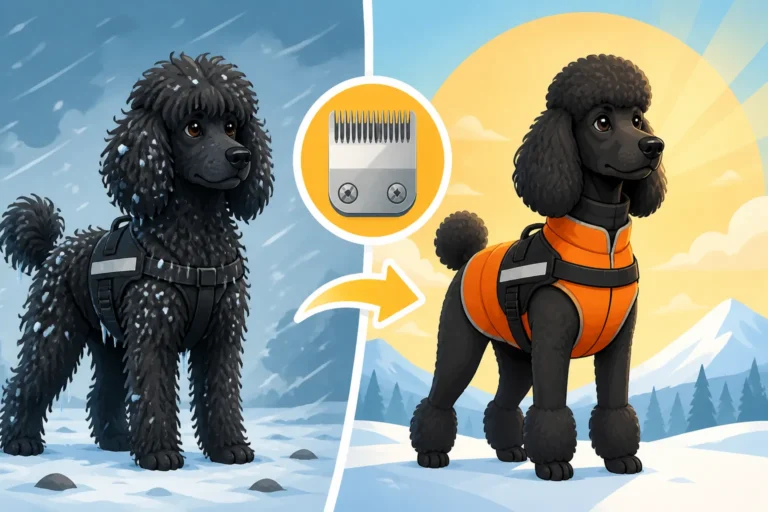
Think about the environment a working Poodle faced. We're talking about cold, often freezing water, dense underbrush along the banks, and the constant risk of injury from debris or sharp reeds. A Poodle's coat, while excellent for insulation, could become a significant liability if left untrimmed. Picture a thick, long, woolly coat becoming waterlogged and heavy, making swimming exhausting. Or consider burrs, twigs, and mud clinging to the long hair, creating painful mats that would snag on every piece of vegetation. This isn't just about comfort; it's about survival and performance. A Poodle's ability to effectively retrieve a bird meant navigating these challenges swiftly and safely. A hunter relied on their dog to bring back game quickly, which meant minimizing anything that would hinder the dog's movement or tire it out unnecessarily. The Poodle's job was literally to fetch food for the table, often in conditions that would make most modern pet dogs shiver.
Function Over Fashion: The Practicality of the Clip
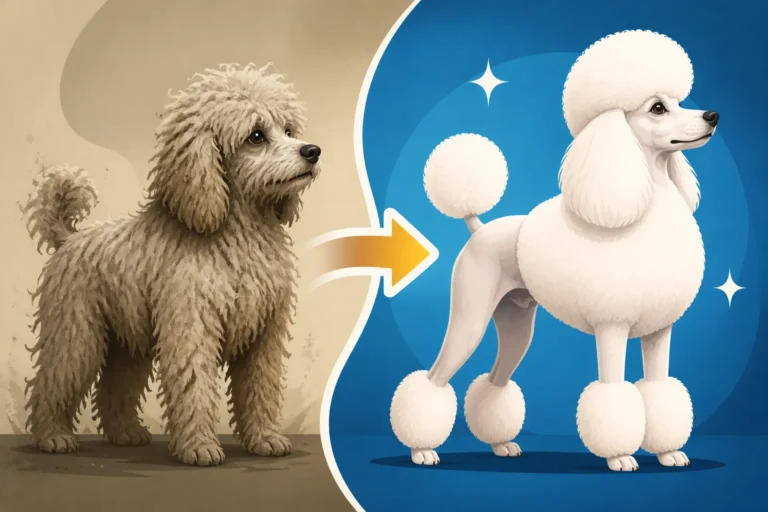
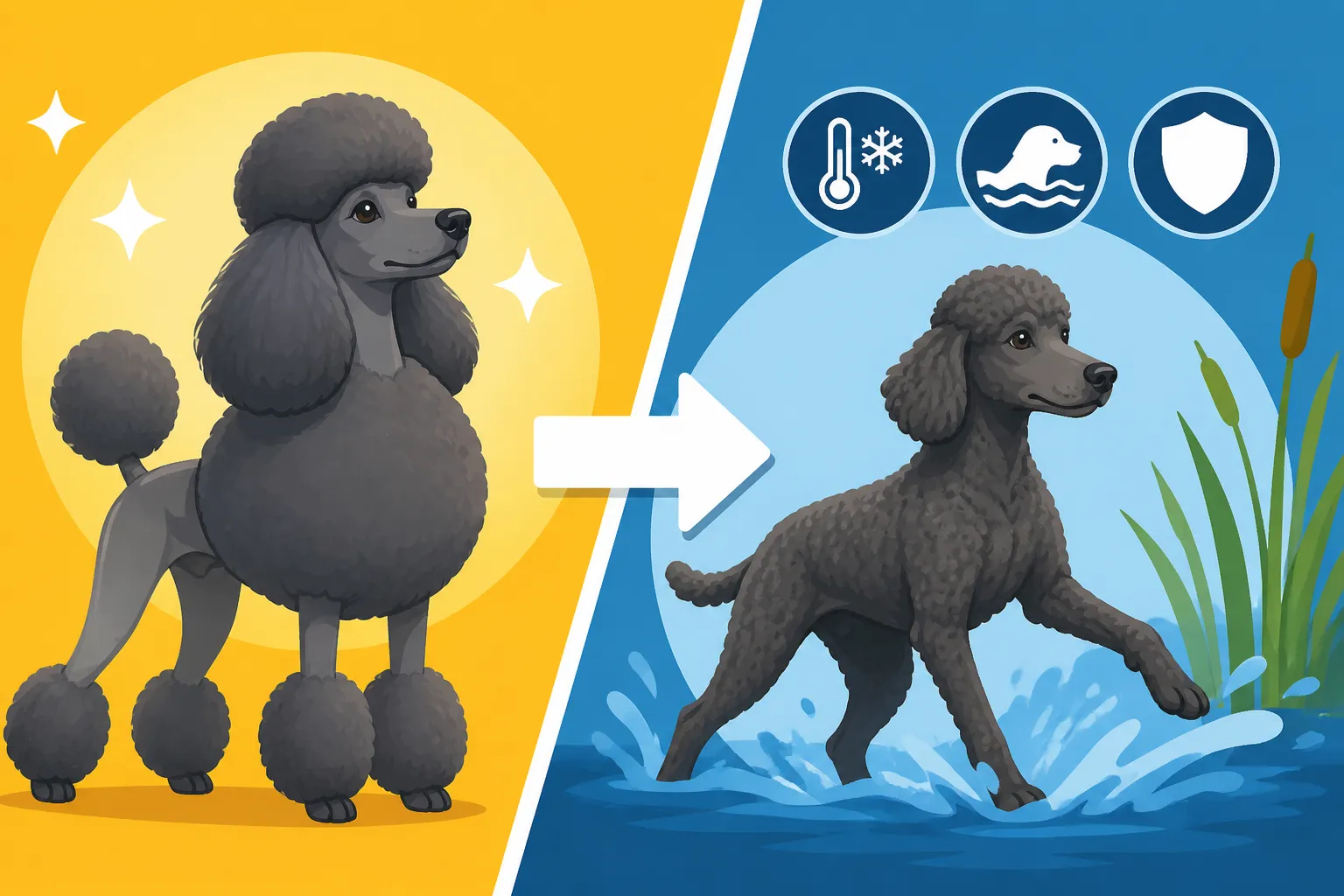
The iconic Poodle clip, initially, was a purely practical solution to the challenges of water retrieval. It was born from necessity, not vanity. Every shaved section and every tuft of hair had a specific, functional reason behind it. It was about creating an optimal design for a working athlete. This is why the working clip is so fascinating – it’s a testament to human ingenuity in adapting a dog to its environment and task.
Protecting Vital Organs and Joints
The most striking feature of a Poodle's traditional working clip is the areas of dense hair left on the chest, hips, and joints. These aren't random puffs; they are strategically placed insulators. The chest area, in particular, was kept fully coated to protect the dog's vital organs from the chilling effects of cold water. Imagine plunging into icy water repeatedly; that thick coat acted like a natural wetsuit, retaining body heat where it was most needed. Similarly, the "rosettes" or puffs of hair often seen around the hips and on the leg joints – sometimes called "bracelets" – weren't just decorative. They served to protect the large joints, like hips and elbows, from the cold and potential injury. Joints are susceptible to stiffness and pain when exposed to extreme cold, which could severely impact a retrieving dog's agility and stamina. By leaving these areas protected, the Poodle could maintain its flexibility and comfort, even after multiple retrieves. If you're curious about the specifics, you can learn more about Which Parts of a Poodle the Clip Protected.
Reducing Drag and Preventing Matting
While certain areas needed protection, other parts of the Poodle's body were completely shaved down for efficiency. The rationale was simple: less hair equals less drag in the water. A waterlogged coat would not only be heavy but would create significant resistance, making swimming harder and slower. By shaving areas like the hindquarters, belly, and upper legs, the Poodle could glide through the water with far less effort, conserving precious energy for the actual retrieve. Think of it like a swimmer wearing a sleek, form-fitting swimsuit versus a bulky, loose one.
Beyond hydrodynamics, shaving also solved a major grooming headache: matting. The Poodle's dense, curly coat, while non-shedding, is highly prone to matting, especially when wet and exposed to debris. Leaving the legs and underbelly shaved prevented mud, burrs, and reeds from getting tangled in the hair, which would otherwise form painful, tight mats. These mats could restrict movement, pull on the skin, and even cause skin infections. After a long day of hunting, a shaved Poodle was much easier to clean and prepare for the next day's work, saving the hunter time and the dog discomfort. This practical aspect is crucial for owners even today; it's why regular grooming is so vital. You can find excellent grooming tools at places like Chewy that make keeping your Poodle mat-free a little easier.
The Original "Pompoms" – More Than Just Decorative
Ah, the pompoms! Those fluffy spheres on the tail and sometimes on the ears or wrists are perhaps the most distinctive and often-mocked feature of a show Poodle. But guess what? They, too, had a job to do. The pompom at the tip of the tail served a crucial purpose in visibility. In murky water or dense reeds, a hunter needed to know where their dog was, especially when it was swimming back with retrieved game. The brightly colored or naturally contrasting tail pompom acted as a marker, a floating beacon guiding the hunter's eye to their dog. It was like a little flag indicating the Poodle's location.
Similarly, small puffs of hair sometimes left on the ears or head could also aid in visibility or provide minimal warmth to sensitive areas. These weren't arbitrary aesthetic choices; they were tactical additions to a functional design. The fact that these practical elements evolved into stylized, sometimes exaggerated, features in the show ring simply highlights how form can follow function, then take on a life of its own. It's fascinating to consider Whether Poodle Pompoms Had a Purpose beyond looking adorable.
The Evolution of the Clip: From Work to Show Ring
Over time, as firearms became more efficient and fewer people relied on hunting dogs for sustenance, the Poodle's primary role shifted. They were already known for their intelligence and agreeable temperament, making them excellent companions. This transition from a rugged working dog to a beloved pet and, eventually, a glamorous show dog, profoundly influenced the evolution of their signature clip.
The Rise of Poodles as Companions and Performers
The Poodle's innate intelligence, athleticism, and trainability made them natural performers. They quickly found their way into circuses, theatrical acts, and even as street performers across Europe. Their ability to learn complex tricks and their striking appearance, often enhanced by elaborate grooming, made them crowd favorites. As they moved from the wetlands to the stage, the functional aspects of their clip started to blend with artistic expression. Trainers and owners began to experiment with more decorative styles, enhancing the Poodle's natural elegance and playful spirit. This era was pivotal in cementing the Poodle's image as a sophisticated and capable dog. It wasn't long before they became favorites of the aristocracy, solidifying their status as companions of distinction. You can read more about this fascinating transition in Poodles in Circuses and Performance.
Standardizing the Show Clip
With the advent of dog shows and breed clubs, the Poodle's clip began to be standardized. What was once a practical working cut was refined and exaggerated into the various show clips we see today, most famously the Continental Clip. The protective puffs on the joints and tail became more stylized, sculpted to create dramatic silhouettes that highlighted the Poodle's elegant structure and impressive coat. The Continental clip, with its shaved hindquarters, full mane, and bracelet puffs, is a direct descendant of the working clip, yet it has been transformed into a work of art.
Judges looked for precise shaping, balance, and a clear demonstration of the Poodle's magnificent coat quality. Maintaining these intricate clips became a serious commitment for owners, demanding hours of precise grooming. While the original purpose faded, the form of the clip remained, a beautiful nod to the breed's origins. It's truly a sight to behold, but keeping it pristine takes immense dedication. If you’ve ever seen a Poodle in a full Continental clip, you’ll know it’s a statement! This evolution is particularly interesting when you consider When the Continental Became a Poodle Show Clip.
Maintaining the Working Spirit in Modern Clips
Even today, when most Poodles are beloved family pets rather than active retrievers, the echoes of their working past can be seen in common pet clips. The "Sporting Clip," for instance, keeps the body hair shorter, resembling a less exaggerated version of the original working cut. This clip leaves enough hair for protection and warmth but is short enough to be practical for an active dog that enjoys swimming, hiking, or just getting a little messy in the park. It's a wonderful blend of functionality and modern pet ownership convenience.
Many pet Poodle owners opt for clips that prioritize ease of maintenance and the dog's comfort over strict show ring adherence. These often involve uniform shorter lengths all over the body, known as a "Kennel Clip" or "Utility Clip," or a slightly longer "Lamb Clip." Even these simpler styles, however, still require regular brushing and trimming to prevent mats, which is a direct consequence of that dense, non-shedding coat that originally evolved for insulation in water. Whether you choose a fancy show clip or a simple pet trim, understanding the Poodle's coat is essential for their health and comfort. The Sporting Poodle Clip for a Busy House highlights how practical choices still connect to the Poodle's athletic nature.
Modern Poodles and the Echoes of Their Past
Today's Poodles are often seen as sophisticated, intelligent companions, excelling in dog sports, therapy work, or simply as cherished family members. While most won't be retrieving ducks from icy ponds, their historical purpose still informs how we care for them, particularly when it comes to grooming and exercise. Their unique coat and active minds are direct links to their working heritage.
Grooming for Health and Comfort
The Poodle coat never stops growing and doesn't shed in the traditional sense, meaning dead hair gets trapped in the curls, leading to matting if not properly maintained. This characteristic, which was a challenge even for working Poodles, means that regular, thorough grooming is not optional; it's a fundamental part of responsible Poodle ownership. Owners must commit to frequent brushing, bathing, and professional grooming or learn to clip their dogs themselves. Neglecting the coat leads to painful mats that can cause skin irritation, infections, and even restrict movement.
A Poodle that isn't regularly groomed can become severely matted, sometimes requiring a full shave-down by a professional groomer. It's a testament to their heritage that this high-maintenance coat, once managed with strategic shaves and protected areas, now requires consistent care from us. Investing in good quality brushes, combs, and a gentle shampoo and conditioner – easily found on sites like Chewy – is crucial. Regular Bathing and Drying a Poodle is just as important as the clipping itself.
Choosing a Clip for an Active Pet Poodle
For modern pet Poodles, the choice of clip is largely about balancing aesthetics with practicality and the dog's lifestyle. Owners of active Poodles who love to swim, hike, or play vigorously often opt for shorter, low-maintenance clips. These clips keep the dog comfortable, prevent excessive matting, and make post-adventure cleanup a breeze. A shorter clip means less hair to collect burrs, sand, or mud, and quicker drying times after a swim.
However, even with a short clip, the Poodle's sensitive skin and tendency towards certain skin conditions, like Sebaceous Adenitis, mean their coat needs to be kept clean and dry. A shorter coat also means less insulation, so dog coats or sweaters might be necessary in colder weather for a Poodle accustomed to a very short trim. It’s all about finding that sweet spot between a dog that looks fantastic and one that feels great and can enjoy all the activities a Poodle loves.
Recognizing the Poodle's Athletic Roots
Despite their refined appearance, Poodles are inherently athletic and intelligent dogs. They thrive when given a "job" to do, whether it's participating in dog sports like agility, obedience, or scent work, or simply enjoying vigorous daily walks and play sessions. Their history as working retrievers means they have boundless energy and sharp minds that need to be challenged. An under-exercised or under-stimulated Poodle can become bored, leading to destructive behaviors or excessive barking.
Understanding the breed's historical purpose helps modern owners appreciate the true Poodle. They aren't just pretty faces; they are highly capable, eager-to-please dogs who benefit immensely from physical and mental engagement. So, next time you see a Poodle, remember that their distinctive look is a living tribute to a history of dedicated service and adaptation. Give your Poodle plenty of opportunities for Daily Work for a Poodle's Body and Mind to truly honor their heritage.
Disclaimer
This article is for general informational purposes only and does not constitute professional advice. Laws, prices and regulations vary by location and change over time. Consult a qualified professional for guidance on your specific situation.