Which Parts of a Poodle the Clip Protected
Many Poodle owners, and certainly those unfamiliar with the breed, often look at the elaborate clips seen in show rings or historical paintings and wonder if they're just a whimsical fashion statement. It's easy to dismiss them as purely aesthetic, especially when you see a Poodle sporting poufs and bracelets. But the truth is, the traditional Poodle clip, in all its seemingly extravagant glory, was born purely out of practicality and necessity for a working dog. This guide will take you through the fascinating history of the Poodle's origins and break down exactly which parts of their body these distinctive clips were designed to protect, allowing them to excel at their original job.
The Poodle's Working Heritage: More Than Just a Pretty Face
Before the Poodle became synonymous with elegance and sophisticated show clips, they were robust, intelligent working dogs. Their name itself, "Pudel" in German, is derived from "pudeln," meaning "to splash in water." This gives us a huge clue about their original purpose: they were expert water retrievers, highly prized for their ability to plunge into cold, icy waters to fetch downed waterfowl for hunters. Understanding this crucial historical context is key to unlocking the secrets behind their unique grooming.
Origins as a Water Retriever
Imagine a hunter in the marshlands of centuries past, needing a dog that could brave freezing water repeatedly. A dog with a thick, heavy coat, while offering warmth, would quickly become waterlogged, heavy, and slow. This is where the ingenuity of the Poodle's early handlers came into play. They needed a way to maintain the Poodle's natural athleticism and retrieve prowess without compromising its health in harsh conditions. The Poodle's dense, curly, single coat, which doesn't shed like fur but grows continuously, was perfect for this adaptation. Instead of shedding, it could be strategically managed.
The Need for Protection and Agility
The challenge was clear: how do you keep a dog warm in frigid water while allowing it maximum freedom of movement and buoyancy? Shaving the entire coat off would expose the dog to hypothermia, especially vital organs. Leaving it all long would create a waterlogged burden, making swimming difficult and drying impossible, leading to chills. The solution was a brilliant compromise: remove the hair where it hindered movement and added unnecessary weight, but leave strategic patches where protection was paramount. This practical approach meant the Poodle could remain agile and efficient in the water, retrieve its quarry, and still have its most vulnerable areas insulated from the cold. It was a utilitarian design, pure and simple, long before it ever graced a show ring.
Deciphering the Traditional Poodle Clip's Purpose
Let's break down the elements of those classic Poodle clips and understand the genius behind them. Every pompom and every shaved section had a reason. It wasn't about looking "pretty" as much as it was about being highly effective in the field.
The Shaved Body: Why Less Was More
The most striking feature of a traditional Poodle clip is often the extensively shaved body. This wasn't done for aesthetics; it was a matter of pure physics and practicality. A wet, heavy coat would create immense drag in the water, exhausting the dog quickly and making swimming far less efficient. By shaving the bulk of the torso, the dog became more streamlined, allowing it to move faster and conserve energy. This also meant less water absorption, making the dog lighter and easier to lift back into a boat, and crucially, allowing it to dry much faster once out of the water. Think about how much longer a thick bath towel takes to dry compared to a thin one. The same principle applies to a Poodle's coat.
Moreover, a uniformly long, dense coat would be incredibly prone to matting and collecting debris like reeds, mud, and twigs from the marsh environment. Shaving these areas drastically reduced the risk of painful mats forming, which could pull on the skin and become breeding grounds for infections. A well-maintained Poodle, whether you trim them at home with supplies from Chewy or take them to a professional, still benefits from coat management principles that echo these historical needs.
Pompoms and Rosettes: Strategic Insulation and Buoyancy
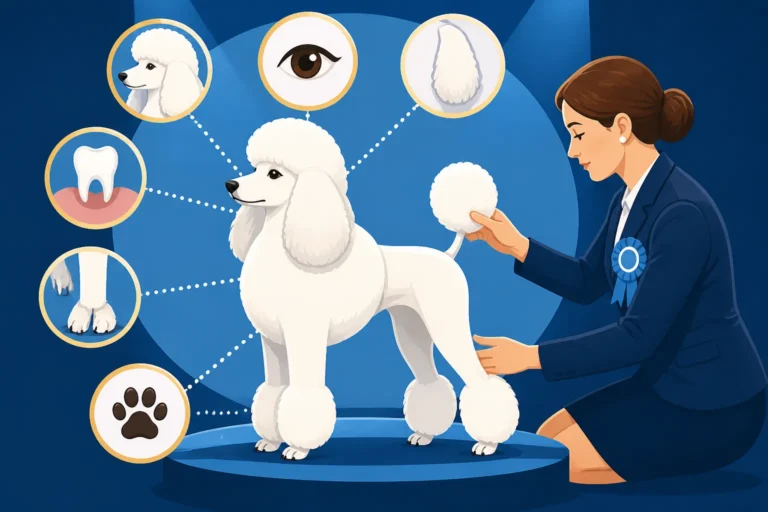
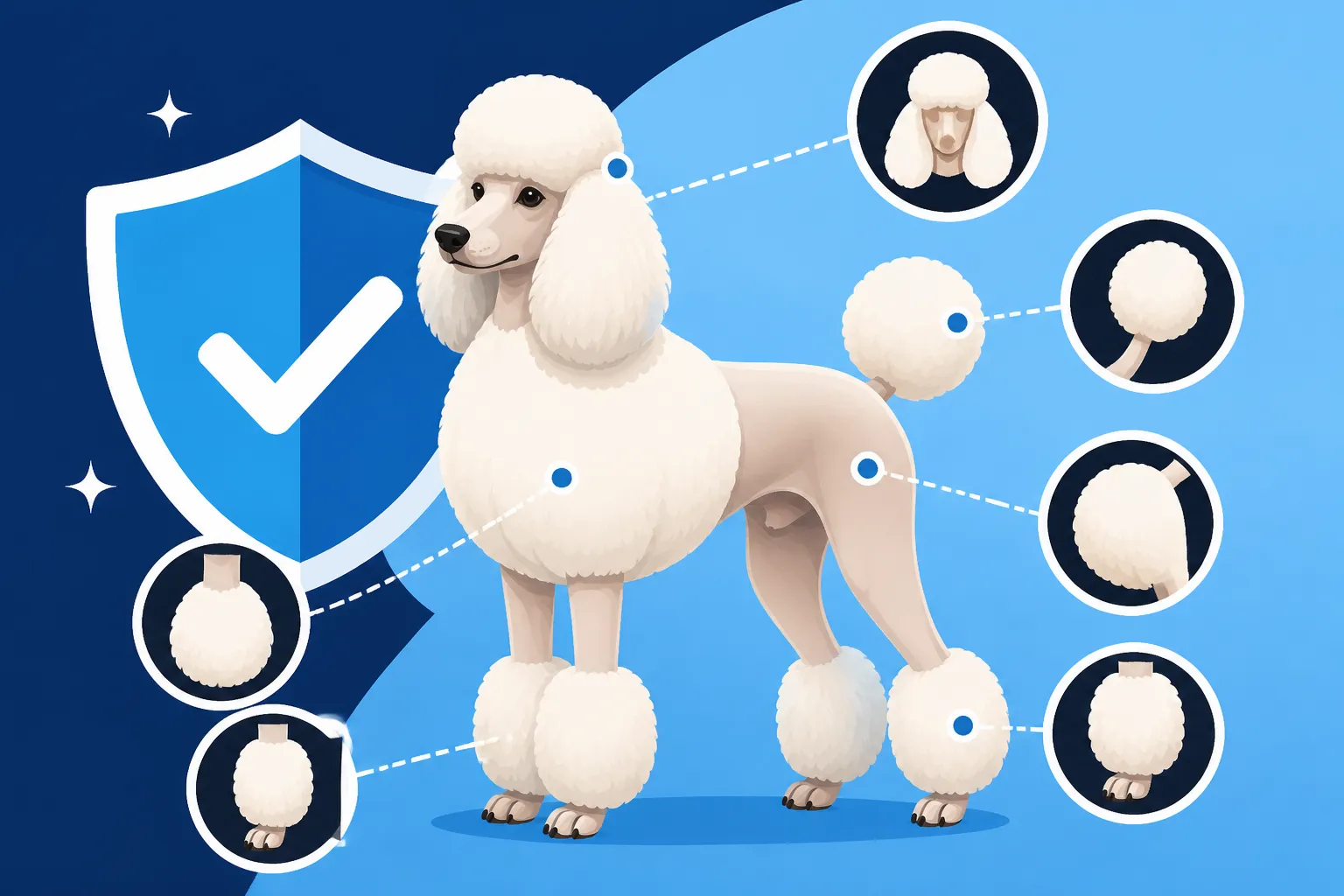
The most iconic features of the traditional Poodle clip are the "pompoms" or "bracelets" of hair left on specific parts of the body. These weren't just decorative flourishes. They served crucial protective functions:
- Joint Protection: The hair left around the major joints – ankles, wrists, and hips – provided insulation against the cold water. Joints are particularly susceptible to the cold, and keeping them warm helped prevent stiffness and potential injury from repeated exposure to icy temperatures. Imagine the discomfort of cold, stiff knees after a swim; these hair patches acted as natural leg warmers.
- Organ Protection: A larger pompom, often left on the chest (a "rosette"), was designed to protect vital organs like the heart and lungs from the chilling effects of cold water. This strategic patch of hair acted as a natural vest, maintaining core body temperature where it mattered most for survival and sustained effort. You'll often see this protective aspect discussed when learning about How the Clip Kept a Working Poodle Warm.
- Buoyancy: While not the primary function, these strategically placed tufts of hair could also add a tiny bit of extra buoyancy, aiding the dog in the water. Every little bit helped a Poodle stay afloat and maneuver through challenging wetland conditions. It's a testament to the intelligent design of the original clips that they balanced these multiple factors.
Shaved Face and Feet: Practicality in the Field
Even the shaved face and feet, which are still characteristic of many modern Poodle clips today, had practical origins directly related to their work as retrievers:
- Shaved Face: Keeping the face clean-shaven, particularly around the eyes and mouth, prevented hair from getting in the dog's vision or mouth while carrying retrieved prey. Imagine trying to hold a bird with a mouthful of wet, matted hair! It also reduced the risk of burrs or debris irritating the eyes, which could quickly incapacitate a working dog. Furthermore, a clean face meant the Poodle could use its keen sense of smell unimpeded, sniffing out game or following scent trails. This is especially important for sensing danger or finding a lost bird.
- Shaved Feet: The feet were shaved to prevent mud, ice, and debris from clumping between the paw pads. This not only improved grip and traction on slippery surfaces but also prevented painful matting that could lead to infections or make walking difficult. A dog with painful feet cannot perform its duties effectively. It also allowed for quicker drying, reducing the risk of frostbite in extreme cold. Many owners today still keep their Poodle's feet meticulously shaved to prevent similar issues, understanding that even in a pet, clean feet are healthier feet. Maintaining healthy feet is a crucial part of Caring for an Aging Poodle as well, preventing slips and discomfort.
Evolution of the Clip: From Function to Fashion (and Back Again)
Over time, as the Poodle's role evolved from purely working dog to companion and show dog, so too did its distinctive clips. What began as practical necessity slowly transformed into an art form, with some clips becoming quite elaborate.
The Show Ring Influence
With the advent of dog shows, the functional clip started to take on more exaggerated and stylized forms. Judges began to appreciate the aesthetic appeal of the Poodle's unique coat and the artistic expression it allowed. The small, practical pompoms grew larger, and the rosettes became more defined. The Continental Poodle Clip and Its Upkeep, for example, is a direct descendant of these working clips, but with an emphasis on symmetry, volume, and dramatic flair. While still echoing the original purpose, the show ring pushed the boundaries of what was considered "groomed" for a Poodle.
This evolution didn't erase the origins, but it certainly added a layer of spectacle. Groomers honed their skills, learning to sculpt the Poodle's continuously growing coat into impressive shapes. Even now, the show clips require immense dedication and precise tools, much of which can be found from pet suppliers like Chewy, to keep them looking pristine and in line with breed standards.
Modern Pet Clips and Their Benefits
Today, most pet Poodles sport much more practical and easy-to-maintain clips than their show ring counterparts. However, many of these modern styles still subtly carry the echoes of the Poodle's working heritage. The short, even "Kennel Clip" or "Sporting Clip," which leaves about an inch or two of hair all over, is popular for its low maintenance and comfort. It still allows for easy cleaning, quick drying, and prevents matting – all benefits that stem from the original desire for a functional, healthy coat.
Even a simple "Puppy Clip," which keeps the hair a uniform length, serves the same core purpose: preventing mats, allowing for comfortable movement, and keeping the dog clean. While not explicitly for water retrieval anymore, the principles of keeping hair out of eyes, away from sensitive areas like ears (where Ear Infections Under a Poodle's Drop Ears can be a problem), and managing overall coat health are paramount. Many Poodle owners choose to learn Learning to Clip a Poodle at Home to ensure their dog stays comfortable and mat-free between professional grooming appointments.
Maintaining the Poodle Coat for Health, Not Just Looks
Regardless of the specific clip you choose for your Poodle, understanding the historical context reinforces the importance of regular grooming. The Poodle's unique non-shedding coat, while wonderful for allergy sufferers, is prone to matting if not diligently maintained. Whether you're aiming for a show-stopping Continental or a simple, functional pet trim, consistent brushing, bathing, and clipping are essential for your Poodle's health and comfort.
Neglecting the coat can lead to severe mats that pull on the skin, cause pain, and harbor parasites or skin infections. This is not just a cosmetic issue; it's a welfare issue. Regular grooming, often aided by quality tools and products available from retailers like Chewy, ensures that your Poodle remains happy, healthy, and comfortable, living up to the robust, active spirit of its water-retrieving ancestors. Understanding The Poodle Coat and Why It Never Stops Growing is fundamental to responsible Poodle ownership, regardless of what clip you choose.
| Body Part | Traditional Clip Action | Historical Purpose |
|---|---|---|
| Torso | Heavily Shaved | Reduced drag in water, prevented matting, quicker drying |
| Leg Joints | Pompoms/Bracelets of Hair Left | Insulated joints from cold water, prevented stiffness |
| Chest | Rosette of Hair Left | Protected vital organs (heart, lungs) from cold |
| Face | Clean Shaved | Improved vision, prevented hair in mouth during retrieve, reduced debris irritation |
| Feet | Clean Shaved | Enhanced grip, prevented mud/ice clumping, reduced matting, quicker drying |
| Tail Base | Shaved | Reduced weight, prevented matting |
| Tail Tip | Pompon of Hair Left | Possibly for balance or as a visual marker in water |
Disclaimer
This article is for general informational purposes only and does not constitute professional advice. Laws, prices and regulations vary by location and change over time. Consult a qualified professional for guidance on your specific situation.