Predicting an Adult Poodle’s Height
One of the most exciting, yet sometimes anxiety-inducing, parts of bringing home a Poodle puppy is wondering just how big they'll truly get. You gaze at those tiny paws, or that gangly adolescent frame, and try to picture their adult stature. This guide is all about helping you predict your Poodle's adult height, navigating the breed's unique growth patterns, and understanding the factors that play a role in their final majestic (or wonderfully petite!) size.
The Poodle Sizes and Their Official Cut-Offs
Before we dive into predictions, it’s crucial to understand the official classifications of Poodle sizes. Unlike some breeds where size can vary wildly within a single type, Poodles are distinctly categorized, and these categories have specific height requirements. This structure gives us a strong baseline for understanding what to expect. It's often where the confusion begins for new owners, as a "Miniature" Poodle isn't just a slightly smaller Standard; it's a distinct size class with its own range.
Understanding the Breed Standard's Measurements
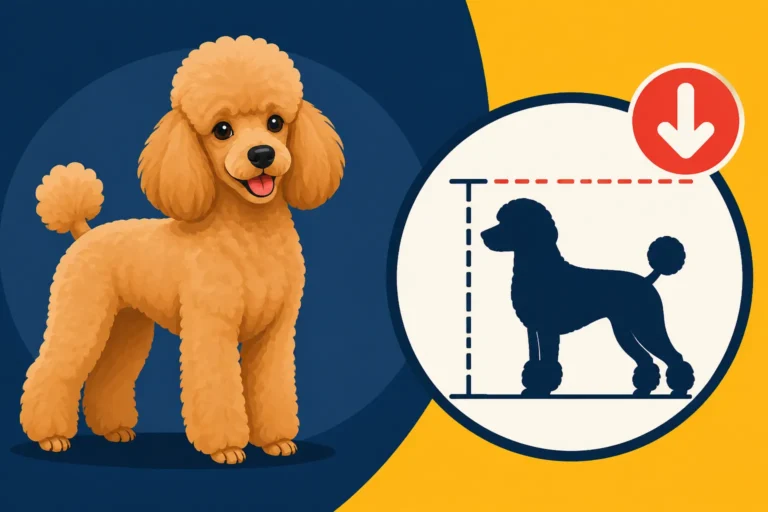
The Poodle breed standard, set by kennel clubs, is very precise about height. These standards aren't just arbitrary rules; they define the ideal characteristics of each variety, including their size. For Standard Poodles, the expectation is usually that they stand over 15 inches tall at the shoulder. There isn't an upper limit, per se, but they should remain proportionate and elegant. Then we have Miniature Poodles, who fall into a distinct bracket: over 10 inches and up to (and including) 15 inches at the shoulder. And finally, the charming Toy Poodles are 10 inches and under at the shoulder. These measurements are taken from the highest point of the dog’s shoulder blade straight down to the ground, which can sometimes be a bit tricky to do accurately at home! You can learn more about The Poodle Height Cut-Off at Fifteen Inches and The Toy Poodle Cut-Off at Ten Inches in related posts.
It’s important to remember that these are the official classifications for show purposes and breeding. A Poodle that falls slightly outside these ranges can still be a perfectly healthy, wonderful companion. The reason these standards exist is to maintain the breed's uniformity and distinct characteristics. However, for a pet owner, these guidelines are helpful for understanding the general size your Poodle will achieve.
The Unofficial "Moyen" or "Klein" Poodle
You might occasionally hear whispers of a "Moyen" or "Klein" Poodle, especially if you're looking at European lines. This isn't an officially recognized size category by major kennel clubs in North America, but it refers to a Poodle that typically falls between the Miniature and Standard sizes – specifically, between 15 and 20 inches at the shoulder. In countries where it's recognized, like in Europe, it effectively acts as a "medium" Poodle.
For many owners, a Moyen-sized Poodle strikes a perfect balance. They’re larger than a Miniature, offering a bit more presence, but not quite as large as some of the taller Standards, making them a great fit for various living situations. If you encounter a breeder advertising "Moyen" Poodles, they are usually referring to Poodles within this height range, even if they'll still be registered as either Miniature or Standard depending on where they land on the official chart. It's a fascinating nuance that highlights the range of sizes Poodles can come in. You can dive deeper into The Moyen or Klein Poodle in Europe to understand its unique place in the Poodle world.
Growth Patterns and When Poodles Stop Growing
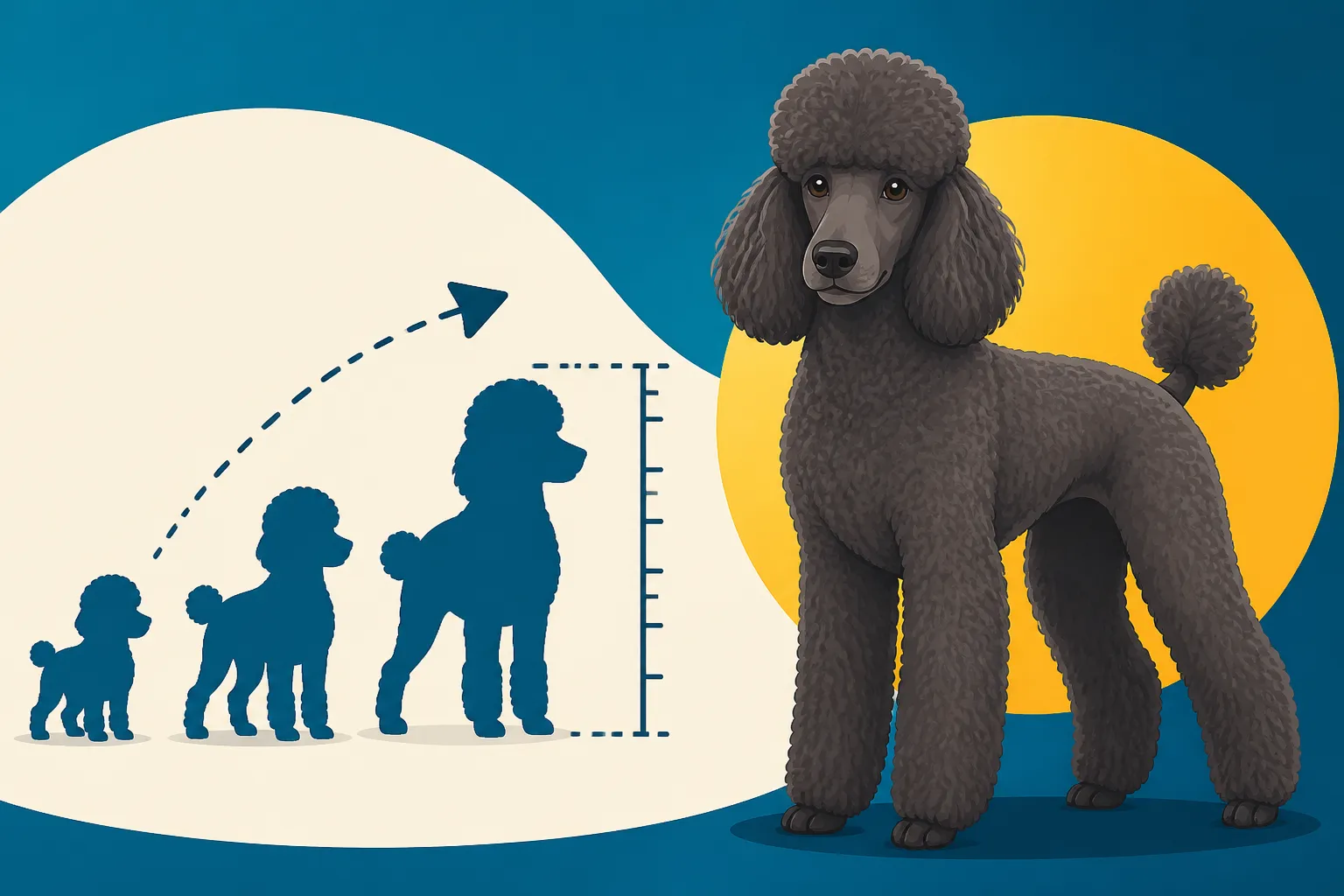
Understanding how Poodles grow is key to predicting their adult height. It's not a linear journey, and each size variety has its own typical timeline for reaching maturity. Don't expect a Toy Poodle puppy to shoot up overnight like a Standard Poodle! Knowing these patterns can help you manage your expectations and even ensure you're providing appropriate nutrition during critical growth phases.
Rapid Growth in Standard Poodles
Standard Poodles, being the largest of the three varieties, naturally experience the most dramatic growth spurts during puppyhood. They grow incredibly fast, almost seemingly overnight, in those first few months. You'll see their legs lengthen, their bodies fill out, and their overall frame expand significantly. This rapid growth phase typically peaks around 4 to 6 months of age. During this time, it's crucial to provide a high-quality, large-breed puppy food to support their developing bones and joints, as too-rapid growth from over-feeding can sometimes contribute to orthopedic issues. Many owners find their Standard Poodle puppies are already quite substantial by six months, perhaps two-thirds or even three-quarters of their adult height. This quick development can be a bit startling if you're not prepared, but it's completely normal for the breed. Why Standard Poodle Puppies Grow So Fast is a great resource if you're curious about the mechanics behind this rapid development.
Toy and Miniature Poodle Slower, Steadied Growth
In contrast, Toy and Miniature Poodles have a much more moderate and extended growth period. While they still experience growth spurts, they are less dramatic and more spread out over time. A Toy Poodle puppy, for instance, might grow steadily but slowly, taking longer to reach their final height. Their growth plates typically close later than a Standard Poodle's, meaning they keep growing for a longer duration, just at a gentler pace.
Miniature Poodles fall somewhere in the middle. They grow more quickly than Toys but not with the same explosive speed as Standards. Their development is often steadier, without the sudden lanky phases you might see in a Standard. For these smaller varieties, their bone structure and overall size are inherently smaller, so their bodies don't require the same intense, rapid building phase. This steadier growth can make predicting their final height a little trickier in the early months, as the changes are more subtle.
When to Expect Your Poodle to Reach Full Height
So, when does all this growth finally stop? The answer varies by size:
- Standard Poodles: Generally reach their full height between 9 and 12 months of age. While they might continue to fill out and gain muscle mass until they're closer to 18-24 months old, their skeletal growth, particularly their height, usually plateaus by their first birthday. You might find a growth chart at your vet that shows their typical trajectory, but by a year, what you see is largely what you get in terms of height. For a deeper look, check out When a Standard Poodle Stops Growing.
- Miniature Poodles: Tend to reach their adult height a bit earlier, often between 8 and 11 months. They too will continue to mature and develop their adult Poodle physique for several more months, but their vertical growth mostly concludes by the time they are almost a year old.
- Toy Poodles: These little darlings can take the longest to finish growing. Many Toy Poodles will reach their full height between 7 and 10 months, but it's not uncommon for some to continue putting on tiny bits of height, or filling out, until they are closer to 12 months. Their final development, especially filling out, can continue until they are 18 months old. They are truly the "slow and steady wins the race" of the Poodle family. To get a better grasp of how small they can be, consider reading How Small a Toy Poodle Gets.
It's helpful to understand these timelines, as it means you can usually get a pretty good estimate of their adult size by the time they're nearing their first birthday. Until then, it's a game of observation and educated guesswork!
Practical Methods for Predicting Height
While a crystal ball would be nice, we have a few tried-and-true methods that Poodle enthusiasts and breeders use to get a decent estimate of a puppy's adult height. These aren't foolproof, but they offer valuable clues and can help alleviate some of that "how big will they be?" suspense.
The 16-Week Rule of Thumb
One of the most popular rules of thumb, particularly for Standard Poodles, is to take their height at 16 weeks (four months) and double it. This often provides a surprisingly accurate estimate of their adult height. For example, if your Standard Poodle puppy is 12 inches tall at the shoulder at 16 weeks, you can reasonably expect them to be around 24 inches tall as an adult. This method works because many Poodles, especially Standards, have completed a significant portion of their rapid growth by this age.
For Miniature and Toy Poodles, the 16-week rule can still offer a rough estimate, but it might be slightly less accurate due to their more prolonged growth period. For these smaller varieties, a slightly more conservative approach might be to multiply their 16-week height by 1.75 or 1.8, rather than a full 2. However, the basic principle remains: that 16-week mark is a good checkpoint to gauge their trajectory. Remember, it's a rule of thumb, not a scientific guarantee, but it's a fun and often helpful way to get a general idea.
Consulting Your Breeder for Growth Charts
The absolute best resource for predicting your Poodle's height is your breeder. A reputable breeder knows their lines intimately. They track the growth of puppies from previous litters, understand the typical adult sizes of the parents (sire and dam), and can often give you a very educated guess, if not a specific projection. They can tell you the average adult height of puppies from those specific parent dogs, or even from the grandparents.
Don't be shy about asking your breeder if they have any historical growth data or if they can share the exact heights of your puppy's parents. They might even provide a growth chart that shows the expected range for the litter. This information is invaluable because it's based on actual genetic history. Good breeders are transparent about their dogs' sizes and health, and they want to help you feel confident about your Poodle's future. This is a critical piece of information when you're looking to confirm How Tall a Standard Poodle Grows or even predict Average Poodle Lifespan by Variety by understanding parental health.
Observing the Paws and Overall Frame
Another, more anecdotal, method many dog owners use is observing the size of their puppy's paws and their overall "lankiness." If your Poodle puppy has unusually large, clumsy-looking paws compared to the rest of their body, it's often a sign that they still have a lot of growing into those feet to do. This typically indicates a larger final height, especially in Standard Poodles. Conversely, if their paws look proportionate to their body, they might be closer to their adult size, or will be on the smaller end of their breed's height range.
Similarly, a very "leggy" or lanky Poodle puppy often has more height to put on. They're going through a growth spurt where their bones are lengthening quickly. As they mature, their body will "catch up" to their legs, filling out in proportion. This isn't a precise measurement, of course, but it's a common observation that can provide a general hint. It's especially useful for those adolescent months where they might look a bit awkward before they fully mature into their elegant Poodle form. Remember, a Poodle's grace truly shines when they are well-proportioned, regardless of their specific height within their variety.
Factors That Influence a Poodle's Adult Height
While genetics lay the primary groundwork for a Poodle's height, other factors can also play a role in how tall they ultimately become. Understanding these influences helps you appreciate the full picture of your Poodle's development and ensures you're doing everything you can to support healthy growth.
The Power of Parental Genetics
Without a doubt, genetics are the most significant predictor of your Poodle's adult height. A puppy inherits its genetic blueprint from both its mother (dam) and father (sire). If both parents are on the taller side of the Standard Poodle range, it's highly likely their offspring will also be tall. Conversely, if both parents are smaller Miniatures, their puppies will almost certainly be small Miniatures. This is why a reputable breeder's insight into their breeding lines is so invaluable. They know the genetic history and the typical outcomes.
It's not always as simple as "average the parents' height," though. Recessive genes can sometimes throw a curveball, leading to a puppy that's either taller or shorter than expected based solely on the parents' immediate height. However, the general rule of thumb is that like produces like. If you're hoping for a Poodle of a specific size, looking closely at the parents and their pedigree is your best bet. This genetic foundation is also why you're unlikely to get a full-sized Standard Poodle from two Miniature Poodle parents, although understanding Whether Two Toy Poodles Produce a Miniature can shed light on variations within size categories.
Nutritional Impact on Growth
Proper nutrition during puppyhood is absolutely critical for healthy growth and reaching an individual's genetic potential for height. While good food won't make a genetically small Poodle suddenly huge, poor nutrition can stunt growth or lead to improper bone development. Puppies, especially Standard Poodle puppies, need a diet formulated for growth, balanced with the right amounts of protein, fat, vitamins, and minerals. Overfeeding, particularly with high-calorie diets not suited for their growth rate, can lead to excessively rapid growth in large breeds, which can stress developing joints and contribute to orthopedic issues like hip dysplasia later in life.
On the other hand, underfeeding or feeding a diet lacking essential nutrients can prevent a Poodle from reaching their full genetic height potential. Imagine a growing child who doesn't get enough to eat – they won't grow as tall or as strong as they could. The same applies to Poodles. Choose a high-quality puppy food appropriate for their size, perhaps from a trusted brand like Purina Pro Plan or Royal Canin, or explore options on Chewy for convenience. Discussing specific dietary needs with your veterinarian is always a good idea, especially during those crucial first months. Feeding a Poodle by Size is a helpful resource for tailoring your Poodle's diet correctly.
Health Considerations and Growth Plate Closure
A Poodle's overall health can also influence its final height. Any chronic illness or significant nutritional deficiencies during critical growth phases could potentially impact how tall a Poodle ultimately grows. For example, certain parasites, severe infections, or underlying metabolic conditions might, in rare cases, affect growth rates.
Growth plates, which are areas of cartilage at the ends of long bones where new bone is produced, are crucial to a Poodle's lengthening bones. These plates gradually harden and close as a Poodle matures. Once the growth plates have closed, no further lengthening of the bones, and thus no further increase in height, can occur. Early spaying or neutering, particularly before growth plates have fully closed, has been a topic of discussion among veterinarians and breeders. Some research suggests that hormones play a role in the timing of growth plate closure, and removing these hormones prematurely might lead to slightly longer limb bones, potentially resulting in a slightly taller dog. However, the difference is often minor and many factors weigh into the decision of desexing timing. This is another area where consulting with your vet and a knowledgeable breeder about What a Poodle Breeder Must Test For and the best practices for your specific Poodle size is essential for ensuring their best possible development and health.
| Poodle Size | General Adult Height (at shoulder) | Primary Growth Period Ends (Height) | Example 16-Week Multiplier |
|---|---|---|---|
| Toy | 10 inches and under | 7-10 months | 1.75 – 1.8x |
| Miniature | Over 10 up to 15 inches | 8-11 months | 1.8 – 1.9x |
| Standard | Over 15 inches | 9-12 months | 2x |
This table provides a quick reference, but remember, every Poodle is an individual! While these are general guidelines, your Poodle's unique growth journey might vary slightly. Consistent observation, good nutrition, and open communication with your breeder and vet are your best tools for tracking their development. For example, Chewy offers a wide range of puppy foods tailored to different Poodle sizes, making it easier to find the right nutritional support.
Disclaimer
This article is for general informational purposes only and does not constitute professional advice. Laws, prices and regulations vary by location and change over time. Consult a qualified professional for guidance on your specific situation.