How Small a Toy Poodle Gets
One of the most common questions I get from folks considering a Toy Poodle is just how tiny they can truly be. It’s natural to be curious, especially with all the talk of "teacup" dogs out there, but understanding the realities of their size, and what it means for their health and care, is crucial. This guide will walk you through the official standards, the factors that truly dictate a Toy Poodle's adult size, and the practicalities of welcoming a truly miniature companion into your home.
Understanding the Official Toy Poodle Standard for Size
When you look at the official breed standard, like the one recognized by the American Kennel Club (AKC), there's a very specific measurement that defines a Toy Poodle. This isn't just a guideline; it's what separates a Toy from its larger cousins, the Miniature and Standard Poodles.
The AKC Definition of a Toy Poodle
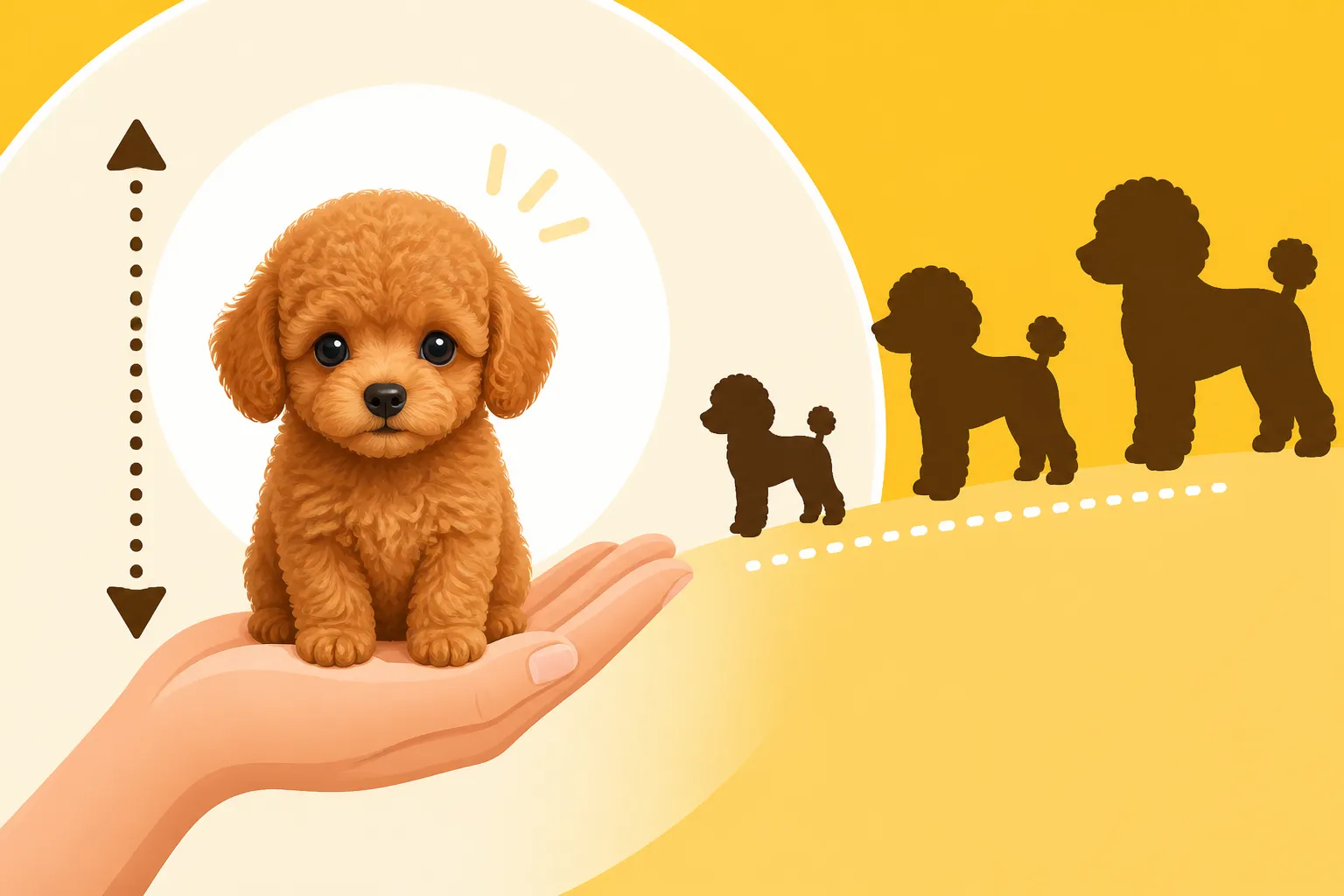
The standard states that a Toy Poodle must be "10 inches or under at the highest point of the shoulders." That's it. Simple, right? But here's where it gets a little more nuanced for those who envision a dog that fits in a teacup. The standard sets an upper limit, meaning any Poodle over 10 inches falls into the Miniature category. It doesn't, however, define a minimum size. This means a Toy Poodle can be 10 inches, 8 inches, or even smaller, as long as it's healthy and proportionally built.
This broad definition often leads to confusion. People hear "under 10 inches" and immediately picture the absolute smallest end of that spectrum. While some Toy Poodles are indeed incredibly petite, many are closer to that 9-10 inch mark, which is still quite small but significantly different from a four-pound, six-inch Poodle. The average Toy Poodle often falls into the 6 to 9-pound range, and their height can vary quite a bit within that "under 10 inches" window.
Why Size Matters for Health and Temperament
While the allure of an impossibly small Poodle is undeniable, it's vital to understand that extreme smallness often comes with its own set of challenges, particularly concerning health and, at times, temperament. A well-bred Toy Poodle, even at the smaller end of the spectrum, should still be robust and sound. However, when breeders actively select for the absolute tiniest individuals, sometimes referred to as "runts," they can inadvertently amplify predispositions to certain health issues.
For example, tiny bones are more fragile and prone to fractures. Internal organs can be disproportionately small or underdeveloped. Metabolic processes might be less efficient, leading to issues like hypoglycemia (low blood sugar), which can be particularly dangerous for tiny puppies and even adult dogs. You can learn more about this in Blood Sugar Crashes in a Toy Poodle. These are serious concerns that a responsible breeder would never intentionally court.
Temperament can also be affected. A very small dog, even with a confident Poodle personality, might naturally be more fearful or wary in a world designed for much larger creatures. They might be more prone to fear-based aggression if not properly socialized and protected, simply because everything around them feels like a threat. Ensuring that a Toy Poodle, no matter its size, is well-socialized, especially with other dogs (appropriately sized, of course) and people, is crucial for developing a confident and well-adjusted companion.
Factors Influencing a Toy Poodle's Actual Adult Size
While the breed standard gives us an upper limit, a Toy Poodle's actual adult size is a complex interplay of genetics, early nutrition, and overall health. It's not just a roll of the dice; there are predictable patterns and some common misconceptions to clear up.
The Role of Genetics and Reputable Breeding
At the heart of a Poodle's size is its genetic makeup. A puppy inherits its potential size from both its parents, and this is where the importance of a reputable breeder truly shines. A good breeder knows their lines intimately and can usually give you a very accurate estimate of a puppy's adult size based on the parents, grandparents, and previous litters. They aren't trying to produce the absolute smallest dog; they're aiming for a healthy dog that fits the breed standard in terms of both size and conformation.
Some might hear "runt of the litter" and think that's how you get an extra-small Toy Poodle. While runts are indeed smaller than their littermates, they are often smaller due to health issues, poor nutrition in utero, or simply being underdeveloped. They are not necessarily indicative of a stable, healthy small genetic line. A genuinely small Toy Poodle comes from generations of healthy, small Poodles, not just a one-off small puppy. It's why researching breeders and their practices is so important. A good breeder will be transparent about the size of their breeding stock and prioritize health testing. They'll perform many checks, detailed in articles like What a Poodle Breeder Must Test For and What a Toy Poodle Breeder Screens For, to ensure they're producing robust puppies.
Nutrition, Health, and Growth Patterns
A puppy's journey from tiny newborn to adult is also heavily influenced by its environment, especially nutrition and overall health. While genetics lay the blueprint, proper feeding and care allow that blueprint to be fully realized.
During those crucial first few months, adequate and appropriate nutrition is paramount. A Toy Poodle puppy needs high-quality food formulated for small breed puppies to support its rapid growth. Undernutrition or a poor diet can indeed stunt growth, but this is an unhealthy outcome, not a desirable one. Conversely, overfeeding a puppy can lead to rapid, unhealthy growth that stresses developing joints, even in small dogs, though it's more commonly discussed with larger breeds. For tiny puppies, knowing How Often a Toy Poodle Puppy Must Eat is key to preventing dangerous drops in blood sugar.
Beyond food, a puppy's general health plays a significant role. Any chronic illness, parasitic infections, or severe stress during critical growth periods can impact its ultimate size. A puppy that is frequently ill or struggling to thrive might end up smaller than its genetic potential, but again, this is a sign of poor health, not a successful breeding strategy for extreme smallness. Regular veterinary care, starting with the initial puppy checks, helps ensure any health issues are caught early. What a Vet Checks on a Toy Poodle Puppy outlines the critical first steps in this process.
The Myth of the "Teacup" Poodle
Here's where we need to be very clear: there is no official breed recognition for a "teacup" Poodle. This term is purely a marketing label, and one that often rings alarm bells for experienced Poodle enthusiasts and veterinarians. When you see a breeder advertising "teacup" Poodles, it's often a red flag that they are prioritizing extreme smallness over health and ethical breeding practices.
Dogs marketed as "teacups" are frequently the result of breeding runts together, premature delivery, or other methods that compromise the health and well-being of the animals. These dogs are at significantly higher risk for a whole host of severe health problems:
- Fragile Bones: Their tiny bones are incredibly delicate, making them prone to fractures from even minor falls or jumps. A simple hop off the sofa could result in a broken leg.
- Hypoglycemia: As mentioned before, their small body mass makes them highly susceptible to dangerously low blood sugar, which can lead to seizures, coma, or even death if not managed immediately.
- Liver Shunts: This is a congenital condition where blood bypasses the liver, preventing toxins from being filtered out. It's more common in smaller breeds.
- Heart Defects: Certain congenital heart conditions are also seen more frequently.
- Hydrocephalus: "Water on the brain" is another severe condition that can be exacerbated by extreme skull size reduction.
- Dental Issues: Their tiny mouths often don't have enough space for all their teeth, leading to overcrowding, dental disease, and early tooth loss. You can find more information on this in Why Small Poodles Lose Teeth Early.
- Temperature Regulation Problems: Their small body mass means they struggle to maintain body temperature, making them very vulnerable to cold.
Responsible breeders adhere to the breed standard, which already defines the Toy Poodle as a small dog. They will always prioritize health, temperament, and genetic soundness over producing an unnaturally small animal. If a breeder uses the term "teacup," proceed with extreme caution, or better yet, look elsewhere.
Living with a Very Small Toy Poodle: Practical Considerations
Bringing any dog into your home requires adjustments, but a truly tiny Toy Poodle demands a different level of awareness and care. Their diminutive size isn't just a cute aesthetic; it impacts everything from their safety to their daily routine and veterinary needs.
Fragility and Injury Risk
This is perhaps the biggest daily consideration for owners of very small Toy Poodles. A dog weighing four or five pounds is incredibly fragile. They are not just small; they are delicate.
- Accidental Falls: A jump off a chair, a slip on a smooth floor, or even a misstep on the stairs can result in a serious injury, like a broken leg or severe internal trauma. Poodles are agile, but their tiny bones are simply not built to withstand much impact. Consider ramps or doggy stairs for furniture they frequent.
- Being Stepped On: It sounds unthinkable, but in a busy household, a tiny dog can be easily overlooked. They are so small that they blend into shadows or might not be seen if darting underfoot. Always be aware of their location, especially when moving around.
- Rough Play: If you have children or larger pets, supervision is non-negotiable. A larger dog's playful nudge or a child's clumsy grab could cause severe injury. Educating children on how to interact gently and respectfully with a tiny dog is critical, as discussed in Teaching Children to Handle a Toy Poodle. Even another Toy Poodle, if slightly larger and more boisterous, could accidentally harm a significantly smaller one during play.
- Outdoor Hazards: While it might seem obvious, even small hazards outside become big dangers. Potholes, gaps in fences, or even larger wildlife (like predatory birds or raccoons, depending on your area) pose a much greater threat to a very tiny dog.
Creating a safe home environment means being constantly vigilant. Think about cordoning off areas, securing gates, and teaching your Poodle to use specific, safe entry/exit points for furniture. Also, be mindful of specific Poodle vulnerabilities like Toy Poodle Kneecaps and Windpipes, which can be more pronounced in extremely small individuals.
Management of Daily Care
Daily care routines for a very small Toy Poodle also require a tailored approach compared to a Standard Poodle, or even a larger Miniature.
- Feeding Needs: Tiny stomachs mean frequent, small meals. This is not just a preference; it's a necessity to prevent drops in blood sugar, especially in puppies and very active adults. You might find yourself feeding your tiny Poodle three or even four small meals a day, rather than the typical two for adult dogs. Products available from retailers like Chewy often include specific small-breed puppy formulas and slow feeders for tiny mouths. Always measure portions carefully to prevent both underfeeding and overfeeding, as detailed in How Often a Toy Poodle Puppy Must Eat.
- Temperature Regulation: Their minimal body fat and surface area-to-volume ratio mean very small Poodles lose heat rapidly. They get cold very easily, even indoors. Sweaters or coats are essential for walks in cooler weather, and you might need to keep your home a bit warmer or provide extra snuggly blankets for them, especially during the colder months.
- Grooming: While all Poodles need extensive grooming, a very small Poodle can require even more delicate handling. Smaller clippers, brushes designed for delicate coats, and extra patience are often needed. Be cautious about the force you apply when brushing, especially around joints or fragile areas. Chewy offers a range of tiny grooming tools that can be helpful.
- House Training: While Poodles are intelligent, a tiny bladder is still a tiny bladder! They simply cannot hold it as long as larger dogs. This means more frequent potty breaks, sometimes every hour or two for puppies, and still quite often for adults. Understanding Bladder Size in a Toy Poodle Puppy can help manage expectations. Indoor potty pads or a designated indoor potty area can be invaluable, especially during harsh weather or if you're away for short periods.
- Training and Treats: Their small size also impacts training. You'll need truly tiny, high-value treats that won't disrupt their sensitive digestion or overfill their small stomach. Look for options on Chewy that are specifically designed for very small dogs. As noted in Treats Small Enough for a Toy Poodle, even a small piece of a regular training treat can be too much.
Vet Care and Health Concerns
The unique physiology of very small Toy Poodles translates to specific considerations for their veterinary care.
- Specific Health Risks: Beyond the general fragility, these dogs are prone to certain breed-specific or size-specific conditions. Dental disease, as mentioned in Why Small Poodles Lose Teeth Early, is incredibly common and can become severe quickly. Regular dental cleanings are often needed. Hypoglycemia remains a risk, and owners must know the signs and how to administer emergency sugar. Blood Sugar Crashes in a Toy Poodle is an essential read for any owner of a small Toy Poodle. Patellar luxation (slipping kneecaps) and tracheal collapse are also more prevalent in tiny breeds.
- Medication Dosing: Dosing medications for a dog weighing just a few pounds requires extreme precision. Even a slight overdose can be dangerous. Your vet will carefully calculate dosages based on their exact weight, and you must administer them exactly as prescribed.
- Anesthesia Risk: Anesthesia carries slightly higher risks for very small dogs due to their slower metabolic rates and challenges with temperature regulation during surgery. Pre-anesthetic blood work and careful monitoring are always essential.
- Regular Check-ups: Consistent veterinary care, even beyond puppyhood, is vital. Regular check-ups allow your vet to monitor their growth, dental health, joint soundness, and overall well-being. This proactive approach helps catch potential issues early before they become serious. What a Vet Checks on a Toy Poodle Puppy sets the groundwork for lifelong care.
| Feature | Standard Toy Poodle (6-10 lbs) | Very Small Toy Poodle (Under 6 lbs) |
|---|---|---|
| Height | Usually 8-10 inches at shoulder | Usually 5-7 inches at shoulder |
| Weight | 6-10 pounds | 2-5 pounds |
| Fragility | Generally robust for its size; caution needed for falls/jumps | Extremely fragile; high risk of injury from falls, steps, play |
| Exercise Needs | Moderate, daily walks, indoor play | Short, frequent walks; primarily indoor play; tire easily |
| Feeding Frequency | Typically 2-3 meals/day | Often 3-4 tiny meals/day to prevent hypoglycemia |
| Temperature Mgmt. | Needs sweaters in cold weather | Highly susceptible to cold; needs warmth even indoors |
| Dental Care | Prone to dental issues; regular cleaning needed | Very prone to dental issues; overcrowding common; early intervention vital |
| Training | Intelligent, quick learner; small treats useful | Intelligent; very tiny treats essential; frequent potty breaks |
| Common Health Concerns | Patellar luxation, dental disease | Patellar luxation, tracheal collapse, severe dental issues, hypoglycemia, liver shunts, hydrocephalus |
| Suitability for Kids | Good with gentle, supervised children | Best for homes with older, calm children or no children |
Embracing the Toy Poodle's Unique Charm, Regardless of Size
Ultimately, the true joy of owning a Toy Poodle isn't found in how small they can get, but in the vibrant, intelligent, and affectionate personality they bring to your life. Whether they are on the larger end of the Toy standard or truly miniature, their Poodle spirit shines through.
Personality Over Poundage
Poodles, regardless of their size, are renowned for their incredible intelligence, sharp wit, and deep loyalty. A Toy Poodle, even a very small one, retains all the brilliant characteristics that make the breed so beloved. They are quick learners, eager to please, and thrive on mental stimulation. They love to be part of the family, often shadowing their owners from room to room. Their expressive eyes and playful antics are universal Poodle traits.
The myth that smaller Poodles are less intelligent or somehow "different" in personality than their larger counterparts is simply untrue. Whether Toy Poodles Are as Smart as Standards confirms that the Poodle brain power is consistent across the sizes. You'll find the same charming mischievousness, the same clever problem-solving, and the same deep desire for connection in a five-pound Toy as you would in a 50-pound Standard.
Choosing a Healthy, Well-Bred Companion
When you're looking for a Toy Poodle, shift your focus from seeking the absolute smallest puppy to finding the healthiest, most well-adjusted one possible. A truly reputable breeder will never prioritize extreme smallness over the long-term health and well-being of their puppies. They will be able to show you the parents, provide health clearances, and discuss their breeding philosophy openly. They'll also be transparent about the expected adult size of their puppies, usually giving you a realistic range based on their lines.
The best approach is to choose a Toy Poodle that fits the breed standard in all respects – not just height, but also conformation, health, and temperament. A slightly larger Toy Poodle (closer to that 8-10 inch range) often comes with fewer health risks and a more robust constitution, making for a happier, healthier companion in the long run. After all, what truly matters isn't how small they can get, but how big a place they make in your heart.
Disclaimer
This article is for general informational purposes only and does not constitute professional advice. Laws, prices and regulations vary by location and change over time. Consult a qualified professional for guidance on your specific situation.