Why City Buyers Wanted a Smaller Poodle
For many city dwellers, the dream of a canine companion often bumps up against the harsh realities of apartment living, crowded sidewalks, and limited green space. It’s a common frustration: how do you fit a majestic, energetic dog into a small urban footprint? This guide delves into the fascinating history behind why smaller Poodles became such a sought-after solution for urban life, exploring the shifts in society that favored a more compact canine and how breeders responded to these evolving needs.
The Historical Context of the Poodle's Evolution
Before we get into why smaller Poodles fit so well into bustling cities, it's important to understand where the breed actually came from. It wasn't always about dainty lapdogs! The Poodle's origins are deeply rooted in a working past, a heritage that often surprises those who only know them from dog shows or fancy grooming parlors.
From Water Retriever to Urban Companion
Imagine marshy wetlands, hunters with shotguns, and ducks flying through the air. That's the Poodle's original stomping ground. The name "Poodle" itself comes from the German word "Pudel," meaning "to splash" in water. These dogs were bred as formidable water retrievers, tasked with plunging into icy waters to fetch downed waterfowl. For this job, they needed strength, stamina, and a good amount of size to handle the retrieve and navigate rough terrain. Their dense, curly coat, which we now adore for its non-shedding qualities, was actually a vital protection against the cold water and harsh elements.
Back then, the larger, robust Standard Poodle was the norm. They weren't just pretty faces; they were athletic, intelligent, and highly capable working dogs. Their entire physical makeup, from their powerful legs to their keen minds, was geared towards this demanding outdoor life. They were partners in an essential activity, not merely pets to adorn a drawing-room. This foundational purpose meant that size was an advantage, not a hindrance.
The Rise of City Living and Changing Needs
As centuries turned, human societies underwent massive transformations. The Industrial Revolution brought people flocking to burgeoning cities, leaving behind agrarian lifestyles and vast open spaces. Life in these new urban centers was starkly different. Houses became smaller, often row homes or apartments, and outdoor space was at a premium. The need for working dogs, especially those specialized in hunting, diminished for many.
Suddenly, a large, energetic Standard Poodle, perfectly suited for a sprawling estate or a hunter's marsh, became a bit of a mismatch for a cramped city apartment. Walking a powerful, strong-willed dog on crowded cobblestone streets or navigating busy marketplaces presented new challenges. People still wanted canine companionship, that deep bond and loyalty, but the practicalities of their environment had changed dramatically. The traditional roles of dogs shifted from utility to companionship, status, and emotional support. This societal shift created a demand for a different kind of dog – one that could thrive in a more confined, domestic setting.
Why Smaller Poodles Became So Desirable in Cities
The transition from the grand estates and hunting grounds to the bustling, compact cityscape truly cemented the appeal of smaller Poodles. The reasons were less about inherent cuteness (though that certainly played a part!) and more about sheer practicality and evolving social dynamics.
Space Constraints and Apartment Living
Let’s be honest, living in a city often means making compromises on space. A sprawling yard is a luxury, not a given. Most urban dwellers find themselves in apartments, condominiums, or smaller townhouses where every square foot counts. Trying to fit a large Standard Poodle, which can stand over 20 inches tall at the shoulder and weigh 50-70 pounds, into a cozy one-bedroom apartment can feel like trying to park an SUV in a compact car spot. It's just not practical for many.
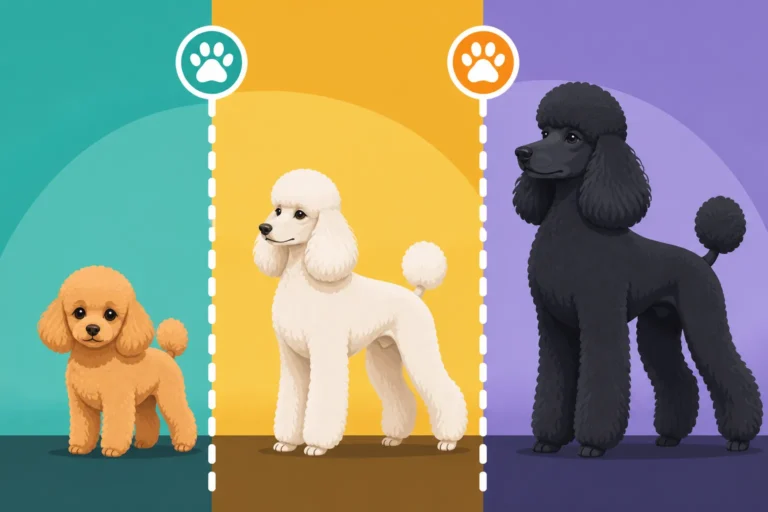
Smaller Poodles, namely Miniatures and Toys, became the perfect answer. A Miniature Poodle, typically 10-15 inches tall, and a Toy Poodle, under 10 inches, fit comfortably in smaller living spaces. They can stretch out on a rug without taking over the whole room, curl up on a smaller dog bed available from retailers like Chewy, and navigate tight hallways with ease. Their reduced size means less displacement of your own valuable living area, making them far more compatible with the architectural realities of city housing. For many, a small dog isn't just a preference; it's a necessity dictated by the size of their home.
Manageability and Convenience for City Dwellers
Beyond just fitting into a small apartment, the manageability of a smaller Poodle in a city environment is a huge advantage. Imagine navigating a busy street with a large, strong dog pulling on the leash. It can be a real struggle, not to mention a safety concern for both the dog and passersby. A Toy Poodle, on the other hand, is a breeze to walk. They’re less likely to accidentally knock over a child or a senior citizen, and they’re much easier to pick up and carry if the situation demands it – like dodging a busy intersection or navigating a crowded cafe.
Traveling with a smaller dog is also significantly simpler. Many airlines allow Toy Poodles to fly in the cabin under the seat in front of you, a stark contrast to the complexities and anxieties of transporting a larger dog in cargo. Public transportation, once a challenge with big breeds, becomes feasible with a smaller companion tucked safely in a carrier. Even daily needs like grooming or vet visits are often more straightforward; a small dog is easier to lift onto a grooming table or an examination table. Monthly Food Cost for a Toy Poodle also tends to be significantly lower than for a Standard, which is another practical consideration for many city budgets. You’ll find that everything from dog beds to toys and food, like options on Chewy, is scaled for these smaller companions, making ownership much more convenient.
Shifting Social Perceptions of Dogs
As cities grew, so did a shift in how dogs were viewed. No longer solely working animals, they increasingly became valued members of the family, cherished companions, and even symbols of status and fashion. This transition opened the door for breeds that were elegant, refined, and perhaps a bit more "decorative." The Poodle, with its distinctive coat and aristocratic bearing, fit this new social role perfectly.
Smaller Poodles, with their delicate features and ability to be styled in elaborate clips, became highly fashionable accessories in elite circles. They could be carried, pampered, and shown off at social gatherings, embodying a certain urban sophistication. This perception was a far cry from their rugged hunting past. While this might seem superficial, it was a powerful driver in the demand for smaller varieties. They represented a blend of loyal companionship and refined elegance that resonated with the urban elite, and eventually, with a broader segment of the city-dwelling population.
The Breeding Down Process and Its Outcomes
The Poodle’s journey from robust water retriever to charming city dweller wasn't a random accident; it was the result of deliberate and careful breeding over generations. This process, while successful, also came with its own set of considerations.
Deliberate Selection for Diminutive Size
To create the smaller Poodle varieties we know today, breeders engaged in a meticulous process of selective breeding. They would identify the smallest individuals within a litter of Standard Poodles and then breed those smaller dogs together. Over many generations, this consistent selection for reduced size led to the development of the Miniature Poodle, and then even further, the Toy Poodle. It wasn't simply a matter of finding a runty puppy; it was a focused effort to establish distinct, stable sizes.
This process required immense patience and a deep understanding of genetics. Breeders had to ensure that while reducing size, they were not inadvertently sacrificing the Poodle's core characteristics: its keen intelligence, its signature curly coat, and its generally outgoing and eager-to-please temperament. It was a balancing act, preserving the essence of the breed while adapting its physical form to suit new human lifestyles. This careful work ensured that even the smallest Poodle retained the proud heritage of its larger ancestors. When the Toy Poodle Was Standardized as a distinct variety, it marked a significant achievement in canine breeding history.
The Emergence of the Miniature and Toy Poodle
The Miniature Poodle first emerged, offering a medium-sized companion that was still agile and active but much more manageable than a Standard for those in smaller homes. They retained much of the Standard's athleticism but in a more compact package, making them excellent choices for families who enjoyed activities like obedience or agility but didn't have the space for a larger dog.
Following the Miniature, the Toy Poodle came into being, pushing the limits of small size even further. These tiny Poodles could weigh as little as a few pounds and were truly designed for indoor living and companionship. They are often ideal for seniors, those in very small apartments, or individuals seeking a dog that can be easily carried or kept close by. How Small a Toy Poodle Gets often surprises people, as these dogs can be incredibly petite. This diversification into three distinct sizes – Standard, Miniature, and Toy – allowed the Poodle breed to cater to a much wider range of living situations and preferences, cementing its popularity across various demographics, especially in urban areas.
Modern Day Relevance for Urban Pet Owners
Even today, in our increasingly urbanized world, the reasons city buyers originally sought smaller Poodles remain highly relevant. Space is still at a premium, and the desire for a manageable, portable companion is strong. Walk through any major city park, and you'll likely see plenty of smaller breeds, including Miniature and Toy Poodles, enjoying their outings. Their compact size makes them perfectly suited for apartment life, city commutes, and travel.
Furthermore, the Poodle's reputation as an intelligent, trainable, and low-shedding breed adds to its enduring appeal for urban pet owners. These qualities are highly valued in environments where cleanliness, good manners, and adaptability are crucial. Modern pet retailers like Chewy cater extensively to these smaller breeds, offering everything from pint-sized harnesses to specially formulated foods, underscoring their continued popularity and integration into urban lifestyles.
Balancing Size with Poodle Health and Temperament
While the breeding down process successfully created smaller Poodles perfect for city life, it's crucial to acknowledge that size reduction, like any selective breeding, can introduce specific health considerations. Responsible breeders meticulously work to maintain the overall health and sterling temperament that Poodles are known for.
Health Considerations in Smaller Poodles
When you breed dogs for specific traits, like extreme smallness, there can be unintended consequences for their health. Smaller Poodles, particularly Toys, can be more prone to certain conditions that are less common in their larger counterparts. For instance, Toy Poodle Kneecaps and Windpipes are often areas of concern. Luxating patella, where the kneecap slips out of place, is more prevalent in smaller breeds due to their delicate bone structure. Similarly, collapsing trachea, which affects the windpipe, can cause a characteristic "honking" cough and is more frequently seen in Toy Poodles.
Another important health consideration for very young Toy Poodle puppies is hypoglycemia, or low blood sugar. Blood Sugar Crashes in a Toy Poodle can be a serious issue, especially if a puppy doesn't eat frequently enough or expends too much energy. This requires diligent feeding schedules and careful monitoring from owners. This is why choosing a reputable breeder is absolutely paramount, one who is transparent about health testing their breeding stock and provides thorough guidance on care for their puppies. They understand these specific vulnerabilities and work to minimize their occurrence through responsible practices.
Maintaining the Poodle Temperament in All Sizes
One of the Poodle's most enduring and cherished qualities is its remarkable temperament: intelligent, vivacious, proud, and often possessing a delightful sense of humor. When breeders set out to create smaller versions, it was essential that these core personality traits were preserved. A tiny Poodle that was prone to extreme nervousness or aggression would not have become the beloved companion it is today.
Thankfully, Poodle breeders have largely succeeded in maintaining the breed's signature character across all three sizes. A Toy Poodle is still a Poodle at heart – eager to learn, responsive to training, and deeply devoted to its family. They possess the same sharp minds and sensitive natures as their Standard cousins, just in a more compact body. This consistency in temperament is a huge part of why Poodles continue to be such popular and successful companion animals, adapting beautifully to various roles and family dynamics without sacrificing their inherent "Poodle-ness."
The Enduring Appeal of All Poodle Sizes
While the urban environment undeniably drove the demand for smaller Poodles, it's important to remember that all three sizes have their unique appeal and advantages. The Standard Poodle remains a magnificent, athletic dog, thriving in active homes with space to run, excelling in dog sports, and often performing well as service animals. Poodle Lifespan Across the Three Sizes also varies somewhat, but generally, all Poodles are known for their longevity with good care.
The Miniature Poodle strikes a wonderful balance, offering a substantial dog in a more manageable size, capable of keeping up with active families while still being comfortable in smaller homes. And the Toy Poodle, the smallest of the trio, truly shines as the ultimate lap companion, portable pet, and devoted shadow for city dwellers and those seeking a less physically demanding friend. Each size caters to a different lifestyle, demonstrating the versatility and adaptability of this truly remarkable breed. Whether you're looking for a working partner, an active family dog, or a cuddly city companion, there's a Poodle size perfectly suited for you.
| Poodle Size | Typical Height (at shoulder) | Typical Weight | Ideal Living Environment | Key Advantages for City Life |
|---|---|---|---|---|
| Standard | 15 inches and up | 40-70+ lbs | House with yard, active lifestyle | Highly intelligent, athletic, great for dog sports |
| Miniature | 10-15 inches | 10-15 lbs | Apartment/smaller home, moderate activity | Good balance of size and energy, easily portable |
| Toy | Under 10 inches | 4-6 lbs | Apartment/very small home, low activity | Highly portable, fits tiny spaces, ideal lap dog |
Disclaimer
This article is for general informational purposes only and does not constitute professional advice. Laws, prices and regulations vary by location and change over time. Consult a qualified professional for guidance on your specific situation.