Whether a Doodle Sheds Less Than a Poodle
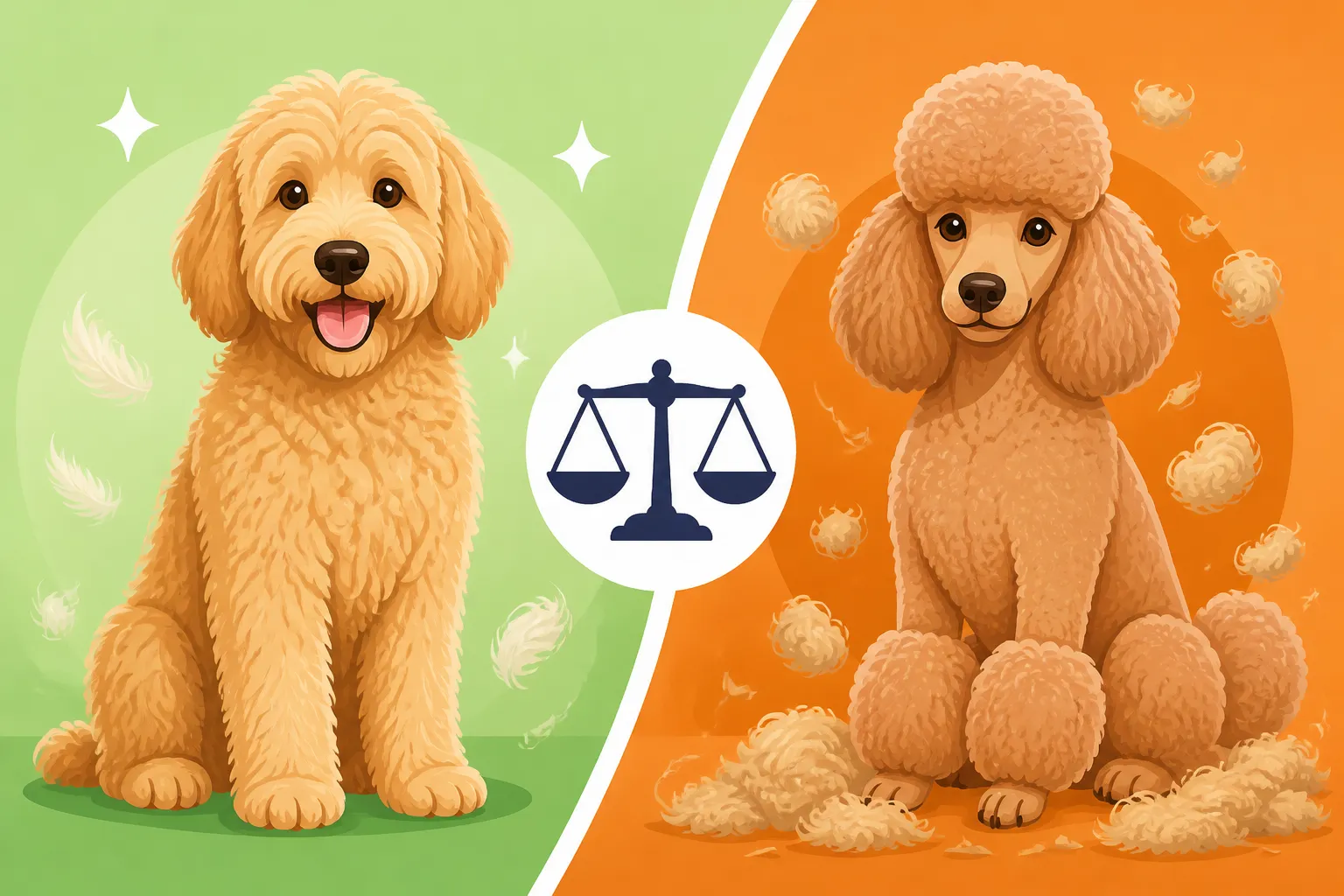
One of the biggest questions I hear, especially from folks new to the world of Poodles and their popular crossbreeds, the Doodles, is often about shedding. There's a persistent belief floating around that Doodles somehow shed less than Poodles, or that they're the ultimate non-shedding solution. Let me tell you, that notion often has it completely backward! This guide is here to untangle the curly truth about shedding, comparing the Poodle's predictable coat with the often-surprising genetics of a Doodle.
Understanding the Poodle Coat: The Original Low-Shedding Marvel
Before we even dive into Doodles, it's crucial to truly grasp what makes a Poodle's coat so special. For centuries, Poodles have been admired not just for their regal appearance and sharp minds, but for their unique, low-shedding qualities. This isn't just a happy accident; it's a fundamental characteristic of the breed.
The Poodle's Unique Hair Follicle Structure
Unlike most dogs who have fur that grows to a certain length, sheds, and then regrows in a seasonal cycle, Poodles have hair. Think of it like human hair – it grows continuously. This continuous growth cycle means that the individual hairs stay attached to the follicle for a much longer period than a typical dog's fur. When a Poodle's hair does eventually die and detach, it doesn't fall out and litter your floors and furniture in the same way.
Instead, the dead hair gets caught up in the dense, curly, surrounding coat. This is the magic behind the "non-shedding" claim. It's not that Poodles don't lose hair at all – every living creature sheds dead cells and hair – it's how their coat manages that shedding that makes all the difference. This characteristic is precisely Why a Poodle Has Hair Rather Than Fur. It's a key distinction that often gets lost in translation when people talk about "hypoallergenic" breeds.
What "Shedding" Looks Like for a Poodle
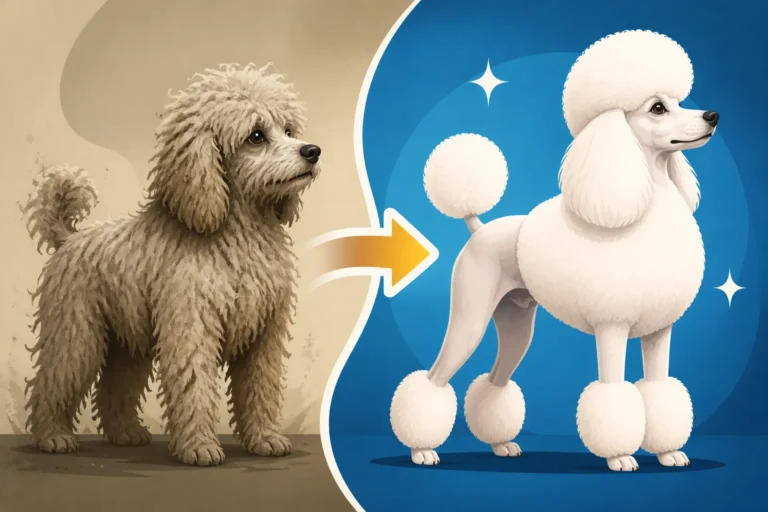
So, if a Poodle does shed, what does it look like? You won't typically find tumbleweeds of Poodle hair rolling across your living room floor. Instead, if left unbrushed, those dead hairs, trapped within the curls, will start to tangle with the growing hair. This is how mats form, those dense, felted clumps of hair that can pull at the skin and become incredibly uncomfortable for your dog.
The challenge with a Poodle isn't managing falling hair; it's managing the hair that stays in the coat. This is why regular and thorough brushing is non-negotiable for a Poodle owner. Without it, those mats can quickly become severe, potentially leading to skin infections, pain, and the necessity of a complete shave-down. Understanding this process is key to preventing problems, and it’s why it’s so important to learn Why a Poodle Coat Mats Instead of Shedding.
Grooming as a Shedding Management Tool
For a Poodle, grooming isn't just about looking sharp; it's an essential part of managing their unique coat and, by extension, their "shedding." When you brush a Poodle, especially using a technique called "line brushing," you're actively pulling out all those dead, trapped hairs. This leaves the coat clean, detangled, and healthy. Think of it as manually removing what other breeds would naturally drop.
A proper grooming routine, whether you do it yourself or rely on a professional, effectively removes all the hair a Poodle would otherwise "shed." This makes Poodles an excellent choice for individuals with allergies, not because they don't shed, but because their shedding is so easily contained and removed through routine care. You’ll need a good slicker brush and a sturdy metal comb to get down to the skin, ensuring you're not just brushing the surface. This is what it means to be Brushing a Poodle to the Skin, a technique every Poodle owner quickly masters.
The Doodle Equation: Unpredictable Genetics and Shedding
Now, let's talk about Doodles. The appeal is obvious: combining the Poodle's low-shedding, intelligent traits with another beloved breed's characteristics. However, what often gets overlooked is the inherent genetic lottery that comes with crossbreeding, especially concerning coat type and shedding.
The "Hybrid Vigor" Misconception
Many people are drawn to Doodles with the idea of "hybrid vigor," believing that mixing two breeds automatically results in a healthier, more superior dog. While hybrid vigor can have benefits in certain genetic contexts, it doesn't magically create a non-shedding, allergy-friendly dog every single time. When you cross a Poodle with a shedding breed, you introduce a wide spectrum of possibilities for the offspring's coat.
The genes responsible for shedding and coat texture are complex. In a first-generation (F1) Doodle, a puppy receives one set of genes from its Poodle parent and one from its shedding parent. The outcome is not always a perfect blend; it's a toss-up. Some puppies might inherit more of the Poodle's non-shedding traits, while others might lean heavily towards the shedding parent's coat. This is a fundamental difference in understanding How a Poodle Differs From a Doodle.
The Range of Doodle Coat Types
Doodles can present with a fascinating, and sometimes frustrating, array of coat types. Generally, they fall into three broad categories:
- Straight/Hair Coat: These Doodles have a coat that more closely resembles the non-Poodle parent – think Golden Retriever straight, or Labrador short. These dogs will shed, often just as much as their shedding parent, completely defeating the purpose for many seeking a low-shedding dog.
- Fleece Coat: This is often the most desired coat type, characterized by soft, wavy hair. It’s a lovely texture and often considered low to moderate shedding. However, "low shedding" isn't "no shedding," and these coats are still prone to matting because the shed hair gets caught in the waves, much like a Poodle, albeit often less intensely.
- Wool Coat: These coats are very Poodle-like, dense, and curly. They are generally the lowest shedding of the Doodle coats and are closest to the Poodle in texture and maintenance requirements. If you get a Doodle with a wool coat, you can expect the same vigorous grooming demands as a purebred Poodle to prevent mats.
The unpredictability of these coat types is why many first-time Doodle owners are surprised when their seemingly "hypoallergenic" puppy starts leaving hair everywhere.
Predicting Shedding in a Doodle Litter
For breeders and prospective owners, predicting a Doodle puppy's adult coat and shedding level can be incredibly challenging, especially in those initial F1 crosses. You might see a litter where some puppies have sleek, straight coats, others have wavy fleece, and a few have tight curls. This variability means that while one puppy from a litter might be genuinely low-shedding, its sibling might shed quite a bit.
Responsible Doodle breeders are now utilizing genetic testing to identify genes associated with shedding (like the FGF5 gene) and the presence of "furnishings" (the longer hair on the face, eyebrows, and legs often associated with the Poodle's non-shedding trait, typically linked to the RSPO2 gene). By selecting parent dogs with specific genetic markers, breeders try to increase the likelihood of low-shedding puppies. However, it's still not a 100% guarantee, and the science is constantly evolving. It truly underscores why it's so hard to say Whether Doodle Coats Are Predictable from just looking at a puppy.
Direct Comparison: Poodle Versus Doodle Shedding Reality
Let’s lay it all out there. The core difference between a Poodle and a Doodle when it comes to shedding is consistency versus variability.
The Consistent Low-Shedding of Purebred Poodles
When you bring a purebred Poodle into your home, whether it’s a tiny Toy Poodle or a majestic Standard Poodle, you can expect a consistently low-shedding coat. This isn't a gamble; it's a known characteristic of the breed, carefully maintained through generations of selective breeding. Owners of Poodles know what they’re getting: a dog whose hair requires regular grooming to remove trapped, dead strands, rather than constant vacuuming to pick up shed fur.
This predictability is a huge advantage for families with allergies, or simply for those who prefer a cleaner home. The Poodle's coat, across all three sizes, behaves in the same fundamental way. The phrase Why Poodles Are Called Non-Shedding isn't just marketing; it's a description of a consistent biological reality in the breed. Yes, you might find a few hairs here and there, especially if you haven't brushed recently, but it's nothing like the constant coat turnover of a double-coated breed.
The Inconsistent Reality of Doodle Shedding
With Doodles, the reality is far more varied. You might get lucky and have a Doodle that inherits primarily Poodle-like coat genes, resulting in very minimal shedding. These are the Doodles that fuel the "Doodles don't shed" narrative. However, you could just as easily end up with a Doodle that sheds moderately, or even heavily, much like their shedding parent breed. This is particularly true for first-generation crosses where the genetic lottery is at its most unpredictable.
For those with allergies, this inconsistency is a major concern. A Doodle with a straight or light fleece coat is much more likely to trigger allergic reactions than a Poodle or a Doodle with a dense wool coat. The idea that all Doodles are "hypoallergenic" is a widespread myth that has led to many heartbroken families realizing their new puppy is indeed making them sniffle and sneeze. Understanding whether a Doodle suits an allergy sufferer is about managing expectations and understanding genetics, not just hoping for the best.
Grooming Demands: More Similar Than You Think
Here's another crucial point often missed: even if a Doodle does end up with a low-shedding, Poodle-like coat (fleece or wool), it doesn't mean it's low-maintenance! In fact, these coats are just as prone to matting as a purebred Poodle's, and often even more so due to variations in texture. Those beautiful waves and curls require just as much, if not more, diligent brushing and professional grooming to stay tangle-free.
Many Doodle owners find themselves spending just as much time and money on grooming as Poodle owners, sometimes even more if their Doodle's coat is a particularly challenging mix of textures. The notion that Doodles are an "easy care" version of a Poodle is often far from the truth when it comes to coat maintenance. The sheer cost and time commitment of keeping a Poodle coat healthy and mat-free is significant, and Doodles with Poodle-like coats will demand a similar investment. This includes not just the groomer's bill, but the initial purchase of quality brushes and combs, and potentially even clippers for at-home maintenance. This is all part of What Grooming Adds to a Poodle's Lifetime Cost.
Making an Informed Decision: Beyond the Shedding Myth
Choosing a dog, especially when shedding or allergies are a concern, requires careful thought and research beyond popular trends.
Prioritizing Predictability and Health
When selecting a canine companion, especially one you hope will be low-shedding, predictability is your best friend. Purebred Poodles offer that predictability. Their coat type is well-established, and reputable breeders dedicate themselves to preserving the breed's characteristics, including its coat texture. When researching any breed, whether purebred or a cross, focus on breeders who are transparent about health testing, temperament, and the genetic background of their dogs. They should be able to discuss the likelihood of certain coat types and shedding levels based on the parentage.
A good breeder will be open about the challenges and responsibilities that come with their puppies, not just the attractive qualities. They should be able to provide clear health clearances for the parent dogs and explain what those clearances mean. This diligence is crucial for Finding a Poodle Breeder Who Tests, and it applies equally to those who breed Doodles responsibly, though the genetic outcomes are inherently less certain in a cross.
Embracing the Grooming Commitment
Whether you choose a purebred Poodle or a low-shedding Doodle, you must be prepared for a significant grooming commitment. These aren't wash-and-wear dogs. Their coats require regular brushing (often daily or every other day), professional grooming every 4-8 weeks, and the right tools. Failing to commit to this maintenance will not only lead to an uncomfortable, matted dog but can also result in higher grooming bills when professionals have to spend extra time de-matting or, more commonly, resort to a full shave-down.
It's vital to be realistic about the time, effort, and financial investment involved. Many people underestimate this aspect of Poodle or Doodle ownership, only to find themselves overwhelmed. Factor in these costs and time commitments from the very beginning. Remember that Budgeting for a Poodle Coat That Never Stops is a lifetime commitment, not just a one-off expense.
Looking Beyond the "Hypoallergenic" Label
The term "hypoallergenic" itself is often misunderstood. It doesn't mean "no allergens." It simply means "less allergens" or "less likely to cause an allergic reaction." No dog is 100% hypoallergenic, as people can be allergic to dander (skin flakes), saliva, or urine, not just hair. However, breeds like the Poodle, with their continuously growing hair that traps shed dander, are indeed a much safer bet for allergy sufferers than shedding breeds.
The issue with Doodles is that their "hypoallergenic" status is a lottery. While some Doodles may genuinely be less allergenic, others will not be, depending on the coat genes they inherited. If allergies are a serious concern in your household, a purebred Poodle offers the most predictable and consistently low-allergenic coat type. Always spend time with any dog you're considering, if possible, to test for allergic reactions before making a lifelong commitment.
| Feature | Purebred Poodle | Doodle (F1/F1B/Multi-Gen) |
|---|---|---|
| Shedding Level | Consistently very low | Highly variable: can be very low, moderate, or heavy (like non-Poodle parent) |
| Coat Type | Predictably dense, curly, continuous growth | Variable: straight (shedding), fleece (wavy, low-moderate shedding), wool (curly, low shedding) |
| Allergy Friendliness | High due to trapped dander | Variable, depends entirely on inherited coat type; no guarantee |
| Grooming Needs | High: regular brushing, professional clipping to prevent mats | High for fleece and wool coats; moderate for straight coats (less matting, more shedding) |
| Predictability | High for coat type and shedding | Low for coat type and shedding in early generations; improves with careful breeding but still not 100% |
Disclaimer
This article is for general informational purposes only and does not constitute professional advice. Laws, prices and regulations vary by location and change over time. Consult a qualified professional for guidance on your specific situation.