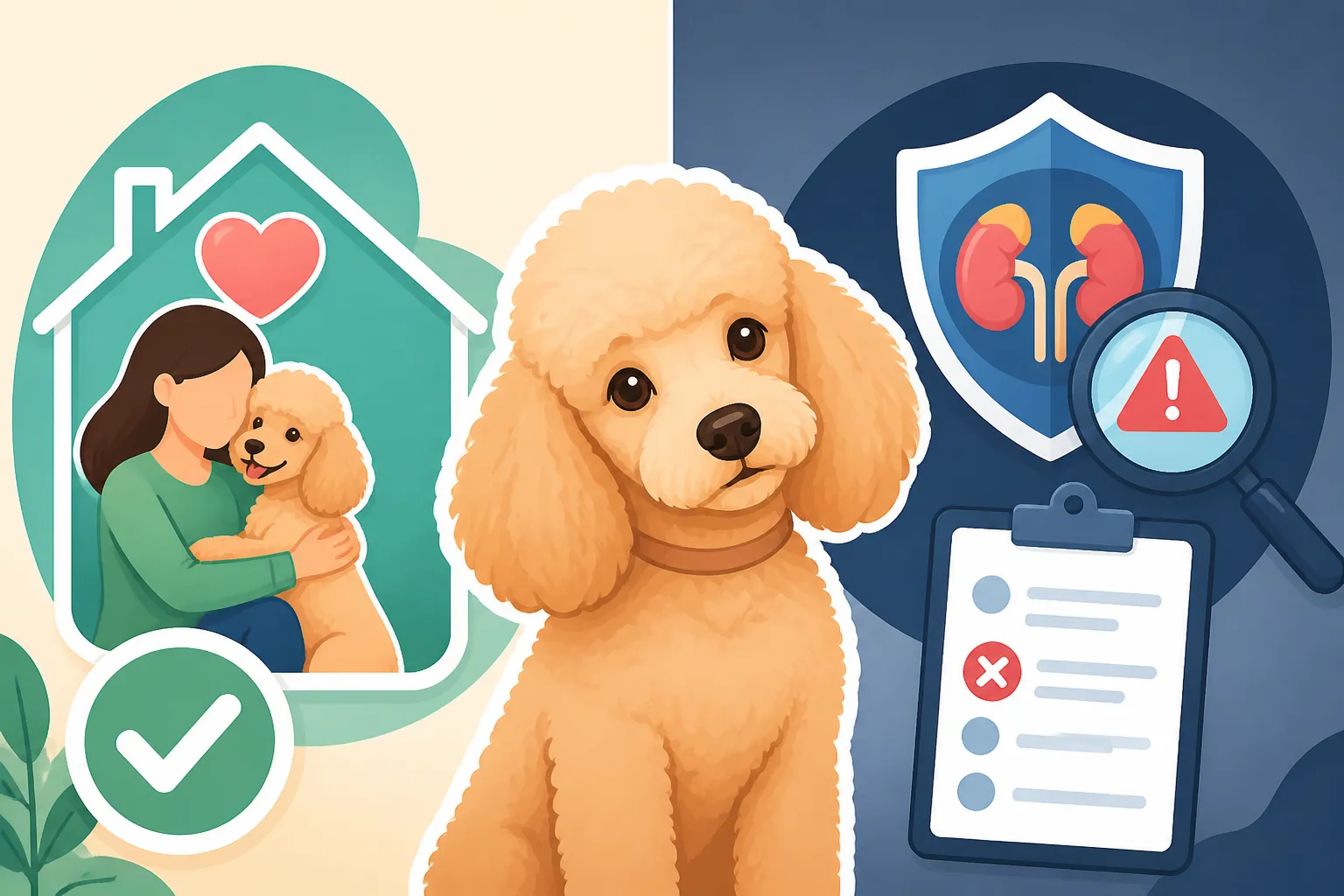
Whether Adopting Makes a Poodle’s Addison’s Pre-Existing
Bringing a new Poodle into your life is such a joyous occasion, filled with anticipation of wagging tails and cuddles. But for those kind souls opening their homes to a rescue Poodle, especially one with a known health condition like Addison's disease, a nagging fear often crops up: will adopting this sweet dog mean you're forever stuck with astronomical vet bills, completely unprotected by pet insurance? It's a completely valid concern, and one that weighs heavily on many hearts. This guide is here to shed light on how pet insurance companies typically view pre-existing conditions like Addison's, and what you can realistically expect when welcoming a Poodle with this chronic illness into your family.
Understanding "Pre-Existing Conditions" in Pet Insurance
The term "pre-existing condition" is perhaps the most crucial piece of jargon to understand when it comes to pet insurance. It's also where many hopeful pet parents find themselves scratching their heads, feeling a mix of frustration and confusion. It's not always as straightforward as it seems, but for chronic conditions like Addison's, the rules tend to be pretty firm.
The Standard Definition
At its core, a pre-existing condition, in the eyes of pet insurance providers, is any illness, injury, or symptom that first manifested or was diagnosed before your policy's effective date or during its waiting period. This waiting period is super important; it's a specific amount of time, usually 14-30 days for illnesses, that you must hold the policy before coverage for certain conditions begins. So, if your Poodle started showing signs of lethargy or vomiting (common early signs of Addison's) on day 10 of a 14-day waiting period, even if you hadn't seen a vet yet, that condition would likely be considered pre-existing once diagnosed.
The tricky part is that it's not just about a formal diagnosis from a vet. Many policies look at symptoms. If your Poodle had been experiencing intermittent GI upset or unusual fatigue for weeks before you got insurance, and then after your waiting period you finally get a diagnosis of Addison's, the insurer might still consider it pre-existing because the symptoms were present beforehand. This is why getting insurance before any health issues arise is always the gold standard, though often not an option for rescue pets.
Why Addison's is Tricky
Addison's disease, also known as hypoadrenocorticism, is particularly challenging when it comes to insurance because it's an incurable, chronic condition that requires lifelong management. It's often referred to as "the great pretender" because its symptoms can mimic so many other common ailments – lethargy, vomiting, diarrhea, loss of appetite. These vague signs can make early diagnosis difficult, and by the time it's confirmed, it's undeniably present. Poodles, especially Standard Poodles, are sadly among the breeds predisposed to this genetic condition, which further complicates matters. You can learn more about this by reading our in-depth article on Addison's Disease in Standard Poodles.
Because Addison's requires consistent medication, often monthly injections and daily oral corticosteroids, as well as regular blood work to monitor electrolyte levels, it represents a significant, ongoing financial commitment. Unlike a broken bone that heals, Addison's doesn't go away. This chronic nature means that once an insurer identifies it as pre-existing, they're generally not going to cover any of the related costs, ever. They simply can't take on the financial burden of a known, expensive, and lifelong condition that already exists.
The Impact of Adoption Date vs. Diagnosis Date
This is a point of common misunderstanding. Many adopters hope that because they just adopted their Poodle, and the condition was diagnosed before they took ownership, it somehow won't count against them. Unfortunately, for pet insurance purposes, the adoption date is largely irrelevant to the "pre-existing" definition. What matters is the Poodle's health history prior to your insurance policy's effective date and the end of any waiting periods.
If your rescue Poodle had already been diagnosed with Addison's by the time you adopted them, or if they had documented symptoms pointing to Addison's even without a formal diagnosis from the shelter or rescue vet, it will almost certainly be classified as pre-existing. The insurance company's responsibility begins when your policy is active and the waiting periods have passed, for new conditions that arise after that point. They aren't in the business of retroactively covering conditions that your pet already had when you signed up. This is a tough pill to swallow, but it's the reality of how these policies are structured to manage risk and keep premiums affordable for everyone else.
Navigating Pet Insurance with a Poodle Diagnosed with Addison's
So, what does this all mean for you and your beloved Poodle? It means setting realistic expectations and understanding where pet insurance can and cannot help. It's not always the complete financial safety net we wish it could be for every scenario.
The Reality of Coverage Exclusion
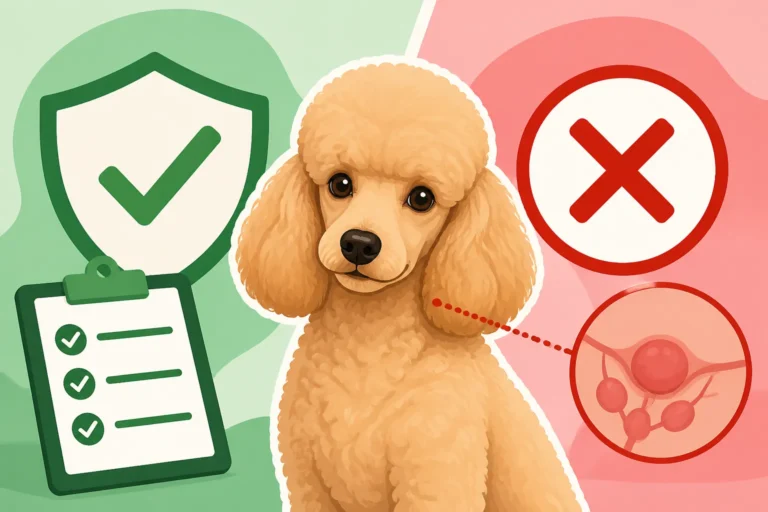
Let's be blunt: if your Poodle has a confirmed diagnosis of Addison's disease before you enroll in pet insurance, or if symptoms related to Addison's were documented before your policy began or during the waiting period, virtually all conventional pet insurance providers, including well-known names like Healthy Paws, will exclude it from coverage. This isn't unique to Addison's; it applies to any chronic condition that existed before the policy started. Insurers design their plans to cover unexpected illnesses and accidents, not conditions that were already known or actively developing.
This exclusion means that all costs associated with managing Addison's – the regular Monthly Medication Costs for an Addisonian Poodle, blood tests to monitor electrolyte levels, vet visits specifically for Addison's management, and any emergency treatments for an Addisonian crisis – will be out of pocket. It can feel like a punch to the gut when you're already trying to do your best for your new furry family member, but understanding this upfront allows you to plan accordingly.
Potential Exceptions and Specific Policy Nuances
While Addison's itself is almost universally considered an incurable pre-existing condition, it's worth noting that some pet insurance policies do make exceptions for curable pre-existing conditions. For example, if your Poodle had a bout of kennel cough a year ago and has been symptom-free since, some policies might cover it again after a specific symptom-free period (often 6-12 months). However, Addison's doesn't fit this mold; it's a lifelong condition without a cure.
It's also crucial to distinguish between the primary condition and entirely unrelated conditions. While Addison's will be excluded, your insurance will still cover new, separate health issues or accidents that arise after your policy is active and waiting periods are met. For instance, if your Poodle later develops an ear infection, or breaks a leg, or is diagnosed with a completely different illness like cancer that isn't connected to their Addison's, those conditions would typically be covered according to your policy's terms.
Always, always read the fine print of any policy you're considering. Look specifically for sections on "pre-existing conditions," "exclusions," and "waiting periods." Some policies might have slightly different definitions or clauses, but for chronic, incurable conditions like Addison's, the outcome is usually the same. If you are uncertain about What an Addison's Test Costs for a Poodle or if specific procedures will be covered, don't hesitate to call the insurance provider directly and speak with a representative to get clear answers in writing.
What You Can Still Insure
Even with a pre-existing Addison's diagnosis, securing pet insurance for your Poodle can still be a smart move for other unforeseen circumstances. Life happens, and Poodles, like all dogs, can encounter accidents or develop new, unrelated health problems.
For instance, imagine your Poodle twists an ankle during a spirited game of fetch, or develops Poodle Dental Disease by Size requiring extractions, or perhaps a sudden infection or even an unrelated cancer. These are all significant financial hits that insurance can help with. While the primary reason for seeking insurance might have been to cover the known Addison's, having coverage for everything else can provide immense peace of mind. It acts as a safety net for the unexpected, allowing you to make medical decisions based on your Poodle's best interest rather than your immediate financial limitations. Think of it as protecting yourself from the next surprise, even if the current one isn't covered.
Financial Strategies for Poodles with Pre-Existing Addison's
Knowing that pet insurance likely won't cover your Poodle's Addison's diagnosis doesn't mean you're out of options. It just means you need to get creative and proactive with your financial planning. There are several robust strategies you can employ to ensure your Poodle receives the best possible care without completely draining your bank account.
Self-Insurance and Dedicated Savings
When traditional pet insurance won't cover a chronic, pre-existing condition, establishing a dedicated savings fund essentially becomes your "self-insurance" policy. This is arguably the most common and often most effective strategy. Start by estimating the annual costs of your Poodle's Addison's management, which will include Monthly Medication Costs for an Addisonian Poodle and regular vet check-ups. Many Poodles with Addison's need monthly injections of desoxycorticosterone pivalate (DOCP), such as Percorten-V or Zycortal, along with daily prednisone. These can quickly add up.
Once you have a ballpark figure, set up an automatic transfer from your checking account into a separate savings account specifically for your Poodle's medical needs. Even a small amount weekly or bi-weekly can accumulate surprisingly fast. For instance, if you aim to save $100-$200 a month, you'll have $1,200-$2,400 by the end of the year. This fund can cover routine Addison's care and also serve as an emergency buffer. If you're looking for savings on routine supplies, remember that online retailers like Chewy often offer autoship discounts on food and other essentials, which can free up a little extra cash for your medical fund.
Discount Plans and Wellness Programs
While not insurance, many veterinary clinics and third-party companies offer pet wellness plans or discount programs. These plans typically cover routine preventative care like annual exams, Poodle Vaccination and Preventive Schedule, and sometimes even dental cleanings. They often involve a monthly fee and can provide significant savings on standard vet services.
While these plans generally won't cover Addison's treatment directly, they can help manage other regular veterinary expenses, indirectly freeing up funds for your Poodle's Addison's medication and monitoring. For example, if your annual wellness exam and blood work (unrelated to Addison's monitoring) are covered or heavily discounted, that's money you can put towards your Poodle's DOCP injection. Some discount programs also offer a percentage off all veterinary services, which could potentially apply to aspects of your Addison's care not explicitly excluded by the program. It's always worth asking your veterinarian if they offer such plans or if they recommend any reputable third-party options.
Assistance Programs and Rescue Support
You are not alone in caring for a Poodle with Addison's. Many organizations are dedicated to helping pet owners manage medical costs. Breed-specific Poodle rescues often have benevolent funds specifically for dogs with chronic conditions like Addison's. If you adopted your Poodle from a rescue, reach out to them. They may have resources, connections to discounted medications, or even financial aid programs to help Taking On a Poodle With Addison's. Some larger rescues have relationships with vets who offer services at a reduced rate for their alumni.
Additionally, national non-profit organizations like The Pet Fund, RedRover, or Brown Dog Foundation offer financial assistance to pet owners facing significant veterinary bills. While these programs often prioritize emergency or life-threatening situations, it's worth exploring if they have aid for ongoing chronic care, especially during an Addisonian crisis. Be prepared to fill out applications and provide detailed veterinary records.
Food and Medication Management
Managing the ongoing costs of Addison's also involves smart choices in daily care. For Poodles with Addison's, consistent, high-quality nutrition is vital. While popular fresh food brands like Ollie offer excellent choices for many dogs, it's important to consult your vet. Some Poodles with Addison's, especially if they have concurrent digestive sensitivities, might benefit from specific Whether Prescription Diets Suit a Poodle that your veterinarian can recommend. These diets can sometimes be more expensive, so factor that into your budget.
When it comes to medication, always discuss generic options with your vet. For instance, if your Poodle is on daily prednisone, a generic version can often be significantly cheaper than the brand name. Purchasing larger quantities of medication (e.g., a 90-day supply instead of a 30-day supply) can sometimes offer a price break. Also, explore reputable online pharmacies like Chewy's pharmacy or local compounding pharmacies for competitive pricing on medications. Always ensure the pharmacy is legitimate and requires a prescription from your veterinarian.
By combining self-insurance with careful medication management and exploring available programs, you can create a robust financial plan for your Addisonian Poodle.
| Feature | Pet Insurance (for pre-existing Addison's) | Dedicated Savings Fund |
|---|---|---|
| Coverage Scope | Excludes Addison's (and related conditions) | Covers all Addison's related costs |
| Cost Predictability | Monthly premium, but Addison's costs are out-of-pocket | You control savings, but actual costs can vary month-to-month |
| Emergencies | Covers unrelated emergencies/accidents | Relies solely on funds saved |
| Eligibility | Not eligible for Addison's coverage | Always "eligible" as it's your money |
| Flexibility | Policy terms dictate what's covered | You decide how and when to spend the money |
| Peace of Mind | Provides peace of mind for new conditions | Provides peace of mind for Addison's and other needs if funded well |
| Brands | Examples: Healthy Paws (for new conditions) | Self-managed; can use Chewy for medication/food discounts |
Remember, while insurance won't cover the pre-existing Addison's, it's still worth considering Insuring a Poodle Against Addison's and Bloat for everything else that could unexpectedly arise. Standard Poodles, for instance, are also prone to bloat, a life-threatening emergency, and having coverage for conditions like that or other accidents is invaluable. Knowing When a Poodle's Addison's Stops Responding and being able to explore all treatment options without financial constraint is the ultimate goal.
Disclaimer
This content is intended for informational purposes only and should not be taken as professional medical or financial advice. Always consult with your veterinarian for specific health concerns regarding your Poodle and speak with a qualified insurance agent to understand the specifics of pet insurance policies. Policy terms and conditions vary widely between providers and can change.