Whether a Poodle Policy Excludes Adenitis
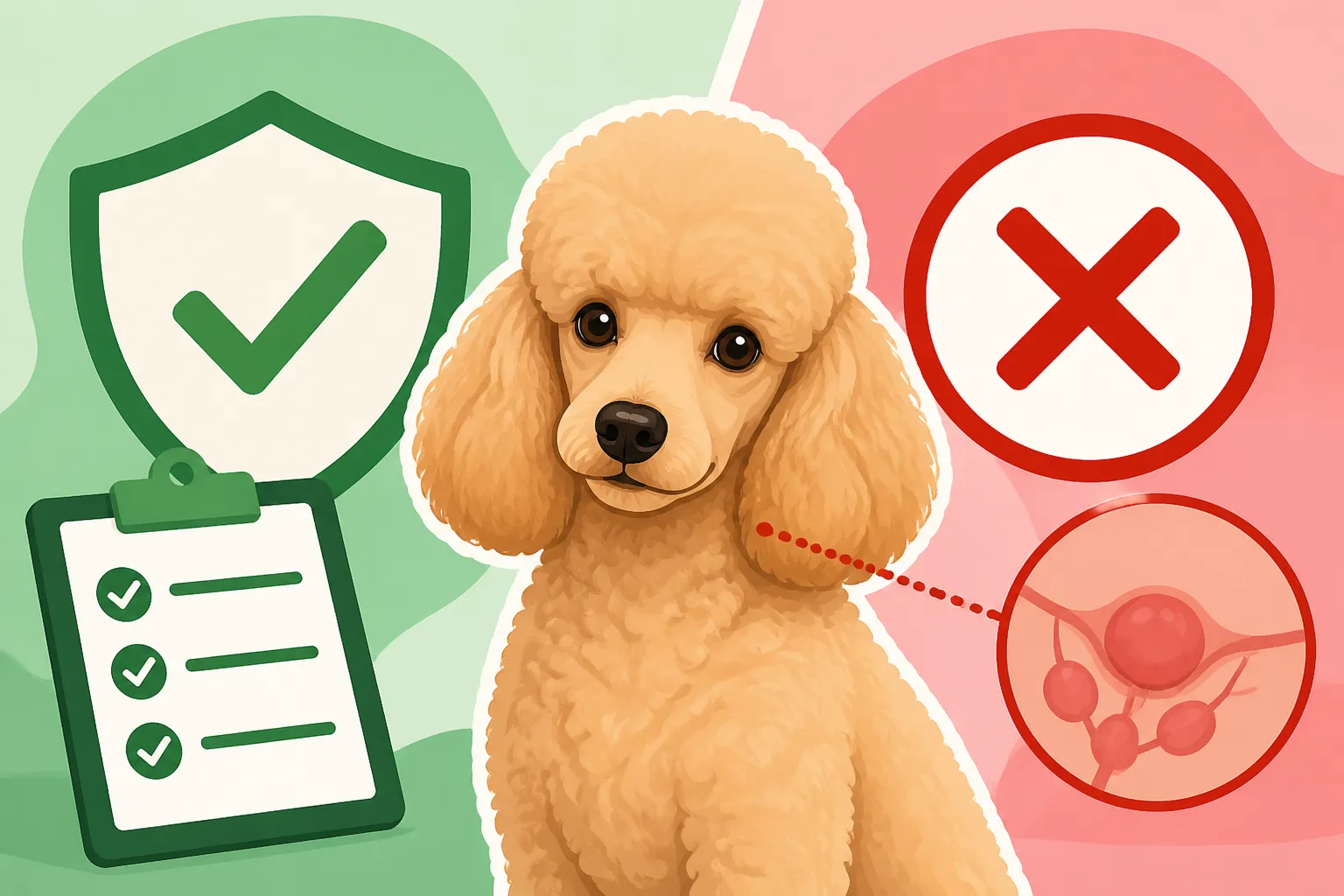
Few things hit harder for a Poodle owner than getting a diagnosis for a chronic condition, only to realize that the pet insurance policy you diligently pay for might not cover it. It's a truly heartbreaking scenario, and for conditions like Sebaceous Adenitis (SA), which can have subtle beginnings, the question of whether a poodle policy excludes adenitis often boils down to when the condition was first observed versus when the policy was enacted. This guide will walk you through the complexities of pet insurance and autoimmune diseases like SA, helping you understand what to look for, what questions to ask, and how to best prepare for your Poodle's health journey.
Understanding Sebaceous Adenitis in Poodles: The Silent Skin Condition
Sebaceous Adenitis (SA) is a truly frustrating and often misunderstood autoimmune skin disease that predominantly affects Standard Poodles, though it can appear in other Poodle varieties and breeds. It's not just a superficial skin issue; it's a condition where the dog's immune system mistakenly attacks and destroys the sebaceous glands, which are responsible for producing the oily sebum that keeps skin and hair healthy. When these glands are damaged, the skin and coat suffer immensely.
What is Sebaceous Adenitis? Symptoms, Diagnosis, and Progression
The early signs of Sebaceous Adenitis can be quite deceptive, which is a major part of the insurance problem we'll discuss. Initially, you might just notice your Poodle's coat looking a bit dull, perhaps a little flaky, particularly along the topline and ears. This might just seem like dry skin, easily dismissed. As it progresses, though, the hair shafts can become brittle, leading to excessive hair loss, especially in patches, giving a "moth-eaten" appearance. You might see scaling, crusting, and thickening of the skin, sometimes accompanied by a distinctive, rather unpleasant odor as secondary bacterial or yeast infections take hold. Imagine your beautiful Poodle, known for its luscious coat, suddenly looking disheveled and uncomfortable. It's truly distressing for owners to witness.
For some Poodles, the disease can be mild and localized, but for others, it can be severe and generalized, covering large areas of the body. The intense itching, discomfort, and risk of secondary infections really impact their quality of life. Diagnosing SA isn't always straightforward because its symptoms can mimic other skin conditions, including allergies or even hypothyroidism. Typically, a definitive diagnosis requires a skin biopsy. Multiple skin samples are taken, usually under sedation or general anesthesia, and examined by a veterinary dermatopathologist to confirm the destruction of the sebaceous glands. Without this specific biopsy, it's very hard to say for sure if it's SA, which complicates early insurance claims. If you've ever wondered about the specifics of "How Adenitis Shows Up on a Poodle's Back", it's often a symmetrical pattern of hair loss and scaling starting from the spine.
Why Poodles are Prone to SA: Genetic Predisposition
The reason SA is such a concern for Poodle owners is its strong genetic component. Standard Poodles, in particular, have a well-documented genetic predisposition to this autoimmune disease. It's believed to be an autosomal recessive trait, meaning a Poodle needs to inherit two copies of the defective gene (one from each parent) to develop the condition. This genetic vulnerability is part of a broader discussion about "Why Standard Poodles Carry Two Autoimmune Diseases", as they are also prone to Addison's disease.
Responsible breeders are deeply aware of this risk and strive to minimize it through careful selective breeding and genetic testing. However, even with the best intentions, the complexity of genetic inheritance means SA can still appear. The genetic predisposition makes early detection and understanding insurance coverage even more critical. When symptoms do emerge, often between one and five years of age, it's a painful realization that your Poodle's immune system is attacking its own body, requiring lifelong management rather than a simple cure. This genetic link is precisely why, as owners, we need to be extra vigilant and proactive about insurance.
The Pet Insurance Landscape and Pre-Existing Conditions
Pet insurance can be a lifeline when unexpected illness or injury strikes, potentially saving you thousands of dollars in veterinary bills. However, understanding what a policy actually covers, and more importantly, what it doesn't, is absolutely crucial. This is especially true when dealing with breed-specific conditions like Sebaceous Adenitis in Poodles.
Types of Pet Insurance Coverage
When you're looking into pet insurance, you'll generally find a few main types of plans:
- Accident-Only Plans: These are the most basic and typically the least expensive. They cover costs associated with accidents like broken bones, foreign object ingestion, or getting hit by a car. They do not cover illnesses, chronic conditions, or breed-specific diseases like SA. While better than nothing, an accident-only plan wouldn't offer any help for SA treatment.
- Accident & Illness Plans: These are the most popular and comprehensive plans. They cover accidents, as well as a wide range of illnesses, from ear infections and allergies to cancer, diabetes, and, crucially, chronic conditions like Sebaceous Adenitis, provided the condition isn't deemed pre-existing. These plans often have customizable deductibles, reimbursement percentages (e.g., 70%, 80%, 90% of the vet bill), and annual limits. This is the type of plan Poodle owners should focus on for SA coverage.
- Wellness Plans/Riders: These are typically add-ons or separate plans that cover routine and preventive care, such as annual check-ups, vaccinations, deworming, and sometimes even grooming or dental cleanings. While very helpful for managing everyday pet care costs, they are generally not designed to cover the diagnosis or ongoing treatment of a specific illness like SA. Some policies might offer a small allowance for diagnostics, but it won't be enough for the extensive testing and long-term care SA requires.
It's vital to know that most pet insurance policies operate on a reimbursement model. This means you pay the vet bill upfront, and then submit a claim to your insurance provider for reimbursement based on your policy's terms.
Common Exclusions and Limitations
Beyond the blanket "pre-existing condition" exclusion, which we'll dive into next, most pet insurance policies have other common limitations and exclusions you need to be aware of:
- Routine/Preventive Care: As mentioned, unless you have a specific wellness plan or rider, routine exams, vaccinations, and prophylactic treatments are generally not covered by accident & illness plans.
- Cosmetic Procedures: Things like tail docking, ear cropping (unless medically necessary due to injury), and purely aesthetic grooming are usually excluded.
- Elective Procedures: Certain elective surgeries or procedures that aren't medically essential might not be covered.
- Bilateral Conditions: Some policies might have specific rules for bilateral conditions (conditions that can affect both sides of the body, like luxating patellas or cruciate ligament tears). If one side was affected before coverage began, the other side might also be considered pre-existing, even if it hasn't shown symptoms yet. This isn't directly applicable to SA in the same way, but it highlights how insurers can interpret conditions.
- Waiting Periods: All policies have waiting periods before certain coverages kick in. There's typically a short waiting period for accidents (e.g., 2-3 days) and a longer one for illnesses (e.g., 14-30 days). Some may even have extended waiting periods for orthopedic conditions. Any condition diagnosed or showing symptoms during this waiting period will be considered pre-existing and excluded from coverage. This is a critical factor for SA.
Understanding these various exclusions and limitations is crucial for managing expectations and avoiding frustrating surprises down the line. It's not just about finding a policy that says it covers "skin conditions" but understanding the specific nuances that might apply to your Poodle's situation.
Navigating the "Pre-Existing" Minefield for Autoimmune Diseases
This is where the rubber meets the road for Poodle owners considering pet insurance for conditions like Sebaceous Adenitis. The "pre-existing condition" clause is, without a doubt, the most significant hurdle. It's the primary reason many owners find themselves in a difficult financial position when their beloved Poodle receives an SA diagnosis.
Defining "Pre-Existing" in Pet Insurance
So, what exactly is a pre-existing condition in the eyes of pet insurance providers? Generally, it's any illness or injury that your Poodle showed signs of, or was diagnosed with, before your insurance coverage began or during the policy's waiting period. This definition can be frustratingly broad. It's not just about a formal diagnosis from a vet; if your Poodle exhibited any symptoms related to the condition before your policy's effective date, the condition could be deemed pre-existing.
For an autoimmune disease like SA, this becomes particularly challenging. Imagine your Poodle starting to have some dry, flaky skin at 10 months old. You might think it's just puppy dandruff or a reaction to a new shampoo. You mention it to the vet during a routine check-up, and they suggest a moisturizing shampoo. Six months later, the symptoms worsen, and a biopsy confirms SA. If you purchased your pet insurance after that initial vet visit where the dry skin was noted, the insurer could argue that the symptoms of SA were already present, thus making the SA a pre-existing condition, even though the definitive diagnosis came much later. This interpretation is often the source of immense frustration for pet parents who acted in good faith but didn't know the full implications of those early, seemingly minor symptoms.
Impact of Undiagnosed Symptoms
This leads directly to the impact of undiagnosed symptoms. Many chronic conditions, especially autoimmune ones, don't just appear overnight with a clear diagnosis. They often have a prodromal phase, where subtle signs are present but not yet recognized as a specific disease. For Sebaceous Adenitis, this could be:
- Mild flaking or dandruff: Easy to attribute to dry air, diet, or incomplete rinsing after a bath.
- Dullness of coat: Could be diet, grooming frequency, or even just lighting.
- Slight thinning of hair: May be missed under a Poodle's thick coat or dismissed as normal shedding.
If your Poodle exhibits any of these subtle symptoms, and they are documented in your veterinary records before your insurance policy starts, the subsequent diagnosis of SA will almost certainly be excluded. Insurance companies will request your Poodle's complete vet history when you file a claim, and they will meticulously review it for any mention of symptoms related to the diagnosed condition.
This is a stark reminder of why it's so important to "Insuring a Poodle Before Any Diagnosis". The best time to get pet insurance is when your Poodle is a young puppy, healthy, and has no pre-existing conditions documented.
Waiting Periods and SA
Every pet insurance policy includes waiting periods – specific durations of time that must pass after your policy's effective date before coverage for certain conditions begins. As mentioned earlier, these typically include:
- Accident Waiting Period: Usually short, around 2-14 days.
- Illness Waiting Period: Generally longer, 14-30 days.
If any symptoms of Sebaceous Adenitis, no matter how mild, appear or are diagnosed during the illness waiting period, the condition will be considered pre-existing and excluded from coverage. This means if you enroll your Poodle today, and three weeks later, you notice significant hair loss and flaking that leads to an SA diagnosis, the policy likely won't cover it because the symptoms manifested within the waiting period.
This scenario underscores the importance of not delaying getting pet insurance. The longer you wait, the higher the chance that any health issue, including the early, subtle signs of SA, might pop up and be categorized as pre-existing. It's a gamble, and for a breed prone to conditions like SA, it's a gamble that often doesn't pay off in the owner's favor.
Strategic Steps to Insure Your Poodle Against Future Health Issues
Understanding the pitfalls of pre-existing conditions can feel overwhelming, but there are proactive steps you can take as a Poodle owner to protect your furry friend and your finances. The key is planning ahead and making informed decisions before any health concerns arise.
Insuring a Puppy vs. Adult Poodle
The ideal time to enroll your Poodle in pet insurance is when they are a healthy puppy, typically between 8 weeks and 6 months old. At this stage, they are least likely to have developed any chronic conditions, and their vet records will generally be clear of any "pre-existing" markers.
- Puppy Enrollment: When you insure a puppy, you are essentially securing coverage for their entire life, ensuring that most conditions that arise later – like Sebaceous Adenitis – will be covered, provided they occur after waiting periods. This gives you peace of mind that as your Poodle grows, any new health challenges will be met with financial support. It's often easier to get comprehensive coverage for puppies with fewer exclusions.
- Adult Poodle Enrollment: While still possible and highly recommended, insuring an adult Poodle can be trickier. You'll need to submit their full veterinary history, and any conditions, symptoms, or even minor concerns noted in their past records could lead to exclusions. For instance, if your adult Poodle had a bout of "dry skin" noted at age two, and you're trying to insure them at age five, a new diagnosis of SA will likely be considered pre-existing. It's still worth getting coverage for adult Poodles for new, unrelated conditions or accidents, but be prepared for potential limitations based on their medical history.
The takeaway here is simple: if you're bringing a Poodle puppy into your home, prioritize getting pet insurance as one of your very first tasks, right alongside finding a reputable vet and choosing their first bag of puppy food.
The Importance of Early Enrollment
Early enrollment is the golden rule of pet insurance, especially for breeds with known predispositions to genetic or autoimmune conditions like Sebaceous Adenitis. Think of it like this: you wouldn't buy flood insurance when your basement is already underwater. Similarly, pet insurance is designed to protect against future unknown events, not current or past ones.
By enrolling your Poodle when they are young and healthy, you maximize the chances that any condition that develops later in life, including SA, will be eligible for coverage. This is particularly crucial for SA, which can have those ambiguous early symptoms. If you wait until you suspect something is wrong with their coat, you might already be too late. The symptoms could be documented, triggering the pre-existing clause, or they might appear during the waiting period, leading to the same outcome.
Many responsible pet owners will research a condition like SA and realize their Poodle's breed is at risk, prompting them to look into insurance. While this is a smart move, it needs to happen before any signs of the disease are visible or noted by a vet. Early enrollment truly is your best defense against the financial strain of chronic conditions.
What a Poodle Breeder Must Test For
A critical step in acquiring a healthy Poodle, and therefore reducing your insurance worries, is choosing a responsible breeder. Reputable Poodle breeders are committed to the health of their lines and perform extensive health testing on their breeding dogs. For Standard Poodles, in particular, this testing should include screening for conditions like hip dysplasia, von Willebrand's disease, thyroid issues, and, significantly, Sebaceous Adenitis.
While there isn't a simple DNA test for SA that confirms presence or absence with 100% certainty, breeders often have their breeding dogs undergo SA skin biopsies. This helps them identify affected or carrier dogs and make informed breeding decisions. Asking a breeder about their SA testing protocols and the health history of their Poodle lines is paramount. A good breeder will be transparent and able to provide documentation, like OFA (Orthopedic Foundation for Animals) clearances for hips and elbows, and often SA biopsy results.
Understanding "What a Poodle Breeder Must Test For" goes hand-in-hand with smart insurance planning. While genetic testing helps mitigate risk, it doesn't eliminate it entirely. Even from well-tested lines, a Poodle can develop SA. Therefore, pairing responsible breeding practices with comprehensive pet insurance from a young age is the most robust strategy for a Poodle owner.
What to Look For When Comparing Poodle Insurance Policies
Choosing the right pet insurance policy can feel like sifting through a mountain of paperwork. With so many providers and plan options, it's easy to get lost in the details. However, knowing what specifically to look for can make the process much smoother, especially when you have conditions like Sebaceous Adenitis in mind.
Reviewing Specific Policy Language
This is perhaps the most crucial step: don't just skim the highlights. You must delve into the detailed policy documents. Look specifically at the sections on:
- Pre-existing conditions: How does the insurer define it? Is there a "curable pre-existing condition" clause that might eventually cover a condition if your Poodle is symptom-free for an extended period (e.g., 6-12 months)? This is rare for chronic autoimmune conditions like SA but worth checking. Most will simply state permanent exclusion.
- Waiting periods: Confirm the length of accident and illness waiting periods. Some providers might have longer waiting periods for specific conditions, such as orthopedic issues.
- Coverage for chronic conditions: Ensure the policy explicitly states coverage for chronic, lifelong conditions. SA falls into this category, requiring ongoing medication, specialized shampoos, and regular vet check-ups.
- Hereditary and congenital conditions: Sebaceous Adenitis is considered a hereditary condition. Ensure the policy covers these, as some older or budget plans might exclude them.
- Alternative therapies: SA management often includes treatments like medicated baths, special diets, or even nutritional supplements, which might be classified as alternative therapies. Check if these are covered, or if there's a specific rider for them.
- Annual limits, deductibles, and reimbursement percentages: These financial details significantly impact your out-of-pocket costs. Higher reimbursement (e.g., 90%) and lower deductibles mean you pay less, but premiums will be higher. Consider your budget and risk tolerance. For a condition like SA, which incurs ongoing costs, a higher reimbursement percentage can be very beneficial in the long run.
- Customer service reputation: Read reviews about how quickly claims are processed and how responsive their customer service is. When you're dealing with a sick Poodle, the last thing you need is a battle with your insurance provider.
Comparing Insurance Providers and Their Stance on SA
While all pet insurance providers adhere to the fundamental "no pre-existing conditions" rule, their interpretation of what constitutes a pre-existing condition, their specific waiting periods, and the breadth of their coverage for chronic and hereditary conditions can vary. When researching, keep these nuances in mind:
- Healthy Paws: Often praised for its straightforward, comprehensive accident and illness coverage with unlimited annual benefits. They cover chronic and hereditary conditions. Their stance on pre-existing conditions is standard – anything prior to enrollment or during waiting periods is excluded. However, they are generally highly regarded for transparent claims processing once a condition is covered.
- Chewy: As an online pet supply giant, Chewy often partners with various pet insurance providers to offer plans. This means the specific policy terms, including pre-existing condition definitions and coverage for SA, will depend on the underlying insurer (e.g., Trupanion, Lemonade, CarePet). It's crucial to understand which specific insurer's policy you're buying through Chewy and review their policy language carefully. This can be convenient for shopping for various options, but requires extra due diligence.
- Ollie: Primarily known for its fresh pet food delivery service, Ollie has expanded into offering pet insurance plans. Similar to Chewy, it's important to clarify the exact underwriting company behind their insurance offerings, as their specific terms regarding pre-existing conditions, hereditary illnesses, and the management of chronic conditions like SA will be dictated by that underwriter.
When comparing providers, don't just look at the premium price. A cheaper premium might come with higher deductibles, lower reimbursement percentages, or more restrictive coverage terms for the very conditions you're most worried about. It's truly a balance.
Here's a comparison table illustrating some common policy variables to consider:
| Feature | Policy A (Example) | Policy B (Example) | Policy C (Example) |
|---|---|---|---|
| Annual Limit | $10,000 | Unlimited | $5,000 |
| Deductible | $250 (per incident) | $500 (annual) | $100 (annual) |
| Reimbursement % | 80% | 90% | 70% |
| Illness Waiting Period | 14 days | 15 days | 30 days |
| Chronic Conditions | Covered (if not pre-existing) | Covered (if not pre-existing) | Covered (with limitations) |
| Hereditary Conditions | Covered (if not pre-existing) | Covered (if not pre-existing) | Excluded |
| Wellness Rider | Optional Add-on | Optional Add-on | Not available |
| SA Coverage (Hypothetical) | Covered (if post-waiting period & no prior symptoms) | Covered (if post-waiting period & no prior symptoms) | Likely Excluded (due to 'hereditary' exclusion) |
This table shows how different policies can affect your out-of-pocket expenses and coverage for specific concerns like SA. For a lifelong condition like Sebaceous Adenitis, an unlimited annual limit and a high reimbursement percentage (like Policy B) would offer the most comprehensive financial protection, even if the upfront premium is higher.
Beyond Insurance: Managing the Financial Burden of Sebaceous Adenitis
While pet insurance is a powerful tool, it's not always a perfect solution, especially if a condition like Sebaceous Adenitis is deemed pre-existing. Even with insurance, you'll still have deductibles and co-pays. Therefore, it's wise to have other strategies in place to manage the potential financial burden of chronic health issues for your Poodle.
Setting Up a Dedicated Pet Savings Fund
One of the most practical and reliable ways to prepare for unexpected veterinary expenses, particularly if you have an uninsured pre-existing condition or if you choose not to get insurance, is to establish a dedicated pet savings fund. Treat this fund like an emergency savings account specifically for your Poodle.
- Start Early: Begin contributing to this fund as soon as you bring your Poodle home. Even small, consistent contributions can add up over time.
- Automate Contributions: Set up an automatic transfer from your checking account to a separate savings account each month. Even $25 or $50 a month, consistently saved, can build a substantial buffer over a few years.
- Aim for a Target: Research the average cost of common emergencies or chronic condition treatments for Poodles. For instance, the ongoing cost of managing Sebaceous Adenitis, including medicated shampoos, special conditioners, antibiotics for secondary infections, and vet visits, can easily run into hundreds of dollars monthly or thousands annually. Having a goal amount, say $3,000-$5,000, can help you stay motivated.
- Use it Wisely: Only dip into this fund for legitimate veterinary emergencies or chronic care. Resist the urge to use it for non-essential pet items or personal expenses.
Having a robust savings fund can provide a safety net, giving you the flexibility to pursue the best treatment options for your Poodle without being solely reliant on insurance or facing sudden, crippling debt. This strategy complements insurance beautifully, as it can cover deductibles, co-pays, or even conditions that insurance might not.
Exploring Veterinary Payment Plans and Financial Aid
Even with insurance or a savings fund, sometimes large, unexpected veterinary bills can still be overwhelming. Thankfully, there are options to help ease the immediate financial strain:
- Veterinary Payment Plans: Many veterinary clinics understand the financial challenges pet owners face and offer their own in-house payment plans. These usually involve making an initial down payment and then spreading the remaining balance over several weeks or months. Don't hesitate to discuss payment options with your vet's office manager; they are often very understanding.
- Third-Party Financing: Services like CareCredit or Scratchpay function like credit cards specifically for healthcare expenses. They often offer deferred interest or low-interest payment plans for a set period. You apply for credit, and if approved, you can use it to pay for vet bills. It's crucial to understand their terms, especially interest rates, before committing.
- Veterinary Financial Aid Programs: Numerous non-profit organizations exist to provide financial assistance to pet owners who are struggling to afford veterinary care. Programs like The Pet Fund, RedRover, or breed-specific rescues (like national Poodle rescue organizations) sometimes offer grants or aid for specific treatments. Eligibility often depends on income and the nature of the pet's condition. For instance, you might find support for "Oil Soaks for a Poodle With Adenitis" or other long-term care needs.
- Crowdfunding: Platforms like GoFundMe or other social media appeals can sometimes rally support from friends, family, and even strangers, especially for emergency or critical care situations.
Dealing with a Poodle diagnosed with Sebaceous Adenitis, or any other chronic condition, is challenging enough without the added stress of financial worry. By strategically preparing with insurance, a dedicated savings fund, and knowing about available financial aid, you can ensure your Poodle receives the best possible care throughout their life.
Disclaimer
The information provided in this article is for general informational purposes only and does not constitute professional veterinary or insurance advice. While we strive to provide accurate and up-to-date information, pet insurance policies and veterinary practices can vary significantly. Always consult with a qualified veterinarian for any health concerns regarding your Poodle and review specific policy documents with your chosen pet insurance provider to understand their terms and conditions fully.