Airline Fees for a Toy Poodle in Cabin
The thought of flying with your beloved Toy Poodle can bring a mix of excitement and apprehension. While the idea of having your little companion right there with you in the cabin is comforting, the maze of airline regulations, carrier requirements, and, of course, the ever-present fees can feel like an insurmountable hurdle. This guide will walk you through everything you need to know about airline fees for flying with a Toy Poodle in the cabin, helping you navigate the process with confidence and ensuring a smooth journey for both of you.
Understanding Airline Pet Policies and Fees
It’s easy to feel overwhelmed when planning air travel with a pet. Each airline seems to have its own rulebook, and the fees can certainly add up. But with a bit of foresight and understanding, you can decipher the system.
Why Airlines Charge for In-Cabin Pets
Airlines aren't just making up these fees on a whim, though it can certainly feel that way when you're shelling out extra cash. These charges cover a range of administrative and operational costs associated with allowing pets in the cabin. First, there's the limited space factor. Airlines have a strict quota on the number of animals permitted in the cabin on any given flight to ensure the comfort and safety of all passengers, including those with allergies. Managing these quotas, processing reservations, and ensuring compliance adds to their workload.
Furthermore, there’s an element of risk and liability. While we all hope for a peaceful journey, pets can sometimes cause disturbances, accidents, or even require emergency attention. The fee helps offset some of the potential costs associated with these unforeseen circumstances, such as additional cleaning or the need for a cabin crew member to assist. Think of it as a specialized ticket for a very special, furry passenger who needs their own dedicated space and consideration.
Factors Influencing In-Cabin Pet Fees
The cost of bringing your Toy Poodle into the cabin isn't a one-size-fits-all number. Several factors play into the final price you'll pay. The most significant one is, naturally, the airline itself. Each carrier sets its own fee structure, and these can vary wildly. Some airlines charge a flat fee per flight segment, meaning if you have a layover and change planes, you might be charged twice. Others might charge per one-way trip, regardless of connections.
Your specific route can also influence the cost, particularly for international travel, where additional customs and health documentation fees might apply. The size and weight of your Toy Poodle, along with their carrier, are also critical. While Toy Poodles are generally small enough to meet in-cabin requirements, exceeding a specific weight limit (carrier included) could push you into a different, more expensive category or even prevent in-cabin travel altogether. Always check the exact policy of your chosen airline well in advance of booking to avoid any last-minute surprises.
Booking Your Toy Poodle's Spot
Getting your Toy Poodle approved for in-cabin travel is often a race against the clock. The limited number of pet slots per flight means that early booking is absolutely essential. Don't just assume there will be space once you've secured your own seat; pet reservations are typically handled separately and must be confirmed.
Most airlines require you to call their reservations line directly after you've booked your own ticket to add your pet. Be prepared to provide your Poodle's breed, weight, and carrier dimensions. They will confirm availability and process the pet fee at that time, though sometimes the fee is paid at the airport. You'll receive a confirmation code or note on your booking that your Poodle is approved. Without this explicit confirmation, you run the risk of being turned away at the airport, which is a stressful situation no pet parent wants to face. Remember, the journey begins long before you even get to the airport, starting with that all-important phone call.
Carrier Requirements and Associated Costs
Beyond the flight fee itself, the carrier is your next big expense and a crucial element for successful travel. It's not just a fancy bag; it's your Poodle's safe haven for the journey, and it needs to meet strict airline specifications.
Sizing Up Your Poodle's Carrier
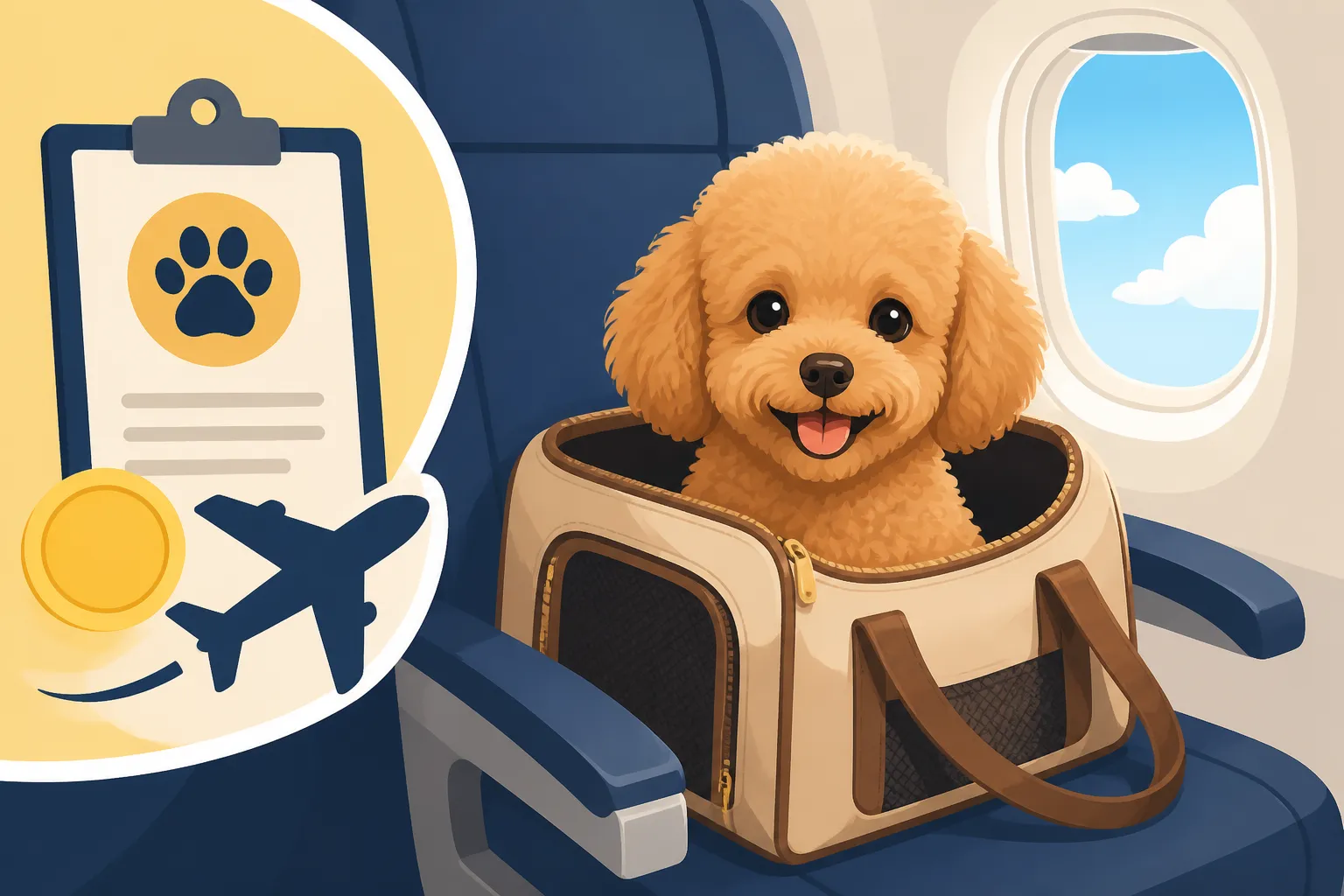
Airline carrier dimensions are perhaps the most rigid and non-negotiable rule when flying with a pet in the cabin. The carrier absolutely must fit comfortably and completely under the seat in front of you. This means that a carrier that might seem fine at home could be too tall or too wide for a particular aircraft's under-seat space. Airlines often list maximum dimensions on their websites, but these can vary not only by airline but also by the specific aircraft model.
For your Toy Poodle, this usually means a soft-sided carrier is a safer bet than a hard-sided one. Soft-sided carriers offer a bit more flexibility, allowing them to be gently compressed to fit into tighter spaces without compromising your Poodle's comfort. Ensure your Poodle can stand up, turn around, and lie down naturally within the carrier without touching the top or sides. It might seem like overkill, but airline personnel at check-in and at the gate will often eye your carrier to ensure it meets these requirements. A good way to find appropriate options is to search online retailers like Chewy, where you can often filter by airline-approved dimensions and read reviews from other pet owners.
Essential Carrier Features for Comfort and Compliance
A proper carrier isn't just about size; it's about providing a safe and humane travel experience for your Toy Poodle. Look for several key features to ensure both comfort and airline compliance. Excellent ventilation is paramount. The carrier should have mesh or ample openings on at least three sides to allow for airflow, keeping your Poodle from overheating and reducing anxiety. A leak-proof bottom is also a non-negotiable. Many carriers come with a removable, washable pad, often with a waterproof lining underneath, which is essential in case of accidents.
The carrier should be secure, with sturdy zippers that can be fastened with a small clip or carabiner to prevent accidental escapes. Don’t forget clear identification: attach a tag with your contact information, your Poodle’s name, and flight details. Inside the carrier, a familiar blanket or a small, non-choking toy can offer immense comfort to your Poodle, helping them feel more secure in an unfamiliar environment. Remember, the goal is for your Poodle to view their carrier as a safe den, not a scary cage.
Beyond the Carrier: Other Gear to Consider
While the carrier is the star of the show, there are other essential items that will make your travel day much smoother. A small, collapsible water bowl is invaluable. You can offer sips of water during long layovers or once you're settled on the plane, though some airlines may advise against food or water during the flight to minimize messes. Consider bringing a small supply of your Poodle's regular food, especially if you're using a fresh food service like Ollie, which often comes in convenient, pre-portioned packs, making it easy to manage meals without lugging a big bag of kibble.
Puppy pads are a lifesaver for lining the carrier or for quick potty breaks in designated airport pet relief areas. A small grooming brush, perhaps like those used for The Poodle Coat and Why It Never Stops Growing, can help with a quick freshen-up if your Poodle feels a bit ruffled. Don't forget any necessary medications and a copy of your Poodle’s health records, including vaccination certificates. These small additions can dramatically reduce stress and ensure you're prepared for any eventuality that might arise during your journey.
Navigating the Day of Travel with Your Toy Poodle
The day of travel can be hectic, but having a clear plan for your Toy Poodle's check-in, security, and in-flight experience will make all the difference.
Airport Check-in and Fee Payment
When you arrive at the airport, head directly to the airline's check-in counter, even if you’ve checked yourself in online. This is where you'll confirm your Toy Poodle's presence and typically pay the pet fee if you haven't already. The agent will review your Poodle’s documentation, like a required health certificate (more on that below), and visually inspect the carrier to ensure it meets the size and safety requirements. They'll also verify that your Poodle fits comfortably inside.
It's common for a gate agent to do a final check before boarding, so be prepared for another quick inspection. Any discrepancies could lead to complications, so having all your paperwork in order and your carrier compliant is key. It's best to keep your Poodle in the carrier at the airport terminal for their safety and to comply with airport rules, only letting them out in designated pet relief areas. This routine helps to set the stage for a calm and orderly journey, reducing anxiety for both you and your little one.
Security Screening Protocols
Navigating airport security with a pet can be a bit nerve-wracking for first-timers. When you reach the TSA checkpoint, you’ll need to remove your Toy Poodle from their carrier. The empty carrier will then go through the X-ray machine, just like your other carry-on luggage. Your Poodle will need to be carried through the metal detector in your arms.
This can be a moment of stress for some Poodles, particularly if they are noise-sensitive or easily startled. Keep them securely in your arms, speaking calmly and reassuringly. Once you've cleared the metal detector, you can place your Poodle back into their carrier. It’s a good idea to practice being held and carried in noisy, bustling environments before your trip to help your Poodle get used to the sensation. Consider how a sensitive Poodle might react in this environment; some Poodles can be quite wary of strangers and loud sounds, so preparing them ahead of time for this experience is crucial for a smoother process.
In-Flight Etiquette and Toy Poodle Comfort
Once you're on board and settled, your Toy Poodle's carrier must remain stowed under the seat in front of you for the entire flight. This is a non-negotiable rule for safety during takeoff, landing, and any turbulence. Resist the urge to pull the carrier out or open it during the flight, no matter how much you miss your Poodle's face. The confined space and unfamiliar sounds can be stressful for some pets, so ensuring they have their comforting blanket or toy inside can help.
Keep a close eye on your Poodle's behavior. If they seem overly anxious or distressed, try to discreetly reach in and offer a calming stroke or reassuring words. Ensure they have access to water if the airline permits it. Some pet owners find that a brief walk in the terminal before boarding helps their Poodle to relieve themselves and burn off a little energy, making them more likely to rest during the flight. Remember, the goal is for your Poodle to be a quiet, unobtrusive passenger, respecting the space and comfort of those around you.
Potential Hidden Costs and What to Budget For
Airline fees are just one piece of the financial puzzle when traveling with a Toy Poodle. There are several other expenses you might encounter, both planned and unexpected.
Health Certificates and Vet Visits
Almost all airlines and destinations, especially for international travel, will require a health certificate issued by a licensed veterinarian. This document certifies that your Toy Poodle is healthy enough to fly and is free of contagious diseases. Crucially, these certificates often have a very narrow window of validity—typically issued within 10 days of travel, sometimes even less. This means you’ll need to schedule a specific vet appointment shortly before your trip, adding another cost to your travel budget.
During this visit, your vet will perform a thorough examination and ensure all vaccinations are up to date. They might also discuss any potential risks of travel, especially for very small breeds, or advise on managing stress. If your Poodle has any pre-existing conditions, like a history of Hypoglycemia in a Toy Poodle Puppy, discussing these with your vet is paramount. Don't forget to factor in the cost of the vet consultation and the certificate itself when planning your trip.
Unexpected Delays and Overnight Stays
Travel is inherently unpredictable, and delays or cancellations can throw a wrench into even the best-laid plans. If your flight is delayed significantly or cancelled, you might find yourself needing an unexpected overnight stay in a hotel. This can lead to additional costs for pet-friendly accommodations, which often come with their own pet fees, sometimes quite substantial. You might also need to purchase extra food or supplies if you haven't packed enough for an extended stay.
It's wise to research pet-friendly hotels near your departure or layover airports in advance, just in case. Knowing your options can save you a lot of stress and frantic searching if a delay strikes. Having a small emergency fund specifically for such unforeseen circumstances can be a lifesaver, preventing these bumps in the road from becoming full-blown crises. It's all part of preparing for the realities of travel with a beloved companion.
Pet Insurance for Travel Peace of Mind
While not a direct airline fee, pet insurance can be an invaluable "hidden cost" that brings immense peace of mind, especially when traveling. Accidents or illnesses can happen anywhere, and being far from your regular vet in an unfamiliar city can amplify the stress. Emergency vet visits, particularly for conditions that require immediate attention like a sudden injury or acute illness, can be incredibly expensive.
Having a robust pet insurance policy, perhaps from a provider like Healthy Paws, can help cover these unexpected veterinary expenses. It's crucial to review your policy's terms and conditions to understand what is covered, especially during travel. Some policies might have geographical limitations or specific exclusions. While you're hoping for a smooth journey, knowing that you're financially protected against potential health crises for your Toy Poodle can make the entire travel experience less anxious. It's one of those costs you hope you'll never need, but are incredibly grateful for if you do.
Airline Pet Fee Comparison Table
To give you a clearer picture of how pet fees can vary, here’s a general overview of hypothetical policies. Please remember that these are illustrative and real fees can change frequently. Always consult the specific airline's website or contact them directly for the most current information.
| Airline (Hypothetical) | In-Cabin Pet Fee (One-Way) | Carrier Size Limit (LxWxH, approx.) | Weight Limit (Pet + Carrier) | Health Certificate Required | Notes |
|---|---|---|---|---|---|
| "AeroLink" | Moderate flat fee | 18" x 11" x 11" | 20 lbs | Yes (within 10 days) | Allows 1 pet per passenger, 2 per cabin. |
| "SkyCruiser" | Higher flat fee | 17" x 10" x 10" | 15 lbs | Yes (within 7 days) | Limited to small breeds, specific carrier types. |
| "GlobalWings" | Segment-based fee | 19" x 12" x 12" | 22 lbs | Yes (international only) | Check-in at counter required; stricter international rules. |
| "Coastline Air" | Moderate flat fee | 16" x 10" x 9" | 18 lbs | Recommended | Very limited availability; book early. |
This table highlights the differences you might encounter. Some airlines are more restrictive on weight and size, while others might charge per segment, which can quickly double your costs on a connecting flight. It’s also worth noting that some carriers are stricter about health certificates than others, especially for domestic travel versus international. Always confirm these details with your chosen airline.
Planning for a Smoother Journey
Preparing thoroughly is the best way to ensure your Toy Poodle has a calm and safe trip. It’s not just about the fees, but about all the small details that add up to a successful travel experience.
Pre-Travel Training and Acclimation
One of the best things you can do for your Toy Poodle before a flight is to acclimate them to their carrier. Start weeks or even months in advance. Make the carrier a positive space by feeding meals inside, offering treats, and placing their favorite blanket or toy there. Practice closing the door for short periods, gradually increasing the duration. Take them on short car rides in the carrier to simulate movement and noise. This can significantly reduce stress on travel day.
Beyond the carrier, practice being handled. As mentioned when discussing security, your Poodle will need to be carried through the metal detector. Gently picking them up and holding them close while walking through a busy park or mall (if allowed) can help them get used to the feeling and the surrounding commotion. For Toy Poodles, who can be quite sensitive, any preparation that builds confidence in new situations is a huge advantage. Early socialization, as described in What a Poodle Puppy Should Meet by Sixteen Weeks, will pay dividends here.
Packing Essentials for Your Poodle's Carry-On
Think of your Poodle’s travel bag as their own personal carry-on. Aside from the health certificate and emergency vet contact information, pack a small Ziploc bag with a few days' worth of their regular food to account for potential delays. As mentioned, services like Ollie often provide convenient, pre-portioned options perfect for travel. Don't forget a small, soft blanket that smells like home; this can be incredibly comforting.
Puppy pads are a must-have for the carrier and for quick clean-ups. Bring a couple of small, quiet toys that won't make a racket during the flight. A leash and harness are also essential for navigating the airport, especially in designated pet relief areas. A small bottle of water and a collapsible bowl will ensure your Poodle stays hydrated. Remember, you’ll want to have easy access to these items, so keep them in an easily reachable pocket of your personal bag.
Understanding Airline and Airport Pet Relief Areas
Almost every major airport now has designated pet relief areas, both pre-security and often post-security. Familiarize yourself with these locations at your departure, layover, and arrival airports. A quick search on the airport's website or app will usually provide maps and directions. These areas can range from simple patches of grass outside to elaborate indoor facilities with artificial turf, fire hydrants, and wash-down stations.
Utilize these areas before and after your flight, and during long layovers, to give your Toy Poodle a chance to stretch their legs and relieve themselves. This helps prevent accidents in the cabin and allows your Poodle a much-needed mental break from confinement. Knowing where to go reduces stress, keeping your focus on your Poodle’s well-being. Keeping a Toy Poodle puppy clean can be a challenge, so these spots are vital to prevent accidents, especially if you're working on House Training a Toy Poodle.
Alternatives to In-Cabin Travel
While flying in-cabin with your Toy Poodle is ideal for many, it's not always feasible. If your Poodle is too large for the in-cabin carrier requirements, or if the airline simply doesn't have space, you might consider other options. The cargo hold is an alternative, though it comes with its own set of risks and regulations, often requiring a larger, hard-sided crate and more extensive health documentation. Many pet owners, particularly those with smaller, more delicate breeds like Toy Poodles, prefer to avoid cargo travel due to concerns about temperature, noise, and stress.
Another alternative, especially for shorter distances, is ground travel via car or train. These options often provide more flexibility with pet size and allow for more frequent comfort breaks. For longer distances, a reputable pet transport service might be an option, though these can be quite costly. Weigh the pros and cons of each alternative carefully, always prioritizing your Poodle's safety and well-being. For owners wondering about pet insurance to cover potential issues with air travel, exploring options like those offered by Healthy Paws may be beneficial, though policies often have exclusions for cargo travel.
Disclaimer
This article is for general informational purposes only and does not constitute professional advice. Laws, prices and regulations vary by location and change over time. Consult a qualified professional for guidance on your specific situation.