The Poodle Coat and Why It Never Stops Growing
If you've ever owned a Poodle, you know that their stunning, curly coats are a hallmark of the breed – but they also come with a unique set of challenges. Unlike most dogs, a Poodle's hair never truly stops growing, leading to constant upkeep that can feel overwhelming for even seasoned owners. This comprehensive guide will deep dive into why your Poodle's coat behaves this way, what it means for grooming, and how to manage it effectively to keep your beloved companion comfortable and looking their best.
Understanding the Unique Poodle Coat: Hair Versus Fur
One of the first things new Poodle owners learn is that their dog doesn't have "fur" in the traditional sense; they have "hair." While this might sound like a semantic distinction, it actually describes a fundamental difference in how their coat grows and behaves compared to most other breeds. This unique characteristic is at the heart of both the Poodle's appeal as a low-shedding dog and the demanding grooming schedule that comes with owning one.
The Continuous Growth Cycle
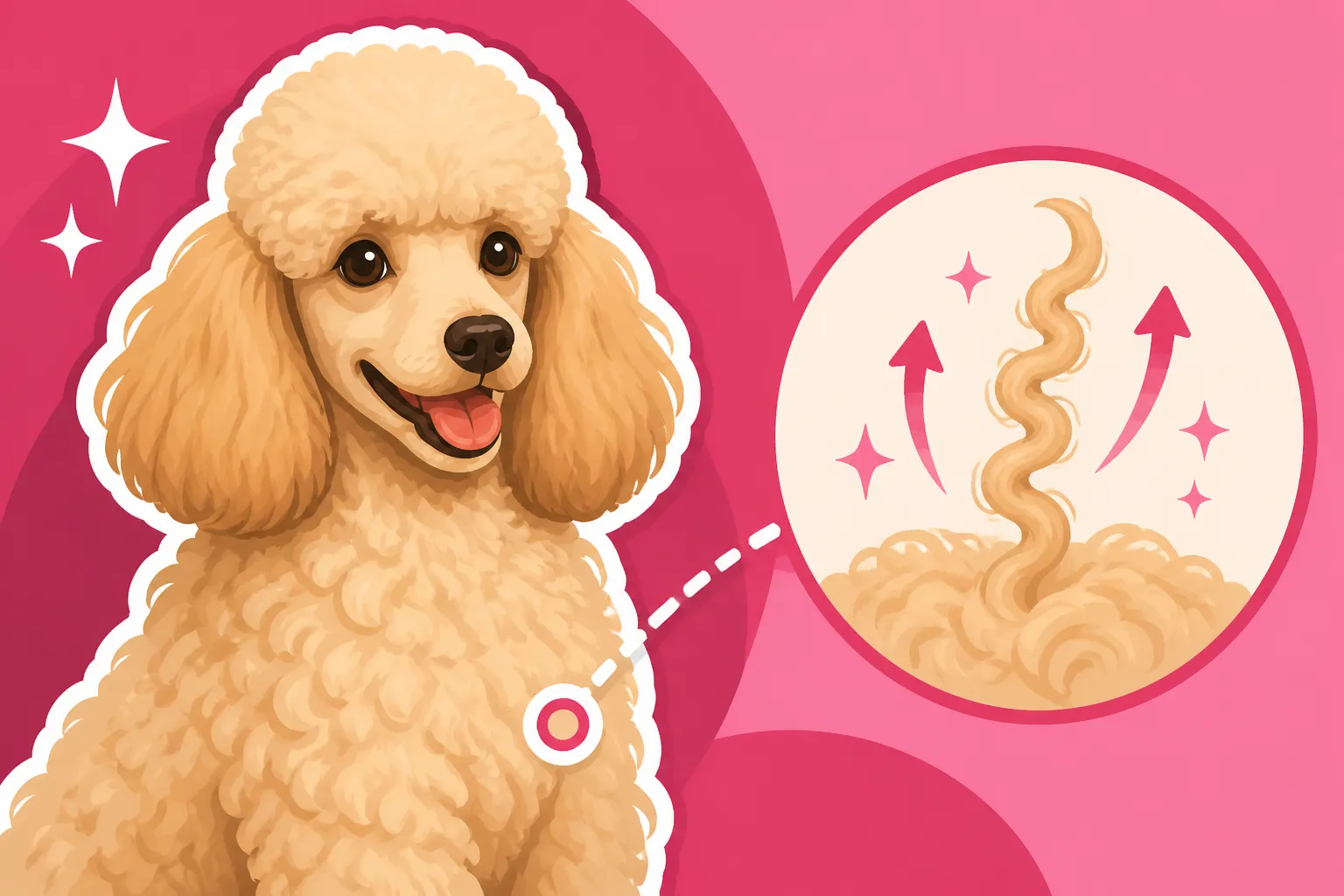
The defining feature of a Poodle's coat is its continuous growth cycle. Most dog breeds have hair follicles that go through distinct phases: anagen (growth), catagen (transition), and telogen (resting), followed by exogen (shedding). For many breeds, a significant portion of their coat enters the resting phase and then sheds seasonally, which is why you see large amounts of fur on your furniture and clothes. Poodles, however, have a prolonged anagen phase, meaning their hair keeps growing and growing, much like human hair. It doesn't have a programmed "stop" or a heavy shedding season.
This constant growth means that each strand of hair has the potential to become quite long if left untrimmed. Imagine never cutting your own hair, and you'll get an idea of the length a Poodle's coat can reach. It's this continuous, unchecked growth that requires regular clipping and maintenance to prevent it from becoming unmanageable. Without consistent grooming, the hair will simply keep getting longer and longer, quickly turning into a tangled, matted mess that can be painful and unhygienic for your dog.
The Lack of an Undercoat and Seasonal Shed
Another key aspect of the Poodle's coat is the absence of a dense undercoat. Many breeds possess a double coat: a softer, insulating undercoat and a coarser, protective topcoat. The undercoat is typically what sheds heavily, especially during seasonal changes, to help the dog regulate its body temperature. Think of a Husky blowing its coat in spring – that's primarily the undercoat shedding out. Poodles, on the other hand, have a single layer of dense, curly hair.
Because there's no undercoat to "blow," Poodles don't experience the dramatic seasonal shedding that frustrates many dog owners. While they do shed individual hairs, these hairs tend to get caught within the surrounding curls rather than falling out and spreading everywhere. This is why Poodles are often lauded as "hypoallergenic" or low-shedding, a trait that makes them suitable for many individuals with allergies. However, this trapped hair is also the primary reason why daily brushing and regular grooming are absolutely essential to prevent severe matting, as we'll explore further. Where Shed Poodle Hair Actually Goes delves into this phenomenon in more detail.
How This Differs from Other Breeds
To truly appreciate the Poodle coat, it helps to understand how it contrasts with other common coat types. Consider a Labrador Retriever: their short, dense coat sheds constantly throughout the year, with heavier periods in spring and fall. The individual hairs are relatively short and fall out easily, coating everything in their path. A Golden Retriever, with its long, flowing double coat, experiences similar shedding, often leaving substantial amounts of fur around the house, particularly when the seasons change.
Now, picture a Poodle. While you won't find tumbleweeds of Poodle hair rolling across your floor, you will find small, curly clumps if you neglect brushing. These are the shed hairs that have become trapped. The distinction is less about whether a Poodle sheds and more about how it sheds. The continuous growth, combined with the hair-trapping curl, means the Poodle's coat demands proactive management. It's not a set-it-and-forget-it coat; it's a living, growing entity that requires constant attention, differentiating it significantly from breeds with defined shedding cycles and self-regulating coats. The phrase Why a Poodle Has Hair Rather Than Fur really highlights this critical difference.
The Science Behind the Non-Shedding Myth (and Reality)
The term "non-shedding" is often associated with Poodles, leading many to believe that their coat requires less work. However, this is one of the biggest misconceptions about the breed. While it's true that Poodles don't "shed" in the traditional sense of releasing copious amounts of loose fur into your home, their hair growth cycle actually means the grooming demands are, in some ways, even higher. Understanding the biology behind this unique coat helps Poodle owners set realistic expectations and embrace the necessary maintenance.
The Anagen Phase: The Key to Poodle Hair Growth
At the core of the Poodle's "non-shedding" nature is a prolonged anagen phase. Hair growth occurs in cycles, and the anagen phase is the active growth stage where cells in the hair follicle rapidly divide, causing the hair shaft to lengthen. In most mammals, including dogs with typical fur, the anagen phase is relatively short, leading to hairs reaching a certain length before transitioning to a resting phase and then shedding. For Poodles, however, this active growth phase is significantly extended.
This means that individual Poodle hairs continue to grow for a much longer period before they naturally fall out. Because the growth period is so long, the hair can reach impressive lengths if left untrimmed. When these hairs eventually do die and detach from the follicle, their curly nature causes them to interlock with the surrounding live, growing hair, rather than falling freely to the ground. This interlocking is precisely what forms mats, which are the bane of every Poodle owner's existence. It's a continuous process that never truly pauses, demanding constant vigilance from the owner.
When "Non-Shedding" Doesn't Mean "No Hair"
The idea of a "non-shedding" dog can be misleading. A Poodle still produces dead hair; it just retains it within its coat. If you run your fingers through a Poodle's coat, especially one that hasn't been brushed in a while, you'll often pull out small, fluffy clumps of trapped hair. This isn't the dog "shedding" in that moment, but rather you removing the hairs that have already completed their cycle and become entangled. This is why regular brushing isn't just about untangling; it's about actively removing these dead hairs to prevent them from compacting into painful mats.
Owners often make the mistake of thinking less shedding means less grooming. In reality, it means the grooming responsibility shifts from vacuuming dog hair off the floor to meticulously brushing it out of the dog itself. The longer you wait between brushings, the more dead hair accumulates and the more tightly it interlocks with the growing hair, making removal exponentially harder and more uncomfortable for your Poodle. This is particularly true during a Poodle's "coat change," usually between 9 and 18 months, when their softer puppy coat transitions to a denser adult coat, making them exceptionally prone to matting. Getting Through a Poodle's Coat Change is a must-read for adolescent Poodle owners.
Allergies and the Poodle Coat
The Poodle's unique coat composition is also why it's often considered a "hypoallergenic" breed. While no dog is truly 100% hypoallergenic, Poodles come closer than many because they shed less dander into the environment. Dander, which is microscopic flakes of skin, is often the primary trigger for dog allergies, not the hair itself. Because Poodles shed minimal hair and what they do shed gets trapped, less dander is released into the air and onto surfaces, reducing exposure for allergy sufferers.
However, it's important to note that allergens can also be present in a dog's saliva and urine. So, while a Poodle might be a good choice for someone with mild dog allergies, it's not a guaranteed solution for severe cases. The crucial factor for allergy sufferers is regular bathing and grooming to remove any accumulated dander and potential allergens from the coat, which also keeps the continuously growing hair in check. Even with their low-shedding nature, maintaining a clean, well-groomed Poodle is key to maximizing their hypoallergenic qualities and ensuring a comfortable environment for everyone in the household.
The Daily Demands of a Continuously Growing Coat
Owning a Poodle means committing to a specific grooming regimen, not just every few weeks, but on an almost daily basis. The continuous growth of their hair is a beautiful trait, but it is also the primary driver of consistent and thorough care. Neglecting this routine, even for a few days, can lead to significant problems that are not only uncomfortable for your Poodle but also costly and time-consuming to resolve.
Matting: The Poodle Owner's Arch Nemesis
Mats are without a doubt the biggest challenge for Poodle owners. Because a Poodle's hair doesn't fall out, shed hairs intermingle with live hairs, creating tangles. These tangles, if not brushed out promptly, tighten and compact, forming dense, felt-like knots known as mats. Mats can range from small, easily brushed-out tangles behind the ears or in the armpits, to severe, pelt-like sheets that cover large areas of the dog's body, pulling painfully on the skin. Why a Poodle Coat Mats Instead of Shedding explains this process in detail.
The danger of matting isn't just aesthetic; it's a serious health and welfare concern. Mats restrict air circulation to the skin, creating a warm, moist environment where bacteria and yeast can thrive, leading to painful skin infections. They can hide parasites, cause hot spots, and make it difficult for your Poodle to move comfortably. Severe mats can even restrict blood flow in certain areas, causing serious circulation issues. Moreover, mats near the eyes or mouth can pull at sensitive skin, leading to chronic irritation and pain. The sheer discomfort of mats is often underestimated by new owners until they experience it firsthand.
The Importance of Line Brushing
Given the Poodle's propensity for matting, the most crucial grooming technique to master is line brushing. This isn't just a quick once-over with a brush; it's a systematic method designed to ensure you reach every single strand of hair, all the way down to the skin. Many owners mistakenly brush only the top layer of their Poodle's coat, leaving the hair closer to the skin to tangle and mat unnoticed.
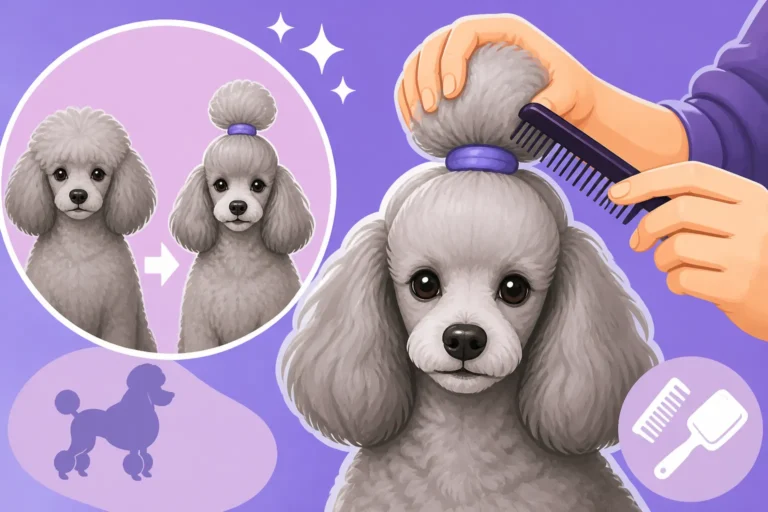
Line brushing involves parting the coat in small sections, typically starting at the bottom of the leg or flank, and working upwards. You hold the upper hair out of the way, brush a small section down to the skin, and then drop a little more hair into that brushed section, repeating the process. This ensures that you are brushing the hair in layers, effectively detangling from the roots outwards. It's a time-consuming process, especially for Standard Poodles with longer coats, but it's the only way to genuinely prevent matting. Line Brushing a Poodle Explained is an excellent resource for learning this technique, and you'll find quality slicker brushes and metal combs on sites like Chewy or Amazon that are essential for effective line brushing. A good mental checklist is to ensure you can run a fine-tooth comb through the brushed section freely, all the way to the skin, before moving on.
Professional Grooming Versus At-Home Care
For many Poodle owners, the grooming decision comes down to professional services versus doing it yourself. The continuous growth of the Poodle's coat means that regular professional grooming appointments (typically every 4-6 weeks) are not a luxury but a necessity. A professional groomer has the specialized tools, experience, and knowledge to handle even the densest or most challenging Poodle coats, ensuring they are properly bathed, dried, and clipped to prevent matting and maintain skin health.
However, professional grooms don't negate the need for daily at-home care. Even with regular salon visits, a Poodle's coat can become matted between appointments if not brushed consistently. Think of it like this: your car needs regular oil changes and tune-ups, but you still need to put gas in it and keep the tires inflated between those bigger service appointments. Daily line brushing at home is the "gas" for your Poodle's coat. For those considering learning to clip their Poodle at home, it's a significant time and equipment investment, but it can be rewarding. However, for most, a combination of professional grooms and diligent daily brushing is the most realistic and effective approach.
| Grooming Aspect | Professional Grooming | At-Home Care |
|---|---|---|
| Frequency | Every 4-6 weeks (essential) | Daily or every other day (essential) |
| Primary Goal | Full clip, bath, blow-dry, nail trim, ear cleaning | Mat prevention, detangling, removing trapped hair |
| Tools Needed | Professional clippers, high-velocity dryer, various blades, specialty shampoos, grooming table | Slicker brush, metal comb, detangling spray, nail clippers/grinder, ear cleaner |
| Time Investment | 2-4 hours per session | 15-60 minutes per session (depending on coat length and size) |
| Skill Level | High (requires training and practice) | Moderate (requires learning proper techniques like line brushing) |
| Cost | Significant recurring expense | Initial investment in quality tools, ongoing product cost |
| Benefits | Expert care, breed-specific clips, full body maintenance, saves owner time | Maintains coat health between grooms, strengthens bond, allows for early mat detection |
Different Poodle Clips and Their Maintenance
One of the most enjoyable aspects of owning a Poodle is the incredible versatility of their coat when it comes to styling. From elegant show clips to practical pet trims, there's a Poodle haircut for every lifestyle and preference. However, each clip comes with its own set of maintenance requirements, and understanding these differences is key to choosing a style that works for both you and your Poodle.
The Practical Pet Clips (Kennel, Sporting, Lamb)
For most pet Poodle owners, practicality trumps elaborate styling. These clips prioritize ease of maintenance, comfort for the dog, and a generally neat appearance.
The Kennel Clip (sometimes called a "utility clip") is arguably the lowest maintenance Poodle clip. In this style, the entire body is clipped to a uniform, short length, often just 1/2 to 1 inch, sometimes a bit longer on the topknot and tail. The face and feet are typically shaved clean. This clip is fantastic for active dogs, Poodles who swim often, or owners who simply don't have the time for extensive daily brushing. While it still requires regular professional trims every 4-6 weeks to keep it tidy, the daily at-home brushing is significantly reduced because there's simply less hair to tangle. It's cool in summer and quick to dry.
The Sporting Clip (also known as a "retriever clip") is another popular and practical choice. In this clip, the body hair is left a bit longer than the kennel clip, usually 1 to 2 inches, providing a fuller appearance while still being manageable. The legs are often scissored to match the body length, and the face, feet, and tail base are shaved. This clip offers a nice balance between a soft, plush look and easy care. It’s a great option for Poodles who enjoy outdoor activities but whose owners still want a bit more coat than the very short kennel clip. The Sporting Poodle Clip for a Busy House is a great reference if this sounds like you.
The Lamb Clip is a universally flattering and popular pet clip that gives the Poodle a soft, cuddly, "lamb-like" appearance. The body and leg hair are left slightly longer, creating a balanced, uniform look, often 1-3 inches in length. The face and feet are usually kept clean-shaven, though some owners opt for a slightly fuller face. The key to the Lamb Clip is the smooth, rounded finish, achieved through careful scissoring. While beautiful, the longer length means it does require more diligent brushing at home to prevent matting than the shorter clips, making it a good stepping stone for owners who want more coat but aren't ready for complex styling.
The Classic Show Clips (Continental, English Saddle)
These clips are synonymous with the Poodle's regal image in the show ring. While stunning, they require immense dedication to maintain, making them largely impractical for the average pet owner.
The Continental Clip is the most iconic and recognizable Poodle show clip. It features a completely shaved face, feet, and tail base, but with long, sculpted rosettes over the hips, bracelets around the ankles, and a full, voluminous topknot and tail pompom. The chest, or "mane," is also left long and scissored to perfection. This clip is a true work of art, showcasing the Poodle's dense, healthy coat. However, the maintenance is extreme. The long areas require daily, meticulous line brushing, wrapping to protect the hair, and frequent professional grooming appointments. Even a single missed brushing session can result in severe matting, which would disqualify a show dog. The Continental Poodle Clip and Its Upkeep is an eye-opening read on the commitment required.
The English Saddle Clip is another classic show ring option, though less common than the Continental. It shares many elements with the Continental, including a shaved face, feet, and tail base, along with bracelets and a topknot. The main difference lies in the body, where the hindquarters are covered by a full, sculpted blanket of hair, with two short shaved bands above the hock, resembling an English saddle. This clip is also incredibly high maintenance, requiring the same level of rigorous daily brushing, wrapping, and professional expertise as the Continental. Both show clips are designed to highlight the Poodle's athleticism and the quality of their coat, but they demand a lifestyle entirely centered around grooming.
Trimming Face, Feet, and Tail (Poodle "Clean Face")
Regardless of the body clip chosen, one of the defining characteristics of a well-groomed Poodle is the cleanly shaved face, feet, and often, the base of the tail. This isn't just for aesthetics; it serves practical purposes as well.
Clean Face: A shaved face highlights the Poodle's expressive eyes and elegant head. More importantly, it prevents food, water, and debris from accumulating in the hair around the mouth and eyes, which can lead to staining, irritation, and bacterial growth. For Poodles prone to tear staining, a clean face helps to keep the area dry and allows for easier cleaning. While some pet owners prefer a slightly fuller face, maintaining a relatively short trim in these areas is crucial for hygiene. Trimming a Poodle's Face Clean offers guidance on how to safely do this at home.
Clean Feet: The "Poodle foot" is typically shaved clean from the paw pads up to a defined point on the leg. This prevents hair from growing between the paw pads, which can collect dirt, burrs, ice, and even lead to painful mats that make walking difficult. Shaved feet also improve traction on smooth surfaces and make it easier to inspect the pads and nails for any issues. For Poodles with sensitive feet, this area should be trimmed with extreme care and positive reinforcement. Why Pad Hair Makes a Poodle Slip highlights the practical benefits of this style.
Clean Tail Base: The base of the tail is typically shaved to create a distinct line before the pompom or remaining tail hair. This helps keep the area clean and free from fecal matter, which can otherwise cling to the hair, especially on dogs with longer tails or those prone to softer stools. It's a simple yet effective hygienic measure that contributes to the overall neatness of the Poodle's appearance.
Essential Tools and Products for Poodle Coat Care
To successfully manage a Poodle's continuously growing coat, you need the right arsenal of tools and products. Skimping on quality here will only lead to frustration, pain for your Poodle, and ultimately, higher costs in professional grooming to fix problems. Investing in appropriate equipment is foundational to keeping your Poodle comfortable and looking their best.
Brushes, Combs, and Detanglers
These are your daily combatants against mats. You'll need a variety to tackle different aspects of the coat.
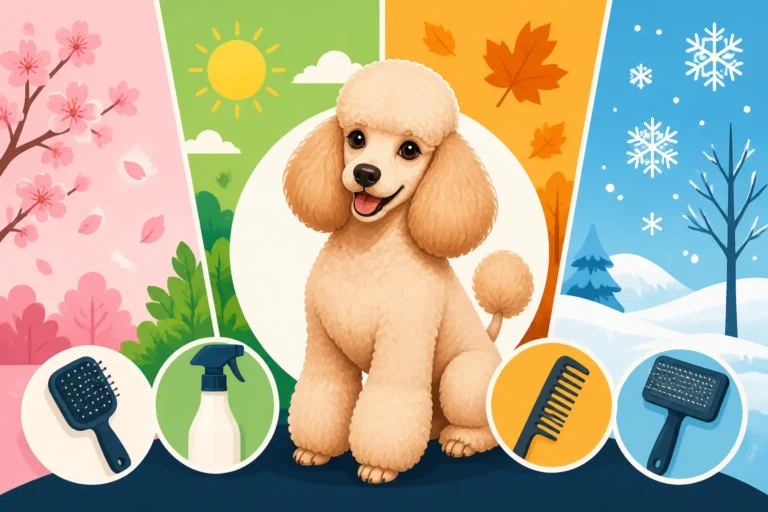
A Slicker Brush is indispensable for Poodles. Choose one with firm, bent wire pins that are gentle enough not to scratch the skin but effective enough to penetrate the dense curls. This brush is used for general detangling and fluffing the coat. When using a slicker, always brush gently and methodically, making sure to reach the skin. Many experienced Poodle owners recommend a brush from a brand like Chris Christensen or an equivalent high-quality option, available on Amazon or specialized pet supply stores. Which Slicker Suits a Poodle Coat can help you choose the right one.
A Metal Greyhound Comb with both fine and wide teeth is equally critical. After using the slicker brush, the comb is your final check. The wide-toothed end helps to work through larger tangles, while the fine-toothed end is used to ensure no small knots or mats remain, especially in sensitive areas like behind the ears, in the armpits, and around the tail. Being able to comb effortlessly through the coat from root to tip is the true indicator that your Poodle is mat-free. Whether a Poodle Owner Needs a Greyhound Comb confirms its importance.
Detangling Sprays are a lifesaver. Before you start brushing, lightly misting the coat with a detangling spray can help lubricate the hair, making it easier to work through knots and preventing breakage. This is especially useful for longer coats or when encountering a particularly stubborn tangle. Look for conditioning sprays that won't leave a greasy residue. These can often be found at your local pet store or online via retailers like Chewy.
Shampoos, Conditioners, and Sprays
Bathing a Poodle is a process, and using the right products makes a significant difference in the coat's health and manageability.
A high-quality Shampoo designed for dogs is essential. Avoid human shampoos, as they can be too harsh for a dog's skin pH. Look for a concentrated, moisturizing shampoo that cleans thoroughly without stripping natural oils. Many Poodle owners prefer shampoos specifically formulated for curly coats or those with natural ingredients. If your Poodle has sensitive skin or allergies, a hypoallergenic or oatmeal-based shampoo might be a good choice.
Conditioner is non-negotiable for a Poodle. Their curly hair can be prone to dryness and breakage, and conditioner helps to hydrate the coat, make it softer, more elastic, and much easier to comb out after the bath and during drying. A good conditioner will also help to reduce static and add a healthy sheen. Always rinse thoroughly to prevent residue build-up, which can irritate the skin and make the coat feel sticky. Shampoo That Suits a Curly Poodle Coat and Whether Conditioner Softens a Poodle's Curl offer more insights.
A Leave-in Conditioning Spray or a similar grooming spray applied to a dry coat between baths can further aid in detangling and keeping the coat hydrated. These sprays are great for daily brushing routines, providing an extra layer of protection against matting and keeping the hair moisturized.
Clippers, Blades, and Scissors
For those who groom at home, or even just for touch-ups between professional appointments, a good set of clippers and sharp scissors are necessary.
A quality pair of Pet Clippers is a significant investment, but one that pays off if you're doing any trimming at home. Professional-grade clippers offer powerful motors and detachable blades, making them suitable for the dense Poodle coat. Look for models that run quietly and stay cool to prevent scaring your Poodle or causing clipper burn. Brands like Andis or Wahl are popular choices. Clippers Worth Buying for a Poodle can guide your selection.
You'll need a selection of Blades with different cutting lengths. Common blades for Poodles include:
- #10 blade: For sanitary areas, face, and feet.
- #7F or #5F blade: For a shorter pet body clip.
- #4F or #3F blade: For a slightly longer body clip.
- Snap-on combs (or guard combs): These attach to a #10 or #30 blade and allow for longer body lengths, often 1/2 inch up to 1 inch or more, perfect for soft, plush pet clips like the Lamb clip. Which Blade Length for a Pet Poodle explains these options.
Grooming Scissors are vital for finishing touches, shaping topknots, and safely trimming around delicate areas. You'll want a pair of straight shears for general trimming and curved shears for shaping rounder areas like the topknot. Always use blunt-tipped scissors for safety, especially around the face. Keeping all blades and scissors clean and sharp is crucial for a smooth cut and to prevent pulling on your Poodle's hair, which is uncomfortable. Remember, blunt blades can cause friction and lead to painful Clipper Burn on a Closely Trimmed Poodle.
Troubleshooting Common Poodle Coat Issues
Even with the most diligent care, Poodle owners will inevitably face some coat challenges. Understanding these common issues and knowing how to address them can save you a lot of stress, money, and most importantly, prevent discomfort for your Poodle.
Dealing with Severe Matting and Shave Downs
Despite best intentions, sometimes mats happen. A forgotten brushing session, a romp in the mud, or even just a particularly humid week can turn a manageable coat into a tangled mess. When mats become too tight and close to the skin, they cannot be brushed or combed out without causing extreme pain to your Poodle. In these cases, a full shave down by a professional groomer is often the only humane option. When a Poodle Coat Has to Be Shaved Off covers this difficult decision.
A shave down means clipping the entire coat very short, often with a #10 blade, directly under the mats. This is not just a cosmetic choice; it's a necessary step to relieve the dog from the pain and health risks associated with severe matting. While seeing your beautifully coated Poodle suddenly sporting a very short clip can be startling, remember it’s for their well-being. The good news is that Poodle hair grows back quickly. How Long Until a Shaved Poodle Looks Right offers reassurance on this.
After a shave down, the skin beneath the mats might be red, irritated, or even have open sores. It's crucial to keep the skin clean and allow it to heal. This is also an opportune moment to restart a diligent grooming routine, focusing on daily brushing of the short coat to prevent future matting as it grows back. This experience serves as a stark reminder of the continuous commitment required for a Poodle's coat.
Skin Irritations and Clipper Burn
Because Poodle coats are often clipped close to the skin, they can be susceptible to skin irritations. Clipper burn is a common issue that occurs when clipper blades become hot, dull, or are used incorrectly, causing friction that irritates or even burns the skin. It typically appears as redness, bumps, or tender spots after grooming. To prevent this, always ensure your clippers and blades are clean, sharp, and adequately cooled. Professional groomers use blade coolants and switch out hot blades frequently. If you're grooming at home, take breaks, clean your blades, and apply a soothing balm to sensitive areas.
Beyond clipper burn, Poodles can experience other skin irritations. Their dense, curly coats, especially if not dried properly after a bath or if matting prevents air circulation, can create a humid environment conducive to bacterial or yeast infections, leading to hot spots or dermatitis. Symptoms include redness, itching, hair loss, and sometimes a foul odor. Allergies, both environmental and food-related, can also manifest as skin issues, causing your Poodle to itch, chew, or lick themselves excessively, leading to secondary infections. If you notice persistent skin irritation, consult your veterinarian for proper diagnosis and treatment.
Coat Changes: Puppy to Adult and Beyond
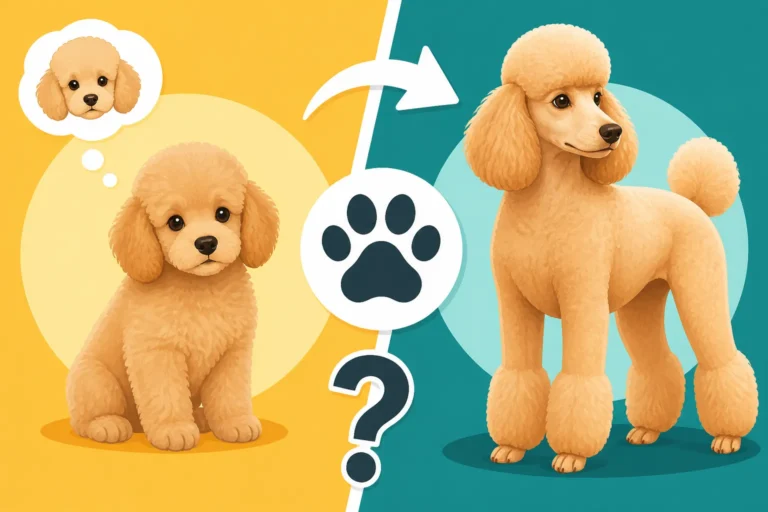
A Poodle's coat undergoes significant transformations throughout its life, with the most dramatic being the transition from puppy coat to adult coat. This typically occurs between 9 and 18 months of age, though it can vary. The soft, fine puppy hair is gradually replaced by the denser, coarser, and curlier adult hair. During this period, the new adult hair grows in and easily gets tangled with the remaining puppy hair, making the coat incredibly prone to matting. Coat Change in an Adolescent Poodle is a critical read for owners navigating this phase.
Many owners are caught off guard by the intensity of the "coat change," finding that their once easy-to-manage puppy coat suddenly becomes a mat magnet. Daily, meticulous line brushing is absolutely non-negotiable during this time, often requiring longer sessions than usual. If brushing isn't consistent, many Poodles will need a full shave down to get through this challenging period cleanly.
As Poodles age, their coat can also change. Senior Poodles might experience thinning hair, a change in texture (it might become softer or more brittle), or even graying. Hormonal changes, health conditions, and nutrition can all impact coat quality throughout a Poodle's life. Owners of older Poodles should continue to monitor their coat and adjust their grooming routine as needed, always prioritizing comfort and skin health. When a Poodle's Topknot Starts Thinning With Age addresses one such visible change.
Nutrition and Its Impact on Coat Health
While external grooming is paramount for a Poodle's coat, what goes into your dog is just as important as what goes on it. A healthy, shiny, and strong coat is a direct reflection of a Poodle's internal health, and proper nutrition plays a massive role in achieving that coveted luster and preventing many common coat and skin issues.
The Role of Diet in Hair Quality
A Poodle's coat is primarily made of protein, so a diet rich in high-quality protein sources is fundamental for strong, healthy hair growth. Look for dog foods where meat is the first ingredient, providing essential amino acids that are the building blocks of hair. Without adequate protein, hair can become brittle, dull, and even start to thin.
Beyond protein, essential fatty acids, particularly Omega-3 and Omega-6, are vital for skin and coat health. These fats contribute to the natural oils that keep the skin hydrated and the hair shaft supple and shiny. A diet lacking in these crucial fatty acids can lead to dry, flaky skin, a dull coat, and even increased shedding (even for Poodles, who might experience more hair breakage). Many premium dog foods, including fresh options like Ollie, incorporate these fatty acids through ingredients like fish oil, flaxseed, or specific animal fats. A well-balanced diet also includes a variety of vitamins and minerals, such as Vitamin E, Biotin, and Zinc, which are all co-factors in maintaining skin and coat integrity.
Poor nutrition can manifest in various ways on a Poodle's coat, including excessive dryness, flakiness, a brittle texture, or a lack of shine. These are often early warning signs that your Poodle's diet might not be meeting all their nutritional needs. Always consult with your veterinarian before making significant dietary changes, especially if you suspect nutritional deficiencies are impacting your Poodle's coat.
Supplements for a Lustrous Poodle Coat
Even with a high-quality diet, some Poodles can benefit from targeted supplements to boost their coat health, especially those with naturally drier skin or those prone to certain issues.
Omega Fatty Acid Supplements: Fish oil (rich in EPA and DHA) and flaxseed oil (rich in ALA) are popular choices for improving skin and coat condition. These supplements can help reduce inflammation, increase skin moisture, and give the coat a beautiful sheen. They are particularly beneficial for Poodles with dry, itchy skin or a dull coat. They come in various forms, including liquids you can add to food or softgel capsules, readily available from pet suppliers like Chewy.
Biotin (Vitamin B7): Biotin is a B-vitamin often associated with hair and nail health in humans, and it plays a similar role in dogs. While deficiencies are rare in dogs fed a complete and balanced diet, some owners report improvements in coat strength and shine with biotin supplementation, particularly for Poodles with brittle or fine hair.
Zinc: Zinc is an essential trace mineral critical for skin health, wound healing, and immune function. A zinc deficiency can lead to various skin problems, including poor coat quality and lesions. If your Poodle is experiencing skin issues or dull coat despite a good diet, your vet might suggest checking for zinc levels or recommending a supplement.
It's crucial to remember that supplements should never replace a balanced diet and should always be introduced under veterinary guidance. Over-supplementation can be harmful, and it's important to ensure you're addressing the root cause of any coat issues, whether it's diet, allergies, or an underlying health condition.
Hydration and Skin Health
Beyond food, adequate hydration is fundamental for overall health, and this extends directly to skin and coat quality. Just like in humans, a dehydrated Poodle will likely have dry, less elastic skin, which can lead to flakiness, itching, and a dull, brittle coat. Water helps transport nutrients to the skin and hair follicles, keeps skin cells plump, and aids in the detoxification process, all of which contribute to a healthy coat.
Ensure your Poodle always has access to fresh, clean water. Consider offering multiple water bowls around the house, especially if you have a large home or multiple pets. Some Poodles are encouraged to drink more by water fountains, which keep the water circulating and fresh. If your Poodle isn't a big drinker, incorporating some wet food into their diet can also help increase their fluid intake. A Poodle with consistently dry skin, even with good diet and supplements, might simply not be drinking enough water. Maintaining good hydration helps to keep the skin barrier healthy, reducing susceptibility to irritations and ensuring that the continuously growing hair has a strong, healthy foundation to thrive.
Disclaimer
This article is for general informational purposes only and does not constitute professional advice. Laws, prices and regulations vary by location and change over time. Consult a qualified professional for guidance on your specific situation.