House Training a Toy Poodle
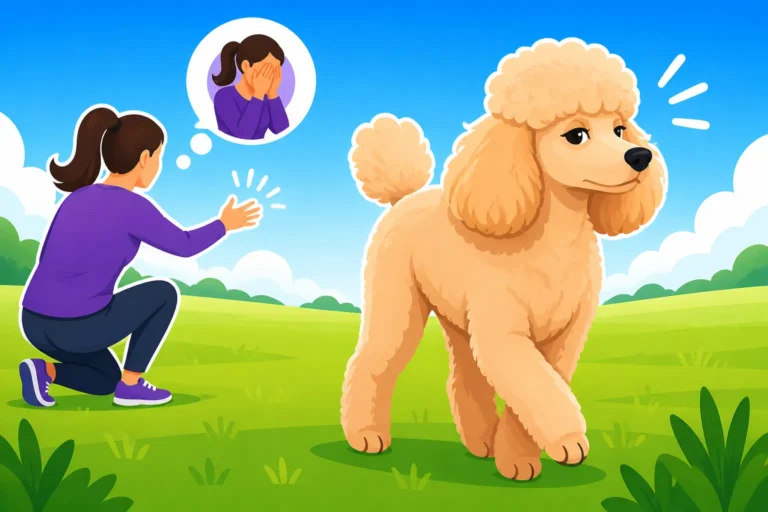
House training a tiny Toy Poodle can feel like an endless uphill battle, leaving you constantly on edge, scrutinizing every sniff and squat your little fluffball makes. It’s incredibly frustrating when you feel like you’re doing everything right, only to find another puddle on the rug. This comprehensive guide is here to validate those struggles and walk you through every step of creating a reliable, consistent potty routine that actually works for your delicate Toy Poodle.
Why Toy Poodles Pose Unique House Training Challenges
Let's be real: house training a Toy Poodle isn't quite the same as house training a larger breed. Their diminutive size, coupled with their intelligence and sometimes delicate nature, presents a specific set of hurdles that can leave even experienced dog owners scratching their heads. It’s not just about tiny bladders; it’s a whole host of factors that need a tailored approach.
The Tiny Bladder and Fast Metabolism Reality
One of the most obvious challenges is, of course, their size. A Toy Poodle's bladder is simply minuscule, especially when they are puppies. They literally can't hold it for long, no matter how much they might want to please you. It's a physiological fact, not a sign of stubbornness. Imagine a human toddler who needs to go now—that’s your Toy Poodle, but with even less warning. They also have a faster metabolism than a Standard Poodle, meaning food and water go through their system much quicker, increasing the frequency of potty breaks. This often means waking up multiple times a night for puppies, and very frequent trips outdoors during the day. It's exhausting, but vital to understand this biological imperative. You might find our article on Bladder Size in a Toy Poodle Puppy helpful in understanding the science behind this.
Weather Sensitivity and Outdoor Aversion
Toy Poodles, with their fine bone structure and often clipped coats, can be incredibly sensitive to weather extremes. A damp patch of grass on a cool morning might feel like an arctic tundra to their little paws, and a gust of wind can send them shivering back inside. Rain? Forget about it. Many Toy Poodles simply refuse to do their business in anything less than perfect conditions. This isn't them being dramatic; their small bodies lose heat quickly, and they genuinely feel uncomfortable. This can create a significant roadblock in establishing outdoor potty habits, especially in colder climates or during rainy seasons. Getting a warm sweater or a small raincoat for those less-than-ideal days can make a world of difference. It's a common complaint, and something we delve into more deeply in Getting a Toy Poodle Outside in the Cold.
Intelligence and Subtlety: A Double-Edged Sword
Poodles are renowned for their intelligence, often ranking among the smartest dog breeds. While this can be a huge asset in training, it can also complicate house training if not managed correctly. A smart Poodle might quickly learn what you want but also what they can get away with. They are also incredibly sensitive and can shut down if scolded harshly, which is counterproductive to building trust and open communication about potty needs. Furthermore, some Toy Poodles are incredibly subtle in their "I need to go" signals. It might be a slight shift in posture, a brief glance at the door, or a single paw tap rather than a full-blown bark or frantic circling. Missing these subtle cues can lead to accidents, and then you're left wondering what went wrong. Understanding Training the Second Smartest Dog Breed can give you a broader perspective on their cognitive abilities.
Essential Tools and Setup for Potty Training Success
Before you even bring your Toy Poodle home, or if you’re struggling with an existing one, setting up your environment for success is crucial. This isn’t just about having the right supplies; it’s about creating a system that makes it easy for your Poodle to succeed and hard for them to fail. Think of it as laying the groundwork for a stress-free learning experience for both of you.
Choosing the Right Crate and Confined Spaces
A properly sized crate is your best friend in house training. It taps into a dog’s natural instinct not to soil their sleeping area. For a Toy Poodle, this means a crate that’s just big enough for them to stand up, turn around, and lie down comfortably – no more. If it’s too large, they might just use one corner as a bathroom, defeating the purpose. You might need to block off a portion of a larger crate with a divider initially. Look for durable, easy-to-clean plastic or wire crates. For overnight or when you can't actively supervise, a small playpen can also be incredibly useful, providing a slightly larger confined space with designated potty pads, especially for very young puppies. Crate Size for Each Poodle Variety offers more specific guidance.
When choosing a crate, consider one with a secure latch to prevent escape artists. Some come with a divider panel, which is super handy as your puppy grows, allowing you to expand their space gradually. You can find a good selection of appropriately sized crates on Amazon, often with adjustable dividers included. The key is to make it a comfortable, safe den, not a punishment zone. Place a soft bed or blanket inside, and perhaps a favorite chew toy.
Indoor Potty Options: Pads, Grass Patches, and Litter Boxes
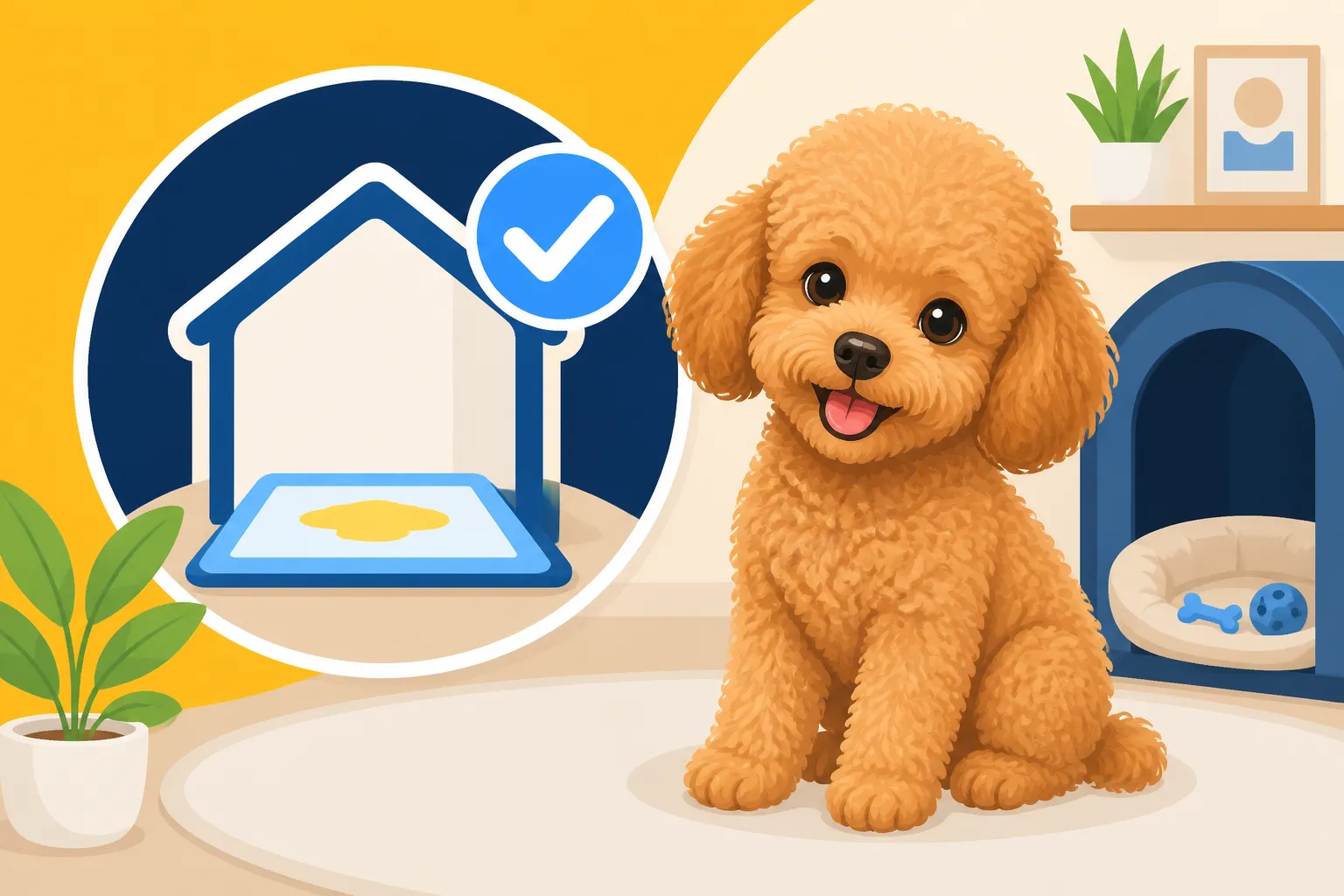
For Toy Poodles, especially those sensitive to weather or very young puppies who can't hold it for long, indoor potty options can be a lifesaver. Potty pads are the most common choice. Place them in a consistent, easily accessible spot away from their food and sleeping area. Real or artificial grass patches can also be excellent, as they mimic the outdoor texture and can make the transition to outside easier later on. Some even come with an absorbent tray underneath. Finally, a small litter box with puppy-specific litter (often made of recycled paper or pellets) can be an option, particularly for those truly resistant to outdoor trips.
It's important to understand that using indoor options can delay full outdoor training for some dogs, but for a Toy Poodle, it can be a necessary bridge. The goal is to always transition them to outdoor potty breaks eventually, but these tools provide a much-needed intermediate solution, especially when you can't be outside every 30 minutes. Be consistent with your chosen indoor spot, and always reward lavishly when they use it. You can explore the pros and cons of these choices further in Indoor Potty Options for a Toy Poodle.
Cleaning Supplies and Enzyme Neutralizers
Accidents will happen – it's an inevitable part of the process, especially with a Toy Poodle. Having the right cleaning supplies on hand is non-negotiable. Regular household cleaners often don't fully eliminate the odor, which means your Poodle can still smell their "spot" and be drawn back to it. You need an enzymatic cleaner. These cleaners break down the uric acid crystals in urine, completely neutralizing the odor.
Keep a bottle of enzyme cleaner, paper towels, and maybe some old rags easily accessible in various rooms. When an accident occurs, blot up as much urine as possible, then douse the spot with the enzymatic cleaner, allowing it to soak in for the time recommended on the label before blotting dry. Don't scrub, as this can push the urine deeper into the carpet fibers. A truly clean spot means no lingering scent for your Poodle, which is vital for preventing repeat offenses.
Building a Rock-Solid Potty Schedule and Routine
Consistency is not just a buzzword; it’s the cornerstone of successful house training, especially for a Toy Poodle. Dogs thrive on routine, and a predictable schedule helps them understand when and where they are expected to do their business. Deviating from the schedule, even occasionally, can send mixed signals and prolong the training process.
The Potty Schedule: When and How Often
Creating a consistent potty schedule is paramount. For a young Toy Poodle puppy (8-12 weeks), expect to take them out every 30 minutes to an hour when awake, after every meal, after every nap, after every play session, and definitely last thing at night and first thing in the morning. As they get older, they can gradually hold it longer, but never push it. A good rule of thumb for puppies is their age in months plus one equals the maximum number of hours they might hold it during the day (e.g., 3 months + 1 = 4 hours), but always err on the side of caution and take them out more frequently.
Here’s a sample schedule, which you'll need to adjust based on your Poodle's age and individual needs:
| Time | Activity | Notes |
|---|---|---|
| 7:00 AM | Wake up & Potty Immediately | First thing out of the crate/bed |
| 7:15 AM | Breakfast | |
| 7:30 AM | Potty Immediately After Eating | Critical for digestion |
| 7:30 – 8:30 AM | Play / Supervised Free Time | Take out every 15-30 min during play |
| 8:30 AM | Nap Time / Crate Time | |
| 10:30 AM | Wake Up & Potty Immediately | After every nap |
| 10:30 AM – 12:00 PM | Play / Supervised Free Time | Frequent potty breaks |
| 12:00 PM | Lunch (if applicable) | |
| 12:15 PM | Potty Immediately After Eating | |
| 12:30 PM – 2:00 PM | Nap Time / Crate Time | |
| 2:00 PM | Wake Up & Potty Immediately | |
| 2:00 – 4:00 PM | Play / Supervised Free Time | Frequent potty breaks |
| 4:00 PM | Dinner | |
| 4:15 PM | Potty Immediately After Eating | |
| 4:15 – 8:00 PM | Play / Supervised Free Time | Frequent potty breaks, calm down towards evening |
| 8:00 PM | Last Potty Before Bed | Even if they just went, try again |
| 8:15 PM | Crate for the Night | |
| 11:00 PM – 1:00 AM | Overnight Potty Break (Puppies) | Especially for young puppies, use a specific time like 11 PM or 1 AM. |
Remember to use a consistent potty cue (e.g., "Go potty," "Do your business") every time you take them out. This helps them associate the phrase with the action. For managing those night-time trips, you'll appreciate our thoughts on Overnight Breaks for a Toy Poodle Puppy.
Rewards, Praise, and the "Potty Party"
Positive reinforcement is key. Every single time your Toy Poodle successfully potties in the designated spot (indoors or outdoors), throw a tiny "potty party!" This means immediate, enthusiastic praise ("Good potty! Yes!"), a high-value treat (something they absolutely adore, like a small piece of cheese or cooked chicken), and maybe even a quick, happy play session if they're outdoors. The timing of the reward is crucial: it must happen within 1-2 seconds of them finishing their business so they make the clear connection.
Avoid luring them back inside with the treat; let them finish, then reward right there. This reinforces that going outside is a wonderful, rewarding experience. If they don't go after a few minutes, bring them back inside, confine them (crate or on leash with you), and try again in 10-15 minutes. Don't make a big deal out of them not going; simply try again soon. This builds a positive association with the act of going potty where you want them to, rather than making it a chore or something they might dread. Consistency with these rewards will cement the behavior.
Mastering the Art of Supervised Freedom
One of the biggest mistakes owners make is giving a Toy Poodle too much freedom too soon. This is especially true for small breeds who can easily sneak off to a quiet corner and have an accident without you even noticing. Supervised freedom isn't about being mean; it's about setting your Poodle up for success by preventing opportunities for mistakes and teaching them appropriate boundaries.
Leash Supervision Indoors
It might sound odd, but keeping your Toy Poodle on a leash even when indoors during their unsupervised times is a game-changer. Attach a lightweight leash to your Poodle and then to your belt loop or a nearby sturdy piece of furniture, keeping them within your line of sight. This constant connection means you'll be aware of every sniff, every circle, every subtle squat. The moment you see pre-potty signals, you can immediately scoop them up and rush them to their designated potty spot.
This method eliminates those "silent accidents" where your Poodle disappears for a moment and returns lighter, leaving you to discover the mess later. It forces you to be hyper-vigilant, which is exactly what’s needed during the early stages of house training a Toy Poodle. As they become more reliable, you can gradually loosen the leash, then remove it, giving them short periods of unsupervised freedom while still keeping an eye out. This also helps build a strong bond as they learn to stay near you.
"Umbilical Cord" Training and Confinement
The concept of "umbilical cord" training is closely related to leash supervision. It means your Toy Poodle is either physically attached to you (via leash), confined in their crate, or within a designated puppy-proofed area (like a playpen or a gated kitchen) where accidents are easy to spot and clean, and they don't have access to forbidden potty zones. This strategy is critical because every accident they have, especially if undetected by you, actually reinforces the wrong behavior. They think, "Oh, this is a good spot to go," because there were no consequences, or even better, a reward (the relief of an empty bladder).
When you can't actively supervise – perhaps you're cooking dinner, taking a shower, or just need a few minutes of peace – your Toy Poodle goes into their crate or playpen. This isn't punishment; it's a management tool to prevent accidents and help them develop bladder control. The crate should be a happy place with a comfy bed and a safe chew toy. By carefully controlling their environment, you systematically teach them to hold it and to associate relief with the designated potty area. This approach also integrates well with insights from Crate Training a Poodle That Wants Company.
Structured Play and Mental Stimulation
Toy Poodles are incredibly intelligent, and a bored Poodle is often a mischievous Poodle. If they aren't getting enough physical and mental exercise, they might resort to destructive behaviors, or even potty accidents as a way to relieve stress or get attention. Structured play sessions, brief training bursts (5-10 minutes a few times a day), and puzzle toys are invaluable for a Toy Poodle. A mentally tired Poodle is a much better house-training student.
Think about incorporating short walks (even indoors if the weather is bad), fetch in a hallway, or scent games where they have to find hidden treats. Using interactive toys that dispense kibble can turn mealtime into a mental exercise. This engagement reduces anxiety and redirects their clever brains away from finding inappropriate places to potty. Consider online training programs like those offered by BAXTER & Bella, which often include mental stimulation exercises perfect for intelligent breeds like Poodles. Keeping them engaged reduces the likelihood of "protest peeing" or accidents born of sheer boredom.
What to Do When Accidents Happen (And They Will!)
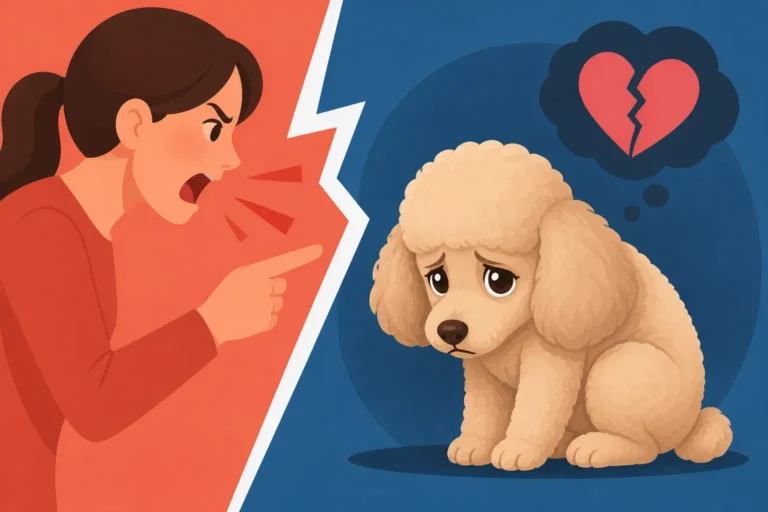
Let’s be realistic: no matter how diligent you are, accidents are going to happen. It’s part of the process, especially with a young Toy Poodle. The key is how you react to them. Your response can either reinforce bad habits or help move the training forward. Panicking or punishing will only make things worse, eroding trust and potentially making your Poodle fear you.
Catching Your Poodle in the Act
This is the golden moment for learning. If you catch your Toy Poodle squatting, sniffing intently, or in the very act of having an accident, immediately interrupt them with a sharp, but not scary, sound – a clap, a firm "Ah-ah!" or "No potty inside!" The goal isn't to terrify them, but to startle them enough to stop. Then, without any further scolding, quickly pick them up (if safe to do so) or guide them swiftly to their designated outdoor potty spot.
Even if they only produce a drop or two outside, praise them like they've just won Best in Show and give them that high-value treat. This teaches them: "Oops, inside is wrong, but going outside, even when I really had to go, is amazing!" This immediate redirection and reward is incredibly powerful. Remember, the timing is everything. If you don't catch them in the act, you've missed the teachable moment.
Cleaning Up and Moving On
If you discover an accident after the fact – a puddle on the floor, a damp spot on the carpet – it's crucial not to punish your Poodle. They won't connect the punishment to something they did minutes or hours ago. All they will understand is that you're angry, which can make them fearful and more likely to hide future accidents. Instead, simply clean it up thoroughly using your enzymatic cleaner (as discussed earlier) to eliminate all traces of odor.
After cleaning, take your Poodle outside to their potty spot. Even if they don't have to go, it reinforces that the outside is the correct place. Reflect on what went wrong: Did you miss a potty break? Was supervision lacking? Was the crate too big? Use each accident as a learning opportunity for yourself to adjust the routine or supervision. This proactive approach helps prevent future incidents. You might be interested in Why a Poodle Still Has Accidents for more insights into common potty training pitfalls.
Common Potty Training Setbacks and How to Address Them
Sometimes, despite your best efforts, you hit a wall. Maybe your Toy Poodle was doing great and suddenly starts having accidents again, or perhaps they're just not "getting it." This is normal! Setbacks can happen for various reasons.
- Regression: If an otherwise well-trained Poodle starts having accidents, consider recent changes in their environment (new schedule, new pet, new baby), diet changes, or a potential underlying health issue. A quick vet check can rule out UTIs or other medical problems.
- Fear/Anxiety: A sensitive Toy Poodle might be afraid of loud noises outside, certain people, or even specific textures of grass. Observe their behavior closely. If they seem fearful, work on positive association with the outdoor environment, maybe even taking them out on a longer lead to a quieter spot.
- "Attention-Seeking" Accidents: While less common, some very clever Poodles might learn that peeing inside gets your immediate (albeit negative) attention. If you suspect this, increase their mental and physical exercise, and make sure they're getting plenty of positive attention for good behavior. When accidents happen, clean up calmly and silently.
- Weather Aversion: If your Poodle refuses to go out in the rain or cold, invest in appropriate gear (sweaters, raincoats) and be persistent. Make the outdoor trip as quick and efficient as possible, then reward lavishly indoors. For stubborn cases, temporarily returning to indoor potty pads for a few days, then slowly reintroducing outdoor trips, might be necessary. This struggle is particularly relevant for topics like Why a Trained Poodle Backslides in Winter.
Transitioning Your Toy Poodle to Independent Potty Habits
The ultimate goal of house training is for your Toy Poodle to reliably go potty in the designated outdoor area without constant supervision or prompting. This transition doesn’t happen overnight; it’s a gradual process of building trust, increasing freedom, and solidifying good habits. Think of it as slowly loosening the reins, always ready to step back if needed.
Reading Your Poodle's Signals
As your Toy Poodle matures and becomes more reliably house trained, you'll start to notice their subtle signals for needing to go out. These might include pacing, sniffing the floor, whining softly, standing by the door, or even making eye contact with you. Every Poodle is different, and their "tells" will vary. It’s your job to become fluent in their unique language.
Pay close attention to these cues, and always respond promptly by taking them out. Never ignore a signal, even if you think they just went. Reinforcing their attempts to communicate their needs is crucial for building reliable, independent habits. If they signal and you take them out, and they go, celebrate it! This teaches them that communicating works, and it's a huge step towards them taking responsibility for their own potty needs. The online courses from BAXTER & Bella are excellent for teaching owners to observe and understand their dog's body language more effectively.
Gradual Increase of Freedom
Once your Toy Poodle has been accident-free for several weeks in their confined areas, you can begin to gradually increase their freedom within the house. Start with one room, perhaps the living room, for a short period, still keeping a watchful eye. If they remain accident-free, you can slowly expand their access to other rooms, increasing the duration of their unsupervised time.
Always remember that "unsupervised" doesn't mean "unmonitored." You should still be generally aware of their whereabouts and listen for any suspicious quietness (often a sign they're up to no good!). If they have an accident during this phase, it means you've expanded their freedom too quickly. Simply go back to the previous level of confinement and supervision for a bit longer before trying again. This process requires patience and understanding that every Poodle learns at their own pace.
Long-Term Consistency and Maintenance
Even after your Toy Poodle is fully house trained, consistency remains vital. Stick to a regular feeding and potty schedule as much as possible. While they may not need hourly trips, maintaining predictable meal times and regular outdoor access reinforces their learned habits. Don't assume that once trained, they'll never have an accident again, especially in new environments or during times of stress.
Remember, a Toy Poodle's bladder is still relatively small, even as an adult. Never leave them for excessively long periods without a potty break. Continue to provide ample outdoor opportunities and always clean up accidents thoroughly with enzymatic cleaners. By maintaining a structured routine and being attentive to their needs, your Toy Poodle will remain a reliably house-trained companion for years to come.
Disclaimer
This article is for general informational purposes only and does not constitute professional advice. Laws, prices and regulations vary by location and change over time. Consult a qualified professional for guidance on your specific situation.