Financing a Standard Poodle’s Bloat Surgery
The sudden, terrifying onset of bloat in a Standard Poodle is every owner's nightmare. One moment your beloved dog is fine, the next they are visibly distressed, distended, and in excruciating pain, requiring immediate, emergency veterinary intervention that can run into significant costs. This guide is here to walk you through the various financial options available when facing the urgent reality of Standard Poodle bloat surgery, offering practical steps and planning strategies to help you navigate this incredibly stressful situation.
Understanding the Urgency and Cost of Poodle Bloat Surgery
When a Standard Poodle suffers from Gastric Dilatation-Volvulus (GDV), commonly known as bloat, time is quite literally of the essence. This isn't just an upset stomach; it's a life-threatening condition where the stomach fills with gas and often twists, cutting off blood supply and risking organ damage. The window to save your dog is incredibly narrow, often just a few hours. This means that when you notice the tell-tale signs like pacing, retching without vomiting, a distended abdomen, or excessive drooling, you need to get to an emergency vet immediately. You can learn more about Emergency Signs of Poodle Bloat.
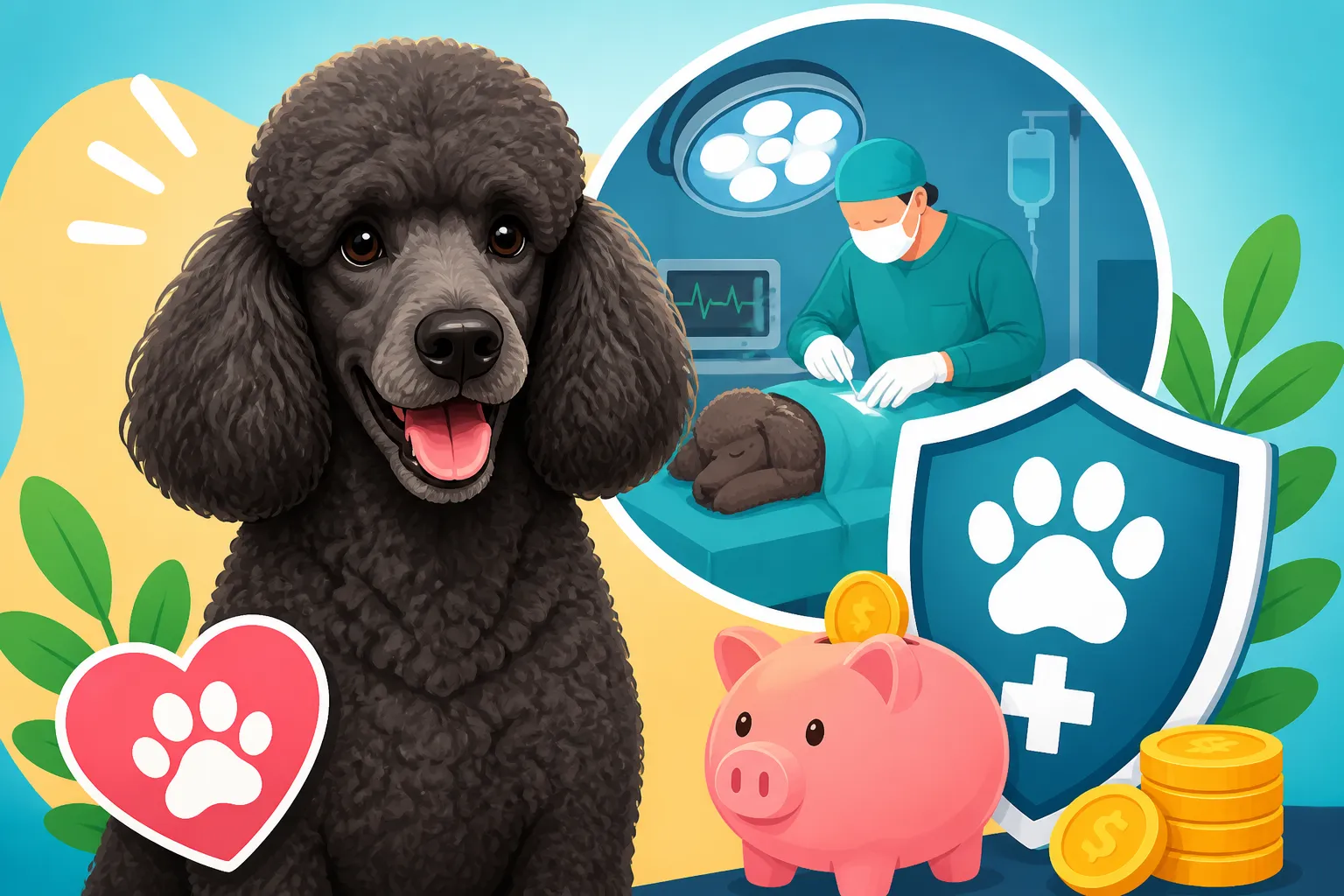
The urgency of this condition translates directly into the cost of treatment. Emergency veterinary care is inherently more expensive due to specialized staff, equipment, and round-the-clock availability. Bloat surgery is a complex procedure that involves untwisting the stomach, assessing for damage, and often performing a gastropexy – stitching the stomach to the abdominal wall to prevent future occurrences. Post-operative care is also critical, requiring hospitalization, pain management, and monitoring for complications.
Why Bloat Surgery is a Major Financial Undertaking
The expenses associated with bloat surgery are not just for the procedure itself. They encompass a wide range of services, each contributing to the overall bill. You're looking at things like initial stabilization, diagnostic tests (X-rays are crucial to confirm GDV), anesthesia, the surgical team's time and expertise, medications both during and after surgery, and extended hospitalization in an intensive care unit. This is not a situation where you can comparison shop; you need the best care, right now.
Many owners are shocked when they receive the initial estimate, which can be substantial. It's a moment of profound emotional distress compounded by financial panic. The sheer speed at which decisions must be made, often with your heart breaking as you look at your suffering Poodle, makes financial planning almost impossible in the moment. This is why having a plan, even a loose one, for such emergencies is so crucial. The financial strain can be as overwhelming as the emotional one.
The Time-Sensitive Nature of Financial Decisions
Because bloat is so time-sensitive, you often don't have the luxury of waiting for loan approvals or contacting multiple organizations. You need solutions now. This often means making quick decisions about your personal finances, whether it's putting a large sum on a credit card, tapping into savings, or reaching out to family and friends. Vets understand this pressure and often have systems in place to help, but the ultimate responsibility for payment falls to the owner. This is precisely why preparedness, even if it feels daunting, can make all the difference when those critical hours arrive.
Immediate Financial Options When Bloat Strikes
When your Standard Poodle is facing bloat, "immediate" means within minutes or hours. You won't have time to apply for a traditional loan or start a fundraiser from scratch. Your focus needs to be on what resources you can access almost instantly.
Emergency Savings and Credit Cards
The most straightforward immediate option is often your personal emergency fund. If you've been diligently setting aside money for unexpected expenses, this is precisely what it's for. Even if it doesn't cover the full cost, it can provide a substantial down payment, easing the immediate pressure.
Credit cards are another common lifeline. High-limit credit cards, especially those with low or introductory 0% APR offers, can be invaluable in a crisis. Many veterinary clinics also accept specialized pet healthcare credit cards, which are designed for veterinary expenses and often offer deferred interest plans if paid within a certain timeframe. Be sure to understand the terms, as interest rates can be high if the balance isn't paid off promptly. While not ideal for long-term debt, they can provide the bridge needed to get your Poodle the care they need without delay.
Asking for Help from Your Support Network
Don't underestimate the power of your community. Reaching out to family, close friends, or even trusted colleagues can provide immediate financial relief. People who care about you and your Poodle will often want to help, even if it's just a small contribution. Consider it a short-term loan that you can repay later.
Online fundraising platforms have also become a popular way to gather funds quickly for veterinary emergencies. While they require some effort to set up and promote, a well-shared campaign on social media can sometimes generate significant support within a day or two. Be honest about the situation, share pictures of your Poodle (if appropriate), and update your donors regularly. This isn't a guaranteed solution, but it can make a difference.
Discussing Payment Plans with Your Veterinary Clinic
Many veterinary clinics understand that pet owners often face unexpected, high-cost medical bills. It's always worth having an honest conversation with your vet or the clinic's financial administrator about payment options. While they can't always extend long-term credit, some may offer in-house payment plans for a portion of the bill, or be able to refer you to third-party financing companies that specialize in pet healthcare. They might require a significant down payment, but stretching the remainder over a few weeks or months can be a huge relief.
Longer-Term Financial Planning and Prevention
While immediate solutions are critical during an emergency, thinking ahead can prevent future crises from becoming financial catastrophes. Proactive planning is the best defense against the high costs of sudden health issues.
Pet Insurance: A Safety Net for the Unexpected
Pet insurance is, for many, the ultimate safety net. It works much like human health insurance, where you pay a monthly premium, and in return, the insurer covers a percentage of your vet bills after you've met your deductible. When choosing a policy, it's crucial to understand what's covered, what the reimbursement rate is, and what the annual limits are. For a breed like the Standard Poodle, known for certain health predispositions, finding a comprehensive plan is especially important. You might look into providers like Healthy Paws, which are often recommended for their broad coverage.
The key with pet insurance is to enroll your Poodle before any major health issues arise. Most policies consider conditions that existed before enrollment (pre-existing conditions) as ineligible for coverage. This means that if your Poodle has already had a bloat scare, or even symptoms that could be related to it, a new policy likely won't cover future bloat surgeries. This underscores the importance of getting coverage when your Poodle is young and healthy. Insuring a Poodle against Addison's and Bloat can offer immense peace of mind.
Building a Dedicated Emergency Fund for Your Poodle
Even with insurance, having a dedicated savings account for your Poodle's health is a wise move. Deductibles, co-pays, and services not covered by insurance can still add up. Automating small, regular transfers from your checking account into this "Poodle Emergency Fund" can build a substantial reserve over time without feeling like a huge burden. Think of it as self-insurance, giving you direct access to funds when you need them most.
You might also look at how you manage other pet expenses. Consolidating your pet supply purchases through services like Chewy, which often offers subscription discounts, can free up a bit of extra cash monthly to divert to your emergency fund. Similarly, evaluating your dog food choices—perhaps opting for a subscription service like Ollie for quality food that fits your budget—can help manage recurring costs and create flexibility in your budget for savings.
Preventative Measures: Gastropexy as a Proactive Step
For Standard Poodles, especially those with a deep chest, the risk of bloat is a constant concern. One of the most significant preventative measures you can take is a prophylactic gastropexy. This is a surgical procedure where the stomach is permanently attached to the abdominal wall, preventing it from twisting. It doesn't prevent the stomach from dilating with gas, but it eliminates the life-threatening volvulus (twisting).
Many owners opt to have a gastropexy performed at the same time as spaying or neutering, reducing the need for a separate anesthetic event. While it adds to the cost of the desexing procedure, it is significantly less expensive than emergency bloat surgery. When considering Whether a Standard Poodle Should Have a Gastropexy, factor in the peace of mind and potential life-saving benefits, not just the upfront cost. Discussing this with your vet when your Poodle is younger can be a critical part of your long-term health and financial planning.
Navigating Costs and Making Decisions Under Pressure
When your Poodle is in critical condition, the financial conversation can feel overwhelming. However, it's a necessary part of ensuring your beloved companion gets the care they need. Being prepared to engage in these discussions, even under duress, is important.
Communicating Clearly with Your Veterinary Team
Don't be afraid to ask questions about the cost breakdown. Your veterinary team understands that this is a significant expense, and they should be able to provide clear estimates for different stages of treatment. Ask for an itemized estimate, understand what each charge covers, and inquire if there are any less expensive but still medically sound options (though with bloat, options are often limited due to its severity).
It’s also important to be upfront about your financial limitations. If you have a maximum amount you can spend, communicate that early on. While vets are committed to saving lives, they also need to know what is feasible for the owner. This open communication can help them guide you through the available treatment plans and financial options. Sometimes, the vet might be able to suggest alternative pathways or direct you to resources like charitable organizations that help with vet bills. For instance, sometimes Help With Poodle Bills When Money Runs Out can be found through breed-specific rescues or general pet assistance funds.
Exploring Financial Assistance Programs
Beyond immediate personal resources and payment plans, several organizations exist to help pet owners with emergency veterinary costs. These often have specific eligibility requirements, such as income limits or diagnosis criteria, but they are worth exploring if you find yourself struggling.
National and Local Charities: Many national animal welfare organizations and local humane societies offer grants or financial aid programs. These can vary significantly by location and availability, so a quick online search for "pet financial aid [your city/state]" might yield results.
Breed-Specific Rescues: Poodle rescues often have funds dedicated to helping Poodles in need, including those with urgent medical conditions. Even if your Poodle wasn't adopted from them, some may still offer assistance or guidance.
Veterinary School Programs: If there's a veterinary school or teaching hospital nearby, they sometimes have programs or funds to assist clients, particularly for complex or unusual cases that also serve as teaching opportunities.
It's important to remember that these programs usually take time to process, so they might not be suitable for the absolute immediate onset of bloat, but they could help with follow-up care or reimbursement if you can pay upfront.
Creating a Financial "Action Plan" During Crisis
When the unthinkable happens, having a rough mental or physical checklist can help prevent you from freezing up.
| Financial Strategy | Immediate Access (Hours) | Short-Term Access (Days) | Long-Term Planning (Weeks/Months) |
|---|---|---|---|
| Personal Funds | Emergency savings | Credit cards, Line of Credit | Dedicated pet savings account |
| Vet Clinic Options | Discuss payment plans (down payment) | Third-party medical financing | Prophylactic Gastropexy |
| External Assistance | Family/Friends, Quick social media fundraiser | Local/National pet charities, Breed rescues | Pet insurance enrollment |
| Budget Adjustments | Minimal during crisis | Review recurring pet expenses (e.g., Chewy, Ollie) | Evaluate overall household budget |
This table provides a snapshot of what resources you can tap into based on urgency. The goal is to move from immediate, often high-interest solutions towards more sustainable options, and eventually, proactive prevention and insurance. The shock of a bloat emergency truly highlights the importance of financial foresight for Poodle owners.
Disclaimer
This article is for general informational purposes only and does not constitute professional advice. Laws, prices and regulations vary by location and change over time. Consult a qualified professional for guidance on your specific situation.