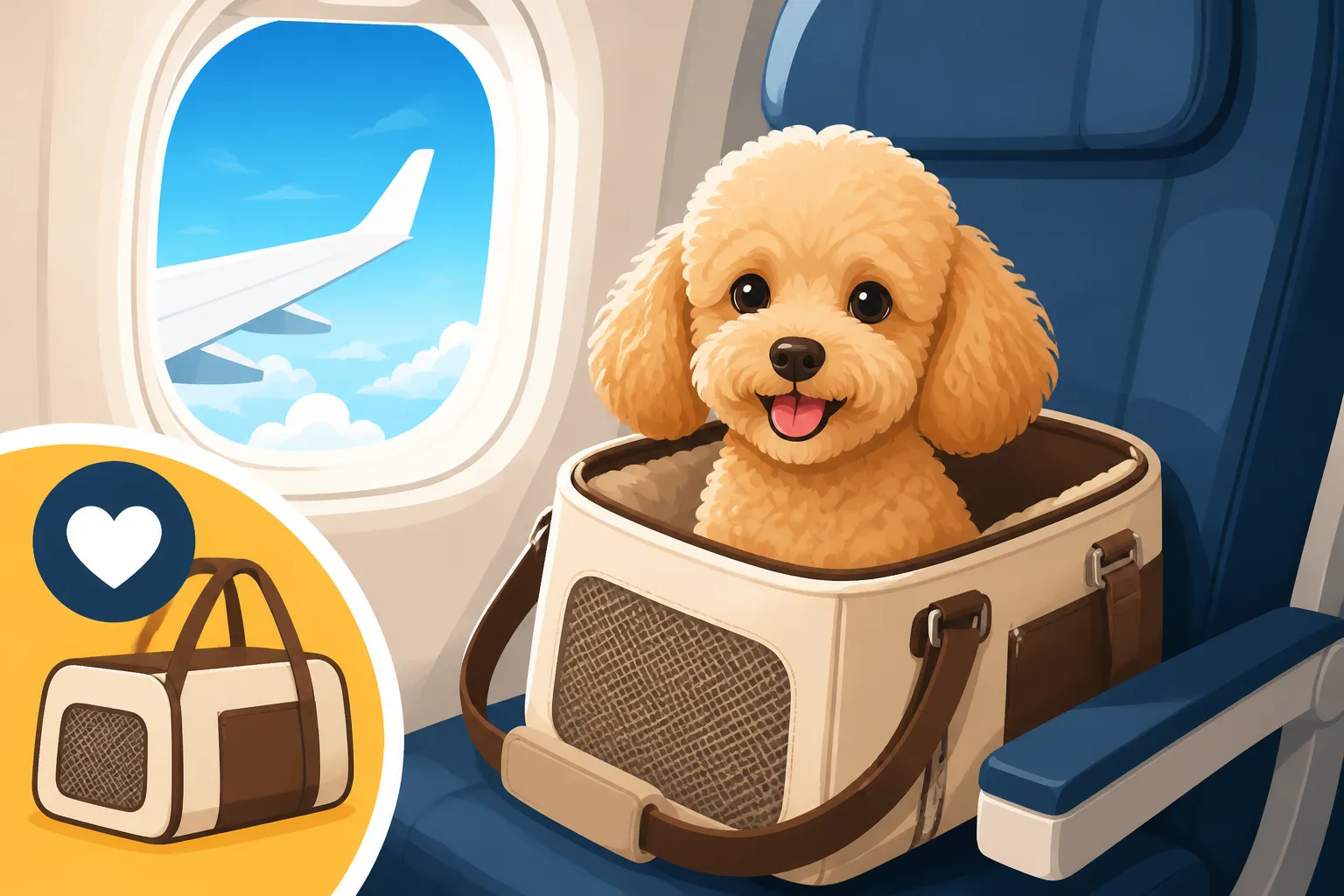
Flying With a Toy Poodle in Cabin
Bringing your beloved Toy Poodle along for a flight can feel like navigating a maze of conflicting information and rigid rules, leaving many of us feeling overwhelmed and worried about our little companions. It’s natural to feel anxious about something so important as your furry family member’s comfort and safety in the air. This comprehensive guide aims to cut through the confusion, providing you with practical, step-by-step advice for successfully flying with your Toy Poodle in the airplane cabin, ensuring a smoother journey for both of you.
Understanding Airline Regulations for In-Cabin Pets
The first hurdle, and often the most daunting, is deciphering each airline's specific rules. It feels like every carrier has its own playbook, and what works for one might not fly with another (pun intended!). The key is to remember that these regulations are designed for safety and space, but it also means you have to do your homework well in advance. Don't wait until the last minute, or you might find your Poodle isn't cleared for takeoff.
Size and Weight Restrictions for Carriers
Airlines are incredibly strict about the dimensions of pet carriers that can fit under the seat in front of you. This isn't just a suggestion; it's a non-negotiable measurement. Most airlines will list maximum dimensions, usually around 18" L x 11" W x 11" H, but these can vary. Your Toy Poodle needs to be able to stand up, turn around, and lie down comfortably within the carrier without touching the top. This "comfortably" part is subjective and often left to the discretion of gate agents, which can be a source of immense stress if your carrier is borderline. It's often safer to go a little smaller than the maximum if your dog is on the cusp, or to opt for a soft-sided carrier that can compress slightly. You’ll want to review the specific Carrier Sizes That Fit a Toy Poodle for your chosen airline to avoid any last-minute surprises at the gate.
Beyond dimensions, some airlines also have a combined weight limit for your Poodle and their carrier, often around 15-20 pounds. While most adult Toy Poodles typically fall well within this range (they usually weigh between 4 and 6 pounds), it's another detail you absolutely cannot overlook. A heavier Poodle, combined with a sturdy carrier, could push you over the limit on some airlines. Always check both the size and weight requirements for your specific flight and aircraft type, as regional jets might have different rules than larger planes.
Approved Carrier Types and Features
When it comes to carriers, not just any pet tote will do. Airlines typically require carriers that are leak-proof, well-ventilated, and either soft-sided or collapsible. Hard-sided carriers are almost universally prohibited for in-cabin travel because they cannot be easily manipulated to fit under the seat. Look for carriers with mesh windows on multiple sides to ensure good airflow, which is critical for your Poodle's comfort and to prevent overheating. A comfortable, washable fleece pad inside the carrier is also a must-have, providing a soft surface and absorbing any accidents.
Many reputable pet supply retailers, like Chewy, offer a wide selection of airline-approved carriers, often clearly marked with their dimensions and features. It’s a good idea to read reviews from other pet owners who have flown with their carriers. Pay attention to features like secure zippers, clips that prevent accidental openings, and straps that allow you to easily carry the carrier through the airport. A shoulder strap or wheels can be a lifesaver when you're also juggling your own luggage.
Booking Your Poodle's Spot
This isn't just about buying your ticket; it's about reserving a confirmed space for your Toy Poodle, too. Most airlines limit the number of pets allowed in the cabin per flight, and these spots fill up quickly. You should contact the airline directly via phone to book your pet's reservation as soon as your travel dates are firm. Don't assume that because you bought your ticket online, your Poodle automatically has a spot. This is a common pitfall that leads to heartbreaking last-minute cancellations or rebookings.
When you call, be ready to provide your flight details, your Poodle's breed, and the dimensions of your carrier. The airline representative will confirm availability and then usually charge a separate pet fee. These Airline Fees for a Toy Poodle in Cabin can range from $95 to $150 or more per one-way flight, so factor that into your travel budget. Keep the confirmation number for your pet's reservation handy, and ideally, add a note to your personal flight booking indicating you're traveling with an in-cabin pet. Double-check everything before you hang up, and then check it again a few days before your flight.
Preparing Your Toy Poodle for Air Travel
Once you've navigated the administrative hurdles, the next step is ensuring your Toy Poodle is mentally and physically ready for the journey. A calm, well-prepared Poodle will have a much better experience, and so will you. This stage requires patience and a proactive approach, especially since Poodles are known for their sensitive nature.
Vet Visits and Health Certificates
Before any flight, a trip to the veterinarian is non-negotiable. Most airlines, and certainly all international flights, require a health certificate issued by a licensed vet within a specific timeframe (often 10 days) of your travel date. This certificate confirms your Poodle is healthy enough to fly and free of contagious diseases. During this visit, your vet can also ensure your Poodle's Poodle Vaccination and Preventive Schedule is up to date and discuss any concerns about stress or motion sickness.
It's also a good opportunity to discuss preventative measures. Your vet might recommend a mild sedative if your Poodle is prone to extreme anxiety, but this is a decision to make carefully and with professional guidance. Never administer any medication without your vet's explicit instruction. Additionally, ensure your Poodle is microchipped, and that your contact information is current. Microchipping a Toy Poodle is not just good practice, it's a vital safety net if you ever become separated. Take a clear, recent photo of your Poodle with you, too, just in case.
Acclimating Your Poodle to the Carrier
Imagine being stuffed into a small box for hours without prior warning. You wouldn't like it, and neither will your Poodle. The carrier needs to become a safe, familiar, and even positive space long before flight day. Start weeks, if not months, in advance. Leave the carrier open on the floor with a soft blanket, treats, and toys inside. Encourage your Poodle to explore it at their own pace. Feed meals near or even inside the carrier.
Gradually increase the time your Poodle spends in the carrier, zipping it up for short periods while you're home. Take them on short car rides in the carrier to simulate movement. The goal is for them to associate the carrier with comfort and positive experiences, not confinement or punishment. This process ties directly into good Crate Training a Poodle That Wants Company, which is invaluable for successful travel. The more comfortable your Poodle is with their carrier, the less stressful the actual flight will be.
Managing Travel Anxiety
Poodles, especially Toy Poodles, can be quite sensitive, and the sights, sounds, and confined spaces of an airport and airplane can be overwhelming. Some dogs handle it better than others, but anticipating and managing potential anxiety is key. Consider using calming aids like pheromone sprays (Adaptil is a popular brand) or calming chews recommended by your vet. Start using these at home before the trip to see how your Poodle responds.
Exercise your Poodle thoroughly the morning of your flight. A tired dog is a calm dog. A long walk or a vigorous play session can help burn off excess energy and make them more inclined to rest during travel. Avoid giving large meals right before the flight, as this can lead to an upset stomach. Instead, offer a small, easily digestible meal a few hours before departure. During the journey, maintain a calm demeanor yourself; dogs are incredibly attuned to our emotions, and your stress will only heighten theirs.
Packing Essentials for Your Flight
Think of packing for your Poodle like packing for a human baby – you need everything they might need within arm's reach. Space is limited, so efficiency is key, but don't skimp on the necessities. Being prepared with the right items can make all the difference between a smooth trip and a frantic scramble.
Food, Water, and Potty Supplies
While your Poodle won't be having a full meal service, you'll need to pack enough food and water for the journey, including potential delays or layovers. Small, easily digestible kibble portions or even a fresh food option like Ollie (if you can keep it cold) can be packed in airtight containers. Remember, you can't bring a full water bottle through security, so bring an empty collapsible bowl and ask for water once you're past security, or purchase a bottled water for your Poodle.
For potty breaks, essential supplies include puppy pads, waste bags, and paper towels. While airports are increasingly offering pet relief areas, they might not always be conveniently located or suitable for a nervous Toy Poodle. Having a few puppy pads in your bag means you can create a makeshift relief spot if absolutely necessary, though using designated areas is always preferred. Accidents happen, so having cleaning supplies on hand is crucial.
Comfort Items and Distractions
Familiar items can provide immense comfort to your Poodle in an unfamiliar environment. Bring a small blanket or an old t-shirt that smells like home and place it in the carrier. This familiar scent can be incredibly soothing. A favorite small chew toy or a puzzle toy with a few treats inside can provide a much-needed distraction during periods of high activity or during the flight itself. Just make sure the toy isn't noisy or easily destructible.
Chew items are particularly useful during takeoff and landing, as the pressure changes can cause discomfort in a dog's ears, just like in humans. Chewing can help alleviate this pressure. You might also consider bringing a small, soft brush – a quick brush can be a calming ritual for some Poodles, though space might be too tight for extensive grooming. Remember, the goal is to create a tiny, comforting sanctuary within the carrier for your beloved companion.
Emergency Contact Information
This is one of those things you hope you'll never need, but absolutely must have. Create a small, laminated card with your Poodle's name, your name, cell phone number, email address, and the contact information for your veterinarian. Include any essential medical information, such as allergies or medications your Poodle is on. Attach this card securely to the carrier, both inside and out.
In the unlikely event that your Poodle becomes separated from you, this information is vital for their safe return. It’s also wise to have a copy of your Poodle's health certificate and vaccination records accessible, perhaps stored digitally on your phone and as a physical printout in your carry-on. Having all these details readily available minimizes stress in an already stressful situation.
Navigating the Airport and Flight Day
The day of travel is often the most intense, filled with crowds, unfamiliar noises, and tight schedules. Approaching it with a clear plan and a calm mindset will benefit both you and your Toy Poodle.
Check-in and Security Procedures
When you arrive at the airport, head straight to the check-in counter, even if you have an electronic boarding pass. You'll need to confirm your Poodle's reservation, pay any outstanding fees, and receive your pet's boarding pass (yes, they get one!). Airlines usually require you to keep your Poodle in their carrier from the moment you check in until you reach your destination, so plan accordingly.
Security checkpoints can be particularly stressful. You will be required to remove your Toy Poodle from their carrier and carry them through the metal detector. The empty carrier will go through the X-ray machine. This is where your prior carrier training pays off, as your Poodle needs to be calm and compliant in your arms. Keep their leash and harness on and secured, even when holding them, to prevent any unexpected dashes. Stay calm and follow the TSA agent's instructions precisely. Once you're through, immediately put your Poodle back into their carrier in a quiet area.
During the Flight: Keeping Your Poodle Comfortable
Once onboard, your Toy Poodle's carrier must remain stowed under the seat in front of you for the entire flight, including during taxi, takeoff, and landing. Airline policy strictly prohibits taking them out of the carrier at any point during the flight, no matter how much you might want to comfort them. This rule is for safety, and flight attendants will enforce it.
Do your best to create a serene environment. You can drape a light blanket or jacket over part of the carrier to reduce visual stimulation, creating a den-like feel. Talk to your Poodle in a low, soothing voice. Offer a favorite chew toy or a few small, silent treats. While you can't open the carrier, you can often reach a hand in through the mesh to offer gentle comfort. Keep an eye on them for any signs of distress, and subtly adjust their position if they seem uncomfortable. A well-hydrated Poodle is also a happier Poodle, so offer sips of water through the carrier mesh if they seem thirsty.
Post-Flight Adjustments
Once you've landed and are clear of the aircraft, find the nearest pet relief area as quickly as possible. Your Poodle has likely been holding it in for a long time, and a potty break will be their top priority. Allow them to stretch their legs and relieve themselves in a safe, designated space. Offer them a generous drink of water and a small, calming treat.
The transition from the noisy, busy airport to a new environment can still be a lot for a sensitive Poodle. Try to maintain as much of their regular routine as possible upon arrival. Give them time to decompress in a quiet space. Some Poodles might be a bit disoriented or withdrawn after travel, which is completely normal. Offer extra cuddles and reassurance. If you're staying in a hotel, ensure it's one of the Hotels That Accept a Standard Poodle (and by extension, a Toy Poodle!) and set up a comfortable, familiar space for them right away.
Common Challenges and Troubleshooting
Despite the best preparations, travel often throws curveballs. Knowing how to react to common problems can prevent minor hiccups from becoming major disasters.
Dealing with Unexpected Delays or Disruptions
Flight delays are an unfortunate reality of air travel. A short delay can stretch into hours, turning a manageable trip into an endurance test for your Poodle. The most important thing is to stay calm. If you find yourself facing a significant delay, immediately check your Poodle's access to water. If the delay is extensive, you might need to find a designated pet relief area in the airport terminal, which can sometimes be a trek.
Some airports, like Hartsfield-Jackson Atlanta International Airport or Denver International Airport, have impressive indoor pet relief stations. Others might only offer outdoor options. Always ask airport staff for directions to the nearest facility. If you're stuck on the tarmac, unfortunately, options are extremely limited, and you'll have to rely on your Poodle's bladder control and your ability to offer comfort within the carrier. This is where having small treats and a familiar blanket can really make a difference.
Addressing Potty Needs In-Flight or During Layovers
As mentioned, in-flight potty breaks are not an option. For this reason, it's crucial to ensure your Toy Poodle empties their bladder and bowels right before entering the airport terminal. During layovers, especially longer ones, prioritize taking your Poodle to a pet relief area. Give them ample time to sniff around and relieve themselves without rushing.
For very young Toy Poodle puppies, who have tiny bladders, longer flights or extended layovers can be particularly challenging. While an adult Toy Poodle can often hold it for 6-8 hours, a puppy might only last 2-3. If you're traveling with a puppy, this is where puppy pads in the carrier become a non-negotiable backup, and you’ll want to review advice on Overnight Breaks for a Toy Poodle Puppy or generally about their tiny bladders. However, remember that any accidents in the carrier will make your Poodle uncomfortable and could create a strong odor in the cabin, so prevention is always better than cleanup. If you're worried, try to book direct flights or layovers that are long enough to allow a proper relief break outside the plane.
Recognizing and Responding to Stress Signals
Even with the best preparation, your Poodle might show signs of stress. It's crucial to be able to read their body language. Signs of anxiety in a Poodle can include excessive panting (without being overheated), yawning, lip licking, shivering, whining, or even trying to burrow deeply into the carrier. They might avoid eye contact or become very still and quiet. It's helpful to understand how to read Reading Pain in a Sensitive Poodle more broadly, as stress can sometimes manifest similarly.
If you observe these signs, first and foremost, speak to them calmly and reassuringly. If possible, gently slide your hand into the carrier to offer a comforting stroke. A small, high-value treat can sometimes distract them and create a positive association. Do not open the carrier door. If their distress seems severe and prolonged, and you suspect they are genuinely overheating or becoming ill, discretely alert a flight attendant for advice, though their options will be limited in-flight. Remember, your calm presence is often the most powerful antidote to their anxiety.
Disclaimer
The information provided in this guide is for general informational purposes only and does not constitute professional veterinary advice. Always consult with a qualified veterinarian regarding your Poodle's specific health needs and before making any decisions related to their medical care or travel. Airline regulations are subject to change, so always confirm the latest policies directly with your chosen airline before making travel plans.