Water Work and the Poodle
One common misconception about Poodles, with their elegant show clips and sophisticated air, is that they are purely lapdogs or show ring divas, far removed from their rugged origins. Many new Poodle owners are surprised, and sometimes even a little overwhelmed, to discover a profound, often exuberant, instinct for water in their otherwise refined companion. This guide will dive deep into understanding and channeling your Poodle's natural love for aquatic activities, from safe introductions to advanced water sports.
The Poodle's Deep-Rooted Water Instinct
It's easy to forget, looking at a meticulously groomed Poodle in the show ring, that this breed was originally a working dog, bred for specific tasks that required intelligence, athleticism, and a strong affinity for water. Their very name, derived from the German "Pudel" (meaning "to splash"), hints at their aquatic heritage. Understanding this history is key to appreciating your Poodle's often surprising enthusiasm for splashing around.
Tracing Their Water Retriever Heritage
The Poodle originated in Germany centuries ago, not as a pampered pet, but as a robust waterfowl retriever. Hunters relied on these dogs to plunge into icy waters, retrieve downed birds, and bring them back without delay. This was a challenging job, requiring stamina, bravery, and a coat that could protect them from the elements. They were built for cold, wet conditions, making them far more than just pretty faces. The breed's development focused on enhancing these working qualities, shaping them into efficient, intelligent hunting partners. In fact, many people don't realize the original purpose of their distinctive coat clips – it wasn't just for fashion! Why a Working Poodle Was Clipped at All delves into how those "pompoms" served a practical purpose in protecting vital joints.
Why Their Coat Is Made for Water
The Poodle's signature curly, dense, and naturally oily coat is a marvel of natural engineering, perfectly suited for its original role as a water retriever. Unlike many breeds with a shedding undercoat, the Poodle's single layer of hair is designed to be highly water-resistant. When a Poodle plunges into water, the curls mat together, forming a protective barrier that prevents water from soaking down to the skin. This insulation helped keep them warm in frigid lakes and rivers, allowing them to remain effective for extended periods. This unique coat also doesn't shed much, which is why it's so popular with allergy sufferers, but it comes with significant grooming demands, especially after a swim. Understanding The Poodle Coat and Why It Never Stops Growing is crucial for any Poodle owner, particularly those who embrace water activities.
The Modern Poodle and Its Innate Drive
Even generations removed from their hunting ancestors, most Poodles retain a strong, innate drive to retrieve and a natural comfort around water. You might see it in a puppy's fascination with puddles, an adult's eagerness to splash in a kiddy pool, or their sheer joy in a lake. This isn't just learned behavior; it's deeply ingrained. Many Poodles are natural swimmers, taking to water with surprising grace and power. For owners, recognizing and encouraging this instinct can be incredibly rewarding, providing a fantastic outlet for their Poodle's energy and intelligence. It's a testament to their enduring breed characteristics that even a Toy Poodle might surprise you with its aquatic prowess!
Introducing Your Poodle to Water
While many Poodles are natural swimmers, not all will immediately dive in headfirst. Some can be a little cautious, especially if they haven't been introduced to water gently. The key is to make their first experiences positive, low-pressure, and safe. Remember, building confidence takes time and patience, but the rewards are immense.
First Splashes: Pups and Shallow Entry
For puppies, or even adult Poodles who are new to water, start small and simple. A shallow kiddie pool in your backyard is perfect. Fill it just enough so their paws can touch the bottom, making it feel safe and controllable. Toss a favorite floating toy into the water to encourage them to step in. You can even join them, splashing gently with your hands and making it a fun, playful experience. Avoid forcing them or throwing them into deep water, as this can create fear and trauma that's very difficult to overcome. The goal is gentle curiosity, not overwhelming immersion. If you have access to a gradual entry lake or beach, that's another excellent option, allowing them to wade in at their own pace.
Building Confidence in Reluctant Swimmers
If your Poodle is hesitant, don't despair. Some Poodles, particularly those who haven't had early exposure, might be wary. Start by simply having them walk alongside the water's edge, letting them observe. Use high-value treats and enthusiastic praise to reward even the smallest steps towards the water. Consider getting into the water yourself and calling them, offering a treat when they come close or dip a paw in. A well-fitting dog life vest can also provide an extra layer of confidence and safety, giving them buoyancy and making them feel more secure. Brands available on platforms like Amazon offer a wide range of sizes and styles for Poodles of all types, from tiny Toys to robust Standards. Slow, steady progress is much more effective than pushing too hard and creating an aversion.
Making It a Positive Experience
Every interaction with water should be positive. Keep sessions short, especially at first, ending before your Poodle gets tired or scared. Bring their favorite waterproof toys – tennis balls, floating bumpers, or soft discs work wonderfully. Celebrate every success, no matter how small, with cheerful praise and tasty rewards. If you're struggling, consider reaching out to a positive reinforcement trainer. Many resources, like those offered by BAXTER & Bella, emphasize building confidence and a positive association with new experiences, which can be invaluable when introducing your Poodle to water. Over time, your Poodle will come to associate water with fun, play, and quality time with you.
Safety First: Essential Water Work Gear and Practices
Water activities are fantastic for Poodles, offering excellent exercise and mental stimulation, but safety must always be the top priority. Lakes, rivers, and even backyard pools come with their own set of risks. Being prepared and vigilant is paramount to ensuring your Poodle's aquatic adventures are safe and enjoyable.
Choosing the Right Life Vest
A well-fitting dog life vest is arguably the most crucial piece of equipment for any Poodle enjoying water activities, especially if they're still building confidence or heading into open water. Even strong swimmers can get tired, caught in currents, or become disoriented. A good life vest will provide buoyancy, keeping their head above water, and often includes a handle on the back, allowing you to easily lift your Poodle out of the water if needed. Look for vests with sturdy buckles, adjustable straps for a snug fit (Poodles come in three distinct sizes, so fit is key to avoid chafing), and bright colors for visibility. Read reviews carefully on sites like Amazon to ensure the vest is durable and truly fits your Poodle's unique body shape.
Supervision and Environmental Hazards
Never, ever leave your Poodle unattended near water, even for a moment. This applies to pools, ponds, and especially natural bodies of water. Currents, submerged obstacles, sharp rocks, and even other wildlife can pose serious threats. Be aware of water quality; stagnant ponds can harbor harmful bacteria, and fast-moving rivers can be dangerous. Always check the temperature of the water; Poodles, even with their protective coats, can get hypothermia in very cold water or overheat in excessively warm conditions. Blue-green algae, common in warm, still freshwater, is highly toxic and can be fatal if ingested. After any swim in natural water, always give your Poodle a thorough rinse to remove any potential contaminants.
Post-Swim Care for the Poodle Coat
The Poodle's unique coat, while fantastic for water, requires diligent care after a swim to prevent mats and skin issues. Chlorine from pools or salt from the ocean can dry out their skin and coat, while debris and tangles can quickly lead to painful matting. Immediately after swimming, thoroughly rinse your Poodle with clean, fresh water. Follow up with a good quality Shampoo and Conditioner for a Poodle Coat to rehydrate the hair and skin. Then, and this is critical, completely dry your Poodle using a high-velocity dryer and brush them out meticulously, ensuring every part of the coat is dry and tangle-free. Neglecting this step can lead to severe matting that may require a professional groomer to shave your Poodle down. Proper Rinsing Chlorine From a Poodle Coat is an essential habit to protect their skin and maintain coat health.
Types of Water Activities for Poodles
Poodles are versatile dogs, and their love for water opens up a world of fun and engaging activities. From casual dips to competitive sports, there's something for every Poodle and owner to enjoy. These activities not only provide excellent physical exercise but also offer vital mental stimulation for these intelligent dogs.
Recreational Swimming and Fetch
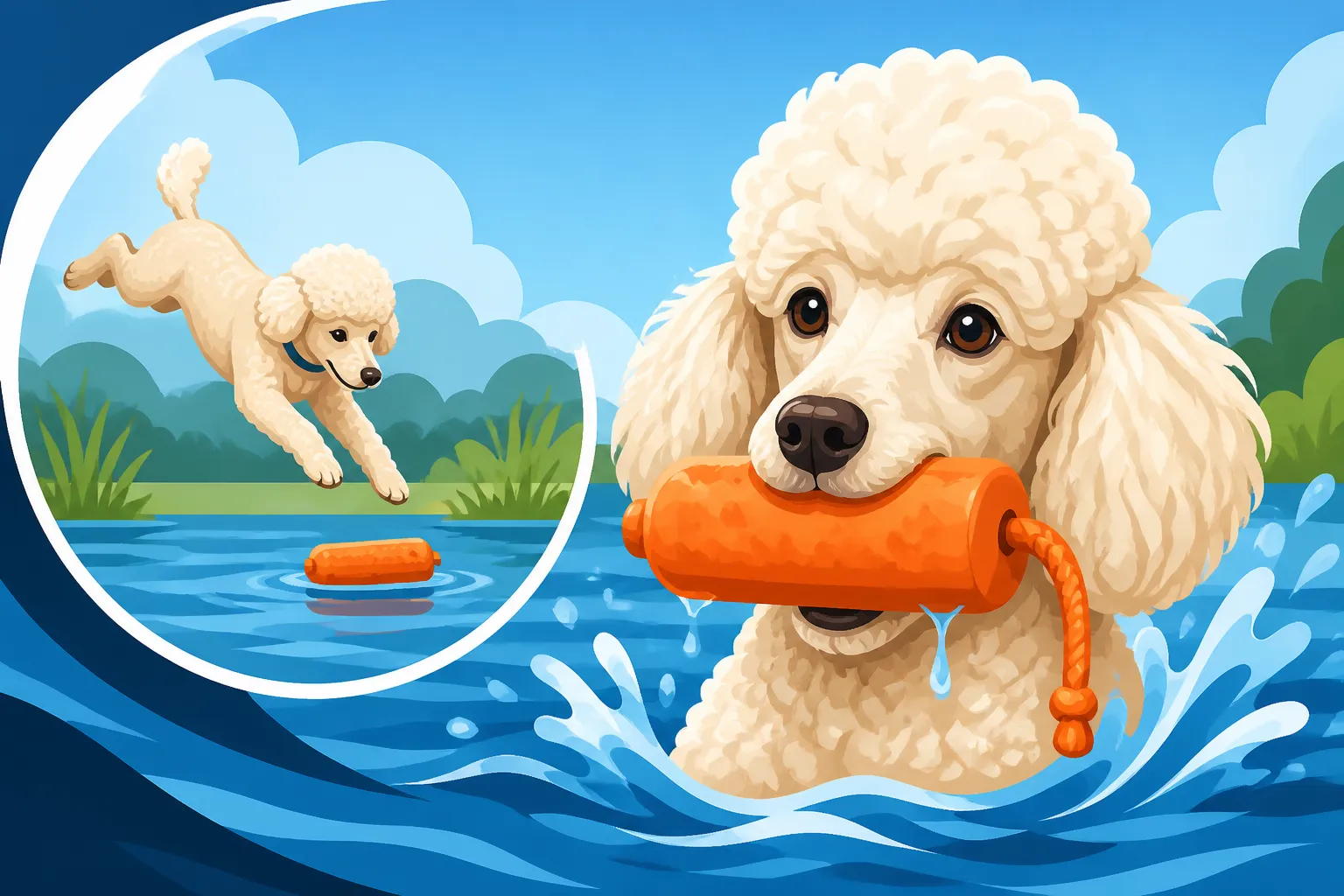
For many Poodles, simply swimming and playing fetch in the water is the ultimate joy. A large lake, a calm river, or even a securely fenced pool can become their personal playground. Throw a floating retrieve toy and watch them power through the water with strong, efficient strokes. This is an incredible low-impact exercise, perfect for Poodles of all ages, and particularly beneficial for those with joint concerns. It's a wonderful way to bond with your Poodle and let them express their natural athleticism. Just be mindful of how long they are in the water, ensuring they don't overexert themselves, especially in warm weather. Many Poodles will happily retrieve for hours if you let them!
Dock Diving: A Poodle's Leap of Faith
Dock diving, a sport where dogs run down a dock and jump for distance or height into a pool, is a fantastic outlet for a Poodle's athleticism, retrieving drive, and love of water. Standard Poodles, in particular, excel at this sport, often surprising spectators with their powerful jumps and enthusiastic splashes. It's an organized sport with clubs and events, but you can also practice informally at dog-friendly lakes with docks. Dock Diving With a Standard Poodle is a rapidly growing canine sport that capitalizes on a Poodle's natural abilities. The initial training involves building comfort with the dock, encouraging them to jump, and perfecting their retrieve. It's exhilarating to watch and even more fun to participate in!
Retrieving and Scent Work in Water
Building on their heritage as waterfowl retrievers, Poodles can be trained for more formal water retrieving tests or even just fun "scent work" in aquatic environments. This might involve teaching them to retrieve specific bumpers or dummies from different distances and depths, or even to follow a scent trail across the water. This type of activity taps into their keen intelligence and strong working drive, providing immense satisfaction for both dog and owner. It's not just about the physical act of swimming, but the mental challenge of problem-solving and following cues. Poodles often excel at these tasks due to their remarkable intelligence and biddability, truly embodying The Poodle's Retrieving Instinct.
Overcoming Water Aversion
While many Poodles are natural water lovers, some can be quite hesitant or even fearful. This can be frustrating for owners who envisioned joyful splashes, but it's important to approach water aversion with empathy and patience. Forcing a fearful dog into water can create lasting trauma and make future introductions even harder.
Recognizing and Addressing Fear
A Poodle's fear of water might manifest as pulling away from the water's edge, trembling, excessive panting, trying to escape, or even vocalizing distress. It's crucial to differentiate between simple hesitation and genuine fear. If your Poodle shows clear signs of fear, stop immediately. Pushing them past this point will only reinforce their negative association. Consider what might have caused the fear – a past negative experience, a startling sound, or simply lack of early, positive exposure. Addressing the root cause, if known, can help tailor your approach. Remember, their sensitivity means that a single bad experience can have a lasting impact; learning Why a Poodle Shuts Down When Scolded can give insight into their delicate temperament.
Gradual Introduction Techniques
The key to overcoming water aversion is a slow, gradual, and positive introduction. Start with very shallow water, like a few inches in a kiddie pool or a gentle sprinkler. Don't pressure them to swim; instead, focus on making the presence of water enjoyable. Use high-value treats, praise, and favorite toys that float. You might even sit beside the water with them, offering comfort and reassurance. As they become more comfortable, you can gradually increase the depth or duration of exposure. This might take weeks or even months, and that's perfectly okay. The goal is to let them decide when they're ready for the next step, always ending on a positive note. For some Poodles, simply walking through wet grass is a big step!
Professional Help for Extreme Cases
If your Poodle exhibits extreme fear or panic around water, and your gentle efforts aren't making headway, don't hesitate to seek professional help. A certified professional dog trainer specializing in fear-based behaviors or a veterinary behaviorist can provide tailored strategies and guidance. They can help identify underlying anxieties and implement desensitization and counter-conditioning protocols in a safe and structured manner. Sometimes, a neutral third party can achieve breakthroughs that an owner, even a loving one, cannot. Never give up on the possibility of your Poodle enjoying water; with the right approach and support, many fearful Poodles can learn to at least tolerate, and often even enjoy, safe aquatic activities. Resources like BAXTER & Bella provide online training support and community forums that could also offer additional perspectives and encouragement.
Advanced Water Work and Poodle Sports
Once your Poodle has developed a strong love and proficiency for water, there are many avenues for them to explore more advanced activities and even competitive sports. These activities not only challenge their physical abilities but also their impressive intellect, making them incredibly fulfilling for highly motivated Poodles.
Competitive Canine Aquatics
Beyond basic dock diving, the world of competitive canine aquatics offers a variety of events for Poodles. These can include distance jumps, height jumps, speed retrieves, and even specialized "hydro-dashes" or "iron dog" competitions that combine multiple water-based challenges. These events are fantastic for Standard Poodles, in particular, due to their size, strength, and boundless energy. It's a wonderful way to channel their drive into a structured sport, earn titles, and meet other enthusiastic dog owners. If your Poodle enjoys the thrill of the chase and the splashdown, exploring these organized events could be your next big adventure. Finding a local club or facility is a great first step to learning the ropes. For Poodles already excelling in basic jumps, these competitions offer the next logical challenge. The Age a Poodle Can Begin Jumping usually depends on their physical maturity and joint development.
Training for Water Rescue Skills
Given their history as powerful water retrievers, Poodles can be trained in various water rescue skills, often as part of a larger canine water rescue program. While not all Poodles will become certified rescue dogs, the training itself is an incredible way to build their confidence, obedience, and working relationship with you. This can involve teaching them to pull a small boat, retrieve a person from the water (with proper equipment and training, of course!), or follow complex directions in an aquatic environment. These skills tap into their problem-solving abilities and their desire to work alongside their human companions. It’s a profound way to honor their heritage and build an unbreakable bond.
Poodle as a Hunting Retriever
For owners interested in embracing the Poodle's original purpose, training them as hunting retrievers is a deeply rewarding path. This involves more than just bringing back a thrown dummy; it includes teaching them advanced marking skills, blind retrieves (where the dog doesn't see the fall), steadiness in a duck blind, and proper delivery of game. Poodles possess all the necessary attributes: intelligence, strong retrieve drive, excellent scenting ability, and a formidable water entry. Working with a professional gun dog trainer can help you unlock your Poodle's full potential in this demanding and exciting field. This specialized training truly highlights The Poodle as a Duck Retriever and allows them to demonstrate the powerful instincts that have been preserved through generations.
Comparing Water Activities for Poodles
To give you a clearer idea of what each water activity might involve, here's a brief comparison:
| Activity | Description | Skill Level Required | Primary Benefits | Typical Equipment |
|---|---|---|---|---|
| Recreational Swimming | Free play, fetch, and general splashing in safe water bodies. | Beginner | Great exercise, bond building, mental stimulation. | Floating toys, life vest (optional but recommended). |
| Dock Diving | Running off a dock and jumping for distance or height into water. | Intermediate (requires basic swim/retrieve) | High energy outlet, builds confidence, competitive fun. | Dock, pool, specific bumpers/toys, life vest. |
| Water Retrieving/Scent Work | Trained retrieves of specific items or following scent trails in water. | Intermediate | Mental challenge, working drive, obedience in water. | Training dummies, bumpers, scent articles, life vest. |
| Water Rescue Skills | Training for tasks like pulling boats, retrieving people, following commands. | Advanced | Builds confidence, high-level obedience, service. | Specialized harnesses, boats, safety gear. |
| Hunting Retrieval | Working alongside hunters to retrieve game birds from water and land. | Advanced (requires extensive training) | Fulfilling original breed purpose, strong partnership. | Shotgun, blinds, training birds/dummies, life vest. |
This table provides a snapshot, but each activity has nuances. For instance, even recreational swimming benefits from strong basic obedience, ensuring your Poodle responds to commands around open water.
Disclaimer
This article is for general informational purposes only and does not constitute professional advice. Laws, prices and regulations vary by location and change over time. Consult a qualified professional for guidance on your specific situation.